MindMap Gallery power in the media
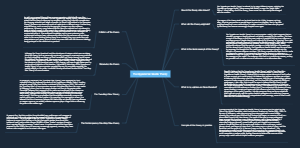
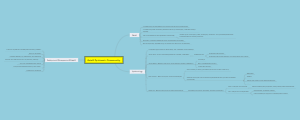
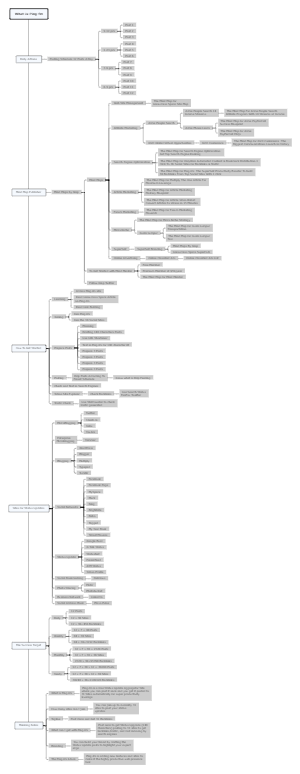
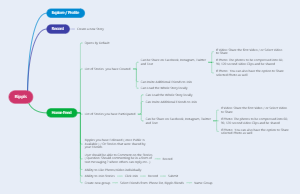
This mind map thoroughly analyzes key concepts such as Kim K., social dilemmas, and related theories. The Kim K. section explores her influence in social media and business; the social dilemma part discusses psychological and moral challenges people face in social settings; the theories section covers psychological and sociological theories explaining these phenomena. Such analysis helps understand complex interactions between contemporary society and media.
Edited at 2024-05-07 05:36:40This mind map thoroughly analyzes key concepts such as Kim K., social dilemmas, and related theories. The Kim K. section explores her influence in social media and business; the social dilemma part discusses psychological and moral challenges people face in social settings; the theories section covers psychological and sociological theories explaining these phenomena. Such analysis helps understand complex interactions between contemporary society and media.

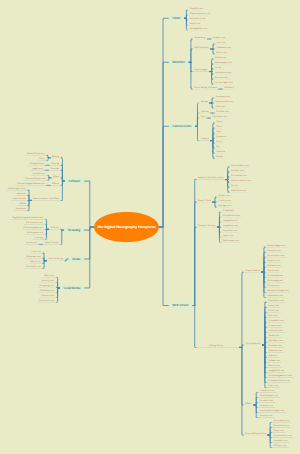
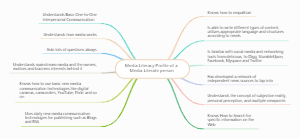
This mind map comprehensively introduces the theories and contributions of Henry Jenkins, David Gauntlett, Albert Bandura, and Clay Shirky. Each scholar's section describes in detail their research fields, main achievements, and how these results have impacted modern media and cultural theories. Understanding these scholars' ideas helps grasp contemporary trends in media communication and social interaction.
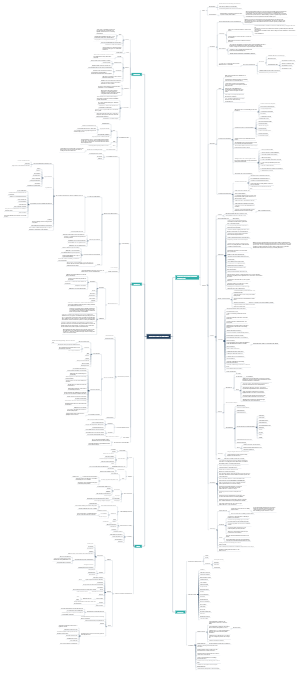
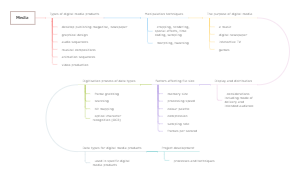
This mind map clearly presents a comprehensive analysis of measuring, managing, types, and theories of pain. Initially, it explains various methods and tools for measuring pain, including both quantitative and qualitative assessments. Next, it details diverse strategies for pain management, such as pharmacological, physical therapy, and psychological interventions. Lastly, the map also covers types and theoretical foundations of pain, like the differences between acute and chronic pain, and the physiological mechanisms of pain transmission. This information is crucial for healthcare professionals to understand and optimize pain treatment.
This mind map thoroughly analyzes key concepts such as Kim K., social dilemmas, and related theories. The Kim K. section explores her influence in social media and business; the social dilemma part discusses psychological and moral challenges people face in social settings; the theories section covers psychological and sociological theories explaining these phenomena. Such analysis helps understand complex interactions between contemporary society and media.
This mind map comprehensively introduces the theories and contributions of Henry Jenkins, David Gauntlett, Albert Bandura, and Clay Shirky. Each scholar's section describes in detail their research fields, main achievements, and how these results have impacted modern media and cultural theories. Understanding these scholars' ideas helps grasp contemporary trends in media communication and social interaction.
This mind map clearly presents a comprehensive analysis of measuring, managing, types, and theories of pain. Initially, it explains various methods and tools for measuring pain, including both quantitative and qualitative assessments. Next, it details diverse strategies for pain management, such as pharmacological, physical therapy, and psychological interventions. Lastly, the map also covers types and theoretical foundations of pain, like the differences between acute and chronic pain, and the physiological mechanisms of pain transmission. This information is crucial for healthcare professionals to understand and optimize pain treatment.
Power in the Media
Kim K.
What is it about KK? How has she become a powerful multi million dollar brand?
Her body shape is seen as aspirational (waist and bum) Rubicam and Young Eccentric representation – OTT lifestyle, even children’s names, breaks taboo e.g. 2002 and 2007 sex tapes, constantly in the news Reality TV – cross platform marketing including tabloids/gossip magazines, millions of followers on social media Paris Hilton early links. Own PR and marketing is outstanding Roots in consumerism – she was a personal shopper Controversial family links – her Dad was OJ lawyer, two famous half-sisters and a transgender step-dad
Kim K. uses convertion to link her fans to her social media brands ( KKW Beauty)
NBC/Universal conglomerate distributed Keeping up with the Kardashians put her in the spotlight and generated mass audiences, facilitating a saturated online presence
300 mill subscribers on insta
Cultural Phenoma
Power and the Media considers issues surrounding access to the media, identity, ideology and democracy
KK’s rhetoric and her relationship with her audience/consumers is crucial – using an additional theorist, John Ellis she presents as both ordinary and extraordinary (audience interpellation – I also have a family)
So how could we use KK as a case study in a Power and the Media essay?
Identity and the construction of identity on multiple platforms – mediating gender identity
Personal branding, identity, personality
Active v passive audiences – Shirky v Bandura (social interaction through shared fandom – Jenkins or mimetic behaviour – buying into her brands and image)
Online media, in particular social networking allows fans to share and borrow identity (Jenkins – textual poaching)
Social Dillema
ABOUT
Netflix distribution – intended as a critique on social media
(using Hall a preferred reading)
It explores surveillance capitalism, teenage identity, algorithms and targeting ‘passive consumers’
Useful for developing arguments on social networking and
consumerist ideology but is ironically made for mass audience consumption by dramatically developing a moral panic
THEORIES
Mediating identity – does it offer simplistic, preferred meaning (Stuart Hall) to entertain rather than challenge audiences?
Reinforcing existing values and ideology – Jenkins but also Chomsky on social networking and consumerism
Powerful marketing and advertising by Netflix themselves – do we get the media we deserve? Curran & Seaton on the power of netflix
The idea that social media is, or is not democratising
Social Dillema + Power in the Media
Manipulation of Information
"The Social Dilemma" highlights how social media platforms wield immense power in shaping public opinion by controlling the information users see. Algorithms prioritize content that generates engagement, often leading to the spread of misinformation and polarizing viewpoints, ultimately influencing public discourse.
Monopoly of Attention
Social media platforms compete for users' attention, employing tactics such as notifications and personalized content to keep users engaged. This concentration of attention gives these platforms significant power over individuals' online behavior and consumption habits, as well as influence over advertisers seeking to reach specific audiences.
Impact on Democracy:
The power wielded by social media platforms has significant implications for democracy, as highlighted in "The Social Dilemma." The spread of misinformation, polarization of viewpoints, and manipulation of public opinion can undermine democratic processes, leading to a lack of trust in institutions and erosion of civic discourse.
Regulatory Challenges:
Addressing the power dynamics in social media requires effective regulation and oversight. However, "The Social Dilemma" underscores the challenges of regulating these platforms, given their global reach, complex algorithms, and resistance to external scrutiny. This raises questions about how to balance free speech with the need to protect users from harm.