MindMap Gallery Self-growth psychology how to get rid of internal friction and high sensitivity
Internal friction and high sensitivity have always been common psychological states in life, which will lead to various problems and make life bleak. Only by getting rid of this mentality can we grow. I have also been internally consumed for a long time because of some things. Through This guide summarizes various aspects of learning and understanding, hoping to help everyone get rid of internal friction and high sensitivity.
Edited at 2024-04-23 09:35:46This strategic SWOT analysis explores how Aeon can navigate the competitive online landscape, highlighting strengths, weaknesses, opportunities, and threats. Strengths include strong brand recognition (trusted Japanese heritage, quality), omnichannel capabilities (stores + online + mall integration), customer loyalty programs (Aeon Card, points, member pricing), and physical footprint (extensive store network for pickup/returns). Weaknesses encompass digital maturity gaps (e-commerce penetration, app functionality, personalization vs. Amazon, Alibaba), cost structure challenges (store-heavy, real estate, labor), and supply chain complexity (fresh food, frozen logistics for online). Opportunities include enhancing e-commerce competitiveness (faster delivery, wider assortment, lower minimum order), leveraging data-driven strategies (purchase history, personalized offers, inventory optimization), expanding omnichannel integration (buy online pick up in store, ship from store), and private label growth (Topvalu, localized brands). Threats involve online-first players (Amazon, Alibaba, Sea Limited) with lower costs, wider selection, faster delivery, market dynamics (changing consumer behavior post-COVID, discount competitors), and regulatory risks (data privacy, cross-border e-commerce rules). Aeon can strengthen market position by investing in digital capabilities, leveraging store assets for omnichannel, and using customer data for personalization, while addressing cost structure and online competition.

This analysis explores how Aeon effectively tailors offerings to meet the diverse needs of family-oriented consumers through a comprehensive Segmentation, Targeting, and Positioning (STP) framework. Demographic segmentation examines family life stages (young families with babies, school-aged children, teenagers, empty nesters), household sizes (small vs. large), income levels (mass, premium), and parent age bands (millennials, Gen X). This identifies distinct consumer groups with different spending patterns. Geographic segmentation highlights store catchment types (urban, suburban, rural), community characteristics (density, income, competition), and local preferences (fresh food, halal, Japanese products). Psychographic segmentation delves into family values (health, safety, education, convenience), lifestyle orientations (busy professionals, home-centered, eco-conscious). Behavioral segmentation focuses on shopping missions (daily grocery, weekly stock-up, seasonal shopping), price sensitivity (value seekers, premium), channel preferences (in-store, online, pickup). Needs-based segmentation reveals core family needs related to value (good-better-best pricing), budget considerations (affordability, promotions, member pricing), safety (food quality, product recall), convenience (one-stop shopping, parking, store hours). Targeting prioritizes young families with school-aged children, budget-conscious households, and convenience-seeking shoppers. Positioning emphasizes Aeon as a family-friendly, value-for-money, one-stop destination with Japanese quality and local relevance. These insights enhance family shopping experiences through tailored assortments (kids’ products, school supplies), promotions (family bundles, weekend events), and services (nursing rooms, kids’ play areas).
This Kream Sneaker Consumption Scene Analysis Template aims to visualize purchasing and consumption journeys of sneakers, identifying key demand drivers and obstacles. User behavior within Kream includes searching, bidding, buying, selling, authentication, and community engagement. External influences include brand drops (Nike, Adidas), social media (Instagram, TikTok), influencer hype, and cultural trends. Target categories: limited editions, collaborations, retro releases, performance sneakers, and general releases. Timeframes: launch day, first week, first month, long-term (seasonal, yearly). Regions: North America, Europe, Asia (Korea, China, Japan). User segments: Collectors: value rarity, condition, completeness (box, accessories). KPIs: collection size, spend, authentication rate. Resellers: value profit margin, volume, turnover. KPIs: sell-through rate, average profit, listing frequency. Sneakerheads: value hype, trends, community validation. KPIs: purchase frequency, social engagement, wishlist adds. Casual trend followers: value style, convenience, price. KPIs: conversion rate, average order value, repeat purchases. Gift purchasers: value ease, presentation, brand trust. KPIs: gift message usage, return rate. Consumption journey: Awareness: social media, email, push notifications. Search: browse, filter, search by brand, model, size. Purchase: bid, buy now, payment, shipping. Authentication: inspection, verification, certification. Resale: list, price, sell, transfer. Sharing: review, unboxing, social post, community discussion. Key performance indicators: conversion rate, sell-through rate, average order value, customer lifetime value, authentication pass rate, return rate, Net Promoter Score. This framework helps understand sneaker trading dynamics, user motivations, and touchpoints for engagement and satisfaction.
This strategic SWOT analysis explores how Aeon can navigate the competitive online landscape, highlighting strengths, weaknesses, opportunities, and threats. Strengths include strong brand recognition (trusted Japanese heritage, quality), omnichannel capabilities (stores + online + mall integration), customer loyalty programs (Aeon Card, points, member pricing), and physical footprint (extensive store network for pickup/returns). Weaknesses encompass digital maturity gaps (e-commerce penetration, app functionality, personalization vs. Amazon, Alibaba), cost structure challenges (store-heavy, real estate, labor), and supply chain complexity (fresh food, frozen logistics for online). Opportunities include enhancing e-commerce competitiveness (faster delivery, wider assortment, lower minimum order), leveraging data-driven strategies (purchase history, personalized offers, inventory optimization), expanding omnichannel integration (buy online pick up in store, ship from store), and private label growth (Topvalu, localized brands). Threats involve online-first players (Amazon, Alibaba, Sea Limited) with lower costs, wider selection, faster delivery, market dynamics (changing consumer behavior post-COVID, discount competitors), and regulatory risks (data privacy, cross-border e-commerce rules). Aeon can strengthen market position by investing in digital capabilities, leveraging store assets for omnichannel, and using customer data for personalization, while addressing cost structure and online competition.
This analysis explores how Aeon effectively tailors offerings to meet the diverse needs of family-oriented consumers through a comprehensive Segmentation, Targeting, and Positioning (STP) framework. Demographic segmentation examines family life stages (young families with babies, school-aged children, teenagers, empty nesters), household sizes (small vs. large), income levels (mass, premium), and parent age bands (millennials, Gen X). This identifies distinct consumer groups with different spending patterns. Geographic segmentation highlights store catchment types (urban, suburban, rural), community characteristics (density, income, competition), and local preferences (fresh food, halal, Japanese products). Psychographic segmentation delves into family values (health, safety, education, convenience), lifestyle orientations (busy professionals, home-centered, eco-conscious). Behavioral segmentation focuses on shopping missions (daily grocery, weekly stock-up, seasonal shopping), price sensitivity (value seekers, premium), channel preferences (in-store, online, pickup). Needs-based segmentation reveals core family needs related to value (good-better-best pricing), budget considerations (affordability, promotions, member pricing), safety (food quality, product recall), convenience (one-stop shopping, parking, store hours). Targeting prioritizes young families with school-aged children, budget-conscious households, and convenience-seeking shoppers. Positioning emphasizes Aeon as a family-friendly, value-for-money, one-stop destination with Japanese quality and local relevance. These insights enhance family shopping experiences through tailored assortments (kids’ products, school supplies), promotions (family bundles, weekend events), and services (nursing rooms, kids’ play areas).
This Kream Sneaker Consumption Scene Analysis Template aims to visualize purchasing and consumption journeys of sneakers, identifying key demand drivers and obstacles. User behavior within Kream includes searching, bidding, buying, selling, authentication, and community engagement. External influences include brand drops (Nike, Adidas), social media (Instagram, TikTok), influencer hype, and cultural trends. Target categories: limited editions, collaborations, retro releases, performance sneakers, and general releases. Timeframes: launch day, first week, first month, long-term (seasonal, yearly). Regions: North America, Europe, Asia (Korea, China, Japan). User segments: Collectors: value rarity, condition, completeness (box, accessories). KPIs: collection size, spend, authentication rate. Resellers: value profit margin, volume, turnover. KPIs: sell-through rate, average profit, listing frequency. Sneakerheads: value hype, trends, community validation. KPIs: purchase frequency, social engagement, wishlist adds. Casual trend followers: value style, convenience, price. KPIs: conversion rate, average order value, repeat purchases. Gift purchasers: value ease, presentation, brand trust. KPIs: gift message usage, return rate. Consumption journey: Awareness: social media, email, push notifications. Search: browse, filter, search by brand, model, size. Purchase: bid, buy now, payment, shipping. Authentication: inspection, verification, certification. Resale: list, price, sell, transfer. Sharing: review, unboxing, social post, community discussion. Key performance indicators: conversion rate, sell-through rate, average order value, customer lifetime value, authentication pass rate, return rate, Net Promoter Score. This framework helps understand sneaker trading dynamics, user motivations, and touchpoints for engagement and satisfaction.
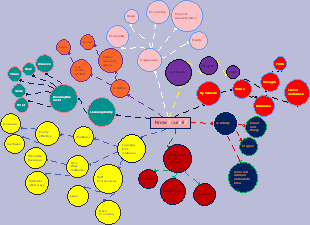
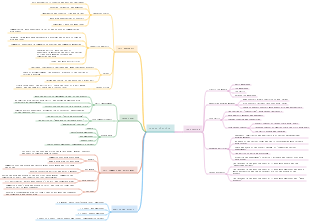
how to get rid of Internal friction and hypersensitivity
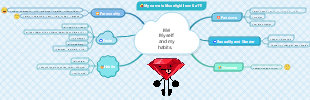
4 mirrors of yourself
original family
nurturing relationship
authoritative expectations
self experience
The mentality of the inward-looking person
People-pleasing personality
Sacrifice yourself to help others
Abandoning yourself to do unnecessary things to please others for the sake of others’ expectations
Causes of formation
Afraid of responsibility, reluctance, fear of being criticized
Can’t find one’s own characteristics and lose oneself
In order to get a certain relationship, there is an obsession in the heart
Behind the flattery is actually hidden demands
Expect rewards from others
Shooting horses is for riding horses
victim mentality
Believe that you are being treated unfairly in life or relationships
Being too defensive
Desire for other people’s emotions but unwilling to take responsibility for “risks and conflicts”
inner fears and worries
fear of future uncertainty
Fear of birth, old age, illness and death
Fear of relationships with others (e.g. fear of losing, fear of not getting)
Lack of self-confidence and falling into one’s own emotions
Reasons for inferiority complex
Blindly believe in other people’s evaluations
Habitually maintain the status quo
Compare with others
Go your own way, don't look at what others do
It’s easy to look at people’s faces
The self in others’ eyes is not the real self
Start from your own heart and stick to your true self
Have the ability to think in isolation
ability to discern thinking
I often worry about things that I can’t change at all
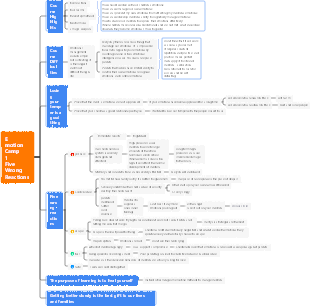
5 reasons why you fall into emotions
can't get
Can't stand it
Can't accept it
Can't escape
Can't control
Procrastination, perfectionism, high expectations
How to fix it: Lower your goals
Set a small goal that is hard to fail
Repeat and accumulate successful experiences
Avoidance behavior, refusal to grow
Solution: refuse to avoid
Connect with others
Keep getting to know people better than yourself
Connect with others in every way
confirmation bias
Always think about the bad side of everything
Solution: Think more about the good aspects
Negative thoughts will lead your brain to look for evidence to confirm your thoughts.
Intervene in other people's causes and effects
paying too much attention to others
complaining about others
Suggestion: Let go of the need to help others and be true to yourself
Compromising oneself to cater to other people’s perceptions
Suggestion: Don’t let other people’s karma trigger your own karma
How to get rid of internal friction
Internal friction cannot be eliminated, it can only coexist with internal friction
Avoid random thoughts and proactively respond to others when encountering problems
The quality of the response determines the nutrition of the relationship
Take the initiative to return your state of mind to the world
Everything that passes through you is just the past and does not really belong to you.
Even if you are gone, the world still exists
be aware of yourself
To see is to heal, to be aware is to improve.
Be first, then have
Learn to let go
The world itself is an experience
There are too many things that cannot be obtained and controlled
When you can't get through it, let yourself go
concern for others
Three questions only people who really care about them ask
do you care about me
can you help me
can i trust you
Learn to pay attention to the needs of others
Cultivate a spirit of service
Change the pleaser personality
Be brave and choose not to please, don’t be afraid of others’ criticism
People who please people have strong empathy, but they need to be self-aware to empathize.
Ask yourself a question: Do you need something in return for pleasing others?
If it's necessary, then don't do it
Change the mentality of asking for things, be friendly from the heart, and give without the need for reward.
Find your own characteristics, use your strengths and avoid weaknesses, and reduce your reliance on pleasing people.
Treat yourself well first
How you want others to treat you, treat yourself the same way first
Example: If you want others to give you high-end goods, use the high-end goods yourself first.
Being kind to yourself is wonderful and a kind of giving without asking for anything.
The phenomenon of highly sensitive people
Hypersensitivity is a compulsion to repeat
Highly sensitive mentality
lost control
Emotions never disappear, they are always there
Suppressing emotions is worse than managing them
It’s better to manage emotions than to be aware of them
It is better to be aware of emotions than to use them
Emotions need an outlet, don’t suppress them all the time
prone to depression
Depression is a "good guy" with a please-pleaser personality
self blockade
Feeling depressed because others don’t understand
anxious personality
The moment it happened, the pain passed, but the pain remained.
Without diamonds in your heart, how can your life be bright?
Solution: Improve your rank
change mental model
Watch more emotional programs or books, etc.
Improve your emotional intelligence
prone to insomnia
reason
unfinished effect
Unfinished things are more impressive than completed things.
Satisfaction without activating the brain
Subjective aspect:
Having trouble ordering things in life
anxiety
Thinking too much
Solution
Reduce what you want to do every day
Only do the two most important things every day
No more than 2 items for work and entertainment
Write it out on your phone and paper
Write the worst possible outcome for anxious things
After writing it down, the brain will forget it faster.
Open the window for 10 minutes before going to bed to ensure adequate oxygen supply to the brain
Make sure the room is dark before going to bed and turn off the lights before sleeping
Lie down and go to sleep. Don’t lie down and play with your mobile phone or do things unrelated to sleep.
Read boring books or listen to light music before going to bed
How to get rid of high sensitivity
Improve your own value
There is energy first, then love
Then love can be converted into improving one's own nutrition (energy value)
self-actualization
Find your true self, find your own style
Love yourself sincerely and pay attention to your own growth
Exploit strengths and avoid weaknesses of individual character traits, complement good deeds and eliminate bad deeds
Understand sorting and choose
Prioritize high value things
Prioritize doing high-value things and choose not to do low-value or worthless things
Get rid of the influence of the original family
Specific performance
fragmented self
lacks complete personality
Superstition of parental authority
Choose to please in order not to make your parents angry
how to do it
Continuously understand yourself, improve yourself, and improve your personality
People can change their personality through conscious cultivation and efforts.
Learn to accept yourself and develop the ability to self-esteem and self-love
change mental model
Possess the ability to turn around after adversity
Reflect and learn lessons after setbacks
Have the ability to filter and be brave enough to make choices
Self-awareness, ability to reflect
Self-motivated and constantly seeking self-transcendence
Mori Qi's original works