MindMap Gallery Care of patients with neck disease
This is a mind map about the care of patients with neck diseases, including thyroid, thyroid disease, etc. The content is practical, friends who are interested can save it ~
Edited at 2024-04-08 09:05:24Avatar 3 centers on the Sully family, showcasing the internal rift caused by the sacrifice of their eldest son, and their alliance with other tribes on Pandora against the external conflict of the Ashbringers, who adhere to the philosophy of fire and are allied with humans. It explores the grand themes of family, faith, and survival.

This article discusses the Easter eggs and homages in Zootopia 2 that you may have discovered. The main content includes: character and archetype Easter eggs, cinematic universe crossover Easter eggs, animal ecology and behavior references, symbol and metaphor Easter eggs, social satire and brand allusions, and emotional storylines and sequel foreshadowing.
[Zootopia Character Relationship Chart] The idealistic rabbit police officer Judy and the cynical fox conman Nick form a charmingly contrasting duo, rising from street hustlers to become Zootopia police officers!
Avatar 3 centers on the Sully family, showcasing the internal rift caused by the sacrifice of their eldest son, and their alliance with other tribes on Pandora against the external conflict of the Ashbringers, who adhere to the philosophy of fire and are allied with humans. It explores the grand themes of family, faith, and survival.
This article discusses the Easter eggs and homages in Zootopia 2 that you may have discovered. The main content includes: character and archetype Easter eggs, cinematic universe crossover Easter eggs, animal ecology and behavior references, symbol and metaphor Easter eggs, social satire and brand allusions, and emotional storylines and sequel foreshadowing.
[Zootopia Character Relationship Chart] The idealistic rabbit police officer Judy and the cynical fox conman Nick form a charmingly contrasting duo, rising from street hustlers to become Zootopia police officers!
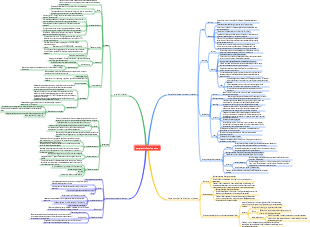
Care of patients with neck disease
thyroid
The superior level is the flat thyroid cartilage and the inferior level is located in the 5-6 tracheal rings.
The main blood supply to the thyroid gland comes from the superior and inferior thyroid arteries on both sides
Nerves only (both are vagus nerve)
recurrent laryngeal nerve
Unilateral damage
Hoarseness, aphonia
Bilateral damage
Difficulty breathing, suffocation
superior laryngeal nerve
Internal branch damage
Coughing after drinking water (sensory branch)
Damage to external branches
Lowered pitch (motor branch)
Thyroid disease
Hyperthyroidism
Classification
primary hyperthyroidism
Most common
The characteristic manifestation is: exophthalmos, so it is also called exophthalmic goiter.
secondary hyperthyroidism
secondary to nodular goiter
high functioning adenoma
Rare
pathology
Primary hyperthyroidism is an autoimmune disease
clinical manifestations
symptom
goiter
Diffuse, symmetrical swelling, generally no local compression symptoms
Symptoms of exophthalmos
There is no obvious relationship between the degree of exophthalmos and the severity of hyperthyroidism
systemic symptoms
That is, the symptoms of increased basal metabolic rate - emotional excitement, excessive appetite but weight loss, trembling hands, palpitations or arrhythmia, etc.
hormone imbalance
Irregular menstruation, impotence
physical signs
The pulse rate reaches more than 100 beats per minute and is still fast when resting and sleeping.
Increased pulse pressure
Palpable tremor and vascular murmur
Auxiliary inspection
basal metabolic rate
It must be done early in the morning on an empty stomach and while lying still
Basal metabolic rate % = (pulse rate + pulse pressure) – 111
Normal to ±10%
+20%-30% is mild hyperthyroidism
+30%-60% is moderate hyperthyroidism
+60% or above is severe hyperthyroidism
Thyroid 131I rate measurement
The speed of thyroid absorption and uptake of 131I
Normal - the amount taken within 24 hours is 30%-40% of the total amount
Hyperthyroidism
More than 25% of intake in 2 hours
More than 50% of the intake in 24 hours and the absorption peak appears earlier
Serum T3 T4 content measurement
T3 rises early and quickly, 4 times the normal value, and is more sensitive
treat
Drug treatment is the first choice
propylthiouracil
Methimazole (Tapazole)
131I treatment irradiates the thyroid gland to shrink its atrophy and necrosis
Surgical treatment
subtotal thyroidectomy
Nursing measures
Medication care
Use iodine immediately. Preoperative preparation time is less than 2 weeks.
Purpose: Reduce basal metabolic rate to below +20%
Iodine inhibits proteolytic enzymes and reduces the breakdown of thyroglobulin
Reduce thyroid hormone release
Thioureas must be used first and then iodine must be used
Thiourea drugs make thyroid congestion prone to bleeding during surgery, while iodine can shrink and harden it. Therefore, iodine must be added when using thiourea.
If the effect of taking iodine is not obvious first, then take thiourea drugs and then iodine.
When the above two drugs cannot be taken or are ineffective, use propranolol alone or in combination with iodine (no atropine anesthesia before surgery to avoid causing tachycardia)
Protruding eye care
Instill eye drops and antibiotic eye ointment to prevent dryness and infection, and to prevent conjunctivitis and keratitis
When conjunctival congestion and edema occurs, use 0.5% cortisone acetate eye drops and cold compress
Patients with severe impairment of eyelid closure should undergo eyelid suturing.
Nutritional support
Avoid eating centrally stimulating foods such as strong tea, coffee, smoking cessation and alcohol
High calories, high protein, high vitamins. Drink more water to supplement sweating and breathing to speed up water loss.
Postoperative care
general care
Position: Postoperative supine position, semi-sitting and recumbent position after blood pressure is stable, which is conducive to breathing and drainage.
Instruct the patient to maintain a comfortable head and neck position, and change the position to properly fix the neck to reduce vibration.
Drink warm and cool water and eat lukewarm liquids - avoid eating overly hot foods, which may cause blood vessels to dilate at the surgical site and aggravate bleeding.
prevent infection
Rational use of antibiotics
pain care
Recumbent position reduces wound tension
Give analgesics as directed by your doctor when necessary
Condition observation
vital signs
Incision care
Pay attention to the skin color of the neck and chest for patients undergoing laparoscopic areolar approach surgery
Because carbon dioxide gas will be injected during the operation, it may damage the subcutaneous fat layer and cause redness, swelling and ecchymosis, which usually gradually dissipates after 2-3 days.
Drainage tube care
Leave it for 24-48 hours. Fix it properly to prevent twisting, folding and pressure. Observe and record the color, nature and amount of the drainage fluid.
respiratory care
Encourage and assist patients to cough effectively and use aerosol inhalation to assist in the discharge of sputum when necessary.
drug care
Continue to take potassium iodide solution three times a day after surgery. Those who have taken propranolol before surgery continue to take it for 4-7 days.
Complication care
difficulty breathing and suffocation
The most critical postoperative complication
Mostly occurs within 48 hours after surgery
Recurrent laryngeal nerve injury
superior laryngeal nerve injury
hypoparathyroidism
thyroid storm
Thyroid tumor
Divided into follicular adenoma and papillary cystic adenoma
Follicular adenoma is common
Thyroid cancer
The most common is thyroid malignancy
clinical manifestations
symptom
lump
hard and fixed
systemic symptoms
Diarrhea Flushing Hypocalcemia
Horner syndrome (compression of cervical sympathetic ganglion)
Drooping eyelids on the affected side, no sweating on half of the face, constricted pupils, flushed complexion
Recurrent laryngeal nerve compression, hoarseness, tracheal compression symptoms, etc.
physical signs
The surface of the mass is uneven and the up and down movements are reduced when swallowing.
treat
non-surgical
Take thyroxine tablets for life
Postoperative 131I treatment
Traditional Chinese Medicine Treatment
Operation
It is the basic treatment method