MindMap Gallery Nursing care of patients with small bowel disease
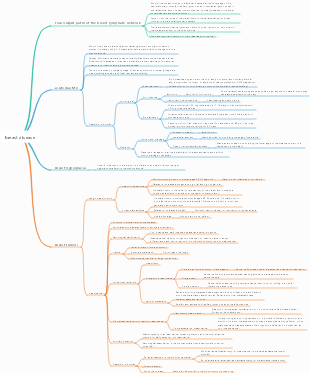
Surgical nursing mind map, including causes, symptom, diagnosis, processing principles, treatment, intestinal obstruction, Nursing etc.
Edited at 2024-04-08 19:19:16This is a mind map about bacteria, and its main contents include: overview, morphology, types, structure, reproduction, distribution, application, and expansion. The summary is comprehensive and meticulous, suitable as review materials.

This is a mind map about plant asexual reproduction, and its main contents include: concept, spore reproduction, vegetative reproduction, tissue culture, and buds. The summary is comprehensive and meticulous, suitable as review materials.
This is a mind map about the reproductive development of animals, and its main contents include: insects, frogs, birds, sexual reproduction, and asexual reproduction. The summary is comprehensive and meticulous, suitable as review materials.
This is a mind map about bacteria, and its main contents include: overview, morphology, types, structure, reproduction, distribution, application, and expansion. The summary is comprehensive and meticulous, suitable as review materials.
This is a mind map about plant asexual reproduction, and its main contents include: concept, spore reproduction, vegetative reproduction, tissue culture, and buds. The summary is comprehensive and meticulous, suitable as review materials.
This is a mind map about the reproductive development of animals, and its main contents include: insects, frogs, birds, sexual reproduction, and asexual reproduction. The summary is comprehensive and meticulous, suitable as review materials.
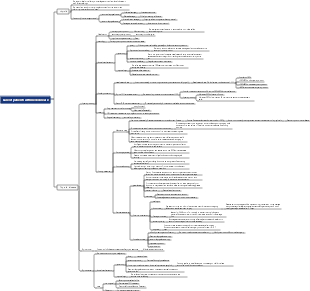
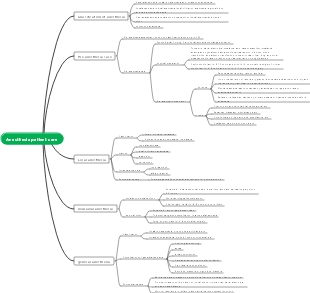
Nursing care of patients with small bowel disease
Cause
Infect
bacteria
Virus
Parasite
immunity
self-immune
allergy
genetics
environment
symptom
stomach ache
diarrhea
indigestion
Loss of appetite
feel sick and vomit
weight loss
diagnosis
Medical history
family history
personal history
Physical examination
Abdominal examination
Digital rectal examination
laboratory tests
blood test
stool test
Film degree exam
Processing principles
Correct systemic physiological disorders caused by intestinal obstruction and relieve obstruction
treat
medical treatement
antibiotic
antiviral drugs
antiparasitic drugs
Surgical treatment
Remove diseased tissue
Rebuild the intestines
diet modification
low fiber diet
high protein diet
lifestyle adjustments
Quit smoking and limit alcohol
Maintain a good routine
care
Preoperative care
1. Preoperative preparation: Make sure the patient understands the surgical procedure and signs an informed consent form.
2. Bowel preparation: Follow the bowel cleansing method recommended by your doctor, such as enemas or oral laxatives.
3. Diet adjustment: Fast one day before surgery and avoid high-fiber and high-fat foods.
4. Prevent infection: Prepare sterilized instruments before surgery and maintain hand hygiene.
5. Postoperative care: Pay attention to wound healing and prevent complications such as intestinal obstruction, perforation, etc.
6. Rehabilitation guidance: According to the doctor’s advice, develop an appropriate diet and activity plan to promote recovery.
7. Psychological care: Pay attention to the psychological needs of patients, provide comfort and support, and reduce anxiety and fear.
Postoperative care
body position
Head tilted to one side when lying down when not awake
After the anesthesia wakes up and the blood pressure stabilizes, the patient is placed in a semi-recumbent position.
diet
Complication care
1. Complications of patients with small intestinal diseases may include infection, dehydration, malnutrition, etc., and the condition needs to be closely observed and treated promptly.
2. Pay special attention to wound healing during postoperative care to avoid complications such as infection and bleeding.
3. For patients with intestinal obstruction, gastrointestinal decompression should be performed promptly to reduce intestinal pressure and prevent complications.
4. During the treatment process, attention should be paid to monitoring the patient's electrolyte levels, hemoglobin values and other indicators in order to detect and deal with possible complications in a timely manner.
5. For different complications, corresponding nursing measures need to be taken, such as oral or intravenous antibiotics, rehydration, etc., to promote the patient's recovery.
intestinal obstruction
Intestinal obstruction is an acute abdominal pain disease, which means that the intestinal lumen is blocked and food and liquid cannot pass through. If not treated in time, it may lead to serious consequences such as intestinal necrosis.
symptom
Vomit
stomach ache
abdominal bloating
constipate
Cause
tumor
inflammation
volvulus
Classification
Classified by basic causes of occurrence
Mechanical intestinal obstruction: mostly caused by intestinal tumors, adhesions, torsions, etc., and requires surgical treatment.
Dynamic intestinal obstruction: intestinal peristalsis is weakened or disappeared due to intestinal myopathy, neuropathy, etc., which can be treated with drugs.
vascular intestinal obstruction
Classified according to whether there is blood supply disorder in the intestinal wall
Mild blood supply disorder: chronic mesenteric artery insufficiency, such as intermittent claudication.
Moderate blood supply impairment: acute mesenteric artery occlusion, such as intestinal obstruction.
Severe blood supply disorder: mesenteric artery embolism, such as acute intestinal obstruction.
Ischemic enteritis: Inflammation caused by intestinal ischemia, such as acute mesenteric artery occlusion.
Dysvascular enteropathy: lesions caused by impaired intestinal blood supply, such as chronic mesenteric artery insufficiency.
Small intestinal vasculopathy: a disease in which the blood vessels of the small intestine become damaged, such as small intestinal ischemic disease.
Classification by location of obstruction
High intestinal obstruction: occurs in the duodenum and upper jejunum. The symptoms are mild and easy to be ignored.
Low intestinal obstruction: occurs in the lower part of the small intestine and colon. The symptoms are obvious and need to be treated in time.
Classified according to degree of obstruction
Incomplete intestinal obstruction: symptoms are mild and progress can be observed through conservative treatment.
Complete intestinal obstruction: Common in malignant tumors, inflammatory bowel disease, etc., the condition is serious and requires emergency treatment.