MindMap Gallery Ethics in Nursing Research
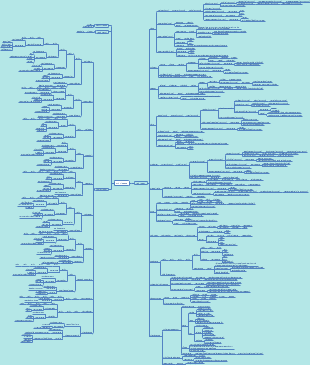
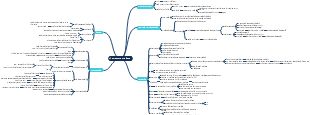
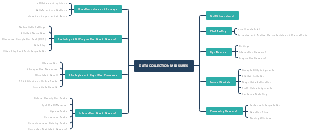
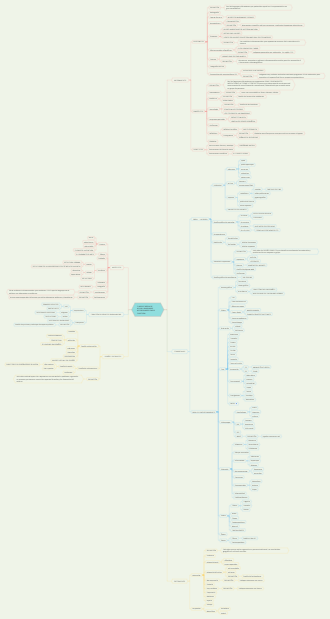
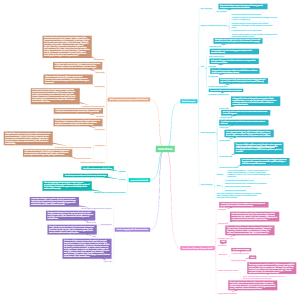
This is a mind map about ethics in nursing research. The main contents include: ethical control of scientific research misconduct, nursing research ethics involving people, and an overview of nursing research ethics.
Edited at 2024-04-07 22:53:27This article discusses the Easter eggs and homages in Zootopia 2 that you may have discovered. The main content includes: character and archetype Easter eggs, cinematic universe crossover Easter eggs, animal ecology and behavior references, symbol and metaphor Easter eggs, social satire and brand allusions, and emotional storylines and sequel foreshadowing.
[Zootopia Character Relationship Chart] The idealistic rabbit police officer Judy and the cynical fox conman Nick form a charmingly contrasting duo, rising from street hustlers to become Zootopia police officers!
This is a mind map about Deep Analysis of Character Relationships in Zootopia 2, Main content: 1、 Multi-layer network of relationships: interweaving of main lines, branch lines, and hidden interactions, 2、 Motivation for Character Behavior: Active Promoter and Hidden Intendant, 3、 Key points of interaction: logic of conflict, collaboration, and covert support, 4、 Fun Easter eggs: metaphorical details hidden in interactions.
This article discusses the Easter eggs and homages in Zootopia 2 that you may have discovered. The main content includes: character and archetype Easter eggs, cinematic universe crossover Easter eggs, animal ecology and behavior references, symbol and metaphor Easter eggs, social satire and brand allusions, and emotional storylines and sequel foreshadowing.
[Zootopia Character Relationship Chart] The idealistic rabbit police officer Judy and the cynical fox conman Nick form a charmingly contrasting duo, rising from street hustlers to become Zootopia police officers!
This is a mind map about Deep Analysis of Character Relationships in Zootopia 2, Main content: 1、 Multi-layer network of relationships: interweaving of main lines, branch lines, and hidden interactions, 2、 Motivation for Character Behavior: Active Promoter and Hidden Intendant, 3、 Key points of interaction: logic of conflict, collaboration, and covert support, 4、 Fun Easter eggs: metaphorical details hidden in interactions.
Ethics in Nursing Research
Overview of Nursing Research Ethics
Characteristics of nursing research
General characteristics of scientific research: exploratory, creative, inheritance, continuity
Characteristics of the medical profession: extensive research content, particularity of research objects, complexity of research processes, diversity of research methods, arduousness of research practice, and duality of research results
Ethical Contradictions in Nursing Research
The conflict between scientific interests and the interests of research subjects
Adhere to the principle of putting the interests of research subjects first
The contradiction between voluntary and forced
Researchers' participation in research should be voluntary
The contradiction between active and passive
Researchers have the obligation to obtain full informed consent from research subjects, and research subjects also have the right to proactively inquire about the situation
The contradiction between the rights and obligations of research subjects
When rights and obligations conflict, the rights of the research subject should take precedence.
Contradictions between continuation and termination of research
If the research process is dangerous, researchers should terminate the research immediately
Ethics in nursing research
Purify scientific research motives and belittle personal reputation
Respect medical science and seek truth from facts
Solidarity and cooperation, fair and reasonable competition
Promote resource sharing and pay attention to intellectual property rights
Nursing research ethics is the basis for ensuring the scientificity, rigor and practicality of research results.
Ethics in nursing research involving people
define
What does “human-related” biomedical research mean?
Concept: An activity that takes humans and their tissues, cells, blood and other biological components or psychological activities as the research object, and collects personal data and information through intervention or interaction with them. The research object is usually called a subject.
Human experiment: It is a behavioral process in which healthy people or patients are used as subjects, and artificial experimental means are used to conduct controlled research and observation on the subjects.
It is the central pillar of the research center in the field of modern medicine.
“Human-involving” biomedical research types
natural experiment
carried out under natural conditions
autologous test
voluntary trial
forced experiment
deception test
experimental treatment
in principle
medical purpose principle
Conditions for human experimentation: 1. The knowledge obtained through human experimentation is very important and cannot be obtained using other methods or techniques. 2. The researcher must be qualified to conduct human experimentation. 3. Animal or cadaver experiments have been completed. 4. Human experimentation is necessary or not. Loss, or gain is greater than loss, or at least gain and loss are equal
informed consent principle
Maintain the interests of subjects
Rigorous and scientific principles
Principles of ethical review
review
Staff composition: an independent organization composed of medical professionals, ethicists, legal experts and community representatives
main duty
ethical review
Education and training
consultation service
research exchange
Policy research and other
job run
Ethical review methods
Meeting
Simplified procedure review
emergency review
Ethical Control of Research Misconduct
The main manifestations of scientific research misconduct (six types of scientific research misconduct: scientific research project establishment, experimental violations, scientific research process, paper publication, identification and review of scientific research results, and use of scientific research funds)
Research Misconduct: Behavior that violates basic scientific integrity, including scientific research unethical behavior and scientific research illegal behavior
Scientific research misconduct: Behavior that violates the purpose and spirit of science and the basic ethical principles of scientific research but does not clearly define the moral bottom line of research activities.
Prevention mechanism for scientific research misconduct 1. Strengthen system construction and improve the social supervision system 2. Promote scientific research integrity and pay attention to scientific research ethics education 3. Establish a standardized management mechanism and form a scientific and transparent academic evaluation system 4. Establish an effective disciplinary mechanism and create a rigorous Misconduct governance system.
The ethical significance of controlling scientific research misconduct (1. It is harmful to the dignity of medical science; 2. It deviates from scientific ethics)