MindMap Gallery Commonly used basic assessments in clinical nursing
Including self-care ability assessment, pressure injury risk assessment, venous thromboembolism risk assessment, intraoperative acquired pressure injury assessment, fall risk assessment, catheter slippage risk score, etc.
Edited at 2024-10-16 18:04:33Rumi: 10 dimensões do despertar espiritual. Quando você para de se procurar, encontrará o universo inteiro porque o que está procurando também está procurando por você. Qualquer coisa que você persevera todos os dias pode abrir uma porta para as profundezas do seu espírito. Em silêncio, deslizei para o reino secreto e gostei de tudo para observar a magia ao meu redor e não fiz barulho. Por que você gosta de rastejar quando nasce com asas? A alma tem seus próprios ouvidos e pode ouvir coisas que a mente não pode entender. Procure para dentro para a resposta a tudo, tudo no universo está em você. Os amantes não acabam se encontrando em algum lugar, e não há despedida neste mundo. Uma ferida é onde a luz entra em seu coração.
A insuficiência cardíaca crônica não é apenas um problema da velocidade da freqüência cardíaca! É causada pela diminuição da contração miocárdica e da função diastólica, o que leva a um débito cardíaco insuficiente, o que, por sua vez, causa congestão na circulação e congestão pulmonar na circulação sistêmica. Das causas, o indução aos mecanismos de compensação, os processos fisiopatológicos de insuficiência cardíaca são complexos e diversos. Ao controlar o edema, reduzir a frente e pós -carga do coração, melhorando a função de conforto cardíaco e prevenindo e tratando as causas básicas, podemos efetivamente responder a esse desafio. Somente entendendo os mecanismos e as manifestações clínicas da insuficiência cardíaca e as estratégias de prevenção e tratamento, podemos proteger melhor a saúde do coração.
A lesão de isquemia-reperfusão é um fenômeno que a função celular e os distúrbios metabólicos e os danos estruturais piorarão depois que órgãos ou tecidos restauram o suprimento sanguíneo. Seus principais mecanismos incluem aumento da geração de radicais livres, sobrecarga de cálcio e o papel dos microvasculares e leucócitos. O coração e o cérebro são órgãos danificados comuns, manifestados como mudanças no metabolismo do miocárdio e mudanças ultraestruturais, diminuição da função cardíaca etc. As medidas de prevenção e controle incluem remover os radicais livres, reduzir a sobrecarga de cálcio, melhorar o metabolismo e controlar as condições de reperfusão, como baixo sódio, baixa temperatura, baixa pressão, etc. A compreensão desses mecanismos pode ajudar a desenvolver opções eficazes de tratamento e aliviar lesões isquêmicas.
Rumi: 10 dimensões do despertar espiritual. Quando você para de se procurar, encontrará o universo inteiro porque o que está procurando também está procurando por você. Qualquer coisa que você persevera todos os dias pode abrir uma porta para as profundezas do seu espírito. Em silêncio, deslizei para o reino secreto e gostei de tudo para observar a magia ao meu redor e não fiz barulho. Por que você gosta de rastejar quando nasce com asas? A alma tem seus próprios ouvidos e pode ouvir coisas que a mente não pode entender. Procure para dentro para a resposta a tudo, tudo no universo está em você. Os amantes não acabam se encontrando em algum lugar, e não há despedida neste mundo. Uma ferida é onde a luz entra em seu coração.
A insuficiência cardíaca crônica não é apenas um problema da velocidade da freqüência cardíaca! É causada pela diminuição da contração miocárdica e da função diastólica, o que leva a um débito cardíaco insuficiente, o que, por sua vez, causa congestão na circulação e congestão pulmonar na circulação sistêmica. Das causas, o indução aos mecanismos de compensação, os processos fisiopatológicos de insuficiência cardíaca são complexos e diversos. Ao controlar o edema, reduzir a frente e pós -carga do coração, melhorando a função de conforto cardíaco e prevenindo e tratando as causas básicas, podemos efetivamente responder a esse desafio. Somente entendendo os mecanismos e as manifestações clínicas da insuficiência cardíaca e as estratégias de prevenção e tratamento, podemos proteger melhor a saúde do coração.
A lesão de isquemia-reperfusão é um fenômeno que a função celular e os distúrbios metabólicos e os danos estruturais piorarão depois que órgãos ou tecidos restauram o suprimento sanguíneo. Seus principais mecanismos incluem aumento da geração de radicais livres, sobrecarga de cálcio e o papel dos microvasculares e leucócitos. O coração e o cérebro são órgãos danificados comuns, manifestados como mudanças no metabolismo do miocárdio e mudanças ultraestruturais, diminuição da função cardíaca etc. As medidas de prevenção e controle incluem remover os radicais livres, reduzir a sobrecarga de cálcio, melhorar o metabolismo e controlar as condições de reperfusão, como baixo sódio, baixa temperatura, baixa pressão, etc. A compreensão desses mecanismos pode ajudar a desenvolver opções eficazes de tratamento e aliviar lesões isquêmicas.
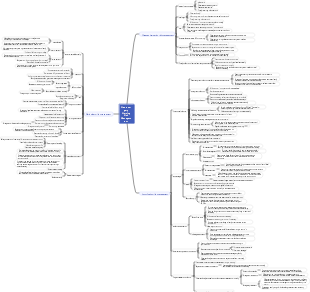
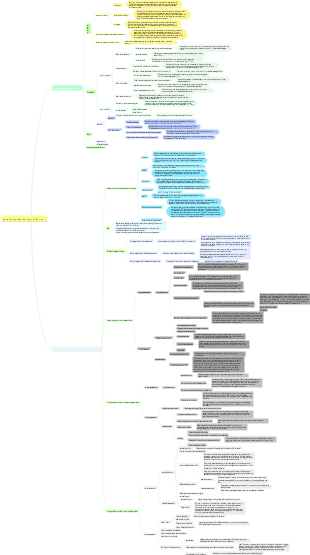
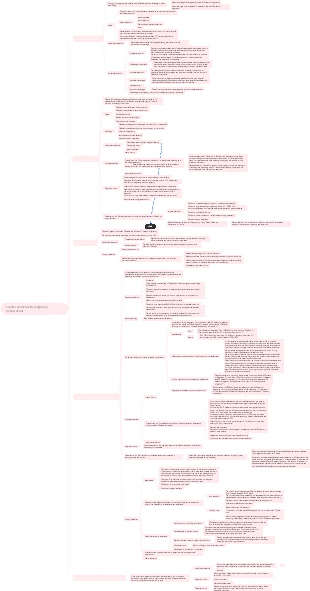
Commonly used basic assessments in clinical nursing
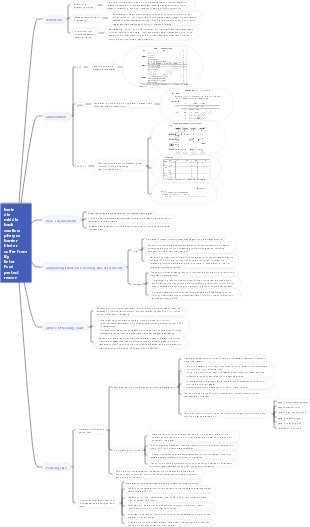
Assessment of self-care ability
Assessment points
Evaluate the patient's daily living ability to reflect the degree of care the patient needs for next step identification and decision-making
Assessment Tools
barthel index rating scale
Evaluation time
Admission, postoperative, condition change, discharge
Grading
Total score ≤40: severe dependence 41~60: Moderate dependence 61~99: Mild dependence 100: No dependencies required
Nursing measures
No need for dependence: tertiary care Mild dependence: secondary care or tertiary care Moderate dependence: secondary care Severe dependence: first level care
Pressure injury risk assessment
Assessment Tools
Braden rating
Assessment points
Factors such as moisture, mobility, nutrition, friction and shear
Evaluation time
Completed within 2 hours after patient admission
Low-risk patients are evaluated weekly, those at intermediate- and high-risk twice weekly, and those at very high risk every 48 hours.
Grading
15~18: Low risk
13~14: Moderate risk
10~12: Highly dangerous
9 points and below: very dangerous
Nursing measures
Keep the bed unit flat and dry
Keep skin clean and dry
Strict shift handover, check skin condition every shift
Turn over and change positions every 2 hours to reduce pressure and avoid friction.
Provide health education and provide relevant knowledge and skills to family members
Use air cushions, protective films and other tools
Venous thromboembolism risk assessment
Assessment Tools
VTE-Padua Score and VTE-Caprini Assessment Scale
Assessment points
Immobility, known thrombophilia
Evaluation time
Within 24 hours after admission, within 6 hours after surgery, before discharge, and when the patient's VTE risk factors change
Grading
0~3 points: low risk
4 points and above: high risk
Nursing measures
Replenish fluids and drink water appropriately to avoid dehydration
Raise the affected limb 20 to 30 degrees
Control blood sugar and blood lipids
Get out of bed as early as possible
Use compression stockings, inflatable compression devices, etc. for patients as directed by the doctor
pain assessment
Assessment Tools
Pain severity visual analog scale and related content assessment sheet
Assessment points
Pain location, pain nature, pain frequency and impact on life, etc.
Evaluation time
When patients are admitted and when pain levels change
Grading
VAS visual simulation method: 0 points (no pain) to 10 points (most painful)
facial expression scale
Nursing measures
Observe and record the nature, extent and duration of pain, etc.
Administer analgesics as directed by the doctor, and observe and record the effects of the medication.
Adjust to a comfortable position
Instruct patients and family members to use analgesics correctly, protect painful areas, and master methods to relieve pain.
Spiritual comfort and psychological counseling
Instruct patients on the application of relaxation therapy
nutritional risk assessment
Assessment Tools
Nutritional risk assessment form for inpatients
Assessment points
Nutritional status impairment score, disease severity score, etc.
Evaluation time
When the patient is admitted to the hospital
Grading
Total score ≥3 points: the patient is at risk of malnutrition
Nursing measures
Encourage patients to take in adequate nutrition and eat a diet high in protein, vitamins, and calories that is easy to digest.
For those with poor appetite and difficulty eating, it is advisable to eat small amounts frequently and eat a diet with less residue.
Provide intravenous high nutritional support when necessary
Catheter slippage risk score
Assessment Tools
Catheter slippage risk scoring scale
Assessment points
Patient age, state of consciousness, emotional state, catheter risk level, and number of catheters, etc.
Evaluation time
Patients are evaluated upon admission and postoperatively, with high-risk catheters assessed once per shift, intermediate-risk catheters daily, and low-risk catheters twice weekly.
Grading
≤8 points: mild risk
9 to 12 points: moderate risk
≥13 points: high risk
Nursing measures
All pipes must be properly secured and marked by the installer
Strictly abide by the operating procedures, be gentle during treatment and care, and pay attention to protecting the catheter to prevent it from slipping
Strengthen the observation of high-risk patients and make detailed handovers as key handover content
Provide health guidance to patients and their families
Fall risk assessment
Assessment Tools
Morse Fall Risk Assessment Form
Assessment points
Patient's history of falls, assistance with activities, medical diagnosis, gait and cognitive status, etc.
Evaluation time
When the patient is admitted to hospital, when the condition changes, before discharge, when medications with high fall risk are used
Grading
<25 points: low risk
25-45 points: medium risk
>45 points: high risk
Nursing measures
Regularly inspect ward facilities to keep them in good condition and eliminate potential safety hazards
The ward environment is well-lit, the floor is flat and dry, and anti-slip warning signs are installed in special circumstances.
Carry out health education and enhance prevention awareness among patients and their families
Patients taking sedatives and sleeping pills should not get out of bed and move around when they are not fully awake; patients taking antihypertensive drugs and other drugs should pay attention to their reactions after taking the drugs.
For patients who have been bedridden for a long time or have fractures, someone should accompany them when they get out of bed and walk for the first time.
Intraoperative Acquired Pressure Injury Assessment
Assessment Tools
CORN Intraoperative Acquired Pressure Injury Risk Assessment Scale
Assessment points
Body weight, operation time, intraoperative pressure and shear force changes, etc.
Evaluation time
Before, during and after surgery
Grading
Preoperative pressure injury risk factor assessment
>14 points: high-risk patients
9-14 points: medium-risk patients
<9 points: low-risk patients
Assessment of risk factors for intraoperative pressure injury
>12 points: high-risk patients
8 to 12 points: medium-risk patients
<8 points: low-risk patients
Postoperative skin assessment of pressure areas
normal
induced pressure injury
intraoperative pressure injury
Pressed red, 1 to 4 phases, unstageable, etc.
Nursing measures
subtopic
The surgical position should be standardized, the skin condition of the compressed parts of the surgical position should be observed, the patient's limbs and trunk should be kept in functional positions, and excessive pulling should be avoided to increase shear force.
When placed in the prone position, appropriate positioning pads should be selected to prevent pressure on the patient's eyes, male genitals, female breasts, etc.
Gel/fluid and other material positioning pads can be used on the operating bed before positioning.
Comprehensive insulation measures such as covering quilts, limb wrapping, washing solution heating, and environmental temperature adjustment can be used to maintain the patient's core body temperature within the normal range.
Observe the blood loss and blood pressure changes during the operation, and follow the doctor's instructions to choose the type of liquid or blood product to infuse to maintain the patient's circulation stability.
Ruan Siqi, surgical film operating room of our hospital Instructor: Yao Chong