MindMap Gallery (GORD)
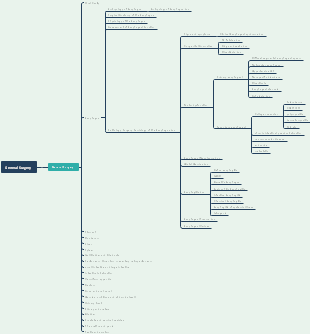
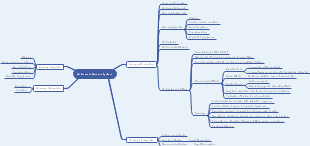
TGFH.This is a mind map about the symptoms, diagnosis, and management of Gastroesophageal Reflux Disease (GORD). It outlines key symptomatic indicators such as heartburn and regurgitation, as well as extra-esophageal symptoms. The mind map details the diagnosis process, management strategies including lifestyle changes and medication options, and the importance of proton pump inhibitors (PPIs).
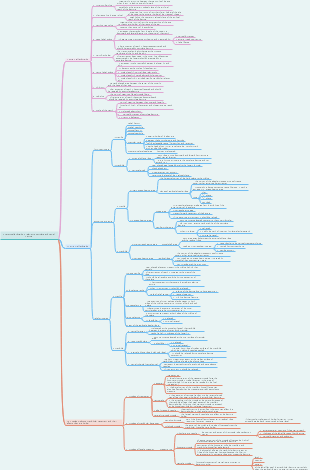
Edited at 2024-05-15 17:47:21This mind map elaborately explains introduction, symptoms, and management. It provides a comprehensive framework for understanding and dealing with specific diseases, including basic information about the disease, clinical manifestations, and treatment options, aiming to help medical professionals and patients better manage health issues.
TGFH.This is a mind map about the symptoms, diagnosis, and management of Gastroesophageal Reflux Disease (GORD). It outlines key symptomatic indicators such as heartburn and regurgitation, as well as extra-esophageal symptoms. The mind map details the diagnosis process, management strategies including lifestyle changes and medication options, and the importance of proton pump inhibitors (PPIs).
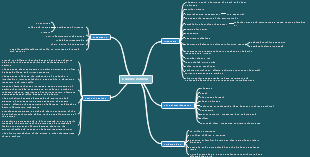
This mind map primarily describes content such as Symptoms, Diagnosis, and Lifestyle Changes. By interpreting these medical concepts, the map further reveals how diseases can be managed and treated through proper diagnosis and lifestyle adjustments.
This mind map elaborately explains introduction, symptoms, and management. It provides a comprehensive framework for understanding and dealing with specific diseases, including basic information about the disease, clinical manifestations, and treatment options, aiming to help medical professionals and patients better manage health issues.
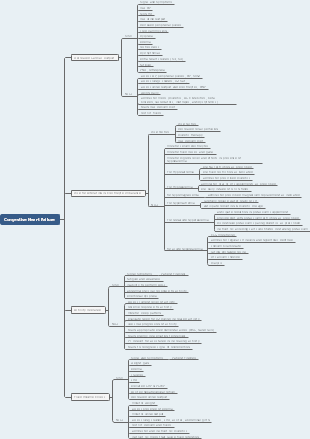
TGFH.This is a mind map about the symptoms, diagnosis, and management of Gastroesophageal Reflux Disease (GORD). It outlines key symptomatic indicators such as heartburn and regurgitation, as well as extra-esophageal symptoms. The mind map details the diagnosis process, management strategies including lifestyle changes and medication options, and the importance of proton pump inhibitors (PPIs).
This mind map primarily describes content such as Symptoms, Diagnosis, and Lifestyle Changes. By interpreting these medical concepts, the map further reveals how diseases can be managed and treated through proper diagnosis and lifestyle adjustments.
(GORD)
1. symptoms
I. symptomatic
heartburn
regurgitation
II. Extra-oesophageal symptoms
cough, laryngitis,
asthma, or dental erosion
III. Atypical symptoms
dyspepsia, epigastric pain, nausea, bloating, and belching.
Small business management characteristics
2. MANEGMENT
重点少关注人,多关注事,围绕事培养人
Diagnosis
Heartburn and regurgitation are the most reliable symptoms.
These often occur after meals, especially large or fatty meals.
Symptoms may be worse when the patient is lying down or bending over.
Customers are willing to pay
Alarm symptoms
(anaemia, dysphagia, haematemesis, melaena, persistent vomiting, or involuntary weight ---- loss) raise the possibility of oesophagitis, peptic stricture, or cancer.
While typical patients may be given a therapeutic trial of proton-pump inhibitors (PPIs)
those with long-standing or alarm symptoms warrant additional investigation.
Those who do not respond to PPIs also merit further evaluation for complications or other conditions.
Typical symptoms
要设定目标,但不要被目标束缚
A short trial (8 weeks) of a PPI and lifestyle therapy, should be started in patients with typical symptoms, namely heartburn and regurgitation.
Symptom relief is presumed to be diagnostic, but failure of PPI treatment does not exclude GORD.
business
MANAGEMENTout LINES
The main goals of treatment are to control symptoms and to prevent complications.
Most patients with GORD require prolonged pharmacotherapy with acid suppressants.
Proton-pump inhibitors (PPIs) are the most effective drugs.
需要准备什么,会有什么成果
lifestyle changes:
weight loss for overweight people; smoking cessation for tobacco smokers; head-of-bed-elevation; and avoidance of late-night eating if nocturnal symptoms are present.
Specific food eliminations (e.g., chocolate, caffeine, alcohol, acidic and/or spicy foods) are not required unless selective changes provide individual benefit.
Lack of enforcement details
Management of mild and typical GORD
Initial treatment with PPI
For patients who present with typical, regular heartburn and NO alarm symptoms, treatment should be started with standard-dose PPIs for about 8 weeks in combination with lifestyle changes.
risks of long-term (PPI) therapy osteoporosis, bone fracture, pneumonia, dementia, hypomagnesaemia, Clostridium difficile-associated diarrhoea, chronic kidney disease, and stroke. -increased risk of type 2 diabetes in people who used PPIs for >2 years.
It is recommended to start treatment with the lowest effective dose of PPI. After achieving adequate symptom control, the PPI should be tapered to the lowest effective dose.
Complications: Barrett's oesophagus,oesophageal ulcer, haemorrhage, or perforation adenocarcinoma of the oesophagus, oesophageal stricture
Inadequate response to initial therapy
If there is absent or inadequate response, treatment can proceed to high-dose PPI. If it is not possible to use a high-dose PPI, some patients respond to switching the PPI. More than one switch of PPI is not recommended.
Endoscopy is recommended for patients who do not respond to initial therapy.
Bedtime adjunctive use of an H2 antagonist may be considered in people with nocturnal symptoms.
Patients who respond to therapy will often need long-term maintenance treatment.
明确且能量化
Maintenance PPI therapy is recommended for those who have symptoms when the PPI is discontinued, and for those with erosive oesophagitis and Barrett's oesophagus.
Some people with non-erosive reflux disease (NERD) may be able to use on-demand or intermittent PPI therapy.
Several studies have highlighted the risks associated with long-term use of PPIs; therefore, attempts to stop or reduce the dose to the minimum necessary to maintain symptomatic control should always be pursued.
DOSES
standars doses omeprazole: 20 once OR omeprazole/sodium bicarbonate: 20/1100 mg to 40/1100 mg once OR esomeprazole: 20-40 once OR rabeprazole: 20 mg once OR pantoprazole: 40 mg once OR lansoprazole: 15-30 mg once OR dexlansoprazole: 30-60 mg once
MAXIMUM dose: omeprazole: 20 mg twice OR esomeprazole: 40 mg twice OR rabeprazole: 20 mg twice OR pantoprazole: 40 mg twice OR lansoprazole: 30 mg twice OR dexlansoprazole: 60 mg once
What are the results after execution?
What issues need to be resolved?
What progress needs to be made?
3. PPIs
omeprazol
Administer 30 to 60 minutes before a meal.
Esomeprazole
Take at least 1 hour before meal.
Dexlansoprazole
without regard to meals
Rabeprazole
Capsules: Take 30 minutes before a meal. when used for the eradication of Helicobacter pylori, administer with the morning and evening meals.
pantoprazol & lansoprazol
Administer 30 to 60 minutes before a meal