MindMap Gallery peptic ulcer
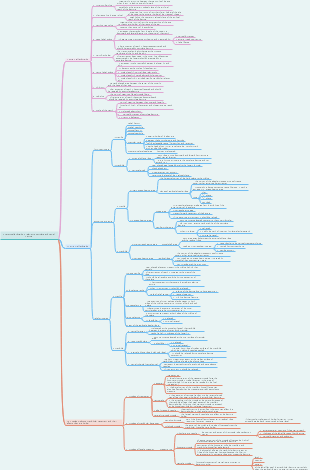
This mind map elaborately explains introduction, symptoms, and management. It provides a comprehensive framework for understanding and dealing with specific diseases, including basic information about the disease, clinical manifestations, and treatment options, aiming to help medical professionals and patients better manage health issues.
Edited at 2024-05-22 17:24:27This mind map elaborately explains introduction, symptoms, and management. It provides a comprehensive framework for understanding and dealing with specific diseases, including basic information about the disease, clinical manifestations, and treatment options, aiming to help medical professionals and patients better manage health issues.
TGFH.This is a mind map about the symptoms, diagnosis, and management of Gastroesophageal Reflux Disease (GORD). It outlines key symptomatic indicators such as heartburn and regurgitation, as well as extra-esophageal symptoms. The mind map details the diagnosis process, management strategies including lifestyle changes and medication options, and the importance of proton pump inhibitors (PPIs).
This mind map primarily describes content such as Symptoms, Diagnosis, and Lifestyle Changes. By interpreting these medical concepts, the map further reveals how diseases can be managed and treated through proper diagnosis and lifestyle adjustments.
This mind map elaborately explains introduction, symptoms, and management. It provides a comprehensive framework for understanding and dealing with specific diseases, including basic information about the disease, clinical manifestations, and treatment options, aiming to help medical professionals and patients better manage health issues.
TGFH.This is a mind map about the symptoms, diagnosis, and management of Gastroesophageal Reflux Disease (GORD). It outlines key symptomatic indicators such as heartburn and regurgitation, as well as extra-esophageal symptoms. The mind map details the diagnosis process, management strategies including lifestyle changes and medication options, and the importance of proton pump inhibitors (PPIs).
This mind map primarily describes content such as Symptoms, Diagnosis, and Lifestyle Changes. By interpreting these medical concepts, the map further reveals how diseases can be managed and treated through proper diagnosis and lifestyle adjustments.
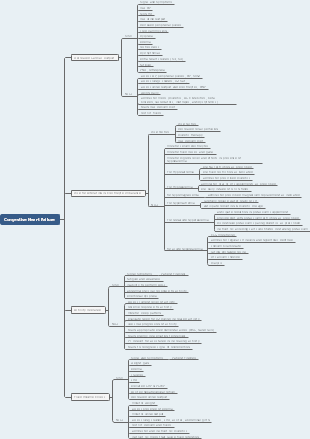
PEPTIC ULCER
1. introduction
I. Peptic ulcers
Peptic ulcers usually present as chronic, upper abdominal pain related to eating a meal (dyspepsia).
the most common causes
Use of (NSAIDs).
H- pylori infection.
There may be some epigastric tenderness, but often there are no othersigns on physical examination.
Gastric and duodenal ulcers may cause occult blood loss and iron deficiency anaemia
In general, duodenal ulcers are the result of hypersecretion of gastric acid related to H pylori infection.
II. symptoms
A common clinical feature is :
chronic or recurrent abdominal pain or discomfort centred in the upper abdomen.
dyspepsia
This symptom is commonly related to eating and is often nocturnal. However, the absence of epigastric pain does not rule out the diagnosis.
In patients with duodenal ulcers, the abdominal pain may besevere and radiate through to the back as a result of penetration of the ulcer posteriorly into the pancreas.
may be some epigastric tenderness.
III. Risk factors
H-pylori infection
(NSAID) use
The risk of NSAID-induced ulcers increases with increasing age (>60 years), a history of peptic ulcer, high doses of NSAIDs and longer duration of use, H-PYLORI infection, and concurrent use of corticosteroid
NSAIDs more commonly cause gastric ulcers than duodenal ulcers.
Stopping NSAID use (and treating H pylori, if present) reduces ulcer recurrence. If NSAID use cannot be stopped, coprescription with a proton-pump inhibitor reduces recurrence.
Smoking
increasing age
2. MANEGMENT
重点少关注人,多关注事,围绕事培养人
NO active bleeding:H-pylori negative
For patients on (NSAIDs) with a diagnosed peptic ulcer, stop the NSAID where possible.
Start ulcer healing therapy, Offer full-dose PPI therapy for 4 to 8 weeks to patients who are H pylor negative.
Adverse effects of PPI therapy
diarrhoea, nausea
ncreases in gastrin levels.
mask the symptoms of gastric cancer.
SEVER HYPO MG
H2 antagonist
(e.g., famotidine, nizatidine) if the patient is unresponsive to a PPI. H2 antagonists are less effective than PPIs, but induce healing in the majority of patients.
Treatment course: 4 to 8 weeks. famotidine: 40 mg orally once daily at night. nizatidine: 300 mg orally once daily at night
NO active bleeding:H-pylori positive
A PPI plus amoxicillin plus either clarithromycin or metronidazole is the recommended first-line treatment option.
No penicillin allergy ( TRIPLE therapy) esomeprazole: 20 mg orally twice dailyor lansoprazole: 30 mg orally twice daily Or omeprazole: 20-40 mg orally twice daily or pantoprazole: 40 mg orally twice daily or rabeprazole: 20 mg orally twice daily -- AND -- amoxicillin: 1000 mg orally twice daily -- AND --clarithromycin: 500 mg orally (immediate-release) twice daily Or metronidazole: 400 mg orally twice daily Treatment course: 7 days.
PPI plus metronidazole plus levofloxacin
Consider offering ulcer healing therapy with a full-dose PPI or H2,antagonist for 8 weeks after eradication therapy is complete.
with long-term use of NSAID drugs or low-dose aspirin
Start ulcer healing therapy with a full-dose proton-pump inhibitor [PPI] or H2 antagonist for 8 weeks.
Then offer H pylori eradication therapy (typically a 7 day course of triple therapy [PPI + two antibiotics])