Wondershare EdrawMind
MindMap Gallery super learning project
super learning project
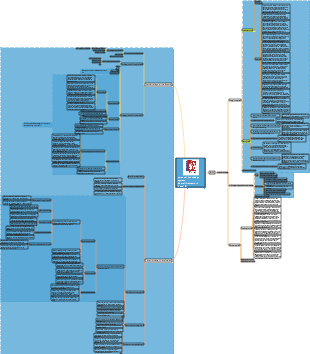
Super learning is a learning strategy, and we need to become super learners. This picture tells about doing research, arranging time, executing the plan, reviewing the results, etc.
Edited at 2022-04-22 12:30:04
- Aeon SWOT Analysis
Discover how Aeon can navigate the competitive online landscape with a strategic SWOT analysis. This comprehensive overview highlights Aeon’s strengths, such as its strong brand recognition, omnichannel capabilities, and customer loyalty programs, alongside its weaknesses, including digital maturity gaps and cost structure challenges. Opportunities for growth include enhancing e-commerce competitiveness and leveraging data-driven strategies, while threats from online-first players and market dynamics require attention. Explore how Aeon can strengthen its market position through innovation and customer-centric approaches in the ever-evolving retail environment.
- Aeon Market Segmentation, Targeting and Positioning Analysis
Discover how Aeon effectively tailors its offerings to meet the diverse needs of family-oriented consumers through a comprehensive Segmentation, Targeting, and Positioning (STP) analysis. Our approach begins with demographic segmentation, examining family life stages, household sizes, income levels, and parent age bands to identify distinct consumer groups. Geographic segmentation highlights store catchment types and community characteristics, while psychographic segmentation delves into family values and lifestyle orientations. Behavioral segmentation focuses on shopping missions, price sensitivity, and channel preferences. Finally, needs-based segmentation reveals core family needs related to value and budget considerations. Join us as we explore these insights to enhance family shopping experiences at Aeon.
- Nike Market Segmentation, Targeting and Positioning Analysis
Discover the dynamics of sneaker transactions with our Kream Sneaker Consumption Scene Analysis Template. This comprehensive framework aims to visualize the purchasing and consumption journeys of sneakers, identifying key demand drivers and obstacles. It covers user behavior within Kream and external influences, targeting various sneaker categories over specific timeframes and regions. The analysis defines user segments, including collectors, resellers, sneakerheads, casual trend followers, and gift purchasers, each with unique values and KPIs. It outlines the consumption journey from awareness to resale, highlighting critical touchpoints such as search, purchase, inspection, and sharing experiences. Key performance indicators are established to measure engagement and satisfaction throughout the process. Join us in exploring the intricate world of sneaker trading!
super learning project
- Aeon SWOT Analysis
Discover how Aeon can navigate the competitive online landscape with a strategic SWOT analysis. This comprehensive overview highlights Aeon’s strengths, such as its strong brand recognition, omnichannel capabilities, and customer loyalty programs, alongside its weaknesses, including digital maturity gaps and cost structure challenges. Opportunities for growth include enhancing e-commerce competitiveness and leveraging data-driven strategies, while threats from online-first players and market dynamics require attention. Explore how Aeon can strengthen its market position through innovation and customer-centric approaches in the ever-evolving retail environment.
- Aeon Market Segmentation, Targeting and Positioning Analysis
Discover how Aeon effectively tailors its offerings to meet the diverse needs of family-oriented consumers through a comprehensive Segmentation, Targeting, and Positioning (STP) analysis. Our approach begins with demographic segmentation, examining family life stages, household sizes, income levels, and parent age bands to identify distinct consumer groups. Geographic segmentation highlights store catchment types and community characteristics, while psychographic segmentation delves into family values and lifestyle orientations. Behavioral segmentation focuses on shopping missions, price sensitivity, and channel preferences. Finally, needs-based segmentation reveals core family needs related to value and budget considerations. Join us as we explore these insights to enhance family shopping experiences at Aeon.
- Nike Market Segmentation, Targeting and Positioning Analysis
Discover the dynamics of sneaker transactions with our Kream Sneaker Consumption Scene Analysis Template. This comprehensive framework aims to visualize the purchasing and consumption journeys of sneakers, identifying key demand drivers and obstacles. It covers user behavior within Kream and external influences, targeting various sneaker categories over specific timeframes and regions. The analysis defines user segments, including collectors, resellers, sneakerheads, casual trend followers, and gift purchasers, each with unique values and KPIs. It outlines the consumption journey from awareness to resale, highlighting critical touchpoints such as search, purchase, inspection, and sharing experiences. Key performance indicators are established to measure engagement and satisfaction throughout the process. Join us in exploring the intricate world of sneaker trading!
- Recommended to you
- Outline