MindMap Gallery Aeon Market Segmentation, Targeting and Positioning Analysis
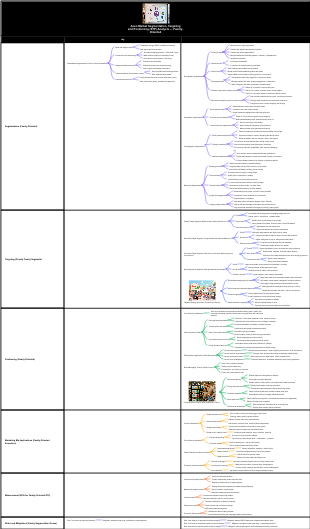
Discover how Aeon effectively tailors its offerings to meet the diverse needs of family-oriented consumers through a comprehensive Segmentation, Targeting, and Positioning (STP) analysis. Our approach begins with demographic segmentation, examining family life stages, household sizes, income levels, and parent age bands to identify distinct consumer groups. Geographic segmentation highlights store catchment types and community characteristics, while psychographic segmentation delves into family values and lifestyle orientations. Behavioral segmentation focuses on shopping missions, price sensitivity, and channel preferences. Finally, needs-based segmentation reveals core family needs related to value and budget considerations. Join us as we explore these insights to enhance family shopping experiences at Aeon.
Edited at 2026-03-26 01:23:02Discover how Aeon can navigate the competitive online landscape with a strategic SWOT analysis. This comprehensive overview highlights Aeon’s strengths, such as its strong brand recognition, omnichannel capabilities, and customer loyalty programs, alongside its weaknesses, including digital maturity gaps and cost structure challenges. Opportunities for growth include enhancing e-commerce competitiveness and leveraging data-driven strategies, while threats from online-first players and market dynamics require attention. Explore how Aeon can strengthen its market position through innovation and customer-centric approaches in the ever-evolving retail environment.

Discover how Aeon effectively tailors its offerings to meet the diverse needs of family-oriented consumers through a comprehensive Segmentation, Targeting, and Positioning (STP) analysis. Our approach begins with demographic segmentation, examining family life stages, household sizes, income levels, and parent age bands to identify distinct consumer groups. Geographic segmentation highlights store catchment types and community characteristics, while psychographic segmentation delves into family values and lifestyle orientations. Behavioral segmentation focuses on shopping missions, price sensitivity, and channel preferences. Finally, needs-based segmentation reveals core family needs related to value and budget considerations. Join us as we explore these insights to enhance family shopping experiences at Aeon.
Discover the dynamics of sneaker transactions with our Kream Sneaker Consumption Scene Analysis Template. This comprehensive framework aims to visualize the purchasing and consumption journeys of sneakers, identifying key demand drivers and obstacles. It covers user behavior within Kream and external influences, targeting various sneaker categories over specific timeframes and regions. The analysis defines user segments, including collectors, resellers, sneakerheads, casual trend followers, and gift purchasers, each with unique values and KPIs. It outlines the consumption journey from awareness to resale, highlighting critical touchpoints such as search, purchase, inspection, and sharing experiences. Key performance indicators are established to measure engagement and satisfaction throughout the process. Join us in exploring the intricate world of sneaker trading!
Discover how Aeon can navigate the competitive online landscape with a strategic SWOT analysis. This comprehensive overview highlights Aeon’s strengths, such as its strong brand recognition, omnichannel capabilities, and customer loyalty programs, alongside its weaknesses, including digital maturity gaps and cost structure challenges. Opportunities for growth include enhancing e-commerce competitiveness and leveraging data-driven strategies, while threats from online-first players and market dynamics require attention. Explore how Aeon can strengthen its market position through innovation and customer-centric approaches in the ever-evolving retail environment.
Discover how Aeon effectively tailors its offerings to meet the diverse needs of family-oriented consumers through a comprehensive Segmentation, Targeting, and Positioning (STP) analysis. Our approach begins with demographic segmentation, examining family life stages, household sizes, income levels, and parent age bands to identify distinct consumer groups. Geographic segmentation highlights store catchment types and community characteristics, while psychographic segmentation delves into family values and lifestyle orientations. Behavioral segmentation focuses on shopping missions, price sensitivity, and channel preferences. Finally, needs-based segmentation reveals core family needs related to value and budget considerations. Join us as we explore these insights to enhance family shopping experiences at Aeon.
Discover the dynamics of sneaker transactions with our Kream Sneaker Consumption Scene Analysis Template. This comprehensive framework aims to visualize the purchasing and consumption journeys of sneakers, identifying key demand drivers and obstacles. It covers user behavior within Kream and external influences, targeting various sneaker categories over specific timeframes and regions. The analysis defines user segments, including collectors, resellers, sneakerheads, casual trend followers, and gift purchasers, each with unique values and KPIs. It outlines the consumption journey from awareness to resale, highlighting critical touchpoints such as search, purchase, inspection, and sharing experiences. Key performance indicators are established to measure engagement and satisfaction throughout the process. Join us in exploring the intricate world of sneaker trading!
Aeon Market Segmentation, Targeting and Positioning (STP) Analysis — Family-Oriented
Segmentation (Family-Oriented)
Demographic Segmentation
Family life stage
Newly married / expecting parents
Families with toddlers and preschool children
Families with school-aged children
Multi-generational households (parents + children + grandparents)
Single-parent families
Household size
3–4 member households
5+ member households (bulk-buy potential)
Income level
Value-seeking lower-middle income families
Middle income families balancing value and quality
Upper-middle income families seeking premium + convenience
Parent age bands
Young parents (20s–30s): digital-first, convenience-driven
Mid-age parents (30s–40s): budget management + health focus
Older caregivers (40s–60s): practicality + trusted brands
Children’s age bands (category driver)
Babies (0–2): diapers, formula, baby care
Kids (3–12): snacks, lunchbox items, school supplies
Teens (13–18): larger portions, electronics, fashion, sports
Education/occupation (proxy for preferences)
Dual-income professionals: time-poor, convenience-focused
Working-class households: price-sensitive, bulk value
Caregiver-at-home: routine shopping, deal hunting
Geographic Segmentation
Store catchment type
Urban/suburban communities near Aeon malls
Commuter towns with family housing
Dense residential neighborhoods requiring quick trips
Proximity and accessibility
Within 5–10 km radius: frequent top-up shopping
Mall-based destination trips: weekly/biweekly stock-up
Local community characteristics
School zones (high child density)
New housing developments (young families)
Mature estates (multi-generational families)
Psychographic Segmentation
Family values and priorities
Family-first planners: prioritize household stability and savings
Experience seekers: combine shopping with family leisure
Health guardians: focus on nutrition, safety, and hygiene
Lifestyle orientations
Convenience-oriented families (time saving, ready-to-eat)
Home-cooking families (fresh ingredients, meal prep)
Eco-conscious families (sustainable, refill, reduced packaging)
Attitudes toward brands
Trust seekers: prefer reputable brands and certifications
Private label adopters: accept store brands if quality is consistent
Premium treaters: trade up for children or special occasions
Behavioral Segmentation
Shopping mission
Weekly household stock-up (basket-building)
Daily/near-daily top-up (fresh, lunchbox, quick meals)
Event-driven (birthdays, holidays, school events)
Price sensitivity
Promotion-driven (coupons, weekly deals)
Hybrid (mix of promotions + staples)
Low sensitivity (convenience/premium-led)
Channel behavior
In-store dominant (fresh selection, family outings)
Omnichannel (online reorder + in-store fresh)
Online-first families (delivery for bulky staples)
Loyalty and engagement
Membership users (points, vouchers, family bundles)
Occasional visitors (seasonal or promotional)
Brand-switchers vs loyalists
Category usage patterns
High baby-care consumption (diapers, wipes, formula)
High snack and beverage consumption (school and leisure)
High household essentials consumption (cleaning, paper goods)
Needs-Based Segmentation (Core for Family Orientation)
Value and budget control
Predictable savings (EDLP or reliable promotions)
Bulk packs and family bundles
Convenience and time saving
One-stop shopping (groceries + household + kids)
Meal solutions (ready-to-cook/ready-to-eat)
Fast checkout (self-checkout, scan & go)
Health and safety assurance
Freshness and food safety
Child-safe products and trusted sourcing
Clear nutrition and allergen information
Child development and education support
School supplies and learning products
Kids’ apparel and essentials
Comfort and experience
Family-friendly store environment (wide aisles, carts)
Kids’ areas, family dining, entertainment adjacency
Segment families by who they are (demo), where they live (geo), what they value (psycho), how they shop (behavior), and what they need most (needs-based).
Targeting (Priority Family Segments)
Primary Target Segment: Middle-income, family-with-kids (3–12)
Profile
Household with working parents managing budget and time
Needs: value + convenience + reliable quality
Key drivers
Weekly stock-up plus frequent top-up trips
Strong demand for snacks, lunchbox items, household staples
Desired outcomes
High basket size and repeat visits
High membership and promotion participation
Secondary Target Segment: Young families with babies/toddlers (0–2)
Profile
New/early-stage parents with high recurring needs
Key drivers
Frequent purchases: diapers, wipes, formula, baby toiletries
Higher willingness to pay for safety and trusted brands
Desired outcomes
Long-term loyalty through lifecycle marketing
Subscription/reorder behavior for staples
Secondary Target Segment: Dual-income, time-poor families (premium convenience)
Profile
Higher disposable income, prioritizes time-saving solutions
Key drivers
Ready meals, meal kits, click-and-collect, delivery
Preference for curated assortments and quick shopping journeys
Desired outcomes
Higher margin categories
Strong omnichannel adoption
Niche/Opportunity Segment: Multi-generational households
Profile
Larger households, mixed preferences (traditional + modern)
Key drivers
Bulk purchases, broad assortment needs
Health products for elders + kid essentials
Desired outcomes
Larger baskets, cross-category penetration
Targeting Strategy (How Aeon Chooses and Serves)
Differentiated targeting by life stage
Baby stage: baby club, essentials bundles, safety assurance
Kids stage: school-season campaigns, lunchbox solutions
Teens stage: larger portions, electronics/fashion tie-ins
Store format and catchment alignment
Mall hypermarket: destination family stock-up + leisure
Neighborhood format: fast fresh + top-up convenience
Channel targeting
Online replenishment for bulky family staples
In-store experience for fresh and family outings
Value architecture targeting
Entry-price private label for staples
Mid-tier national brands for trust
Premium lines for treat and health-focused families
Prioritize the 3–12 kids segment, retain early-stage baby parents, monetize time-poor premium convenience, and expand baskets via multi-generational households through life-stage, format, channel, and price-tier targeting.
Positioning (Family-Oriented)
Core Positioning Statement
Aeon is the trusted one-stop family destination offering value, quality, and convenient shopping experiences that make everyday family life easier and healthier.
Value Proposition Pillars
One-stop family destination
Groceries + household essentials + kids’ needs in one trip
Seasonal and event solutions (school, holidays, birthdays)
Trusted quality and safety
Freshness standards, traceability, reputable sourcing
Child-friendly and health-forward assortments
Value for the whole family
Competitive pricing on staples
Family bundles, multi-buy deals, strong private label
Convenience and time saving
Quick shopping layout, fast checkout
Omnichannel options (delivery/click & collect)
Family-friendly experience
Comfortable stores (wide aisles, facilities for children)
Integration with mall dining/entertainment for family outings
Differentiation (Against Key Retail Alternatives)
Versus discount grocers
Broader family assortment + better shopping environment + mall convenience
Versus premium supermarkets
Stronger value and promotions while maintaining reliable quality
Versus convenience stores
Better value per unit, larger packs, fuller household shop
Versus online marketplaces
Freshness assurance, immediate availability, family outing experience
Brand Messaging Themes (Family-Centric)
Save more on family essentials
Healthy choices made easy
Everything for your family in one place
Fresh, safe, and trusted for kids
Positioning Proof Points (What Supports the Claim)
Assortment strategy
Robust staples and bulk packs for families
Strong baby and kids categories
Healthy options: fresh produce, low-sugar snacks, balanced meals
Pricing and promotions
Weekly family deals, multi-buy promotions
Private label value alternatives without sacrificing quality
Customer programs
Family-oriented loyalty tiers, birthday rewards, baby club
Personalized offers by life stage (baby/kids/school)
Store experience
Family facilities (nursing room, kids-friendly amenities where applicable)
Efficient checkout and navigation
Omnichannel enablement
Easy reorder lists, subscriptions for recurring items
Delivery slots suited to family schedules
Position Aeon as trusted, one-stop, value-plus-quality, and time-saving—proved through assortment, pricing, programs, store design, and omnichannel execution.
Marketing Mix Implications (Family-Oriented Execution)
Product (Assortment)
Family essentials core
Rice, noodles, cooking oils, dairy, eggs, frozen foods
Cleaning, paper goods, hygiene products
Kids and baby focus
Diapers, formula, baby food, gentle skincare
Kids snacks, lunchbox items, vitamins (where appropriate)
Healthy family range
Fresh produce emphasis, lean proteins, whole grains
Reduced-sugar beverages and snack alternatives
Ready-to-eat / ready-to-cook
Weeknight meal solutions, bento, rotisserie, meal kits
Price (Value Architecture)
Family basket pricing
Price lock on high-frequency staples
Tiered pricing: value private label → mainstream → premium
Promotion design
Stock-up deals (bulk) + top-up deals (fresh)
School season bundles and family weeks
Place (Channels and Store Formats)
Hypermarket/mall format
Weekly destination shopping + family leisure
Smaller formats
Convenient neighborhood top-up for busy parents
Digital commerce
Click & collect for planned orders
Delivery for bulky staples and baby items
Promotion (Communication)
Lifecycle campaigns
New baby essentials, Back-to-school, Family health month
Content and community
Meal planning content, lunchbox ideas, budgeting tips
In-store events: sampling, kids activities, school collaborations
Personalization
App-based coupons tailored to family stage and basket history
Measurement (KPIs for Family-Oriented STP)
Customer and loyalty metrics
Family household penetration
Loyalty membership growth and active rate
Repeat purchase rate by life stage segment
Basket and category metrics
Average basket size and items per basket (family shoppers)
Share of wallet in family staples
Baby/kids category growth and retention
Channel metrics
Omnichannel adoption rate among families
Reorder/subscription rate for recurring items
Experience metrics
Customer satisfaction for family friendliness
Checkout time and convenience ratings
NPS among parents/caregivers
Promotion effectiveness
Redemption rates for family bundles
Incremental lift from lifecycle campaigns (baby, school season)
Risks and Mitigations (Family Segmentation Focus)
Risk: Over-reliance on promotions reduces margins
Mitigation: balance EDLP staples with targeted personalized offers
Risk: Convenience competitors capture time-poor families
Mitigation: strengthen ready-meal range + fast pickup/checkout
Risk: Trust issues in baby/child products
Mitigation: transparent sourcing, certifications, recall readiness
Risk: Assortment complexity across family life stages
Mitigation: modular planograms and localized assortment by catchment