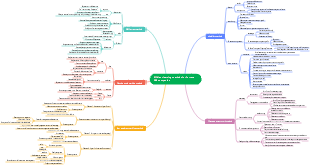
MindMap Gallery Feynman Learning Method Reading Notes
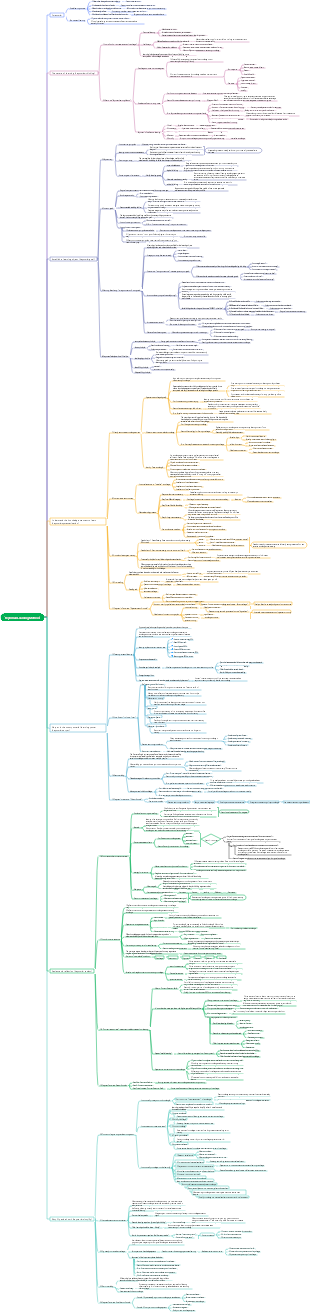
Reading notes: Feynman learning method-use output to force input. Historical conditions for the emergence of commodity economy: Capitalist commodity economy is based on private ownership of the means of production and wage labor, and is an advanced or developed form of commodity economy.
Edited at 2022-10-20 13:39:27This mind map analyzes favorites and dark horses for the 2026 FIFA World Cup, hosted by the USA, Canada, and Mexico. With the expansion to 48 teams, the competitive landscape has shifted. The objective is to identify top contenders and surprise packages. Key performance indicators include prediction accuracy and user engagement. Favorites: A Clear Top Four Spain emerges as the consensus front-runner at +400 odds. They are reigning European champions, powered by Lamine Yamal and Ballon d‘Or winner Rodri. France follows at +600, possessing the deepest talent pool led by Kylian Mbappé. They have reached the previous two finals. England ranks third at +550, qualifying with a perfect record: eight wins, zero goals conceded. New manager Thomas Tuchel has instilled defensive solidity. Argentina, the defending champions, sits fourth at +800. Lionel Messi, now 39, leads what is likely his final World Cup. Dark Horses: Potential Surprises Ecuador is a compelling dark horse on a 17-match unbeaten streak, keeping 13 clean sheets. Their counter-attacking style, anchored by Moisés Caicedo, suits knockout football. Japan has defeated Germany, Spain, and Brazil since 2022. Their well-drilled pressing system could surpass their previous Round of 16 ceiling. Norway qualifies for their first World Cup since 1998. Erling Haaland makes them a threat against any opponent. Colombia, led by Luis Díaz, sits at the intersection of dark horse and fringe favorite. Host nations USA (+5000) and Mexico (+6500) have home-soil advantage but face long odds. Conclusion Spain enters as the team to beat, but France, England, and Argentina remain contenders. Among dark horses, Ecuador‘s defensive solidity, Japan’s tactical discipline, and Norway‘s offensive firepower make them most likely to exceed expectations. This mind map is created with EdrawMax and EdrawMind, serving as an essential guide for analysts and fans.

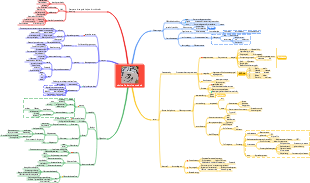
Discover the transformative power of AI in our community with this engaging introduction! In this discussion, we will explore three main topics the definition and fundamentals of AI, its applications across various industries, and the ethical considerations surrounding its use. Firstly, we will delve into what AI(This content is AI-generated. It is for reference only)
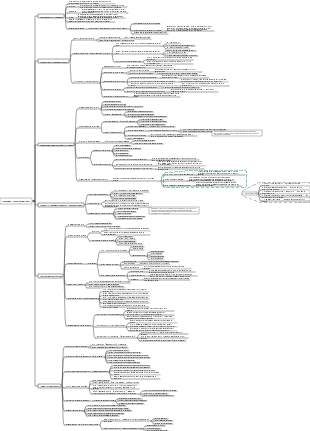
장가계 5일 4박 심층 여행 가이드 템플릿 — EdrawMind로 제작된 한국인 맞춤형 여행 계획 마인드맵으로, 중국 장가계 여행을 체계적으로 준비하고 실행할 수 있도록 돕는 전문 시각화 도구입니다. 이 템플릿은 여행의 전 과정을 아우르는 5대 핵심 모듈(출발 전 준비사항·추천 체험·실용 팁·유의사항·일차별 세부 일정)으로 구성되어 있으며, 각 단계별로 필수 정보를 한눈에 파악할 수 있도록 설계되었습니다. 출발 전 준비사항에서는 한국 여권 소지자의 비자 규정(15일 체류 무비자), 최적 여행 시기(4~10월, 특히 4월과 10월 추천), 현지 교통 안내(장가계 화이국제공항에서 직통 버스 3시간 소요), 필수 준비물(등산화·우산·보조배터리·위장막 등)까지 실용적인 정보를 제공합니다. 추천 체험에서는 부모님과 함께하는 효도 여행·한국 드라마 촬영지 탐방·고봉에서의 평지 방문·우황채에서의 짚라인 체험 등 장가계만의 특별한 활동을 제안하며, 전통문화 체험으로 무투자 문화촌의 공연과 송품 체험을 소개합니다. 실용 팁에서는 주요 관광지 내 한국어 안내 서비스 운영, 현지 음식점의 한국어 메뉴 지원, 무료 셔틀버스 이용 안내, 예산 계획(1인당 2000~3000위안)까지 한국인 여행객의 편의를 고려한 정보를 담고 있습니다. 유의사항에서는 환율 기준(2026년 4월 기준 1위안≈216.56원), 환전 팁, 명함 관광 피하기 등 안전하고 즐거운 여행을 위한 주의사항을 정리했습니다. 일차별 세부 일정은 1일차 도착과 시내 관광부터 5일차 문화 체험과 귀국까지 단계별로 구성되어 있습니다. 1일차는 공항 도착 후 호텔 체크인과 시내 맛집 탐방, 2일차는 장가계 국가삼림공원 산악 코스, 3일차는 산하·채곡 코스, 4일차는 텐먼산 국가삼림공원 관광, 5일차는 무투성 방문과 기념품 구매로 이어지며, 각 일차별로 이동 수단·숙박·식사·관광지의 세부 정보(요금·이동 시간·추천 활동)를 구체적으로 제시하여 여행의 혼란을 줄여줍니다. EdrawMind의 강력한 마인드맵 기능을 활용해 사용자는 자신의 여행 스타일에 맞춰 일정・예산・테마를 자유롭게 수정할 수 있으며, 한국어로 작성된 템플릿이라 편리하게 사용할 수 있습니다. 여행 계획 발표・동반자와의 일정 공유・개인 여행 기록 등 다양한场景에서 활용 가능하며, 전문적이고 체계적인 여행 계획을 쉽게 완성할 수 있도록 지원합니다.
This mind map analyzes favorites and dark horses for the 2026 FIFA World Cup, hosted by the USA, Canada, and Mexico. With the expansion to 48 teams, the competitive landscape has shifted. The objective is to identify top contenders and surprise packages. Key performance indicators include prediction accuracy and user engagement. Favorites: A Clear Top Four Spain emerges as the consensus front-runner at +400 odds. They are reigning European champions, powered by Lamine Yamal and Ballon d‘Or winner Rodri. France follows at +600, possessing the deepest talent pool led by Kylian Mbappé. They have reached the previous two finals. England ranks third at +550, qualifying with a perfect record: eight wins, zero goals conceded. New manager Thomas Tuchel has instilled defensive solidity. Argentina, the defending champions, sits fourth at +800. Lionel Messi, now 39, leads what is likely his final World Cup. Dark Horses: Potential Surprises Ecuador is a compelling dark horse on a 17-match unbeaten streak, keeping 13 clean sheets. Their counter-attacking style, anchored by Moisés Caicedo, suits knockout football. Japan has defeated Germany, Spain, and Brazil since 2022. Their well-drilled pressing system could surpass their previous Round of 16 ceiling. Norway qualifies for their first World Cup since 1998. Erling Haaland makes them a threat against any opponent. Colombia, led by Luis Díaz, sits at the intersection of dark horse and fringe favorite. Host nations USA (+5000) and Mexico (+6500) have home-soil advantage but face long odds. Conclusion Spain enters as the team to beat, but France, England, and Argentina remain contenders. Among dark horses, Ecuador‘s defensive solidity, Japan’s tactical discipline, and Norway‘s offensive firepower make them most likely to exceed expectations. This mind map is created with EdrawMax and EdrawMind, serving as an essential guide for analysts and fans.
Discover the transformative power of AI in our community with this engaging introduction! In this discussion, we will explore three main topics the definition and fundamentals of AI, its applications across various industries, and the ethical considerations surrounding its use. Firstly, we will delve into what AI(This content is AI-generated. It is for reference only)
장가계 5일 4박 심층 여행 가이드 템플릿 — EdrawMind로 제작된 한국인 맞춤형 여행 계획 마인드맵으로, 중국 장가계 여행을 체계적으로 준비하고 실행할 수 있도록 돕는 전문 시각화 도구입니다. 이 템플릿은 여행의 전 과정을 아우르는 5대 핵심 모듈(출발 전 준비사항·추천 체험·실용 팁·유의사항·일차별 세부 일정)으로 구성되어 있으며, 각 단계별로 필수 정보를 한눈에 파악할 수 있도록 설계되었습니다. 출발 전 준비사항에서는 한국 여권 소지자의 비자 규정(15일 체류 무비자), 최적 여행 시기(4~10월, 특히 4월과 10월 추천), 현지 교통 안내(장가계 화이국제공항에서 직통 버스 3시간 소요), 필수 준비물(등산화·우산·보조배터리·위장막 등)까지 실용적인 정보를 제공합니다. 추천 체험에서는 부모님과 함께하는 효도 여행·한국 드라마 촬영지 탐방·고봉에서의 평지 방문·우황채에서의 짚라인 체험 등 장가계만의 특별한 활동을 제안하며, 전통문화 체험으로 무투자 문화촌의 공연과 송품 체험을 소개합니다. 실용 팁에서는 주요 관광지 내 한국어 안내 서비스 운영, 현지 음식점의 한국어 메뉴 지원, 무료 셔틀버스 이용 안내, 예산 계획(1인당 2000~3000위안)까지 한국인 여행객의 편의를 고려한 정보를 담고 있습니다. 유의사항에서는 환율 기준(2026년 4월 기준 1위안≈216.56원), 환전 팁, 명함 관광 피하기 등 안전하고 즐거운 여행을 위한 주의사항을 정리했습니다. 일차별 세부 일정은 1일차 도착과 시내 관광부터 5일차 문화 체험과 귀국까지 단계별로 구성되어 있습니다. 1일차는 공항 도착 후 호텔 체크인과 시내 맛집 탐방, 2일차는 장가계 국가삼림공원 산악 코스, 3일차는 산하·채곡 코스, 4일차는 텐먼산 국가삼림공원 관광, 5일차는 무투성 방문과 기념품 구매로 이어지며, 각 일차별로 이동 수단·숙박·식사·관광지의 세부 정보(요금·이동 시간·추천 활동)를 구체적으로 제시하여 여행의 혼란을 줄여줍니다. EdrawMind의 강력한 마인드맵 기능을 활용해 사용자는 자신의 여행 스타일에 맞춰 일정・예산・테마를 자유롭게 수정할 수 있으며, 한국어로 작성된 템플릿이라 편리하게 사용할 수 있습니다. 여행 계획 발표・동반자와의 일정 공유・개인 여행 기록 등 다양한场景에서 활용 가능하며, 전문적이고 체계적인 여행 계획을 쉽게 완성할 수 있도록 지원합니다.
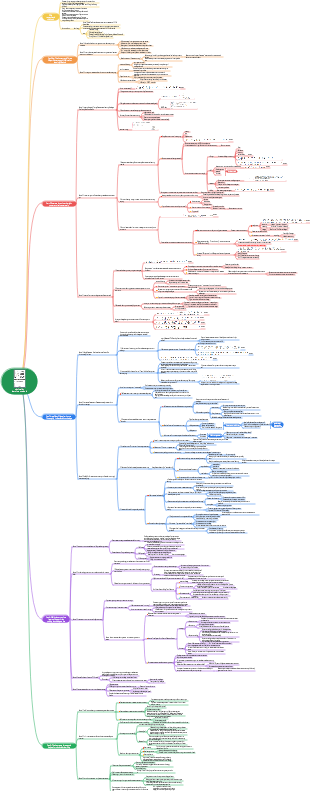
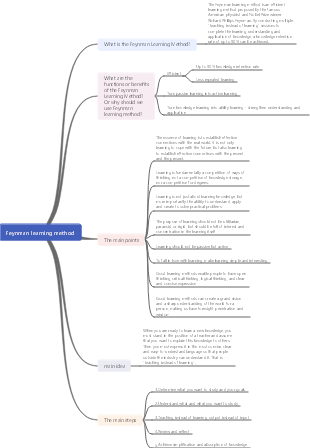
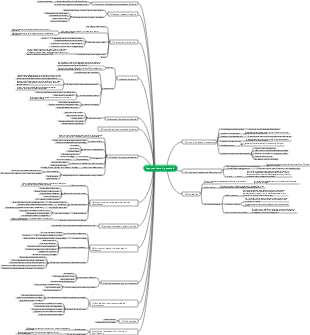
Feynman learning method
1. the nature of learning
Chapter 1 How difficult is it to master a piece of knowledge?
It’s getting easier to learn a game, but it’s getting harder to learn a piece of knowledge
Learning is not that difficult if you find the right method.
traditional learning methods
Mainly based on input
dogmatism
Standardized application
Feynman learning method
Foresight
Determine future trends by interpreting knowledge
Penetration
subtopic
wisdom
subtopic
Chapter 2 What is the Feynman Learning Method?
Four keywords
concept
Teaching instead of learning
evaluate
simplify
book
1. confirm target
2. Understand the goal
3. output
4. review
5. simplify
2. Establish a learning object
Chapter 3 Why we study
Two typical characteristics
obedience learning
instrumental learning
Know why you are studying
Pursue progress in four aspects
open-mindedness
critical thinking
logical thinking
Clear and concise expression
Chapter 4 Focus on goals
Learning should be easy, and a few simple steps can yield great results.
Focus on the important things without distractions
Think more clearly
Actions are targeted
How to find the right direction?
Ask yourself some key questions
future direction
focus of the moment
Make the most important things your own direction
How to find your true interests?
Interest is the motivation for all high-quality learning
P38
Chapter 5 Planning: Establishing “Strong Connections” with Goals
First, demonstrate the necessity of learning this knowledge
Second, confirm the substantial connection between the plan and the goal
Is it possible that your goals are wrong?
SMART principle
Chapter 6 Feynman Technique: The Goal Principle
comprehensiveness principle
focus principle
challenging principle
feasibility principle
Adjustability principle
3. Understand what we want to learn
Chapter 7 Summarizing and Comparing Sources of Knowledge
Systematize knowledge logically
Understand why you study
Have a wide enough field of view
Establish the most scientific logic possible
Filter and retain the most reliable knowledge
Establish logic
Clarify the purpose of learning
Establish considerable scientific learning logic
collect information
Lock down sources of knowledge
Form a complete knowledge framework
Classification comparison
Filter the knowledge you need
Retain reliable and important knowledge
Identify fake knowledge
90% of life is false knowledge
Block knowledge from uncertain sources
Be careful with differentiated knowledge
Use comparative methods to select and distinguish knowledge
Chapter 8 Forming a Thinking and Process Map
Horizontal Scaling: Making Knowledge “Visual”
Visualization of knowledge scenes (in-depth)
Visualization of knowledge relationships
Visualization of the learning process
Draw a learning process
Step one: short-term memory
Step Two: Mental Imagery
Refers to the abstract concepts that knowledge is formed in our brains in a visual way
Step Three: Double Encoding
cognitive psychology
One is based on language and characters
One is based on representational language
Step 4: Long-term memory
Success is achieved by converting it into long-term memory
Chapter 9 Principles of Reading and Memory
Look at the frame first and then read
Topic (what is it about)
Author (Qualification)
Structure (categories and subtopics of different sections)
It’s not that the more books you read, the better, but that you can obtain more useful information than others from less knowledge.
Chapter 10 The first retelling
Build long-term memory
Deepen your understanding of knowledge
More active learning
associate knowledge
Get feedback on an issue
three phases
The first stage: retelling based on impressions
The second stage: raising questions during the retelling
The third stage: add your own opinions in the retelling
Chapter 11: Feynman Technique: Systematization Principle
First, level: classification and comparison
Second, divergence: mind map
Third, convergence: knowledge structure
4. Output is the most powerful learning power
Chapter 12 Teaching instead of Learning
If you can't explain something simply to someone else, then you don't really understand it.
Everyone can understand
Concise and in-depth analysis
Simple and easy to understand language
Accurate and without ambiguity
speak with a certain depth
Add your own understanding
Strengthen cognition
subtopic
Chapter 13: Use “output” to force “input”
The "memory principle" of output
Memorization - coding
keep--store
Reproduce--Search
Memories - Consolidation
Scenario and thought simulation
Simulate the Narrator Scene
Simulate the interviewee’s scenario
Simulate the teacher’s scenario
Simulate the Skeptic Scenario
The output is active learning
High-quality active learning can change your destiny
Chapter 14 Second Retelling
problem to be solved
The input-output ratio is not high
Take advantage of breakout opportunities
An efficient way to learn independently during group discussions
Help you design a retelling outline and prepare some questions
Get honest reviews and advice from Listening
Infuse your soul with knowledge
Unique language skills
Explain your interpretation of knowledge based on actual facts
Express your personal analysis and opinions
Chapter 15 Feynman Technique: Output Principle
Scenario and thought simulation
Easy to understand language
Insights should have depth
Strengthen understanding of key knowledge
Use breakout sessions to get feedback
Five output principles, progressive and interconnected
5. Review and Reflection
Chapter 16 Doubt and exploration make us smarter
Filling in the gaps
blind dimension
Re-compare data and facts
correct
deepen impression
Incorrect
Is it my lack of knowledge that leads to misunderstanding?
Is there a problem with the viewpoint and logic of the original knowledge?
strategy for correction
Maintain a restless curiosity/doubt all conclusions
find gaps
Return to the essence of knowledge
Chapter 17 Seeking counter-evidence
Pay attention to negative evidence
opposite data
Logic loopholes
obsolete knowledge
Opposite authoritative opinion
When knowledge gets stuck: Go back to areas where you don’t understand clearly and find out the weak links
Controversy is the entry point for deep learning
avoid controversy upwards
resolve disputes downwards
There is no "most reliable" conclusion
Knowledge
deconstruct
Argument
Suspect
Reflection
Establish multi-angle analogy relationships with existing knowledge
system perspective
scientific perspective
Practical perspective
Chapter 18 “Content retention rate” determines the effectiveness of our learning
Learning Anxiety and the Paradox of Knowledge
subtopic
It’s not that the more you learn, the higher your efficiency will be.
Impetuous mentality in choosing knowledge
Behavioral blindness in the learning process
Not good at learning management
No own knowledge system
Don’t pay attention to learning methods
Clear learning direction
career direction
learning direction
knowledge attribute
to what extent
know and understand
Retell and convey
Practice and innovation
Improve retention rate
Review and re-learn
Organize and simplify
Systematize
Repeat useful learning
Focus on learning knowledge with the ability to grow
Targeted learning of modular knowledge
Resolutely refuse to learn fragmented knowledge
Pay attention to what is behind the knowledge
principled thinking
Chapter 19 The Feynman Technique: Reviewing the Principles
Doubt and explore
Seeking counter-evidence
Increase retention rate
6. Simplify and absorb
The ultimate goal of learning is to extract what we need and form our own knowledge system
Chapter 20 Too much of a good thing can cause indigestion
How to simplify the key points of knowledge?
Turn on the “importance switch” of knowledge
Return knowledge from complexity to simplicity
How do we absorb the parts we need?
knowledge absorptive capacity
The ability to acquire, simplify, assimilate, transform and innovate knowledge
acquire knowledge
make learning plan
Simplify knowledge
Refining the skeleton and key points
absorb knowledge
Teaching instead of learning, long-term memory
transform knowledge
ready to use
innovative knowledge
How to simplify knowledge in online learning?
Based on actual results
Strengthen the inspection of learning effects
Aimed at practical application
Combine practical knowledge with simplified knowledge
Value content that fosters connection
Avoid learning duplicate content on different platforms
Integrate with our current work
Pay attention to the growth of knowledge.
Chapter 21 Vertical (depth) expansion and improvement
vertical expansion
learn by analogy
Learning requires “green light thinking”
Anything is allowed
Note: "Red light thinking"-egocentrism
Learning should be "slow and fast"
Improvement requires “deliberate practice”
Cognitive horizon
cognitive depth
Focus on the nature of the research problem
lots of consistent practice
Start with what interests you
Chapter 22: Deep excavation and internalization of timely knowledge
Form your own knowledge system
Habits of deep mining and deep learning
Extending and strengthening skills
forward-looking understanding of knowledge
Systematic reinforcement of knowledge
Feynman's Five Important Opinions
Using notes to record core elements of knowledge
Be sure to greatly organize the knowledge you have learned
Structured induction and understanding of knowledge
Output and publish the knowledge you understand
Simplify, absorb and memorize knowledge
Chapter 23 The third retelling
Knowledge is not just used to lift stones under your feet, or to help you understand the past, but to help you understand the future.
Create original ideas
vicarious learning
Observe by reading the behavior, representation, evolution and results of learning objects, collect information, obtain valuable elements, and then deduce new knowledge
generate impactful knowledge
Chapter 24 Feynman Technique: The Principle of Simplification
Systematically dig into the knowledge you have learned
Required knowledge
Target important knowledge
Targeted at core knowledge
Form your own knowledge system
become an expert in a field
Focused and targeted
Build your own knowledge system
Matthew Effect P16
Once any individual, group or region achieves success and progress in a certain aspect (such as money, reputation, status, etc.), it will have an accumulated advantage and will have more opportunities to achieve greater success and progress.