MindMap Gallery Transportation and Distribution Management
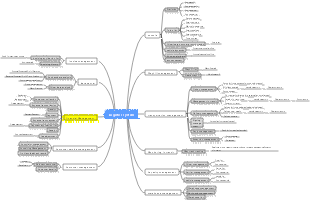
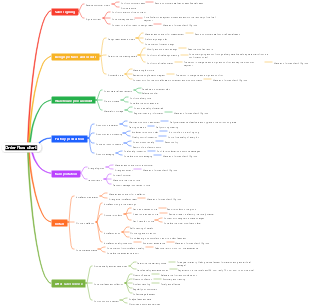
This is a mind map about transportation and distribution management. Transportation refers to the movement of items in space with the help of transportation capacity.
Edited at 2024-01-12 22:05:31Avatar 3 centers on the Sully family, showcasing the internal rift caused by the sacrifice of their eldest son, and their alliance with other tribes on Pandora against the external conflict of the Ashbringers, who adhere to the philosophy of fire and are allied with humans. It explores the grand themes of family, faith, and survival.

This article discusses the Easter eggs and homages in Zootopia 2 that you may have discovered. The main content includes: character and archetype Easter eggs, cinematic universe crossover Easter eggs, animal ecology and behavior references, symbol and metaphor Easter eggs, social satire and brand allusions, and emotional storylines and sequel foreshadowing.
[Zootopia Character Relationship Chart] The idealistic rabbit police officer Judy and the cynical fox conman Nick form a charmingly contrasting duo, rising from street hustlers to become Zootopia police officers!
Avatar 3 centers on the Sully family, showcasing the internal rift caused by the sacrifice of their eldest son, and their alliance with other tribes on Pandora against the external conflict of the Ashbringers, who adhere to the philosophy of fire and are allied with humans. It explores the grand themes of family, faith, and survival.
This article discusses the Easter eggs and homages in Zootopia 2 that you may have discovered. The main content includes: character and archetype Easter eggs, cinematic universe crossover Easter eggs, animal ecology and behavior references, symbol and metaphor Easter eggs, social satire and brand allusions, and emotional storylines and sequel foreshadowing.
[Zootopia Character Relationship Chart] The idealistic rabbit police officer Judy and the cynical fox conman Nick form a charmingly contrasting duo, rising from street hustlers to become Zootopia police officers!
Transportation and Distribution Management"
1 transportation
transportation
transportation concept
Transportation refers to the movement of items in space with the help of transportation capacity. Specifically, transportation is the flow of goods between logistics nodes through various means of transportation, with the purpose of changing the spatial location of "things", including collection, distribution, relocation, transfer, loading, and unloading. A series of operations such as downloading and dispersing. Although the transportation process does not produce new material products, it can realize the spatial utility of logistics
shipping unit of measure
freight unit passenger unit
Characteristics of transportation
Transportation does not produce a tangible product Transportation is highly dependent on natural conditions Transportation is a capital-intensive industry with a certain degree of monopoly Transportation is one of the main elements of logistics Transportation can create place benefits Transportation is the main source of the third profit source
Transport rationalization
Five factors affecting transportation rationalization
Transportation distance, transportation links, transportation tools, transportation time, transportation costs
Effective measures to rationalize transportation
Provide transportation vehicle loading rate Take effective measures to reduce power input and increase transportation capacity to achieve rationalization Develop a social transportation system Carry out the diversion of medium and short distance railways and highways, and "replacing railways with public roads" transportation Develop direct transportation as much as possible Stowage transportation "Four-stop" direct transportation (factory, station, warehouse, vehicle and ship) Develop special transportation technologies and means of transport Utilize circulation processing to rationalize transportation
Functions and principles of transportation
Function
Moving items: The main purpose of transportation is to move items to the specified location in the shortest time and at the lowest cost. The main function of Yuansu is to realize the displacement of products in the value chain. Transportation can create space utility and time utility.
Short-term storage: Another function of transportation is to store items for a short period of time during transportation, which is to use transportation vehicles (vehicles, ships, aircraft, pipelines, etc.) as temporary storage facilities
principle
Economies of scale: The characteristic is that as the scale of shipment increases, the transportation cost per unit weight decreases. In addition, freight discounts can also be obtained through large-scale transportation, which also reduces the transportation cost of unit goods.
Distance economy: refers to the decrease in transportation cost per unit distance as the distance increases. The rationality of distance economies is similar to economies of scale, especially reflected in the sharing of transportation and handling costs.
Transportation service company
Production characteristics
Transportation production does not change, the properties or form of the labor object The production process and consumption process of transported products are carried out simultaneously The production of transportation enterprises is composed of three elements, which have special combination forms. The substitutability of transportation products is relatively strong Special composition of transport product value Transportation enterprises have broad space for production activities
Business characteristics
Serviceability, volatility, intangibility of products, advancement of sales activities, and openness of production activities
The relationship between transportation and logistics
connect
①Transportation is the core of logistics activities and one of the main functional elements of logistics ② Transportation has an important impact on other functions of logistics ③ Transportation can create “place utility”. Through transportation, the use value of things is improved. ④ Transportation is the main source of the “third profit source”. Freight costs account for the highest proportion of logistics costs, and the potential for savings is huge.
the difference
① Logistics is a systematic management that goes beyond transportation ②Logistics is different from transportation. It only focuses on the flow of physical objects. It also pays attention to the synchronous linkage of information flow and value-added flow. ③Logistics is centered on the interests of production and circulation enterprises. Transportation is only a necessary link in logistics management and control and is in a subordinate position. If there is logistics, there must be transportation, but no matter how perfect transportation is, it is not logistics. ④The management concept of logistics is more advanced than that of transportation. ⑤Logistics pays more attention to the application of advanced technology than transportation.
Delivery
concept
Logistics activities that carry out operations such as selecting, processing, packaging, segmenting, and assembling items according to user requirements within an economically reasonable area, and delivering them to designated locations on time.
1Distribution is the final resource allocation 2 Delivery is a special form of delivery 3 is an organic combination of accompanying and sending 4Distribution is the final resource allocation 5. Take user requirements as the starting point. Start from the user’s interests and carry out activities according to user requirements.
The relationship between transportation and distribution (Complementary upstream and downstream relationships)
connect
The line activities of the logistics system are completed through transportation and distribution. Transportation and distribution activities all cause the spatial location of items to shift and create spatial utility through the movement of transportation tools on the transportation route.
the difference
①The scope of activities is different. The scope of transportation activities is relatively large. It can be carried out between different regions, different cities or even different countries, with both short-distance and long-distance transportation; while distribution is usually carried out between the same region or the same city, and the distance of transportation is Relatively short. ②The nature of transportation is different. Transportation belongs to main line transportation; distribution belongs to branch line transportation and terminal transportation. ③There are differences in functions. Transportation is mainly about realizing the location transfer of large quantities and long distance items, and there is objectively a certain storage function during transportation; distribution is mainly about realizing the short-term location transfer of small batches and multi-variety items, but at the same time, it must meet the needs of users. requirements, and has multiple functions such as processing, segmentation, and packaging. ④The means of transportation are different. Transportation uses a variety of means of transportation depending on the properties, arrival time, and location of the goods being transported. Distribution is limited in terms of means of transportation and transportation methods, and short-distance transportation means with a small loading capacity are generally used. ⑤ Additional functions are different. The function of transportation is single, while distribution also includes complex functions such as loading and unloading, packaging, sorting, and circulation processing. ⑥Different management purposes. Transportation is focused on efficiency, and distribution is focused on service.
2. Railway transportation
Railway transportation advantages and disadvantages
advantage
①Fast running speed ②Large transportation capacity ③Railway transportation costs are lower ④Railway transportation has low energy consumption ⑤The railway transportation process is less restricted by natural conditions, has strong continuity, and can ensure year-round operation. ⑥ It has good general performance and can transport both passengers and various types of goods. ⑦The accuracy of railway transportation arrival and departure times is relatively high. ⑧The train runs relatively smoothly, safely and reliably.
shortcoming
①Investment is too high ②Long construction period Comprehensive consideration, railways are suitable for transporting medium and long-distance, large-volume, time-sensitive, and high-reliability general cargo and special cargo in inland areas; from the investment effect point of view, construction between regions with relatively large transport volume The railway is more reasonable.
Types of railway transportation
Truckload, LTL and container shipping
A shipper's consignment of goods whose weight, volume, shape or nature requires one or more trucks for transportation.
LTL transportation refers to a service form in which the cargo owner needs to transport less than one truckload of goods, and the shipping department combines the goods of different cargo owners into one truckload at the same destination before shipping.
Container transportation means loading suitable container goods that meet the container transportation conditions into containers and transporting them according to the container. Especially valuable, moisture-sensitive and fragile goods are suitable for container transportation.
Direct transportation, combined transportation
For the convenience of the shipper or consignee, the goods transported by the vehicle do not need to change the loading station on the way or go through the transportation procedures at the transfer station with different property rights sources, but use one transportation bill to complete the entire transportation of the goods. This kind of goods The mode of transportation is called through transportation.
Combined transportation, referred to as intermodal transportation, is a comprehensive use of the advantages of various transportation methods in a certain interval to cooperate with different transportation methods, so that cargo owners can use the same transportation voucher according to a unified transportation regulations or system and enjoy the comprehensive integration of different transportation methods. Advantages of a form of transportation.
3 road transport
Classification of road transport
Classification by cargo operation mode
Vehicle transportation, LTL transportation, container transportation, chartered transportation
Classification by cargo type
General cargo transportation
First class, second class, third class
Special cargo transportation
Over-limit goods, dangerous goods, valuable goods, fresh goods
Classified according to whether the consigned goods are insured or insured
Uninsured (uninsured) transportation, insured transportation
Classification by cargo delivery speed
Ordinary speed transportation, express cargo transportation, express transportation
Road transport advantages and disadvantages
advantage
① Flexible and adaptable ② Able to achieve "door-to-door" direct transportation ③In medium and short distance transportation, the speed is fast and the freight is cheap. ④Less initial investment and fast capital turnover ⑤Easy to train operators and master vehicle driving skills
shortcoming
①Small carrying capacity ②High transportation energy consumption and high transportation costs ③Labor productivity ①Flexible and adaptable ② Able to achieve "door-to-door" direct transportation ③In medium and short distance transportation, the speed is fast and the freight is cheap. ④Less initial investment and fast capital turnover ⑤Easy to train operators and master vehicle driving skills
Types of road transport
LTL, bulk, container transportation
If the billable weight of the shipper's one-time consignment of goods is 3 tons or less, it is LTL cargo transportation.
If the billable weight of a consignment of goods by the shipper is more than 3 tons or less than 3 tons, but its nature, volume, and shape are sufficient for transportation by one vehicle, it is a whole batch of goods.
If a container is used as a container and a car is used for transportation, it is container transportation.
4. Water transportation
Advantages and Disadvantages of Water Transport
advantage
①Large transportation capacity ② Low transportation cost and low energy consumption ③ Low construction investment and saving land resources ④The average transportation distance is long ⑤ In waterways with good transportation conditions, the passing capacity of ships is almost unrestricted ⑥High versatility, can transport both cargo and various goods ⑦Ocean transportation plays an important role in foreign trade and cannot be replaced by other modes of transportation.
shortcoming
①Significantly affected by natural climate conditions ②Slow delivery speed and long transit time will increase the cargo owner’s liquidity ③High transportation costs and decoration costs
Types of water transport
According to the ship operation mode
liner shipping
Liner shipping refers to transportation on scheduled routes, that is, the shipping company regularly provides cargo transportation services to a large number of non-specific cargo owners between several fixed ports of call on specific sea routes according to a predetermined sailing schedule, and A ship operating method that charges freight according to a pre-announced rate or an agreed rate.
charter transport
5. Air transport
Air transport advantages and disadvantages
advantage
①Fast speed ②Low damage rate and good safety ③The space span is large and is not affected by ground conditions ④It can save production enterprises’ warehousing fees, insurance premiums, interest expenses and other expenses
shortcoming
① Aircraft are expensive to build and consume a lot of energy. ②Small carrying capacity ③Subject to climate conditions
Only suitable for long-distance passenger transportation and small, high-value materials, fresh products and mail, etc.
6. Pipeline transportation
Pipeline transportation advantages and disadvantages
advantage
①Large shipping volume ② Small footprint ③Short construction period and low cost ④Safe, reliable and strong continuity ⑤Low energy consumption, low cost and good benefits
shortcoming
①Poor flexibility ② Strong specificity ③Strong franchise ④ Large fixed investment
7. Container transportation and multimodal transport.
Advantages of container transportation
1. Efficient transportation method
①High loading and unloading rate The unit cargo volume is large, the loading and unloading efficiency is greatly improved, the labor intensity is reduced, and the average labor productivity of each worker is greatly improved. ②High utilization rate of transportation tools ③High capital turnover rate ④Save packaging, shipping and other costs ⑤ Greatly reduce the area occupied by cargo stacking. Accumulate and improve warehouse utilization
2 Efficient transportation methods
① Simplify packaging and save a lot of packaging costs ② Reduce cargo damage and improve freight quality ③Reduce operating expenses and transportation costs
3. Highly collaborative transportation method
Container transportation involves a wide range of areas, has many links, and has a great impact. It is a complex transportation system project. It is necessary to achieve a high degree of coordination among all links and departments of the entire transportation system.
4. Transportation methods that are conducive to multimodal transportation
Container intermodal transportation is the entire process of transportation through the cooperation and joint efforts of the competent authorities of various transportation modes.
Container cargo handover location
1 Container terminal yard
FCL handover
2 container freight station
LCL handover
3. The shipper’s or consignee’s factory or warehouse
FCL handover
Container cargo handover method
1 door to door 2 doors to the site 3 doors to the site
4 games arrive at the door, 5 games arrive at the venue, 6 games arrive at the station
Arrival at 7 stops Arrival at 8 stops Arrival at 9 stops
intermodal transport
The concept of intermodal transport
The transportation process in which two or more means of transportation are connected and transferred to each other is collectively called composite transportation. The regulations for domestic multimodal transportation are that one mode of transportation must be sea transportation.
Characteristics of multimodal transport
① During the entire transportation process, at least two modes are used, and they are continuous transportation in different modes. ② The goods in multimodal transport are mainly container goods, which have the characteristics of container transportation. ③Multimodal transport is a one-ticket, one-way freight rate. The shipper only needs to sign a contract, pay once, insure once, and complete the entire transportation with one document. ④ Multimodal transport is a comprehensive organization of different modes, and the entire transportation is organized and completed by the multimodal transport operator.
Eight distribution centers
delivery center
Distribution center concept
A modern logistics base that integrates a cargo collection center, a cargo distribution center and a circulation processing center is a logistics organization that can perform multiple functions.
Distribution center functions
Collection function
Save function
Picking function
Sorting function
Delivery function
information processing function
The role of distribution center
Adapt supply to changes in market demand
Organize storage and transportation cost-effectively
Provide high-quality storage, packaging, processing, distribution and information services
Promote rapid regional economic growth
Types of distribution centers
Classification by internal characteristics of distribution center
Storage distribution center
Circulation distribution center
Processing and distribution center
Classification according to the circulation functions undertaken by the distribution center
supply distribution center
Sales distribution center
Classified by delivery area
urban distribution center
Regional distribution center
Classified by type of goods delivered
Delivery model
Self-operated distribution
Refers to a model in which all aspects of enterprise logistics and distribution are raised, organized and managed by the enterprise itself to realize the distribution of goods within and outside the enterprise.
advantage
Enterprises can better control all aspects of supply, maintain close relationships with customers, maintain customer loyalty, respond quickly, and have strong adaptability.
shortcoming
Enterprise investment will increase greatly. When the enterprise's distribution scale is small, the cost and expense of distribution are relatively high, making it difficult to evaluate the benefits.
Enterprise Distribution and Delivery
B to B large volume channel stable item standardization
B to C has small quantity, scattered locations, high randomness, high service level and high distribution cost.
Internal supply and distribution of enterprises
co-delivery
Refers to a distribution consortium with complementary functions established between logistics and distribution companies to improve distribution efficiency and rationalize distribution.
advantage
Realize effective allocation of distribution resources Encourage enterprises to improve their distribution capabilities and expand their scale
shortcoming
The delivery of goods is complex, customer requirements are inconsistent, and it is difficult to manage The operating entities are diversified, and there are difficulties in management and coordination among supervisors. Trade secrets are easily leaked
interoperable delivery
A delivery model in which several companies reach a certain agreement in the form of a contract to use each other's delivery system for their own interests.
Characteristics of interoperable delivery models
The joint distribution model aims to establish a distribution consortium, strengthen the distribution function as the core, and serve the society. The interoperable distribution model aims to improve its own distribution function, with the company's own services as the core
The joint delivery model emphasizes the joint role of the consortium Interoperable distribution models, emphasizing the role of the enterprise itself
The joint delivery model has good stability Interoperable delivery model has poor stability
The partners of the joint distribution model are enterprises operating distribution business. The partners of the interoperable distribution model can be companies that operate distribution business, or companies that engage in business during non-operation periods.
third party delivery
Choice of delivery mode
9. Distribution center operation management
10. Picking operation management
Picking operation
concept
A complete set of operations in which one or more stored goods are taken out according to the order, organized and combined according to the customer's requirements, including splitting or repacking, and placed in a designated location.
11. Distribution network optimization