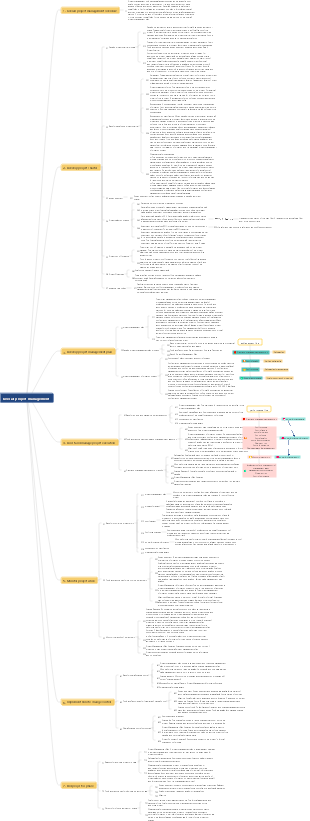
MindMap Gallery Project Risk Management for Advanced Software Examination
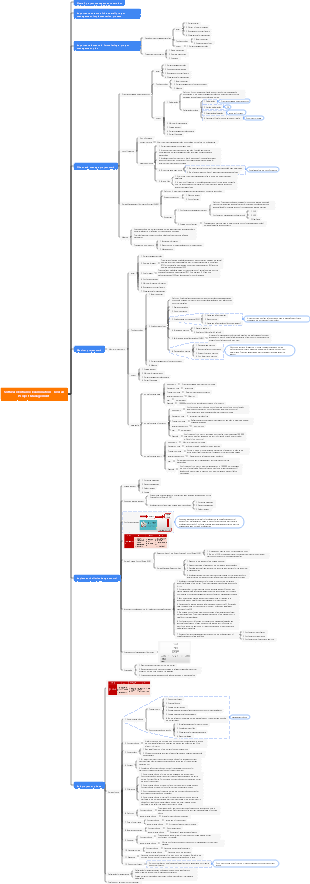
Information system project management engineer examination project management basic knowledge project risk management module, including project risk management overview, risk management activities, planning risk management, identifying risks, implementing qualitative risk analysis, implementing quantitative risk analysis, planning risk response, risk control and other projects management knowledge
Edited at 2022-09-02 17:59:54本テンプレートは、日本人に人気の海外リゾート地「ハワイ・オアフ島」を対象とした、5 日間の充実したモデル旅行プランを体系化したマインドマップです。初めてハワイを訪れる旅行者、リピーター、家族連れやカップルなど、多様なニーズに対応するため、旅行基本情報・持ち物チェックリスト・5 日間詳細スケジュール・オプションプラン・事前準備情報の 5 つの軸で構成されています。対象読者は日本からオアフ島へ旅行を計画中の 20〜50 代の旅行者であり、成果指標としては、情報の網羅性(渡航手続きから現地体験まで必要な項目が過不足なく含まれているか)、実用性(移動時間や費用、予約のタイミングなどの正確さ)、体験の充実度(自然・文化・アクティビティ・食事のバランス)を測定します。 ユーザーニーズ分析では、渡航準備・現地移動・体験プラン・安全情報の 4 領域を掘り下げます。渡航準備においては、ESTA 申請、飛行機の予約、為替、パスポートの有効期限、海外旅行保険など、事前に整えるべき情報が不足していると計画が難しくなります。求められる価値としては、渡航に必要な手続きの流れ、必要な持ち物リスト、季節別の服装アドバイス、現地で使えるアプリや連絡先などが考えられます。現地移動では、ワイキキ内の徒歩・バス移動、レンタカーの利用方法、空港からのアクセス、交通機関のルール(右側通行など)が主な関心事です。悩みとしては、バスの路線が分からない、レンタカーの予約手続きが不安、現地での移動時間の目安が分からないなどが挙げられます。体験プランでは、ビーチでのんびり、ダイヤモンドヘッドのハイキング、ノースショアでのサーフィン、ハレイワタウン散策、ポリネシアン・カルチャーセンターでの文化体験など、オアフ島の魅力を網羅したプランが求められます。悩みとしては、限られた日数で主要スポットを効率よく回れない、予算に合ったアクティビティの選び方が分からない、人気のレストランやショップの情報が不足しているなどが挙げられます。安全情報では、ハワイ特有の注意点(紫外線対策、海での安全ルール、治安情報)、緊急時の連絡先、現地でのトラブル対応方法など、旅行者が不安に感じる点を整理することが重要です。 5 日間のモデルコースでは、各日のテーマを明確に設定し、体験のバランスを考慮しています。1 日目は「到着日・ワイキキ慣らし」として、ホノルル国際空港に到着後、ワイキキのホテルにチェックインし、夕方からワイキキビーチでのんびりしたり、夜は地元料理を味わったりして、ハワイの雰囲気に慣れる行程です。2 日目は「自然体験&ショッピング」として、午前中にダイヤモンドヘッドのハイキングに挑戦し、午後はアラモアナセンターやワイキキでショッピングを楽しみ、夜はハワイアン・ルアウショーを鑑賞する行程です。3 日目は「歴史文化巡り」として、イオラニ宮殿やパールハーバー(真珠湾)を訪れてハワイの歴史に触れ、午後はダウンタウンホノルルで街歩きをし、夜はインターナショナルマーケットプレイスで食事や買い物を楽しむ行程です。4 日目は「北海岸&大自然体験」として、オプションでノースショアへ向かい、ハレイワタウンで散策したり、サーフィンを体験したり、美しいビーチでのんびり過ごす行程で、夜はワイキキに戻って食事を楽しみます。5 日目は「最終日・思い出作り」として、午前中にワイキキビーチでの最後の散策や、お土産を買いに街を巡り、午後は空港へ移動して帰国する行程です。各日には、おすすめの時間帯、混雑しにくいタイミング、予約が必要なアクティビティの情報などを付け加え、実際に旅行する際の参考になるよう工夫しています。 また、テンプレートには持ち物チェックリストも含まれており、パスポート・ESTA、海外旅行保険証書、現金・クレジットカード、日焼け止め・帽子・サングラス、歩きやすい靴、薬、充電器など、海外旅行に必要なアイテムをリストアップしています。さらに、事前準備情報として、ネット環境の確保、現地で使えるアプリ、緊急連絡先、季節別の服装アドバイスなども記載し、旅行者の不安を解消するようサポートします。 EdrawMind のマインドマップ機能を活用することで、ユーザーは自身の旅行スタイルに合わせて行程を追加・削除したり、好みのアクティビティをハイライトしたりすることができます。例えば、ゆっくりリゾートを楽しみたい方はショッピングやハイキングの時間を減らしてビーチでの時間を増やしたり、アクティブに過ごしたい方はノースショアでのサーフィンやダイビングを追加したりするなど、カスタマイズも自由自在です。このテンプレートは、オアフ島の旅行計画を立てる際の基盤として活用することを想定しており、主要な情報が一目で分かるよう整理されているため、初めてハワイを

本テンプレートは、古都・奈良の世界遺産、鹿とのふれあい、歴史的な雰囲気を存分に楽しむための 1 泊 2 日旅行プランを体系化したマインドマップです。修学旅行や短期文化旅行、週末の小旅行に人気の奈良を対象に、イメージ・種類・交通・宿泊の 4 つの基本軸を設け、2 日間の具体的な行程を時系列で整理しています。対象読者は大阪・京都在住の 20〜40 代の一人旅・カップル・家族連れ、初めて奈良を訪れる旅行者、世界遺産や日本文化に興味のある層であり、成果指標としては、行程の網羅性(主要スポットが過不足なく含まれているか)、実用性(移動時間や混雑情報の正確さ)、体験の充実度(鹿とのふれあい・文化体験の満足度)を測定します。 ユーザーニーズ分析では、行程・体験・交通・注意点の 4 領域を掘り下げます。行程においては、「東大寺」「春日大社」「奈良国立博物館」といった世界遺産の回り方、「奈良公園」での鹿とのふれあい、「奈良町」の古い町並み散策がユーザーの関心事となります。悩みとしては、限られた時間で主要スポットを効率よく回れない、鹿との接し方が分からない、徒歩移動の負担が心配などが挙げられます。求められる価値としては、時間帯別のおすすめルート、鹿と安全に接するためのマナー説明、無理のない徒歩移動のための休憩ポイント案内が考えられます。体験面では、鹿せんべいの購入場所や与え方、春日大社の灯篭や御朱印の魅力、奈良町のカフェや伝統工芸体験など、現地でしか味わえない体験情報が求められます。交通においては、奈良市内のバス路線や一日券の情報、主要スポット間の徒歩時間、雨天時の移動手段など、事前に知っておくべき情報が不足していると計画が難しくなります。注意点では、天候対策(夏の暑さや冬の寒さ)、スケジュールのゆとり作り、写真撮影のルールやマナー、ゴミの持ち帰りなど、旅行者が見落としがちな点を整理することが重要です。 行程の中でも、特に人気の高いスポットには詳細な情報を盛り込んでいます。「東大寺」は世界遺産に登録されており、奈良時代に建立された日本を代表する寺院で、世界最大級の木造建築物である大仏殿や、高さ約 15 メートルの盧舎那仏(奈良の大仏)が有名です。事前にコインロッカーに荷物を預けて身軽になってから訪れることで、ゆっくりと境内を散策できるほか、大仏殿の柱の穴をくぐると「厄除けになる」という言い伝えもあり、多くの観光客が体験しています。「奈良公園」は東大寺や春日大社を含む広大な公園で、約 1,300 頭の野生の鹿が自由に生息しており、鹿せんべいを使って鹿とふれあうことができます。ただし、鹿は野生動物であるため、エサの与え方や触れ方には注意が必要で、事前にルールを確認しておくことが推奨されます。「春日大社」は朱色の社殿と美しい灯篭が特徴的な世界遺産で、参道には 3,000 基を超える石灯篭が並び、神聖な雰囲気を醸し出しています。特に夜間にライトアップされた灯篭は幻想的で、写真撮影にも人気です。 1 泊 2 日のモデルコースでは、初日に東大寺・奈良公園・春日大社を巡り、夜は奈良町の古い町並みを散策して地元料理を味わう行程を提案しています。二日目には、若草山から奈良の街並みを一望した後、興福寺や奈良国立博物館を訪れ、奈良町で伝統工芸体験やカフェ巡りを楽しんでから帰路に就く流れとなっています。各スポットには、徒歩時間や混雑しにくい時間帯、おすすめの食事処などの情報を付け加え、実際に旅行する際の参考になるよう工夫しています。また、旅行の注意点として、スケジュールは体調に合わせて無理のないペースで調整すること、天候に合わせて水分補給や防寒・防暑対策を徹底すること、神社仏閣での写真撮影ルールを守ることなどを記載し、安全で快適な旅行をサポートします。 EdrawMind のマインドマップ機能を活用することで、ユーザーは自身の旅行スタイルに合わせて行程を追加・削除したり、好みのスポットをハイライトしたりすることができます。一人旅向けには静かなカフェ巡りを追加したり、家族連れ向けには鹿とのふれあい体験を充実させたりするなど、カスタマイズも自由自在です。このテンプレートは、奈良の旅行計画を立てる際の基盤として活用することを想定しており、主要な情報が一目で分かるよう整理されているため、初めて奈良を訪れる方でも安心して旅行を楽しむことができます。
本テンプレートは、東京から約90分でアクセス可能な温泉・富士山・美術館が融合したリゾート地「箱根」の週末旅行ガイドを体系化したマインドマップです。カップルや家族連れに人気の週末旅行先として、交通アクセス、観光スポット、名物料理の3軸で構成され、効率的な旅行計画と満足度の高い体験を実現することを目的としています。対象読者は東京在住の20〜40代のカップル・家族連れ、初めて箱根を訪れる旅行者、週末の小旅行を計画中の層であり、成果指標としては、情報の網羅性(必要な項目が過不足なく含まれているか)、実用性(実際の移動時間や料金の正確さ)、満足度(モデルプランの再現性)を測定します。 ユーザーニーズ分析では、交通アクセス、観光スポット、グルメの3領域を掘り下げます。交通アクセスにおいては、東京からの行き方(小田急ロマンスカー約85分・指定席、新宿→箱根湯本、普通電車約2時間・乗換2回)、箱根内の移動手段(登山電車・バス・ケーブルカー・ロープウェイ)、お得な周遊券(箱根フリーパス・2日券)の情報が不足していると計画が難しくなります。求められる価値としては、交通機関別の所要時間・料金・乗換回数を比較した表、周遊券の特典内容(主要観光施設の割引)と購入場所、移動手段ごとのメリット・デメリットが考えられます。観光スポットでは、「箱根ガラスの森美術館」「クモ箱根(早雲山駅)」「芦ノ湖の夕暮れ遊覧船」などが代表的です。悩みとしては、美術館や自然スポットが多すぎて選べない、夕暮れ時の遊覧船のベストタイミングが分からない、写真映えするスポットを知りたいなどが挙げられます。価値ある情報として、おすすめスポットの特徴と所要時間、夕暮れ時の撮影ポイント、カップル向け・家族向けの選別基準を提供します。名物料理では、「黒たまご(大涌谷)」「温泉豆腐」などが代表的です。悩みは、どこで何を食べれば良いか分からない、観光地価格に見合う価値があるか、アレルギーや食事制限への対応などです。求められる価値として、名物料理の特徴とおすすめ店舗、価格帯、食べるタイミング(例:黒たまごは大涌谷観光の合間に)を整理します。 カップルにおすすめスポットとして、「箱根ガラスの森美術館」はユネスコ世界遺産(※正確には箱根地域全体がジオパークに認定されていますが、イメージとして)の美しい庭園とガラス作品が魅力です。写真はイメージですが、実際の訪日客にも人気のスポットです。名物料理のセクションでは、「黒たまご」は大涌谷の火山活動を利用して茹でられた卵で、殻が黒くなるのが特徴です。伝統的な名物料理として、食べると寿命が延びると言われています。「温泉豆腐」も地元の温泉を利用した料理で、なめらかな食感が特徴です。これらの情報をマップ上で可視化し、移動ルートと組み合わせることで、無駄のない観光計画が立てられます。 成功するための具体施策としては、主要スポットを時系列で結んだ「1泊2日モデルコース」を提供する(例:1日目:新宿→箱根湯本→登山電車→強羅→大涌谷→芦ノ湖遊覧船→宿泊、2日目:箱根ガラスの森美術館→箱根湯本→帰京)、各スポットの「混雑予想時間帯」と「穴場時間帯」をデータで示す(例:芦ノ湖遊覧船は夕暮れ時が混雑するが、その分景色は絶景)、名物料理を食べられる店舗の「営業時間・定休日・予約可否」をリスト化する、の3点が有効です。よくある失敗とその回避策としては、移動手段の乗換えが複雑で迷ってしまうケースでは箱根フリーパスの活用と事前のルート確認を推奨すること、観光スポットの滞在時間を見誤って計画が詰まりすぎるケースでは余裕を持ったスケジューリングと優先順位付けをアドバイスすること、天候によって富士山が見えない場合の代替プラン(雨天でも楽しめる美術館や温泉施設)を用意しておくことが有効です。本テンプレートは、週末旅行ガイドのコンテンツを計画・評価する際の基盤として活用することを想定しています。
本テンプレートは、日本人に人気の海外リゾート地「ハワイ・オアフ島」を対象とした、5 日間の充実したモデル旅行プランを体系化したマインドマップです。初めてハワイを訪れる旅行者、リピーター、家族連れやカップルなど、多様なニーズに対応するため、旅行基本情報・持ち物チェックリスト・5 日間詳細スケジュール・オプションプラン・事前準備情報の 5 つの軸で構成されています。対象読者は日本からオアフ島へ旅行を計画中の 20〜50 代の旅行者であり、成果指標としては、情報の網羅性(渡航手続きから現地体験まで必要な項目が過不足なく含まれているか)、実用性(移動時間や費用、予約のタイミングなどの正確さ)、体験の充実度(自然・文化・アクティビティ・食事のバランス)を測定します。 ユーザーニーズ分析では、渡航準備・現地移動・体験プラン・安全情報の 4 領域を掘り下げます。渡航準備においては、ESTA 申請、飛行機の予約、為替、パスポートの有効期限、海外旅行保険など、事前に整えるべき情報が不足していると計画が難しくなります。求められる価値としては、渡航に必要な手続きの流れ、必要な持ち物リスト、季節別の服装アドバイス、現地で使えるアプリや連絡先などが考えられます。現地移動では、ワイキキ内の徒歩・バス移動、レンタカーの利用方法、空港からのアクセス、交通機関のルール(右側通行など)が主な関心事です。悩みとしては、バスの路線が分からない、レンタカーの予約手続きが不安、現地での移動時間の目安が分からないなどが挙げられます。体験プランでは、ビーチでのんびり、ダイヤモンドヘッドのハイキング、ノースショアでのサーフィン、ハレイワタウン散策、ポリネシアン・カルチャーセンターでの文化体験など、オアフ島の魅力を網羅したプランが求められます。悩みとしては、限られた日数で主要スポットを効率よく回れない、予算に合ったアクティビティの選び方が分からない、人気のレストランやショップの情報が不足しているなどが挙げられます。安全情報では、ハワイ特有の注意点(紫外線対策、海での安全ルール、治安情報)、緊急時の連絡先、現地でのトラブル対応方法など、旅行者が不安に感じる点を整理することが重要です。 5 日間のモデルコースでは、各日のテーマを明確に設定し、体験のバランスを考慮しています。1 日目は「到着日・ワイキキ慣らし」として、ホノルル国際空港に到着後、ワイキキのホテルにチェックインし、夕方からワイキキビーチでのんびりしたり、夜は地元料理を味わったりして、ハワイの雰囲気に慣れる行程です。2 日目は「自然体験&ショッピング」として、午前中にダイヤモンドヘッドのハイキングに挑戦し、午後はアラモアナセンターやワイキキでショッピングを楽しみ、夜はハワイアン・ルアウショーを鑑賞する行程です。3 日目は「歴史文化巡り」として、イオラニ宮殿やパールハーバー(真珠湾)を訪れてハワイの歴史に触れ、午後はダウンタウンホノルルで街歩きをし、夜はインターナショナルマーケットプレイスで食事や買い物を楽しむ行程です。4 日目は「北海岸&大自然体験」として、オプションでノースショアへ向かい、ハレイワタウンで散策したり、サーフィンを体験したり、美しいビーチでのんびり過ごす行程で、夜はワイキキに戻って食事を楽しみます。5 日目は「最終日・思い出作り」として、午前中にワイキキビーチでの最後の散策や、お土産を買いに街を巡り、午後は空港へ移動して帰国する行程です。各日には、おすすめの時間帯、混雑しにくいタイミング、予約が必要なアクティビティの情報などを付け加え、実際に旅行する際の参考になるよう工夫しています。 また、テンプレートには持ち物チェックリストも含まれており、パスポート・ESTA、海外旅行保険証書、現金・クレジットカード、日焼け止め・帽子・サングラス、歩きやすい靴、薬、充電器など、海外旅行に必要なアイテムをリストアップしています。さらに、事前準備情報として、ネット環境の確保、現地で使えるアプリ、緊急連絡先、季節別の服装アドバイスなども記載し、旅行者の不安を解消するようサポートします。 EdrawMind のマインドマップ機能を活用することで、ユーザーは自身の旅行スタイルに合わせて行程を追加・削除したり、好みのアクティビティをハイライトしたりすることができます。例えば、ゆっくりリゾートを楽しみたい方はショッピングやハイキングの時間を減らしてビーチでの時間を増やしたり、アクティブに過ごしたい方はノースショアでのサーフィンやダイビングを追加したりするなど、カスタマイズも自由自在です。このテンプレートは、オアフ島の旅行計画を立てる際の基盤として活用することを想定しており、主要な情報が一目で分かるよう整理されているため、初めてハワイを
本テンプレートは、古都・奈良の世界遺産、鹿とのふれあい、歴史的な雰囲気を存分に楽しむための 1 泊 2 日旅行プランを体系化したマインドマップです。修学旅行や短期文化旅行、週末の小旅行に人気の奈良を対象に、イメージ・種類・交通・宿泊の 4 つの基本軸を設け、2 日間の具体的な行程を時系列で整理しています。対象読者は大阪・京都在住の 20〜40 代の一人旅・カップル・家族連れ、初めて奈良を訪れる旅行者、世界遺産や日本文化に興味のある層であり、成果指標としては、行程の網羅性(主要スポットが過不足なく含まれているか)、実用性(移動時間や混雑情報の正確さ)、体験の充実度(鹿とのふれあい・文化体験の満足度)を測定します。 ユーザーニーズ分析では、行程・体験・交通・注意点の 4 領域を掘り下げます。行程においては、「東大寺」「春日大社」「奈良国立博物館」といった世界遺産の回り方、「奈良公園」での鹿とのふれあい、「奈良町」の古い町並み散策がユーザーの関心事となります。悩みとしては、限られた時間で主要スポットを効率よく回れない、鹿との接し方が分からない、徒歩移動の負担が心配などが挙げられます。求められる価値としては、時間帯別のおすすめルート、鹿と安全に接するためのマナー説明、無理のない徒歩移動のための休憩ポイント案内が考えられます。体験面では、鹿せんべいの購入場所や与え方、春日大社の灯篭や御朱印の魅力、奈良町のカフェや伝統工芸体験など、現地でしか味わえない体験情報が求められます。交通においては、奈良市内のバス路線や一日券の情報、主要スポット間の徒歩時間、雨天時の移動手段など、事前に知っておくべき情報が不足していると計画が難しくなります。注意点では、天候対策(夏の暑さや冬の寒さ)、スケジュールのゆとり作り、写真撮影のルールやマナー、ゴミの持ち帰りなど、旅行者が見落としがちな点を整理することが重要です。 行程の中でも、特に人気の高いスポットには詳細な情報を盛り込んでいます。「東大寺」は世界遺産に登録されており、奈良時代に建立された日本を代表する寺院で、世界最大級の木造建築物である大仏殿や、高さ約 15 メートルの盧舎那仏(奈良の大仏)が有名です。事前にコインロッカーに荷物を預けて身軽になってから訪れることで、ゆっくりと境内を散策できるほか、大仏殿の柱の穴をくぐると「厄除けになる」という言い伝えもあり、多くの観光客が体験しています。「奈良公園」は東大寺や春日大社を含む広大な公園で、約 1,300 頭の野生の鹿が自由に生息しており、鹿せんべいを使って鹿とふれあうことができます。ただし、鹿は野生動物であるため、エサの与え方や触れ方には注意が必要で、事前にルールを確認しておくことが推奨されます。「春日大社」は朱色の社殿と美しい灯篭が特徴的な世界遺産で、参道には 3,000 基を超える石灯篭が並び、神聖な雰囲気を醸し出しています。特に夜間にライトアップされた灯篭は幻想的で、写真撮影にも人気です。 1 泊 2 日のモデルコースでは、初日に東大寺・奈良公園・春日大社を巡り、夜は奈良町の古い町並みを散策して地元料理を味わう行程を提案しています。二日目には、若草山から奈良の街並みを一望した後、興福寺や奈良国立博物館を訪れ、奈良町で伝統工芸体験やカフェ巡りを楽しんでから帰路に就く流れとなっています。各スポットには、徒歩時間や混雑しにくい時間帯、おすすめの食事処などの情報を付け加え、実際に旅行する際の参考になるよう工夫しています。また、旅行の注意点として、スケジュールは体調に合わせて無理のないペースで調整すること、天候に合わせて水分補給や防寒・防暑対策を徹底すること、神社仏閣での写真撮影ルールを守ることなどを記載し、安全で快適な旅行をサポートします。 EdrawMind のマインドマップ機能を活用することで、ユーザーは自身の旅行スタイルに合わせて行程を追加・削除したり、好みのスポットをハイライトしたりすることができます。一人旅向けには静かなカフェ巡りを追加したり、家族連れ向けには鹿とのふれあい体験を充実させたりするなど、カスタマイズも自由自在です。このテンプレートは、奈良の旅行計画を立てる際の基盤として活用することを想定しており、主要な情報が一目で分かるよう整理されているため、初めて奈良を訪れる方でも安心して旅行を楽しむことができます。
本テンプレートは、東京から約90分でアクセス可能な温泉・富士山・美術館が融合したリゾート地「箱根」の週末旅行ガイドを体系化したマインドマップです。カップルや家族連れに人気の週末旅行先として、交通アクセス、観光スポット、名物料理の3軸で構成され、効率的な旅行計画と満足度の高い体験を実現することを目的としています。対象読者は東京在住の20〜40代のカップル・家族連れ、初めて箱根を訪れる旅行者、週末の小旅行を計画中の層であり、成果指標としては、情報の網羅性(必要な項目が過不足なく含まれているか)、実用性(実際の移動時間や料金の正確さ)、満足度(モデルプランの再現性)を測定します。 ユーザーニーズ分析では、交通アクセス、観光スポット、グルメの3領域を掘り下げます。交通アクセスにおいては、東京からの行き方(小田急ロマンスカー約85分・指定席、新宿→箱根湯本、普通電車約2時間・乗換2回)、箱根内の移動手段(登山電車・バス・ケーブルカー・ロープウェイ)、お得な周遊券(箱根フリーパス・2日券)の情報が不足していると計画が難しくなります。求められる価値としては、交通機関別の所要時間・料金・乗換回数を比較した表、周遊券の特典内容(主要観光施設の割引)と購入場所、移動手段ごとのメリット・デメリットが考えられます。観光スポットでは、「箱根ガラスの森美術館」「クモ箱根(早雲山駅)」「芦ノ湖の夕暮れ遊覧船」などが代表的です。悩みとしては、美術館や自然スポットが多すぎて選べない、夕暮れ時の遊覧船のベストタイミングが分からない、写真映えするスポットを知りたいなどが挙げられます。価値ある情報として、おすすめスポットの特徴と所要時間、夕暮れ時の撮影ポイント、カップル向け・家族向けの選別基準を提供します。名物料理では、「黒たまご(大涌谷)」「温泉豆腐」などが代表的です。悩みは、どこで何を食べれば良いか分からない、観光地価格に見合う価値があるか、アレルギーや食事制限への対応などです。求められる価値として、名物料理の特徴とおすすめ店舗、価格帯、食べるタイミング(例:黒たまごは大涌谷観光の合間に)を整理します。 カップルにおすすめスポットとして、「箱根ガラスの森美術館」はユネスコ世界遺産(※正確には箱根地域全体がジオパークに認定されていますが、イメージとして)の美しい庭園とガラス作品が魅力です。写真はイメージですが、実際の訪日客にも人気のスポットです。名物料理のセクションでは、「黒たまご」は大涌谷の火山活動を利用して茹でられた卵で、殻が黒くなるのが特徴です。伝統的な名物料理として、食べると寿命が延びると言われています。「温泉豆腐」も地元の温泉を利用した料理で、なめらかな食感が特徴です。これらの情報をマップ上で可視化し、移動ルートと組み合わせることで、無駄のない観光計画が立てられます。 成功するための具体施策としては、主要スポットを時系列で結んだ「1泊2日モデルコース」を提供する(例:1日目:新宿→箱根湯本→登山電車→強羅→大涌谷→芦ノ湖遊覧船→宿泊、2日目:箱根ガラスの森美術館→箱根湯本→帰京)、各スポットの「混雑予想時間帯」と「穴場時間帯」をデータで示す(例:芦ノ湖遊覧船は夕暮れ時が混雑するが、その分景色は絶景)、名物料理を食べられる店舗の「営業時間・定休日・予約可否」をリスト化する、の3点が有効です。よくある失敗とその回避策としては、移動手段の乗換えが複雑で迷ってしまうケースでは箱根フリーパスの活用と事前のルート確認を推奨すること、観光スポットの滞在時間を見誤って計画が詰まりすぎるケースでは余裕を持ったスケジューリングと優先順位付けをアドバイスすること、天候によって富士山が見えない場合の代替プラン(雨天でも楽しめる美術館や温泉施設)を用意しておくことが有効です。本テンプレートは、週末旅行ガイドのコンテンツを計画・評価する際の基盤として活用することを想定しています。
soft Test high item Of item Head wind risk Tube reason
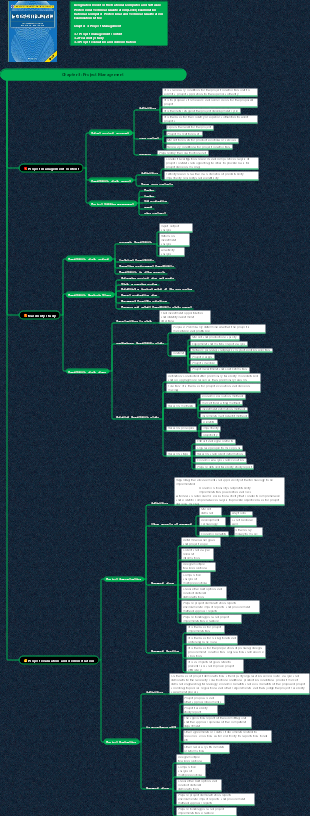
Project Risk Management Overview
The following situations occurred
Your project technical lead quits, and no one can take over his tasks
Your subcontractor suddenly quits
Customer requirements change significantly at the end of the project
Project members are incompetent for their jobs
The project encountered difficult technical problems
Continuous heavy rains have made it impossible to carry out outdoor construction and the progress is seriously behind schedule.
Laptop was stolen and all construction materials were lost
Project risk management is required
Project risk management includes risk management planning, risk identification, risk analysis, and risk response
Objectives of project risk management in various processes such as planning and risk monitoring It is to increase the probability and impact of positive project events and reduce the probability and impact of negative project events.
Common mistakes in risk management
Project risk-free management plan
Incomplete risk identification, no analysis and countermeasures
No one is responsible for risk management
Risks are not continuously identified and monitored
Failure to rely on the strengths of the organization and project team to manage risk Project managers work alone and rely on experience
Definition of project risk
Risk is an uncertain event that, when it occurs, will have a positive or negative impact on the project.
Risk is a type of uncertainty.
necessary conditions for risk
Relating to people’s purposeful activities;
Relating to future activities and events;
Related to changes in things, uncertain events are not necessarily risks
Project risks include both threats to project objectives and opportunities to further project objectives
Risks and opportunities often coexist.
Characteristics of project risks
Project risks occur throughout the entire project life cycle, and there are different risks at different stages of the project.
Risks change as the project progresses, and its uncertainty generally decreases.
The greatest uncertainty exists in the early stages of a project, and decisions made in the early stages have the greatest impact on later stages and the achievement of project goals.
Characteristics of project risk management
Project risk management is an activity undertaken to mitigate the impact of potential adverse events on a project.
Risk management is an investment and costs money.
In any case, the costs of project risk management should not exceed the potential benefits of the project.
Efforts need to be made to find the balance between risks and opportunities in all aspects of the project.
Project risk management aims to identify and manage risks that are not managed by other project management processes.
concept of risk
Three elements of risk
event, probability, impact
The connotation of risk management
Risk of myopia
Focus only on individual project risks and ignore overall project risks
Only focus on local risks of the project and ignore the global risks of the project
Only focus on the short-term risks of the project and ignore the long-term risks of the project
Only focus on project tactical risks and ignore project strategic risks
Residual risk vs secondary risk
Risks that are not dealt with cleanly are residual risks;
New risks brought about by dealing with risks are secondary risks
attributes of risk
randomness of risk events
relative risk
risk variability
Classification of risks
Divided by risk consequences
pure risk
It does not bring opportunities, and there is no risk of obtaining benefits.
(The loss caused is an absolute loss, always associated with threats, losses, and misfortunes)
speculative risk
It may bring opportunities and gain benefits, but also implies threats and risks of losses.
Pure risk and speculative risk can transform into each other under certain conditions.
Project managers should avoid speculative risks turning into pure risks.
By risk source
natural risks
man-made risk
Classified by whether the risk is manageable
Manageable risk
unmanageable risk
Whether the risk can be managed depends on whether the risk uncertainty can be eliminated)
Divided by risk impact scope
local risk
overall risk
Divided by risk predictability
Known risks
It is clear that it occurs frequently, and the risk is generally known to have a high probability of occurrence. But the consequences turned out to be minor, not serious.
Predictable risk
Its occurrence can be predicted, but its consequences cannot be foreseen.
Unpredictable risks
Unpredictable for its occurrence
Divided by risk bearers
Owner risk, government risk, contractor risk, etc.
risk management activities
Risk management objectives
Increase the probability and/or impact of positive risks
Reduce the probability and/or impact of negative risks
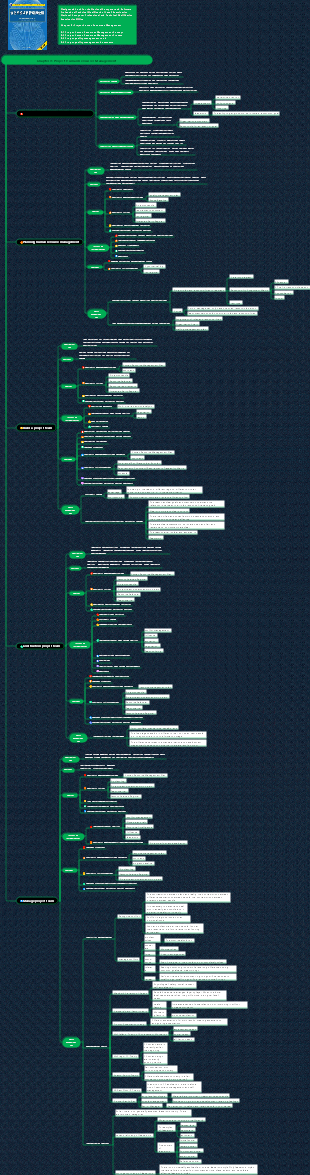
planning risk management
planning risk management concept
Limiting the consequences of risk accidents to an acceptable level is a basic task in the planning and implementation stages of risk management.
A risk contingency plan refers to the predetermined actions that the project team will take if an identified risk event occurs.
The main options for risk response include risk prevention, risk avoidance, risk transfer, risk mitigation, risk retention and loss control.
Using these methods, corresponding response measures can be developed for different risk events.
Issues that risk management planning should clarify
What are the project risks?
Why is taking or not taking this risk important to project goals?
What are the specific risks and their impact?
What are risk mitigation deliverables?
Risk response plan: How will the risk be mitigated?
Who is responsible for implementing the risk management plan?
When will the milestone events related to the mitigation approach occur?
How many resources are needed to mitigate risk?
enter
project management plan
Project Charter
Stakeholder register
business environment factors
organizational process assets
Tools and techniques
Stakeholder analysis (data analysis)
expert judgment
Meeting
output
risk management plan
content
risk management strategy
methodology
Roles and Responsibilities
Funding timing (timing and frequency)
risk category
Related party risk appetite
Risk probability and impact definition
Probability and Impact Matrix
Revised Stakeholder Tolerance
report format
track
risk category
Risk categories are constructed using the Risk Breakdown Structure (RBS).
A risk breakdown structure helps project teams consider all possible sources of risk for a single project, Particularly useful for identifying risks or categorizing identified risks.
Related party risk appetite
Risk-seeking
Prefer risky options and their risk response strategy preference is to accept
risk neutral
Under the same expected return conditions, there is no preference between a certain outcome and an uncertain outcome.
Risk averse
Have a conservative attitude towards risk. For them, the preferred strategy for dealing with risks is avoidance
Probability and impact definitions
A reference basis for objective qualitative risk analysis
Probability and Impact Matrix
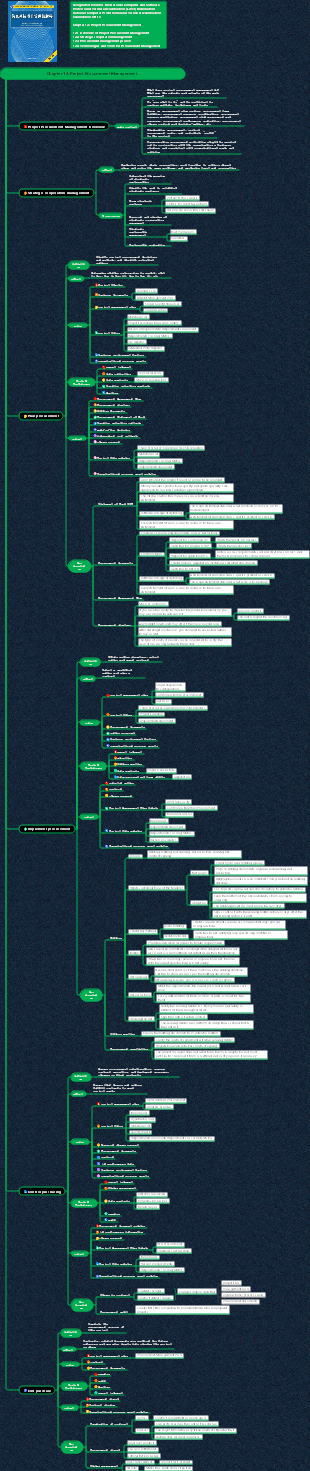
Identify risks
concepts and definitions
Risk identification includes
Determine sources of risk
conditions for risk
Characterize risk
Determine which risk events have the potential to impact the entire project
Risk identification is divided into three steps
gather information
Estimate project risk situation
Identify potential risks
enter
risk management plan
cost management plan
progress management plan
quality management plan
Human Resource Management Plan
Scope Baseline
Activity cost estimates
Activity duration estimate
Stakeholder register
project files
Procurement documents
business environment factors
organizational process assets
Techniques and Tools
Document review
information collection technology
Checklist analysis
What-if analysis
Illustration techniques
SWOT analysis
expert judgment
output
risk register
Sources of overall project risk.
Overview information on identified individual project risks
Risk Breakdown Structure (RBS)
Important considerations for identifying risks
Don’t miss important risks
It is impossible to identify all risks
The level of detail in risk identification is related to the budget of the project
The level of detail in risk identification is related to the importance of the project
Assumptions and constraints analysis
Conduct an analysis of assumptions and constraints to explore the validity of assumptions and constraints and determine which of them will cause project risks.
Threats can be identified from inaccurate, unstable, inconsistent or incomplete assumptions
Opportunities are created by removing or relaxing constraints that affect the execution of a project or process.
Data Analysis Technology-SWOT Analysis
Tools-Tips Checklist
It is a preset list of risk categories that may give rise to individual project risks and that may be sources of overall project risk.
When employing risk identification techniques, a prompt list can be used as a framework to assist the project team in developing ideas.
The risk categories at the bottom of the risk breakdown structure can be used as a reminder list to identify individual project risks.
Common strategic frameworks identify sources of risk
PESTLE (Political, Economic, Social, Technical, Legal, Environmental)
TECOP (Technology, Environment, Business, Operations, Politics)
VUCA (volatility, uncertainty, complexity, ambiguity)
Conduct qualitative risk analysis
Qualitative risk analysis
Refers to the process of assessing the impact and likelihood of identified risks.
The qualitative risk analysis process requires the use of the results of the risk management planning process and the risk identification process
Qualitative risk analysis focuses on the concept and impact of risk.
This process prioritizes risks based on their potential impact on project objectives. and lays the foundation for quantitative risk analysis.
The main work
Prioritize identified risks
Classification of risk based on probability and impact
enter
risk management plan
Scope Baseline
risk register
business environment factors
organizational process assets
Tools & Techniques
Risk probability and impact assessment
Probability and Impact Matrix
Risk data quality assessment
Risk classification
Risk Urgency Assessment
expert judgment
output
Project file updates
Risk probability and impact assessment
Tools and Technology - Data Analysis
Conduct quantitative risk analysis
Quantitative risk analysis
The goal is to quantitatively analyze the probability of each risk and its consequences on the project objectives, Analyze the degree of overall project risk.
After planning risk responses, the quantitative risk analysis should be re-implemented as the monitoring risk process proceeds to determine whether the overall project risk has been satisfactorily reduced.
Repeated quantitative risk analysis can understand the development trend of risks and reveal the necessity of increasing or decreasing risk management measures.
enter
risk management plan
cost management plan
progress management plan
risk register
business environment factors
organizational process assets
Tools and techniques
Data collection and presentation techniques
Quantitative risk analysis and modeling techniques
expert judgment
output
Project file updates
sensitivity analysis
Helps determine which individual project risks or other project outcomes have the greatest potential impact.
The results of sensitivity analysis are often represented by a tornado diagram.
Decision tree analysis
Use decision trees to select the best course of action among several alternative courses of action.
In a decision tree, different branches are used to represent different decisions or events, that is, alternative paths for the project.
By calculating the expected monetary value EMV of each branch, the optimal path can be selected.
Risk value (EMV) is used together with decision trees to take into account both probability and impact factors.
Plan risk responses
enter
risk management plan
risk register
Tools & Techniques
Negative Risk (Threat) Coping Strategies
Active risk (opportunity) response strategies
emergency response strategies
expert judgment
output
Project Management Plan (updated)
Progress management plan, cost management plan, quality management plan
Resource management plan, procurement management plan, scope baseline
progress baseline, cost baseline
Project file updates
Assumption log, cost forecast, lessons learned register
Project progress plan, project team dispatch work order
Risk register, risk report
risk response strategies
Threat response
avoid
Change the project management plan to completely eliminate the threat.
alleviate
1. Reduce the probability of adverse risk events (double insurance)
2. Reduce the impact of adverse risk events (alternative plan)
transfer
1. Responsibility for transfer of risk (subcontracting, subcontracting)
2. The result of transferring risk (insurance, guarantee)
accept
1. Take the initiative to accept: establish emergency reserves
2. Passive acceptance: Let it be (let it go)
opportunity response
Report, develop, share, improve, accept
Emergency response strategies and reserve analysis
risk control
Risk Control Overview
The process of implementing risk response plans, tracking identified risks, monitoring residual risks, identifying new risks, and evaluating the effectiveness of risk processes.
Project management activities to minimize the probability of risk accidents and reduce the magnitude of losses.
risk control objectives
Strive to identify and measure project risks early
Efforts to avoid project risk events
Actively eliminate the negative consequences of project risk events
Fully learn from project risk management experience and lessons
enter
project management plan
risk register
job performance data
job performance report
Tools & Techniques
risk assessment
risk audit
Determine the effectiveness of the risk management process
Before conducting an audit, the format and objectives of the audit should be clearly defined
Deviation and trend analysis
technical performance measurement
Reserve analysis
Meeting
output
job performance information
change request
Project Management Plan Update
Project file updates
Organizational process asset updates
Risk monitoring
Monitor content
Are the risk responses implemented effective?
Has the overall project risk level changed?
Has the status of an identified individual project risk changed?
Whether new individual project risks arise
Is the risk management approach still relevant?
Do the project assumptions still hold?
Have risk management policies and procedures been followed?
Whether cost or schedule contingency reserves need to be modified
Is the project strategy still valid?