MindMap Gallery organic chemistry
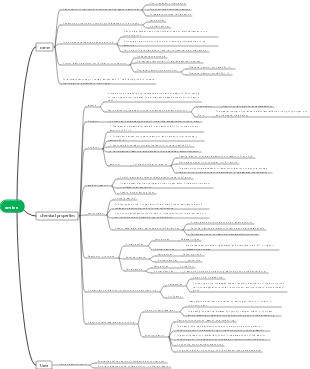
The organic chemistry mind map includes chemical reactions of the chemical properties of alkanes, alkenes, diolefins, aromatics, halogenated hydrocarbons, alcohols and phenols, aldehydes, ketones, ketones, carboxylic acids, carboxylic acid derivatives and B-dicarbonyl compounds, refer to Organic The fourth edition of Chemistry edited by Gao Hongbin, suitable for final review and postgraduate entrance examinations, etc.
Edited at 2023-09-08 13:53:33本テンプレートは、日本人に人気の海外リゾート地「ハワイ・オアフ島」を対象とした、5 日間の充実したモデル旅行プランを体系化したマインドマップです。初めてハワイを訪れる旅行者、リピーター、家族連れやカップルなど、多様なニーズに対応するため、旅行基本情報・持ち物チェックリスト・5 日間詳細スケジュール・オプションプラン・事前準備情報の 5 つの軸で構成されています。対象読者は日本からオアフ島へ旅行を計画中の 20〜50 代の旅行者であり、成果指標としては、情報の網羅性(渡航手続きから現地体験まで必要な項目が過不足なく含まれているか)、実用性(移動時間や費用、予約のタイミングなどの正確さ)、体験の充実度(自然・文化・アクティビティ・食事のバランス)を測定します。 ユーザーニーズ分析では、渡航準備・現地移動・体験プラン・安全情報の 4 領域を掘り下げます。渡航準備においては、ESTA 申請、飛行機の予約、為替、パスポートの有効期限、海外旅行保険など、事前に整えるべき情報が不足していると計画が難しくなります。求められる価値としては、渡航に必要な手続きの流れ、必要な持ち物リスト、季節別の服装アドバイス、現地で使えるアプリや連絡先などが考えられます。現地移動では、ワイキキ内の徒歩・バス移動、レンタカーの利用方法、空港からのアクセス、交通機関のルール(右側通行など)が主な関心事です。悩みとしては、バスの路線が分からない、レンタカーの予約手続きが不安、現地での移動時間の目安が分からないなどが挙げられます。体験プランでは、ビーチでのんびり、ダイヤモンドヘッドのハイキング、ノースショアでのサーフィン、ハレイワタウン散策、ポリネシアン・カルチャーセンターでの文化体験など、オアフ島の魅力を網羅したプランが求められます。悩みとしては、限られた日数で主要スポットを効率よく回れない、予算に合ったアクティビティの選び方が分からない、人気のレストランやショップの情報が不足しているなどが挙げられます。安全情報では、ハワイ特有の注意点(紫外線対策、海での安全ルール、治安情報)、緊急時の連絡先、現地でのトラブル対応方法など、旅行者が不安に感じる点を整理することが重要です。 5 日間のモデルコースでは、各日のテーマを明確に設定し、体験のバランスを考慮しています。1 日目は「到着日・ワイキキ慣らし」として、ホノルル国際空港に到着後、ワイキキのホテルにチェックインし、夕方からワイキキビーチでのんびりしたり、夜は地元料理を味わったりして、ハワイの雰囲気に慣れる行程です。2 日目は「自然体験&ショッピング」として、午前中にダイヤモンドヘッドのハイキングに挑戦し、午後はアラモアナセンターやワイキキでショッピングを楽しみ、夜はハワイアン・ルアウショーを鑑賞する行程です。3 日目は「歴史文化巡り」として、イオラニ宮殿やパールハーバー(真珠湾)を訪れてハワイの歴史に触れ、午後はダウンタウンホノルルで街歩きをし、夜はインターナショナルマーケットプレイスで食事や買い物を楽しむ行程です。4 日目は「北海岸&大自然体験」として、オプションでノースショアへ向かい、ハレイワタウンで散策したり、サーフィンを体験したり、美しいビーチでのんびり過ごす行程で、夜はワイキキに戻って食事を楽しみます。5 日目は「最終日・思い出作り」として、午前中にワイキキビーチでの最後の散策や、お土産を買いに街を巡り、午後は空港へ移動して帰国する行程です。各日には、おすすめの時間帯、混雑しにくいタイミング、予約が必要なアクティビティの情報などを付け加え、実際に旅行する際の参考になるよう工夫しています。 また、テンプレートには持ち物チェックリストも含まれており、パスポート・ESTA、海外旅行保険証書、現金・クレジットカード、日焼け止め・帽子・サングラス、歩きやすい靴、薬、充電器など、海外旅行に必要なアイテムをリストアップしています。さらに、事前準備情報として、ネット環境の確保、現地で使えるアプリ、緊急連絡先、季節別の服装アドバイスなども記載し、旅行者の不安を解消するようサポートします。 EdrawMind のマインドマップ機能を活用することで、ユーザーは自身の旅行スタイルに合わせて行程を追加・削除したり、好みのアクティビティをハイライトしたりすることができます。例えば、ゆっくりリゾートを楽しみたい方はショッピングやハイキングの時間を減らしてビーチでの時間を増やしたり、アクティブに過ごしたい方はノースショアでのサーフィンやダイビングを追加したりするなど、カスタマイズも自由自在です。このテンプレートは、オアフ島の旅行計画を立てる際の基盤として活用することを想定しており、主要な情報が一目で分かるよう整理されているため、初めてハワイを

本テンプレートは、古都・奈良の世界遺産、鹿とのふれあい、歴史的な雰囲気を存分に楽しむための 1 泊 2 日旅行プランを体系化したマインドマップです。修学旅行や短期文化旅行、週末の小旅行に人気の奈良を対象に、イメージ・種類・交通・宿泊の 4 つの基本軸を設け、2 日間の具体的な行程を時系列で整理しています。対象読者は大阪・京都在住の 20〜40 代の一人旅・カップル・家族連れ、初めて奈良を訪れる旅行者、世界遺産や日本文化に興味のある層であり、成果指標としては、行程の網羅性(主要スポットが過不足なく含まれているか)、実用性(移動時間や混雑情報の正確さ)、体験の充実度(鹿とのふれあい・文化体験の満足度)を測定します。 ユーザーニーズ分析では、行程・体験・交通・注意点の 4 領域を掘り下げます。行程においては、「東大寺」「春日大社」「奈良国立博物館」といった世界遺産の回り方、「奈良公園」での鹿とのふれあい、「奈良町」の古い町並み散策がユーザーの関心事となります。悩みとしては、限られた時間で主要スポットを効率よく回れない、鹿との接し方が分からない、徒歩移動の負担が心配などが挙げられます。求められる価値としては、時間帯別のおすすめルート、鹿と安全に接するためのマナー説明、無理のない徒歩移動のための休憩ポイント案内が考えられます。体験面では、鹿せんべいの購入場所や与え方、春日大社の灯篭や御朱印の魅力、奈良町のカフェや伝統工芸体験など、現地でしか味わえない体験情報が求められます。交通においては、奈良市内のバス路線や一日券の情報、主要スポット間の徒歩時間、雨天時の移動手段など、事前に知っておくべき情報が不足していると計画が難しくなります。注意点では、天候対策(夏の暑さや冬の寒さ)、スケジュールのゆとり作り、写真撮影のルールやマナー、ゴミの持ち帰りなど、旅行者が見落としがちな点を整理することが重要です。 行程の中でも、特に人気の高いスポットには詳細な情報を盛り込んでいます。「東大寺」は世界遺産に登録されており、奈良時代に建立された日本を代表する寺院で、世界最大級の木造建築物である大仏殿や、高さ約 15 メートルの盧舎那仏(奈良の大仏)が有名です。事前にコインロッカーに荷物を預けて身軽になってから訪れることで、ゆっくりと境内を散策できるほか、大仏殿の柱の穴をくぐると「厄除けになる」という言い伝えもあり、多くの観光客が体験しています。「奈良公園」は東大寺や春日大社を含む広大な公園で、約 1,300 頭の野生の鹿が自由に生息しており、鹿せんべいを使って鹿とふれあうことができます。ただし、鹿は野生動物であるため、エサの与え方や触れ方には注意が必要で、事前にルールを確認しておくことが推奨されます。「春日大社」は朱色の社殿と美しい灯篭が特徴的な世界遺産で、参道には 3,000 基を超える石灯篭が並び、神聖な雰囲気を醸し出しています。特に夜間にライトアップされた灯篭は幻想的で、写真撮影にも人気です。 1 泊 2 日のモデルコースでは、初日に東大寺・奈良公園・春日大社を巡り、夜は奈良町の古い町並みを散策して地元料理を味わう行程を提案しています。二日目には、若草山から奈良の街並みを一望した後、興福寺や奈良国立博物館を訪れ、奈良町で伝統工芸体験やカフェ巡りを楽しんでから帰路に就く流れとなっています。各スポットには、徒歩時間や混雑しにくい時間帯、おすすめの食事処などの情報を付け加え、実際に旅行する際の参考になるよう工夫しています。また、旅行の注意点として、スケジュールは体調に合わせて無理のないペースで調整すること、天候に合わせて水分補給や防寒・防暑対策を徹底すること、神社仏閣での写真撮影ルールを守ることなどを記載し、安全で快適な旅行をサポートします。 EdrawMind のマインドマップ機能を活用することで、ユーザーは自身の旅行スタイルに合わせて行程を追加・削除したり、好みのスポットをハイライトしたりすることができます。一人旅向けには静かなカフェ巡りを追加したり、家族連れ向けには鹿とのふれあい体験を充実させたりするなど、カスタマイズも自由自在です。このテンプレートは、奈良の旅行計画を立てる際の基盤として活用することを想定しており、主要な情報が一目で分かるよう整理されているため、初めて奈良を訪れる方でも安心して旅行を楽しむことができます。
本テンプレートは、東京から約90分でアクセス可能な温泉・富士山・美術館が融合したリゾート地「箱根」の週末旅行ガイドを体系化したマインドマップです。カップルや家族連れに人気の週末旅行先として、交通アクセス、観光スポット、名物料理の3軸で構成され、効率的な旅行計画と満足度の高い体験を実現することを目的としています。対象読者は東京在住の20〜40代のカップル・家族連れ、初めて箱根を訪れる旅行者、週末の小旅行を計画中の層であり、成果指標としては、情報の網羅性(必要な項目が過不足なく含まれているか)、実用性(実際の移動時間や料金の正確さ)、満足度(モデルプランの再現性)を測定します。 ユーザーニーズ分析では、交通アクセス、観光スポット、グルメの3領域を掘り下げます。交通アクセスにおいては、東京からの行き方(小田急ロマンスカー約85分・指定席、新宿→箱根湯本、普通電車約2時間・乗換2回)、箱根内の移動手段(登山電車・バス・ケーブルカー・ロープウェイ)、お得な周遊券(箱根フリーパス・2日券)の情報が不足していると計画が難しくなります。求められる価値としては、交通機関別の所要時間・料金・乗換回数を比較した表、周遊券の特典内容(主要観光施設の割引)と購入場所、移動手段ごとのメリット・デメリットが考えられます。観光スポットでは、「箱根ガラスの森美術館」「クモ箱根(早雲山駅)」「芦ノ湖の夕暮れ遊覧船」などが代表的です。悩みとしては、美術館や自然スポットが多すぎて選べない、夕暮れ時の遊覧船のベストタイミングが分からない、写真映えするスポットを知りたいなどが挙げられます。価値ある情報として、おすすめスポットの特徴と所要時間、夕暮れ時の撮影ポイント、カップル向け・家族向けの選別基準を提供します。名物料理では、「黒たまご(大涌谷)」「温泉豆腐」などが代表的です。悩みは、どこで何を食べれば良いか分からない、観光地価格に見合う価値があるか、アレルギーや食事制限への対応などです。求められる価値として、名物料理の特徴とおすすめ店舗、価格帯、食べるタイミング(例:黒たまごは大涌谷観光の合間に)を整理します。 カップルにおすすめスポットとして、「箱根ガラスの森美術館」はユネスコ世界遺産(※正確には箱根地域全体がジオパークに認定されていますが、イメージとして)の美しい庭園とガラス作品が魅力です。写真はイメージですが、実際の訪日客にも人気のスポットです。名物料理のセクションでは、「黒たまご」は大涌谷の火山活動を利用して茹でられた卵で、殻が黒くなるのが特徴です。伝統的な名物料理として、食べると寿命が延びると言われています。「温泉豆腐」も地元の温泉を利用した料理で、なめらかな食感が特徴です。これらの情報をマップ上で可視化し、移動ルートと組み合わせることで、無駄のない観光計画が立てられます。 成功するための具体施策としては、主要スポットを時系列で結んだ「1泊2日モデルコース」を提供する(例:1日目:新宿→箱根湯本→登山電車→強羅→大涌谷→芦ノ湖遊覧船→宿泊、2日目:箱根ガラスの森美術館→箱根湯本→帰京)、各スポットの「混雑予想時間帯」と「穴場時間帯」をデータで示す(例:芦ノ湖遊覧船は夕暮れ時が混雑するが、その分景色は絶景)、名物料理を食べられる店舗の「営業時間・定休日・予約可否」をリスト化する、の3点が有効です。よくある失敗とその回避策としては、移動手段の乗換えが複雑で迷ってしまうケースでは箱根フリーパスの活用と事前のルート確認を推奨すること、観光スポットの滞在時間を見誤って計画が詰まりすぎるケースでは余裕を持ったスケジューリングと優先順位付けをアドバイスすること、天候によって富士山が見えない場合の代替プラン(雨天でも楽しめる美術館や温泉施設)を用意しておくことが有効です。本テンプレートは、週末旅行ガイドのコンテンツを計画・評価する際の基盤として活用することを想定しています。
本テンプレートは、日本人に人気の海外リゾート地「ハワイ・オアフ島」を対象とした、5 日間の充実したモデル旅行プランを体系化したマインドマップです。初めてハワイを訪れる旅行者、リピーター、家族連れやカップルなど、多様なニーズに対応するため、旅行基本情報・持ち物チェックリスト・5 日間詳細スケジュール・オプションプラン・事前準備情報の 5 つの軸で構成されています。対象読者は日本からオアフ島へ旅行を計画中の 20〜50 代の旅行者であり、成果指標としては、情報の網羅性(渡航手続きから現地体験まで必要な項目が過不足なく含まれているか)、実用性(移動時間や費用、予約のタイミングなどの正確さ)、体験の充実度(自然・文化・アクティビティ・食事のバランス)を測定します。 ユーザーニーズ分析では、渡航準備・現地移動・体験プラン・安全情報の 4 領域を掘り下げます。渡航準備においては、ESTA 申請、飛行機の予約、為替、パスポートの有効期限、海外旅行保険など、事前に整えるべき情報が不足していると計画が難しくなります。求められる価値としては、渡航に必要な手続きの流れ、必要な持ち物リスト、季節別の服装アドバイス、現地で使えるアプリや連絡先などが考えられます。現地移動では、ワイキキ内の徒歩・バス移動、レンタカーの利用方法、空港からのアクセス、交通機関のルール(右側通行など)が主な関心事です。悩みとしては、バスの路線が分からない、レンタカーの予約手続きが不安、現地での移動時間の目安が分からないなどが挙げられます。体験プランでは、ビーチでのんびり、ダイヤモンドヘッドのハイキング、ノースショアでのサーフィン、ハレイワタウン散策、ポリネシアン・カルチャーセンターでの文化体験など、オアフ島の魅力を網羅したプランが求められます。悩みとしては、限られた日数で主要スポットを効率よく回れない、予算に合ったアクティビティの選び方が分からない、人気のレストランやショップの情報が不足しているなどが挙げられます。安全情報では、ハワイ特有の注意点(紫外線対策、海での安全ルール、治安情報)、緊急時の連絡先、現地でのトラブル対応方法など、旅行者が不安に感じる点を整理することが重要です。 5 日間のモデルコースでは、各日のテーマを明確に設定し、体験のバランスを考慮しています。1 日目は「到着日・ワイキキ慣らし」として、ホノルル国際空港に到着後、ワイキキのホテルにチェックインし、夕方からワイキキビーチでのんびりしたり、夜は地元料理を味わったりして、ハワイの雰囲気に慣れる行程です。2 日目は「自然体験&ショッピング」として、午前中にダイヤモンドヘッドのハイキングに挑戦し、午後はアラモアナセンターやワイキキでショッピングを楽しみ、夜はハワイアン・ルアウショーを鑑賞する行程です。3 日目は「歴史文化巡り」として、イオラニ宮殿やパールハーバー(真珠湾)を訪れてハワイの歴史に触れ、午後はダウンタウンホノルルで街歩きをし、夜はインターナショナルマーケットプレイスで食事や買い物を楽しむ行程です。4 日目は「北海岸&大自然体験」として、オプションでノースショアへ向かい、ハレイワタウンで散策したり、サーフィンを体験したり、美しいビーチでのんびり過ごす行程で、夜はワイキキに戻って食事を楽しみます。5 日目は「最終日・思い出作り」として、午前中にワイキキビーチでの最後の散策や、お土産を買いに街を巡り、午後は空港へ移動して帰国する行程です。各日には、おすすめの時間帯、混雑しにくいタイミング、予約が必要なアクティビティの情報などを付け加え、実際に旅行する際の参考になるよう工夫しています。 また、テンプレートには持ち物チェックリストも含まれており、パスポート・ESTA、海外旅行保険証書、現金・クレジットカード、日焼け止め・帽子・サングラス、歩きやすい靴、薬、充電器など、海外旅行に必要なアイテムをリストアップしています。さらに、事前準備情報として、ネット環境の確保、現地で使えるアプリ、緊急連絡先、季節別の服装アドバイスなども記載し、旅行者の不安を解消するようサポートします。 EdrawMind のマインドマップ機能を活用することで、ユーザーは自身の旅行スタイルに合わせて行程を追加・削除したり、好みのアクティビティをハイライトしたりすることができます。例えば、ゆっくりリゾートを楽しみたい方はショッピングやハイキングの時間を減らしてビーチでの時間を増やしたり、アクティブに過ごしたい方はノースショアでのサーフィンやダイビングを追加したりするなど、カスタマイズも自由自在です。このテンプレートは、オアフ島の旅行計画を立てる際の基盤として活用することを想定しており、主要な情報が一目で分かるよう整理されているため、初めてハワイを
本テンプレートは、古都・奈良の世界遺産、鹿とのふれあい、歴史的な雰囲気を存分に楽しむための 1 泊 2 日旅行プランを体系化したマインドマップです。修学旅行や短期文化旅行、週末の小旅行に人気の奈良を対象に、イメージ・種類・交通・宿泊の 4 つの基本軸を設け、2 日間の具体的な行程を時系列で整理しています。対象読者は大阪・京都在住の 20〜40 代の一人旅・カップル・家族連れ、初めて奈良を訪れる旅行者、世界遺産や日本文化に興味のある層であり、成果指標としては、行程の網羅性(主要スポットが過不足なく含まれているか)、実用性(移動時間や混雑情報の正確さ)、体験の充実度(鹿とのふれあい・文化体験の満足度)を測定します。 ユーザーニーズ分析では、行程・体験・交通・注意点の 4 領域を掘り下げます。行程においては、「東大寺」「春日大社」「奈良国立博物館」といった世界遺産の回り方、「奈良公園」での鹿とのふれあい、「奈良町」の古い町並み散策がユーザーの関心事となります。悩みとしては、限られた時間で主要スポットを効率よく回れない、鹿との接し方が分からない、徒歩移動の負担が心配などが挙げられます。求められる価値としては、時間帯別のおすすめルート、鹿と安全に接するためのマナー説明、無理のない徒歩移動のための休憩ポイント案内が考えられます。体験面では、鹿せんべいの購入場所や与え方、春日大社の灯篭や御朱印の魅力、奈良町のカフェや伝統工芸体験など、現地でしか味わえない体験情報が求められます。交通においては、奈良市内のバス路線や一日券の情報、主要スポット間の徒歩時間、雨天時の移動手段など、事前に知っておくべき情報が不足していると計画が難しくなります。注意点では、天候対策(夏の暑さや冬の寒さ)、スケジュールのゆとり作り、写真撮影のルールやマナー、ゴミの持ち帰りなど、旅行者が見落としがちな点を整理することが重要です。 行程の中でも、特に人気の高いスポットには詳細な情報を盛り込んでいます。「東大寺」は世界遺産に登録されており、奈良時代に建立された日本を代表する寺院で、世界最大級の木造建築物である大仏殿や、高さ約 15 メートルの盧舎那仏(奈良の大仏)が有名です。事前にコインロッカーに荷物を預けて身軽になってから訪れることで、ゆっくりと境内を散策できるほか、大仏殿の柱の穴をくぐると「厄除けになる」という言い伝えもあり、多くの観光客が体験しています。「奈良公園」は東大寺や春日大社を含む広大な公園で、約 1,300 頭の野生の鹿が自由に生息しており、鹿せんべいを使って鹿とふれあうことができます。ただし、鹿は野生動物であるため、エサの与え方や触れ方には注意が必要で、事前にルールを確認しておくことが推奨されます。「春日大社」は朱色の社殿と美しい灯篭が特徴的な世界遺産で、参道には 3,000 基を超える石灯篭が並び、神聖な雰囲気を醸し出しています。特に夜間にライトアップされた灯篭は幻想的で、写真撮影にも人気です。 1 泊 2 日のモデルコースでは、初日に東大寺・奈良公園・春日大社を巡り、夜は奈良町の古い町並みを散策して地元料理を味わう行程を提案しています。二日目には、若草山から奈良の街並みを一望した後、興福寺や奈良国立博物館を訪れ、奈良町で伝統工芸体験やカフェ巡りを楽しんでから帰路に就く流れとなっています。各スポットには、徒歩時間や混雑しにくい時間帯、おすすめの食事処などの情報を付け加え、実際に旅行する際の参考になるよう工夫しています。また、旅行の注意点として、スケジュールは体調に合わせて無理のないペースで調整すること、天候に合わせて水分補給や防寒・防暑対策を徹底すること、神社仏閣での写真撮影ルールを守ることなどを記載し、安全で快適な旅行をサポートします。 EdrawMind のマインドマップ機能を活用することで、ユーザーは自身の旅行スタイルに合わせて行程を追加・削除したり、好みのスポットをハイライトしたりすることができます。一人旅向けには静かなカフェ巡りを追加したり、家族連れ向けには鹿とのふれあい体験を充実させたりするなど、カスタマイズも自由自在です。このテンプレートは、奈良の旅行計画を立てる際の基盤として活用することを想定しており、主要な情報が一目で分かるよう整理されているため、初めて奈良を訪れる方でも安心して旅行を楽しむことができます。
本テンプレートは、東京から約90分でアクセス可能な温泉・富士山・美術館が融合したリゾート地「箱根」の週末旅行ガイドを体系化したマインドマップです。カップルや家族連れに人気の週末旅行先として、交通アクセス、観光スポット、名物料理の3軸で構成され、効率的な旅行計画と満足度の高い体験を実現することを目的としています。対象読者は東京在住の20〜40代のカップル・家族連れ、初めて箱根を訪れる旅行者、週末の小旅行を計画中の層であり、成果指標としては、情報の網羅性(必要な項目が過不足なく含まれているか)、実用性(実際の移動時間や料金の正確さ)、満足度(モデルプランの再現性)を測定します。 ユーザーニーズ分析では、交通アクセス、観光スポット、グルメの3領域を掘り下げます。交通アクセスにおいては、東京からの行き方(小田急ロマンスカー約85分・指定席、新宿→箱根湯本、普通電車約2時間・乗換2回)、箱根内の移動手段(登山電車・バス・ケーブルカー・ロープウェイ)、お得な周遊券(箱根フリーパス・2日券)の情報が不足していると計画が難しくなります。求められる価値としては、交通機関別の所要時間・料金・乗換回数を比較した表、周遊券の特典内容(主要観光施設の割引)と購入場所、移動手段ごとのメリット・デメリットが考えられます。観光スポットでは、「箱根ガラスの森美術館」「クモ箱根(早雲山駅)」「芦ノ湖の夕暮れ遊覧船」などが代表的です。悩みとしては、美術館や自然スポットが多すぎて選べない、夕暮れ時の遊覧船のベストタイミングが分からない、写真映えするスポットを知りたいなどが挙げられます。価値ある情報として、おすすめスポットの特徴と所要時間、夕暮れ時の撮影ポイント、カップル向け・家族向けの選別基準を提供します。名物料理では、「黒たまご(大涌谷)」「温泉豆腐」などが代表的です。悩みは、どこで何を食べれば良いか分からない、観光地価格に見合う価値があるか、アレルギーや食事制限への対応などです。求められる価値として、名物料理の特徴とおすすめ店舗、価格帯、食べるタイミング(例:黒たまごは大涌谷観光の合間に)を整理します。 カップルにおすすめスポットとして、「箱根ガラスの森美術館」はユネスコ世界遺産(※正確には箱根地域全体がジオパークに認定されていますが、イメージとして)の美しい庭園とガラス作品が魅力です。写真はイメージですが、実際の訪日客にも人気のスポットです。名物料理のセクションでは、「黒たまご」は大涌谷の火山活動を利用して茹でられた卵で、殻が黒くなるのが特徴です。伝統的な名物料理として、食べると寿命が延びると言われています。「温泉豆腐」も地元の温泉を利用した料理で、なめらかな食感が特徴です。これらの情報をマップ上で可視化し、移動ルートと組み合わせることで、無駄のない観光計画が立てられます。 成功するための具体施策としては、主要スポットを時系列で結んだ「1泊2日モデルコース」を提供する(例:1日目:新宿→箱根湯本→登山電車→強羅→大涌谷→芦ノ湖遊覧船→宿泊、2日目:箱根ガラスの森美術館→箱根湯本→帰京)、各スポットの「混雑予想時間帯」と「穴場時間帯」をデータで示す(例:芦ノ湖遊覧船は夕暮れ時が混雑するが、その分景色は絶景)、名物料理を食べられる店舗の「営業時間・定休日・予約可否」をリスト化する、の3点が有効です。よくある失敗とその回避策としては、移動手段の乗換えが複雑で迷ってしまうケースでは箱根フリーパスの活用と事前のルート確認を推奨すること、観光スポットの滞在時間を見誤って計画が詰まりすぎるケースでは余裕を持ったスケジューリングと優先順位付けをアドバイスすること、天候によって富士山が見えない場合の代替プラン(雨天でも楽しめる美術館や温泉施設)を用意しておくことが有効です。本テンプレートは、週末旅行ガイドのコンテンツを計画・評価する際の基盤として活用することを想定しています。
organic chemistry
Alkanes and cycloalkanes
free radical substitution reaction
Halogen (halogenation reaction)
light, heat or catalyst
Halogen derivatives (except small cycloalkanes)
Tertiary alkyl radicals > Secondary alkyl radicals > Primary alkyl radicals F2>Cl2>Br2>I2 Selectivity I>Br>Cl>F
oxidation reaction
air, burning
CO2 and H2O
catalyst
Alcohols, aldehydes, ketones, carboxylic acids and other oxygen-containing compounds
Isomerization reaction (reversible)
Side chain isomerism, alkyl position isomerism and ring isomerism
Cracking reaction (without oxygen)
High temperature (500∽700℃)
Thermal cracking
Catalyst (450∽500℃)
catalytic cracking
C-C>C-H
Addition reaction of small cycloalkanes
hydrogenation
Cyclopropane, cyclobutane, cyclopentane (80℃, 200℃, 300℃)
Ni (temperature increases as the carbon chain grows)
propane, butane, pentane
Add bromine
Cyclopropane (normal temperature), cyclobutane (heating)
1,3-dibromopropane, 1,4-dibromobutane
Add hydrogen bromide
Cyclopropane and its alkyl derivatives
Hydrogen is added to the carbon atom that contains more hydrogen
Alkenes and alkynes
hydrogenation
Alkenes H2
Catalyst (platinum, palladium, nickel)
cis addition
Ethylene>mono-substituted ethylene>disubstituted ethylene>tri-substituted ethylene>tetra-substituted ethylene
Alkynes H2
Lindlar catalyst (P-2 catalyst)
cis addition
Liquid ammonia solution of Na or Li
trans addition
Terminal alkynes > disubstituted alkynes (generating alkenes)
Electrophilic bonus
halogen
low temperature
trans addition
Hydrogen halide
No peroxide
Trans addition (alkynes in the presence of corresponding halide ions), Markov's rule
peroxide
Anti-Markov rule
sulfuric acid
Markov's rule
The more donor groups (alkyl groups) the faster the connection The more electron-withdrawing groups (bromine atoms, carboxyl groups) are connected, the slower it becomes. Alkenes < Alkynes
hypohalous acid
Markov's rule
water
Alkenes
H2SO4, H3PO4
alcohol
Markov's rule
Alkynes
HgSO4, H2SO4 (zinc, cadmium, copper salt, boron trifluoride, thallium salt, etc.)
aldehyde
hydroboration reaction
THF, alcohol ether or diglyme
Alkylboron
H2O2,NaOH,H2O
Alcohol/Ketone
Cis addition, anti-Markov rule
Hydroxymercurylation-Demercury Reaction
Mercury acetate, THF-H2O
Hydroxyalkyl mercury salt
NaBH4, NaOH, H2O
alcohol
nucleophilic addition
Alcohol, carboxylic acid
Alkenes
Strong acid or strongly acidic cation exchange resin
Ether/ester
Alkynes
alkaline solution
Alkyl ether/ester
oxidation reaction
Epoxidation reaction
Peroxyacids (peroxytrifluoroacetic acid is the most effective)
cis addition
R2C=CR2>R2C=CHR>RCH=CHR R2C=CH2>RCH=CH2>CH2=CH2
Potassium permanganate oxidation
Equal amounts of dilute alkaline potassium permanganate aqueous solution, low temperature (mild)
cis alpha-diol
Excess acidic potassium permanganate, heating (intense)
Oxygenates
Ozonation
O3, H2O, Zn (platinum or palladium-calcium carbonate)
aldehydes and/or ketones
Alkenes>Alkynes
Oxidation
Ag, oxygen or air
Ethylene oxide (ethylene)
PdCl2-CuCl2, H2O, oxygen or air
aldehyde or ketone
Polymerization
Ziegler-Natta catalyst [TiCl4-Al(C2H5)3]
high polymer
Reaction of α-Hydrogen Atom
Halogenation reaction
halogen
high temperature
α-Hydrogen atom substitution
N-bromosuccinimide (NBS), low temperature
alpha-bromination
oxidation reaction
O2, bismuth molybdate, etc.
aldehyde
O2, molybdenum heteropoly acid
acid
O2, NH3, phosphorus molybdenum bismuth catalyst
Nitrile
Active hydrogen reaction of alkynes
Acidic
HC≡C﹣>H2C=-CH>CH3—-CH2, water>acetylene>ethylene, ethane, ammonia
Na or K or strong base (NaNH2, liquid ammonia)
Metal acetylide
Primary halogenated alkyl, liquid ammonia
Higher alkynes
Tertiary alkyl halide
elimination products
Ammonia solution of silver nitrate or ammonia solution of cuprous chloride
Silver acetylene or cuprous acetylene precipitates
Hydrochloric acid, nitric acid
original alkynes
Diolefins
1,4-Bonus
polar solvent
high temperature
Favorable to 1,4-addition (the hyperconjugation effect of 1,4-addition products is stronger than that of 1,2-addition products)
electrocyclization reaction
light or heat
Diene synthesis (Diels-Alder reaction)
Diene body
conjugated system
s-cis
Dienophile
Diene bodies with donating groups and dienophiles with electron withdrawing groups are beneficial to the reaction.
Cyclopentadiene alpha-hydrogen atom activity
Active metal K, Na or strong base
Cyclopentadiene potassium (sodium) salt
ferrous chloride
ferrocene
Aromatic hydrocarbons
monocyclic aromatic hydrocarbons
On the benzene ring
electrophilic substitution
Halogenation
F>Cl>Br2>I2
Halogenated benzene
Nitrification
A mixture of concentrated nitric acid and concentrated sulfuric acid (mixed acid)
Nitrobenzene
sulfonation
Concentrated sulfuric acid or fuming sulfuric acid
Benzenesulfonic acid
H2O, HCl
Desulfonation (reverse reaction)
Friedel-Crafts reaction
Alkanes, alkenes, alcohols, cyclic ethers
AlCl3, FeCl3, ZnCl2, BF3, HF, H2SO4
Alkylation reaction (reversible)
Accompanied by disproportionation reaction
Three or more carbon atoms are prone to isomerization
RF>RCl>RBr>RI 3°alkyl halo>2°alkyl halo>1°alkyl halo
Acid halide, acid anhydride, carboxylic acid
AlCl3, FeCl3, ZnCl2, BF3, HF, H2SO4
Acylation reaction (irreversible)
Zn-Hg, HCl, Δ
carbonyl reduction
Acid halide>Acid anhydride>Acid
Chloromethylation
Formaldehyde + HCl
Anhydrous ZnCl2
Benzyl chloride
There are strong electron-attracting groups on the ring (nitro, sulfo, Acyl group, etc.) generally does not react
addition reaction
hydrogenation
Ni
cyclohexane
Add chlorine
UV irradiation
Benzene hexachloride (666)
oxidation reaction
O2
High temperature, V2O5
Maleic anhydride
benzene vapor
700~800℃
Biphenyl (dehydrogenation reaction)
Targeting rules
The first type of positioning base (ortho positioning base)
Activation (halogen passivation)
The second type of positioning base (meta positioning base)
passivation
Two substitutions
similar
Determined by the stronger positioning group, the mixture will be obtained when the difference is small.
Different categories
Generally, the first type of positioning base plays the main positioning role.
application
m-nitro-p-chlorobenzenesulfonic acid
Chlorination, sulfonation, nitration
o-Nitrotert-butylbenzene
Alkylation, sulfonation, nitration, desulfonation
on the side chain
Halogenation reaction
halogen
High temperature, light or substances that can produce free radicals
α-Hydrogen atoms are replaced by halogen atoms
Bromine is more selective than chlorine
oxidation reaction
single alkyl
Strong oxidants (KMnO4, potassium dichromate, nitric acid) or catalysts
Benzoic acid (regardless of carbon chain length)
two or more alkyl groups
carboxyl
The alkyl group is in the ortho position
Anhydride
Only α-H can be oxidized
Dehydrogenation
Fe2O3, high temperature
Styrene
Condensed aromatic hydrocarbons
Naphthalene
Substitution reaction
Halogenation
FeCl3
α-Chloronaphthalene
Nitrification
Mixed acid
α-nitronaphthalene
sulfonation
Lower temperature (80℃), concentrated sulfuric acid
α-Naphthalenesulfonic acid (The hydrogen atom at position 8 has greater steric hindrance)
Higher temperature (165℃), concentrated sulfuric acid
β-Naphthalenesulfonic acid
Friedel-Crafts reaction
Acylation
Non-polar solvent, AlCl₃
Mainly α-isomer
Polar solvent, AlCl₃
Mainly β-isomer
Alkylation
polyalkylnaphthalene
oxidation reaction
CrO3, CH3COOH
1,4-Naphthoquinone
V2O5-K2SO4, high temperature
Phthalic anhydride
Rings with relatively high electron cloud density are oxidized and broken
Passivation reduces the electron cloud density
Activation increases electron cloud density
reduction reaction
Na, liquid ammonia, ethanol
1,4-dihydronaphthalene
H2, Pd-C or Rh-C, △, pressurized
Tetralin or Decalin
Targeting rules
The first type of positioning base
homocyclic substitution
Alpha position of original substituent
another alpha position
β position of original substituent
1 person
The second type of positioning base
heterocyclic substitution
α-position and β-position of the original substituent
Heterocyclic alpha position
In general, sulfonation and acylation of 2-substituted naphthalenes with 6-position substitution
Anthracene, phenanthrene
Substitution reaction
Numbers 9 and 10 are more lively
oxidation reaction
anthracene
Na2Cr2O7, dilute H2SO4
Anthraquinone
Philippine
Cr2O3, H2SO4
phenanthrenequinone
Diels-Alder reaction
anthracene
Halogenated hydrocarbons
Halogenated alkyl
nucleophilic substitution reaction
hydrolysis
NaOH
H2O, △
alcohol
2-chloroethanol
OH⁻, H₂O or Ca(OH)₂, △
Ethylene oxide (o-group effect)
sodium alkoxide
Corresponding alcohol solution
Ether (Williamson synthesis)
Sodium cyanide (potassium cyanide)
Dimethyl sulfoxide, △ (ethanol, water)
Nitrile
ammonia
Ethanol (closed container)
Primary amines
I⁻>Br⁻>Cl⁻≥F⁻
halide ion exchange reaction
Alkanes chloride and bromide NaI
acetone
Alkane iodide
Polar protic solvent: I⁻>Br⁻>Cl⁻>F⁻ Non-polar protic solvent: F⁻>Cl⁻>Br⁻>I⁻ 1°>2°>3°
silver nitrate
C₂H₅OH
Nitrate Silver Halide↓
I⁻>Br⁻>Cl⁻ 3°>2°>1°
elimination response
Dehydrohalogenation
NaOH
Concentrated alcohol solution, △
Alkenes (Saytzeff's rule)
Dehalogenation
Zn, ethanol or NaI, acetone
Alkenes/Cycling
React with metals
magnesium
Pure ethers (THF, other ethers, benzene and toluene)
Alkyl magnesium halide (Grignard reagent)
O₂
ROMgX
H₂O
ROH Mg(OH)X
Active hydrogen compounds (HX, HOH, HOR', HNH₂, HC≡CR')
RH
Active halogenated hydrocarbons (allyl and benzyl positions) and primary halogenated hydrocarbons
coupling reaction
Tertiary and secondary halogenated hydrocarbons
elimination response
There cannot be a halogen atom or alkoxy group attached to the β⁻ carbon atom, otherwise an elimination reaction will occur to form an alkene.
During preparation, the molecule cannot contain unsaturated groups such as carbonyl and cyano groups.
lithium
Inert solvent (pentane, petroleum ether, diethyl ether, etc.)
Lithium alkyl
ikX
Pure ether, N₂
R₂CuLi
Halogenated alkyl
Pure ether
Alkanes (Corey-House synthesis)
phase transfer catalytic reaction
Halogenated alkenes and halogenated aromatics
active
Allyl type (benzyl type) halogen atom > Isolated type halogen atom > Ethylene type (phenyl type) halogen atom
Ethylene and phenyl types
nucleophilic substitution reaction
Ethylene bromide AgOH
boiling water
Acetaldehyde
Phenyl-type halogenated hydrocarbons NaOH, RONa, CuCN, NH₃
strong conditions
Phenol, aniline, benzonitrile, diphenyl ether
When the halogen atom has an electron-withdrawing group such as nitro group attached to the ortho-para position, Nucleophilic substitution becomes easier, and the more electron-withdrawing groups, the easier it is The meta-position electron-absorbing group has little influence, and the power-supplying group acts as a passivator. F≥Cl≈Br>I
elimination response
Ethylene type
Strong conditions (NaNH₂, NH₃, KOH)
Alkynes
The phenyl type can generate very reactive and instantaneous benzyne intermediates
React with metals
Mg
More active halogenated hydrocarbons
Ether
Grignard reagent
Inactive halogenated hydrocarbons
Strong complexing ability (THF), high boiling point solvent, strong conditions
Grignard reagent
Li
Pure ether, THF
Lithium hydrocarbyl
Lithium alkyl
benzene
Aryllithium alkyl halide
Lithium dialkyl copper
Pure ether
Alkenes, aromatics
Halogenated aromatic hydrocarbon Halogenated alkyl Na
Pure ether
Alkylarene (Wurtz-Fittig reaction)
The aromatic ring cannot have active functional groups (hydroxyl, carbonyl, nitro, etc.)
Halogenated aromatics
Cu, 230℃
Biaryls (Ullmann reaction)
If the halogen atom has an electron-withdrawing group attached to the ortho-para position, the reaction will be smoother. I>Br>Cl
Reaction of hydrocarbon groups
Ethylene type
Electrophilic bonus (Markovsky rule)
<Alkenes
phenyl type
Electrophilic substitution reactions such as halogenation, nitration, sulfonation, Friedel-Crafts reaction, etc.
Allyl and benzyl
nucleophilic substitution reaction
elimination response
Reacts with metallic magnesium
Reaction with dialkyl copper lithium
Similar to above
β-dicarbonyl compounds
Keto-enol tautomerism
Ethyl acetoacetate
synthesis
Ethyl acetate
Sodium ethoxide, H⁺
Ethyl acetoacetate
divinyl alcohol ethanol
H₂SO₄
Ethyl acetoacetate
Claisen ester condensation reaction
Sodium ethoxide, H⁺
beta-ketoester
Dieckmann closed loop reaction
Sodium ethoxide, H⁺
Five-membered ring or six-membered ring β-keto acid ester
nature
keto decomposition
Dilute base or acid
Acetoacetate
△
ketone
acid decomposition
Concentrated alkali, △
acetate
Sodium alkoxide, halogenated hydrocarbon
Alkyl substituted ethyl acetoacetate
Malonate
synthesis
sodium chloroacetate
NaCN
sodium cyanoacetate
Ethanol, H₂SO₄
Malonate
nature
Sodium ethoxide, halogenated hydrocarbon
Alkyl-substituted malonates
Knoevenagel condensation
aldehydes, ketones
Weak base (amine, pyridine, piperidine)
Aldol condensation
aldehyde, carboxyl
Piperidine
Aldol condensation, decarboxylation
Michael bonus
α,β-unsaturated carbonyl compounds and nitriles active hydrides
Sodium alkoxide, quaternary ammonium base, caustic alkali
addition
Combined with Claisen condensation or aldol condensation
carboxylic acid derivatives
relative reactivity
Acid chloride>Anhydride>Ester>amide
Nucleophilic substitution on acyl group
hydrolysis
acid or base
Corresponding carboxylic acid
Alcoholysis
Acid chloride, acid anhydride alcohol or phenol
Corresponding ester
ester alcohol or phenol
Transesterification reaction
Ammonolysis
Acid chloride, acid anhydride, ester, ammonia or amine
Amide
N-unsubstituted amides amines
N-substituted amides
reduction reaction
Lithium aluminum hydride reduction
Amide
LiAlH₄, diethyl ether, reflux
amine
LiAlH(OC₂H₅)₃, diethyl ether, H₂O
aldehyde
Acid chlorides, acid anhydrides, esters
LiAlH₄, diethyl ether, H₂O
Primary alcohol
acid chloride
LiAlH[OC(CH₃)₃]₃,H₂O
aldehyde
After the hydrogen of LiAlH₄ is substituted, the reducing property weakens as the steric hindrance of the alkyl group increases.
Metal sodium-alcohol reduction (Bouveault-Blanc reaction)
ester
Na, ethanol, heated to reflux
Primary alcohol
Rosenmund reduction
acid chloride
H₂, Pd-BaSO₄, Quinoline-Sulfur
aldehyde
Organometallic reagents
Grignard reagent
Pure ether, benzene, reflux
Ketone (low temperature, large steric effect)
Grignard reagent
Tertiary alcohol
Organic cadmium reagent
Pure ether, hydrolyzed
Ketones (easy to control)
Reactions on the amide nitrogen atom
Amide dehydration
P₂O₅, SOCl₂, △
Nitrile
Hofmann degradation reaction
Br₂、Cl₂ NaOH
Primary amines (rearrangement reaction)
carboxylic acid
carboxylic acid
Acidic and polarizing effects
NaOH, Na₂CO₃, NaHCO₃
sodium carboxylate
Inorganic acid
original carboxylic acid
Generation of carboxylic acid derivatives
PCl₃, PCl₅ or SOCl₂
acid chloride
Anhydride
monocarboxylic acid
P₂O₅
Anhydride
Acyl halide anhydrous carboxylate
ester
carboxylic acid alcohol
acyloxy bond cleavage
Breakage of alkoxy bond
Carboxylate Halogenated Hydrocarbon
Amide
Ammonia or amine
carboxylic acid amine
-H₂O
Amide or N-substituted amide
carbonyl reduction reaction
LiAlH₄, diethyl ether, H₂O, H⁺
alcohol
decarboxylation reaction
△
Saturated monocarboxylic acids are more difficult to decarboxylate
The α-carbon atom has an electron-withdrawing group and is easier to decarboxylate
Certain aromatic carboxylic acids > saturated monocarboxylic acids
Alkali metal salts of carboxylic acids Soda lime eutectic
Kolbe synthesis
Electrolytic carboxylate solution
Thermal reaction of dibasic acid
Oxalic acid and malonic acid
△
monobasic acid
Succinic acid and glutaric acid
△
cyclic anhydride
Adipic acid and pimelic acid
△
cyclic ketone
Blanc's rule: When the reaction is likely to form a cyclic compound, Generally easy to form five-membered ring or six-membered ring
Reaction of α-Hydrogen Atom
Hell-Volhard-Zeilinsky reaction
X₂, P or PCl₃
α-halo acid
Hydroxy acid
dehydration reaction
alpha-hydroxy acid
Six-membered ring lactide
beta-hydroxy acid
α,β-unsaturated acid
γ- and δ-Hydroxy Acids
Five-membered and six-membered ring lactones
Decomposition of alpha-hydroxy acids
Dilute H₂SO₄, △
aldehyde or ketone
Aldehydes, ketones and quinones
carbonyl
Reactivity
Electrophilic and nucleophilic reactivity
nucleophilic addition
Electronic and spatial effects
It is easier for the carbonyl carbon atom to have an electron-withdrawing group
The carbonyl carbon atom has a larger group which is not conducive to the reaction
HCHO>RCHO>ArCHO>CH₃COCH₃>CH₃COR>RCOR>ArCOAr
nucleophilic addition
NaHSO₃
Aldehydes, aromatic methyl ketones and cyclic ketones with less than eight carbon atoms
Sodium alpha-hydroxysulfonate
Dilute base or acid (reversible)
original aldehyde or ketone
alcohol
Dry HCl or concentrated H₂SO₄
Hemiacetal or hemiketal
Generally unstable, one molecule of alcohol (cyclic stable)
acetal or ketal
Dilute acid (hydrolysis)
Original aldehyde or (>) ketone
HCN
Aldehydes, methyl ketones and ester cyclic ketones
OH⁻
α-Hydroxynitrile (α-cyanohydrin)
HCl, H₂O
alpha-hydroxy acid
Concentrated H₂SO₄
α,β-unsaturated acid
Metal organic reagents
Grignard reagent<organolithium compounds
Pure ether, H₂O
alcohol
sodium alkyne
Liquid NH₃, H₂O, H⁺
Acetylenic alcohols
α-Bromo(chloro)carboxylate (Reformatsky reaction)
Zn (organic zinc reagent), H₂O, H⁺
β-Hydroxy acid ester or α,β-unsaturated carboxylic acid
Wittig reagent (triphenylphosphine alkyl halide)
3C₆H₅MgBr PCl₃ or 3C₆H₅Br PCl₃ 6Na
Triphenylphosphine
Alkyl halide (wittig reagent)
Alkenes
Ammonia and its derivatives
formaldehyde
ammonia
Hexamethylenetetramine (urotropine)
Hydroxylamine, hydrazine, phenylhydrazine, 2,4-dinitrophenylhydrazine, semicarbazide
acid
Oxime (cis-trans isomerism), hydrazone, phenylhydrazone, 2,4-dinitrophenylhydrazone, semicarbazone
Primary amines
acid
N-substituted imines
Secondary amine
Alcoholamine
-H₂O (dehydration), toluene or benzene, heated
enamine
acylation reaction
alkylation reaction
H₂O (hydrolysis)
Carbonyl group (introduction of hydrocarbon group)
Micheal addition reaction
Reaction of α-Hydrogen Atom
Halogenation reaction
halogen
Acid (controllable)
α-halogenated aldehydes, ketones
Alkali (uncontrollable)
Polyhalogenated aldehydes, ketones
NaOX (haloform reaction)
Trihalomethanes
Sodium hypoiodite (iodoform reaction)
Iodoform(CHI₃)
condensation reaction
Aldol condensation
Two molecules of aldehyde or ketone
Dilute base or acid
β-hydroxyaldehyde or ketone
Claisen reaction
Aromatic aldehydes Aldehydes or ketones containing α-hydrogen atoms
Alkaline conditions, -H₂O
α-β-unsaturated aldehydes or ketones
Perkin reaction
Aromatic aldehydes Aliphatic anhydrides
Alkali metal salts of corresponding acids, heated
α,β-unsaturated acid
Mannich reaction
Aldehydes or ketones containing α-hydrogen atoms Aldehydes Ammonia
acidic solution
β-Aminoketone
oxidation and reduction
oxidation reaction
aldehyde
Tollens reagent (Ag(NH₃)₂OH)
Ammonium carboxylate Ag↓ (silver mirror reaction)
Fehling's reagent (Cu²⁺ NaOH)
Sodium carboxylate Cu₂O↓(brick red)
Aromatic aldehydes cannot be oxidized
ketone
Strong oxidants
Various lower carboxylic acid mixtures
cyclohexanone
Adipic acid
reduction reaction
Catalytic hydrogenation
H₂, Pt or Pd or Ni
Alcohol (double bond and triple bond are reduced)
metal hydride
NaBH₄, LiAlH₄, aluminum isopropoxide
Alcohol (does not reduce double bonds and triple bonds)
Clemmensen reduction method (acidic)
ketone
Zn-Hg, concentrated HCl, reflux
methylene
Wolff-Kishner-Huang Minglong reduction method (alkaline)
H₂NNH₂·H₂O, NaOH, △, triethylene glycol
methylene
Cannizzaro reaction (disproportionation reaction)
2 molecules of aldehydes that do not contain alpha-hydrogen atoms
Concentrated alkali
carboxylate alcohol
Different molecules do not contain alpha-hydrogen atoms aldehyde
base
Carboxylate (strongly reducing) alcohol
Characteristics of α,β-unsaturated aldehydes and ketones
Electrophilic bonus
HCl
1,4-Bonus
A positive group is added to the α-carbon atom Negative group added to β-carbon atom)
nucleophilic addition
(Strongly alkaline) RMgX or RLi
carbon oxygen double bond
1,2-Bonus
(weakly alkaline) CN⁻ or RNH₂
carbon-carbon double bond
1,4-Bonus
reduction reaction
LiAlH₄ or NaBH₄
enol
1,2-Bonus
H₂
Pd-C
Saturated carbonyl compounds
Ni
alcohol
carbine
singlet
cis alkenes
Cis addition (meso)
trans olefins
Trans addition (racemate)
triplet state
Alkenes
cis-trans mixture
p-benzoquinone
Diels-Alder reaction
Ethers and cyclic ethers
The production of sheep salt
Acid-catalyzed carbon-oxygen bond cleavage
HI(HBr)
Primary alkyl ethers (preferred)
Alkyl iodide (alkyl bromide) SN2
Tertiary alkyl ether
Alkyl iodide (alkyl bromide) SN1
Epoxy compound
Iodohydrin
Epoxy compound
Dilute H₂SO₄
symmetry
diol
asymmetrical
SN1 substitution is performed on carbon atoms with many substituents.
Base-catalyzed carbon-oxygen bond cleavage
ether molecule
Generally unresponsive
Epoxy compound
symmetry
Alkyl alcohol amines, etc.
asymmetrical
SN2 substitution is performed on carbon atoms with few substituents.
Reaction of ethylene oxide with Grignard reagent
symmetry
Primary alcohols with two added carbon atoms
asymmetrical
SN2 substitution is performed on carbon atoms with few substituents.
Claisen rearrangement
Phenyl isopropyl ether and its analogs
heating
o-allylphenol (rearrangement)
3 carbon chain
p-allylphenol (2 rearrangements)
1 carbon chain (unchanged)
Generation of peroxide
Lower ether
O₂
organic peroxide
Alcohols and phenols
commonality
Weakly acidic
Alcohol<water<phenol<H₂CO₃, methanol>primary alcohol>secondary alcohol>tertiary alcohol
Phenol NaOH
sodium phenolate
CO₂H₂O
phenol
Alcohol Na
sodium alkoxide
The more power-supplying groups there are, the weaker the acidity; The more electron-absorbing groups there are, the stronger the acidity.
Formation of ether
Alcohol and phenol metal salts, halogenated hydrocarbons, dimethyl (or ethyl) sulfate
ether
Phenol, halogenated hydrocarbon, dimethyl (or ethyl) sulfate
NaOH,KOH
ether
ester formation
alcohol
Nitric acid, sulfuric acid, organic acids
ester
Phosphorus oxychloride
Pyridine
Phosphate triester
p-Toluoyl chloride (TsCl)
Pyridine
Alkyl p-toluenesulfonate
NaBr, dimethyl sulfoxide
Halogenated hydrocarbons (elimination reaction)
Phenol or phenoxide acid chloride or acid anhydride
Phenolic ester
AlCl₃ or ZnCl₂ is heated with acid
p-phenol ketone (low temperature)
o-phenol ketone (high temperature)
Fries rearrangement
oxidation reaction
Alcohol (catalyst: K₂CrO₇-H₂SO₄, CrO₃-HOAc, CrO₃-pyridine, KMnO₄, MnO₂)
Monohydric alcohol
Oxidation
Primary alcohol
catalyst
carboxylic acid
Sarett's reagent (CrO₃-pyridine), PCC, PDC or DDC dimethyl sulfoxide
aldehyde
Secondary alcohol
ketone
Dehydrogenation
High temperature, Cu or Ag
Aldehyde or ketone (endothermic reversible reaction)
Air or O₂, Cu or Ag
Aldehydes or ketones (exothermic process)
Tertiary alcohol
Not easily oxidized or dehydrogenated
alpha-diol
Periodic acid aqueous solution
aldehydes, ketones, acids
Lead tetraacetate, glacial acetic acid or benzene
carbonyl compounds
Phenol (Catalyst: CrO₃-HOAc, Na₂Cr₂O₇-H₂SO₄)
Quinone or substituted quinone
Color reaction with FeCl₃
phenol
Purple
o-cresol
red
o-Chlorophenol
green
p-nitrophenol
brown
β-naphthol
yellow-green
The enol form of ethyl acetoacetate
reddish purple
The enol form of pentylene glycol
red
alcohol
Weakly alkaline
Hydrohalic acid
HI>HBr>HCl
Primary alcohol (ZnCl₂)
SN2
>
Allyl alcohol, benzyl alcohol>tertiary alcohol>secondary alcohol (ZnCl₂)
SN1 (rearrangement)
Lucas reagent
Tertiary alcohol (immediately turbid)
Secondary alcohol (it turns turbid after being left for a while)
Primary alcohol (no change at room temperature)
NaBr
H₂SO₄
Halogenated hydrocarbons
Phosphorus halide (PX₃ or (I₂ P), PX₅)
Halogenated alkyl
SN2 (no rearrangement)
Thionyl chloride (SOCl₂)
Pyridine, tertiary amine, Na₂CO₃, benzene
Halogenated hydrocarbons
SNi, SN2 (no rearrangement)
dehydration reaction
Intermolecular dehydration (low temperature)
Sulfuric acid, p-toluenesulfonic acid, Lewis acid, Silica gel, polyphosphoric acid, potassium hydrogen sulfate
ether
SN2 (acid catalyzed)
Intramolecular dehydration (high temperature)
H₂SO₄
Alkenes (Saytzeff's rule)
Tertiary alcohol > Secondary alcohol ≥ Primary alcohol E1 (protonic acid catalysis) pinacol rearrangement
Al₂O₃, gas phase, heated
No rearrangement
phenol
Halogenation
aqueous solution
Tribromophenol
strong acid solution
o-p-dibromophenol
Low temperature, chloroform or CCl₄
Bromophenol
sulfonation
Concentrated H₂SO₄
Phenolsulfonic acid (the para-isomer increases as the temperature increases)
Concentrated H₂SO₄
Phenol disulfonic acid
Nitrification and nitrosation
dilute nitric acid
o-nitrophenol and p-nitrophenol
NaNO₂, H₂SO₄
p-Nitrosophenol
Fridel-Crafts reaction
Kolbe-Schmitt reaction
Sodium Phenate CO₂
heat, pressurize
high temperature
Para isomer
low temperature
Ortho isomer
It is easy to have a power supply base It is difficult to have an electricity-absorbing base
potassium phenolate
Para isomer