MindMap Gallery DAMA-CDGA Data Governance Engineer-1. Data Management
Data management is the process of developing, implementing, and supervising plans, systems, procedures, and practices throughout their life cycle to deliver, control, protect, and enhance the value of data and information assets.
Edited at 2023-12-28 21:39:11Avatar 3 centers on the Sully family, showcasing the internal rift caused by the sacrifice of their eldest son, and their alliance with other tribes on Pandora against the external conflict of the Ashbringers, who adhere to the philosophy of fire and are allied with humans. It explores the grand themes of family, faith, and survival.

This article discusses the Easter eggs and homages in Zootopia 2 that you may have discovered. The main content includes: character and archetype Easter eggs, cinematic universe crossover Easter eggs, animal ecology and behavior references, symbol and metaphor Easter eggs, social satire and brand allusions, and emotional storylines and sequel foreshadowing.
[Zootopia Character Relationship Chart] The idealistic rabbit police officer Judy and the cynical fox conman Nick form a charmingly contrasting duo, rising from street hustlers to become Zootopia police officers!
Avatar 3 centers on the Sully family, showcasing the internal rift caused by the sacrifice of their eldest son, and their alliance with other tribes on Pandora against the external conflict of the Ashbringers, who adhere to the philosophy of fire and are allied with humans. It explores the grand themes of family, faith, and survival.
This article discusses the Easter eggs and homages in Zootopia 2 that you may have discovered. The main content includes: character and archetype Easter eggs, cinematic universe crossover Easter eggs, animal ecology and behavior references, symbol and metaphor Easter eggs, social satire and brand allusions, and emotional storylines and sequel foreshadowing.
[Zootopia Character Relationship Chart] The idealistic rabbit police officer Judy and the cynical fox conman Nick form a charmingly contrasting duo, rising from street hustlers to become Zootopia police officers!
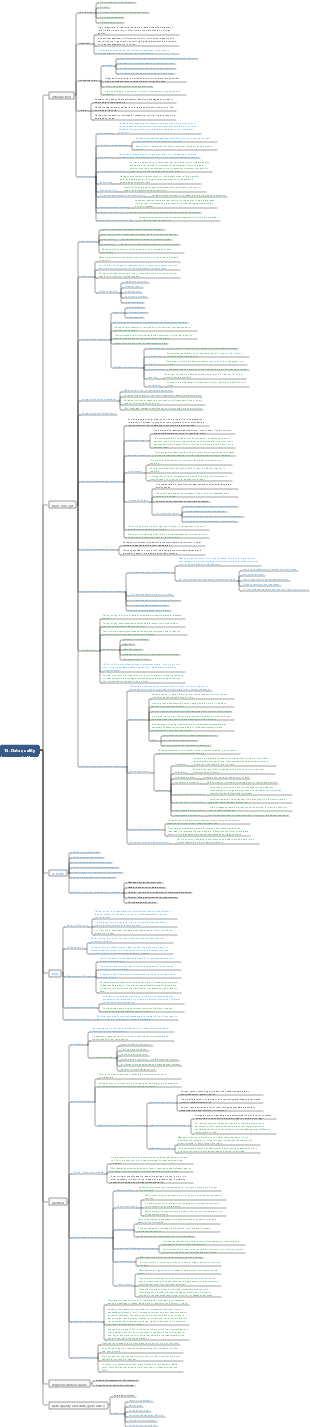
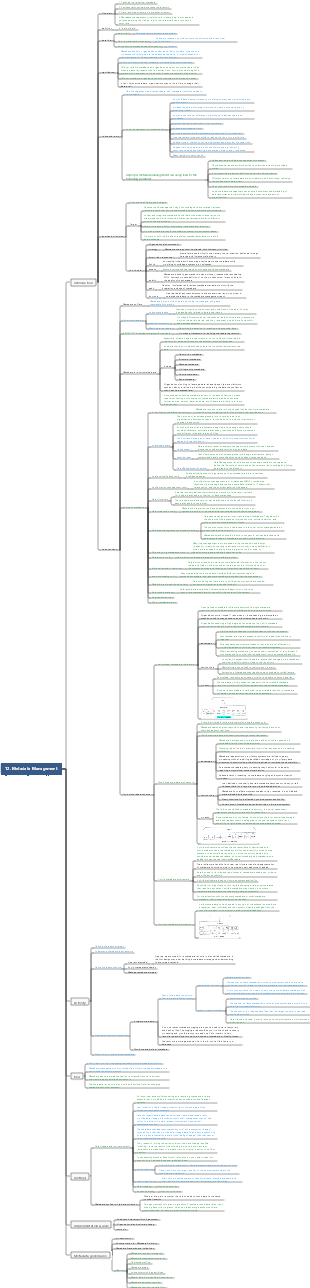
1.Data management
introduction
Data management
It is the process of formulating, implementing, and supervising plans, systems, procedures, and practices throughout their life cycle in order to deliver, control, protect, and enhance the value of data and information assets.
Data Management Professional
Any person who works in various aspects of data management and uses their work to achieve the strategic goals of the organization
Skill
Data management requires both technical and non-technical skills
Responsibility for managing data must be shared between business and information technology roles, and these two areas need to collaborate to ensure that the organization has high-quality data that meets strategic needs.
The main driver of data management is the ability of organizations to derive value from their data assets
Target
Understand and support the information needs of the enterprise and its stakeholders to be met
Acquire, store, protect data and ensure the integrity of data assets
Ensure the quality of data and information
Ensure data privacy and confidentiality of stakeholders
Protect data and information from unauthorized or improper access, operation and use
Ensure data can effectively serve corporate value-added goals
basic concept
data
In information technology, data is also understood as information stored in digital form (although data is not limited to information that has been digitized, and the same principles of data management apply to data on paper as in databases)
Data is a representation that represents something other than itself
Data is both an explanation of what it represents and what must be explained
People need context or context to make data meaningful. A context can be thought of as a representation system for data that includes a common vocabulary and a set of relationships between components. If the conventions of such a system are known, the data within it can be interpreted.
Even within an organization, there are often multiple ways of representing the same concept. Therefore, data architecture, modeling, quality, management systems, metadata and data quality need to be managed, all of which are beneficial to people's understanding and use of data. When data spans multiple organizations, a variety of issues arise that add to the cost. Therefore, industry-level data standards are needed to improve data consistency
data and information
Data is understood as the "raw material" of information, and information becomes "data in context"
pyramid model
Data → Information → Knowledge → Insight (wisdom)
objection
1) Based on the assumption that the data exists simply. But data does not simply exist, it is created
2) People describe data to intelligence as a bottom-up step-by-step sequence, but fail to realize that creating data first requires knowledge
3) The pyramid model implies that data and information are separate, but in fact the two concepts are intertwined and interdependent. Data is a form of information and information is a form of data
Both data and information need to be managed, and these terms are used interchangeably in this book
Data is an organizational asset
Today’s organizations rely on data assets to make more efficient decisions and have more efficient operations
Businesses that want to stay competitive must stop making decisions based on gut feelings or feelings and instead use event triggering and applied analytics to gain actionable insights
Being data-driven includes recognizing that data must be managed efficiently and professionally through a partnership of business leadership and technical expertise.
Data management principles
Like other management processes, data management must balance strategic and operational needs
(1) Data is an asset with unique attributes
Comparing financial and physical assets, one of the most obvious features is that there is no consumption during use.
(2) The value of data can be expressed in economic terms
Although there are technical means to measure the quantity and quality of data, standards have not yet been developed to measure its value. Consistent methods should be developed to quantify this value.
(3) Managing data means managing the quality of data
The primary goal of data management: manage data quality to meet application requirements
The ultimate goal: realize data value
(4) Metadata is required to manage data
Metadata first
(5) Data management requires planning
Business planning and technical planning are required
(6) Data management must drive information technology decisions
Ensure technology serves, rather than drives, the organization’s strategic data
(7) Data management is a cross-functional job
Data management requires technical skills, non-technical skills and collaboration skills
(8) Data management requires an enterprise-level perspective
Must be applied effectively across the enterprise
(9) Data management requires thinking from multiple perspectives
(10) Data management requires full life cycle management, and different types of data have different life cycle characteristics.
(11) Data management needs to incorporate data-related risks
In addition to being an asset, data also represents a risk to the organization. Data can be lost, stolen or misused. Organizations must consider the ethical implications of using data. Data risks must be managed as part of the data lifecycle
(12) Effective data management requires leadership to take responsibility
To achieve goals, not only management skills are needed, but also a vision and mission from leadership
Data management challenges
The difference between data and other assets
Physical assets: visible, tangible, movable, and can only be placed in one place at the same time
data
invisible
Easily copied and transmitted (but not easily regenerated once lost or destroyed)
Will not be consumed or worn out during use
Dynamic and can be used for multiple purposes
Can be used by multiple people at the same time (not possible with physical or financial assets)
Multiple uses generate more data
The value of data changes over time
challenge
This difference makes it challenging to put a monetary value on the data
Without this monetary value, it’s difficult to measure how data contributes to organizational success
data value
value
It is the difference between the cost of something and the benefits derived from it
Example
Cost of acquiring and storing data
If data is lost, the cost of replacing it
Impact of data loss on organizations
Risk mitigation costs and potential risk costs associated with data
The cost of improving data
Advantages of high-quality data
What competitors pay for data
Data potential sales price
Expected revenue from innovative application data
challenge
The main challenge in valuing data assets is that the value of data is contextual (what was valuable to one organization may not be of value to another) and often transitory (what was valuable yesterday may not be of value today) )
When it comes to data management, a way to correlate financial value with data is critical as organizations need to understand assets from a financial perspective in order to make consistent decisions
Data quality
Ensuring high-quality data is at the core of data management
Managing data quality is not a one-time job
Generating high-quality data requires planning and execution, as well as a mindset of building quality into processes and systems
Data optimization plan
Obtaining value from data is not accidental and requires planning in many forms
Also depends on strategic collaboration between business and IT leadership and execution of individual projects
challenge
There are often chronic organizational, time, and financial pressures that prevent the execution of optimization plans. Organizations must balance long-term and short-term goals when executing strategy. Only by clear trade-offs can effective decisions be made
Metadata and data management
Metadata describes what data an organization holds, what it represents, how it is classified, where it comes from, how it moves, how it evolves, and how it is used
Data is abstract, contextual definitions and other descriptions make it clear
challenge
Metadata is constituted in the form of data and therefore needs to be strictly managed
Metadata is the starting point for comprehensive improvements in data management
Data management is a cross-functional effort
In the data life cycle, different stages are managed differently by different teams.
challenge
Allow people with this range of skills and perspectives to recognize how the pieces fit together, allowing them to collaborate and work toward a common goal
Establish a business perspective
Data management requires thinking from multiple perspectives
Organizations today use both data they generate themselves and data they obtain from outside sources
They must consider the legal and compliance requirements of different countries and industries
Data life cycle
Creation and use are key points in the data life cycle
Data is only valuable when it is consumed or applied
Data quality management must run throughout the entire data life cycle
Data quality management is the core of data management. Low-quality data means costs and risks, not value.
Metadata management must occur throughout the entire data lifecycle
Data management also includes ensuring data security and mitigating data-related risks
Data that needs to be protected must be protected throughout its lifecycle
Data management efforts should focus on key data
Organizations generate vast amounts of data, much of which is never actually used, and trying to manage every piece of data is impossible
Lifecycle management requires focusing on the organization's critical data and minimizing data ROT (redundant, obsolete, unimportant trivial)
different kinds of data
Different types of data have different life cycle management needs
Classification
Transaction data, master data, reference data, metadata
It can also be classified by data content (data domain, subject domain), required format or level of protection, how and where it is stored or accessed
Data and Risk
Data represents not only value, but also risk
Low-quality data that is inaccurate, incomplete, or out of date clearly represents a risk because of incorrect information. The risk with data is that it can be misinterpreted and misused
Data management and technology
Successful data management requires making good decisions about technology, but managing technology is not the same as managing data
Organizations need to understand the impact of technology on data to prevent technological temptations from driving their decisions about data
Instead, data aligned with business strategy should drive decisions about technology
Effective data management requires leadership and commitment
One factor that is critical to organizational success is: committed leadership and involvement of people at all levels of the organization
Successful data management must be business-driven, not IT-driven
data management strategy
Strategy is a set of choices and decisions that together constitute a high-level course of action to achieve high-level goals
Data strategy must come from an understanding of the data needs inherent in the business strategy: what data the organization needs, how to obtain it, how to manage the data and ensure its reliability, and how to leverage the data
The data management strategy is owned and maintained by the CDO and implemented by the data management team supported by the data governance committee
The CDO will draft a preliminary data strategy and data management strategy before forming the data governance committee to gain senior management support for establishing data management and governance
Data management strategy components
Data management vision, values, mission, long-term goals, guiding principles, recommended measures for success, business case summary, short-term (12 to 24 months) data management plan goals in line with SMART principles
A description of the data management role and organization, with a summary of their responsibilities and decision-making authority, data management program components and initial tasks, and a prioritized work plan with clear scope
A draft implementation roadmap containing projects and action tasks
Data Management Strategic Planning Deliverables
Data Management Charter
Overall vision, goals, examples, guiding principles, success measures, identifiable risks, operating model
Data Management Scope Statement
Planning goals and objectives, roles, organization and leadership
Data Management Implementation Roadmap
Identify specific program, project, task assignment and delivery milestones
Data management framework
strategic alignment model
At the center of the model are the relationships between data and information
amsterdam information model
The Amsterdam Information Model, like the Strategic Alignment Model, looks at the alignment of business and IT from a strategic perspective
DAMA-DMBOK framework
DAMA wheel diagram
The DAMA wheel diagram defines the data management knowledge domain
It places data governance at the center of data management activities because governance is necessary to achieve internal consistency and balance between functions
environmental factors hexagon
Environmental factors hexagon: shows the relationship between people, process, and technology, and is the key to understanding the DAMA contextual relationship diagram
It puts goals and principles at the center because they provide guidance on how people can perform activities and use tools effectively for successful data management
Knowledge domain context diagram
Contextual diagrams center activities that produce deliverables that meet stakeholder needs
component
business drivers
definition
Target
technology drivers
method
tool
Metrics
Activity
Plan activitiesP
Control Activity C
Development activity D
Operational activities O
enter
Deliverables
participants
supplier
participants
consumer
Summarize
The DAMA wheel diagram presents an overview of a set of knowledge areas
Hexagonal diagram showing the components of the knowledge domain structure
Contextual diagrams show the details of each knowledge area
The evolution of the DAMA data management framework
DAMA and DMBOK
data governance
Provide guidance and supervision for data management by establishing a data decision-making system that can meet the needs of the enterprise
data architecture
Defines a blueprint for managing data assets aligned strategically with the organization to establish strategic data needs and an overall design to meet them
Data modeling and design
Discover, analyze, present and communicate data needs in the precise form of data models
Data storage and operation
Aiming at maximizing data value, including the design, implementation and support activities of stored data as well as various operational activities throughout the data life cycle, from planning to disposal
Data Security
Ensure data privacy and confidentiality is protected, data is not compromised, and data is appropriately accessed
Data integration and interoperability
Includes processes related to data movement and integration between data stores, applications, and organizations
File and content management
The life cycle process for managing unstructured media data and information, including planning, implementation and control activities, and in particular the documentation required to support legal and regulatory compliance requirements
Reference data and master data
Includes ongoing coordination and maintenance of core shared data so that true information about critical business entities is used consistently across systems in an accurate, timely and relevant manner
Data Warehousing and Business Intelligence
Includes planning, implementation and control processes to manage decision support data and enable knowledge workers to derive value from data through analytical reporting
Metadata
Contains planning, implementation, and control activities to enable access to high-quality integrated data, including definitions, models, data flows, and other critical information
Data quality
Includes planning and implementation of quality management techniques to measure, evaluate and improve the applicability of data within the organization
Data processing ethics
Describes the core role of data ethics in promoting information transparency and socially responsible decision-making regarding data and its application. Ethical awareness in data collection, analysis and use should guide all data managers
Big data and data science
Describes the technologies and business processes that have emerged to improve the ability to collect and analyze large, diverse data and information
Data Management Maturity Assessment
Outlines methods for assessing and improving an organization's data management capabilities
Data Management Organization and Role Expectations
Provides practical guidance and reference for building a data management team and achieving successful data management activities
Data management and organizational change
Describes how to plan and successfully drive corporate culture change. Cultural change is the inevitable result of effectively embedding data management practices into the organization
Summarize
How a particular organization manages its data depends on its goals, size, resources and complexity, as well as its understanding of how the data supports the overall strategy
Most organizations do not perform all the activities described in each knowledge area
However, a broader understanding of the context of data management will help organizations make better decisions about where to focus their efforts, thereby improving management practices within and between these functions.