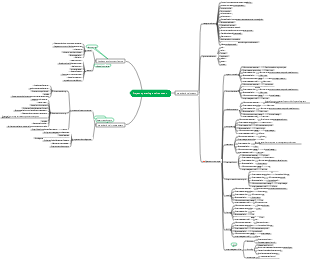
MindMap Gallery PMP (Chapter 1-3)-Introduction, project operating environment, role of project manager
This mind map, For Xisai PMP project management, Chapter 1-3 Summary of knowledge points, At the same time, there are PMP test questions corresponding to relevant knowledge points. From knowledge points to corresponding test questions, one-stop learning!
Edited at 2023-03-28 17:54:34This strategic SWOT analysis explores how Aeon can navigate the competitive online landscape, highlighting strengths, weaknesses, opportunities, and threats. Strengths include strong brand recognition (trusted Japanese heritage, quality), omnichannel capabilities (stores + online + mall integration), customer loyalty programs (Aeon Card, points, member pricing), and physical footprint (extensive store network for pickup/returns). Weaknesses encompass digital maturity gaps (e-commerce penetration, app functionality, personalization vs. Amazon, Alibaba), cost structure challenges (store-heavy, real estate, labor), and supply chain complexity (fresh food, frozen logistics for online). Opportunities include enhancing e-commerce competitiveness (faster delivery, wider assortment, lower minimum order), leveraging data-driven strategies (purchase history, personalized offers, inventory optimization), expanding omnichannel integration (buy online pick up in store, ship from store), and private label growth (Topvalu, localized brands). Threats involve online-first players (Amazon, Alibaba, Sea Limited) with lower costs, wider selection, faster delivery, market dynamics (changing consumer behavior post-COVID, discount competitors), and regulatory risks (data privacy, cross-border e-commerce rules). Aeon can strengthen market position by investing in digital capabilities, leveraging store assets for omnichannel, and using customer data for personalization, while addressing cost structure and online competition.

This analysis explores how Aeon effectively tailors offerings to meet the diverse needs of family-oriented consumers through a comprehensive Segmentation, Targeting, and Positioning (STP) framework. Demographic segmentation examines family life stages (young families with babies, school-aged children, teenagers, empty nesters), household sizes (small vs. large), income levels (mass, premium), and parent age bands (millennials, Gen X). This identifies distinct consumer groups with different spending patterns. Geographic segmentation highlights store catchment types (urban, suburban, rural), community characteristics (density, income, competition), and local preferences (fresh food, halal, Japanese products). Psychographic segmentation delves into family values (health, safety, education, convenience), lifestyle orientations (busy professionals, home-centered, eco-conscious). Behavioral segmentation focuses on shopping missions (daily grocery, weekly stock-up, seasonal shopping), price sensitivity (value seekers, premium), channel preferences (in-store, online, pickup). Needs-based segmentation reveals core family needs related to value (good-better-best pricing), budget considerations (affordability, promotions, member pricing), safety (food quality, product recall), convenience (one-stop shopping, parking, store hours). Targeting prioritizes young families with school-aged children, budget-conscious households, and convenience-seeking shoppers. Positioning emphasizes Aeon as a family-friendly, value-for-money, one-stop destination with Japanese quality and local relevance. These insights enhance family shopping experiences through tailored assortments (kids’ products, school supplies), promotions (family bundles, weekend events), and services (nursing rooms, kids’ play areas).
This Kream Sneaker Consumption Scene Analysis Template aims to visualize purchasing and consumption journeys of sneakers, identifying key demand drivers and obstacles. User behavior within Kream includes searching, bidding, buying, selling, authentication, and community engagement. External influences include brand drops (Nike, Adidas), social media (Instagram, TikTok), influencer hype, and cultural trends. Target categories: limited editions, collaborations, retro releases, performance sneakers, and general releases. Timeframes: launch day, first week, first month, long-term (seasonal, yearly). Regions: North America, Europe, Asia (Korea, China, Japan). User segments: Collectors: value rarity, condition, completeness (box, accessories). KPIs: collection size, spend, authentication rate. Resellers: value profit margin, volume, turnover. KPIs: sell-through rate, average profit, listing frequency. Sneakerheads: value hype, trends, community validation. KPIs: purchase frequency, social engagement, wishlist adds. Casual trend followers: value style, convenience, price. KPIs: conversion rate, average order value, repeat purchases. Gift purchasers: value ease, presentation, brand trust. KPIs: gift message usage, return rate. Consumption journey: Awareness: social media, email, push notifications. Search: browse, filter, search by brand, model, size. Purchase: bid, buy now, payment, shipping. Authentication: inspection, verification, certification. Resale: list, price, sell, transfer. Sharing: review, unboxing, social post, community discussion. Key performance indicators: conversion rate, sell-through rate, average order value, customer lifetime value, authentication pass rate, return rate, Net Promoter Score. This framework helps understand sneaker trading dynamics, user motivations, and touchpoints for engagement and satisfaction.
This strategic SWOT analysis explores how Aeon can navigate the competitive online landscape, highlighting strengths, weaknesses, opportunities, and threats. Strengths include strong brand recognition (trusted Japanese heritage, quality), omnichannel capabilities (stores + online + mall integration), customer loyalty programs (Aeon Card, points, member pricing), and physical footprint (extensive store network for pickup/returns). Weaknesses encompass digital maturity gaps (e-commerce penetration, app functionality, personalization vs. Amazon, Alibaba), cost structure challenges (store-heavy, real estate, labor), and supply chain complexity (fresh food, frozen logistics for online). Opportunities include enhancing e-commerce competitiveness (faster delivery, wider assortment, lower minimum order), leveraging data-driven strategies (purchase history, personalized offers, inventory optimization), expanding omnichannel integration (buy online pick up in store, ship from store), and private label growth (Topvalu, localized brands). Threats involve online-first players (Amazon, Alibaba, Sea Limited) with lower costs, wider selection, faster delivery, market dynamics (changing consumer behavior post-COVID, discount competitors), and regulatory risks (data privacy, cross-border e-commerce rules). Aeon can strengthen market position by investing in digital capabilities, leveraging store assets for omnichannel, and using customer data for personalization, while addressing cost structure and online competition.
This analysis explores how Aeon effectively tailors offerings to meet the diverse needs of family-oriented consumers through a comprehensive Segmentation, Targeting, and Positioning (STP) framework. Demographic segmentation examines family life stages (young families with babies, school-aged children, teenagers, empty nesters), household sizes (small vs. large), income levels (mass, premium), and parent age bands (millennials, Gen X). This identifies distinct consumer groups with different spending patterns. Geographic segmentation highlights store catchment types (urban, suburban, rural), community characteristics (density, income, competition), and local preferences (fresh food, halal, Japanese products). Psychographic segmentation delves into family values (health, safety, education, convenience), lifestyle orientations (busy professionals, home-centered, eco-conscious). Behavioral segmentation focuses on shopping missions (daily grocery, weekly stock-up, seasonal shopping), price sensitivity (value seekers, premium), channel preferences (in-store, online, pickup). Needs-based segmentation reveals core family needs related to value (good-better-best pricing), budget considerations (affordability, promotions, member pricing), safety (food quality, product recall), convenience (one-stop shopping, parking, store hours). Targeting prioritizes young families with school-aged children, budget-conscious households, and convenience-seeking shoppers. Positioning emphasizes Aeon as a family-friendly, value-for-money, one-stop destination with Japanese quality and local relevance. These insights enhance family shopping experiences through tailored assortments (kids’ products, school supplies), promotions (family bundles, weekend events), and services (nursing rooms, kids’ play areas).
This Kream Sneaker Consumption Scene Analysis Template aims to visualize purchasing and consumption journeys of sneakers, identifying key demand drivers and obstacles. User behavior within Kream includes searching, bidding, buying, selling, authentication, and community engagement. External influences include brand drops (Nike, Adidas), social media (Instagram, TikTok), influencer hype, and cultural trends. Target categories: limited editions, collaborations, retro releases, performance sneakers, and general releases. Timeframes: launch day, first week, first month, long-term (seasonal, yearly). Regions: North America, Europe, Asia (Korea, China, Japan). User segments: Collectors: value rarity, condition, completeness (box, accessories). KPIs: collection size, spend, authentication rate. Resellers: value profit margin, volume, turnover. KPIs: sell-through rate, average profit, listing frequency. Sneakerheads: value hype, trends, community validation. KPIs: purchase frequency, social engagement, wishlist adds. Casual trend followers: value style, convenience, price. KPIs: conversion rate, average order value, repeat purchases. Gift purchasers: value ease, presentation, brand trust. KPIs: gift message usage, return rate. Consumption journey: Awareness: social media, email, push notifications. Search: browse, filter, search by brand, model, size. Purchase: bid, buy now, payment, shipping. Authentication: inspection, verification, certification. Resale: list, price, sell, transfer. Sharing: review, unboxing, social post, community discussion. Key performance indicators: conversion rate, sell-through rate, average order value, customer lifetime value, authentication pass rate, return rate, Net Promoter Score. This framework helps understand sneaker trading dynamics, user motivations, and touchpoints for engagement and satisfaction.
PMP (Chapter 1-3)-Introduction, Project operating environment, project manager role
Chapter 1 Introduction
1. Projects and features
definition
A project is temporary work undertaken to create a unique product, service or outcome
characteristic
unique
1. There are only differences in the production process or results
2. It is possible to use "the same team members", "the same technology", "the same production process", and possibly even produce "the same results"
Temporary
There is a clear start and end time node, regardless of the length of time
progressive detailing
Complete first, then perfect
effect
Drive organizational change
Create business value
2. Basic elements of the project
Start background
Address factors affecting the organization's ongoing operations and business strategy
1. Comply with laws, regulations or social requirements
law
2. Meet the requirements or needs of relevant parties
need
3. Execute and change business or technology strategies
strategy
4. Create, improve or repair products, processes or services
product
Driver changes
Create business value
1. Prosperous (effective)
monetary assets
Shareholders' equity
Public utilities
Fixed facilities
tool
market share
2. Intangible (virtual name)
Commercial reputation
Brand Awareness
Public Interest
trademark
strategic consistency
reputation
3. Project management development history
4. Organizational Project Management (OPM)
definition
A framework for integrating portfolio, program, and project management with organizational drivers to achieve strategic goals
project
1. Focus on the project itself
interdependence
2. core
implement
3. Managed objects
project team members
4. Outcome standards
Project baseline
Program
1. definition
is a set of interrelated and coordinated activities
I. project
II. Subprogram
III. Program
In order to obtain benefits that cannot be obtained by separate management
2. Focus on projects and programs
Dependencies
1 1>2
3. Program manager
1. No project management
2. Rather, it coordinates integration or conflicting work between projects
1. integrated
Go through all the procedures and buy materials
2. conflict
If you want to use a road at the same time
3. Managed objects
1. project manager
2. Program
4. core
integrated
5. Outcome standards
demand income
Portfolio
1. definition
activities managed together to achieve strategic objectives
1. project
2. Program
3. Sub-project portfolio
4. operations
through ongoing activities
An organizational function that produces the same product or provides repetitive services
Target
To keep the business running
5. Characteristics of Operations and Projects
operations
persistence, repetition
project
temporary, unique
2. program or project
Not necessarily dependent on or directly related to each other
When conducting organizational and portfolio planning
1. based on risk, funding and other considerations
2. Portfolio components
Prioritize
3. Management object
Project Portfolio Manager
4. core
choose
5. Outcome standards
strategic benefits
5. Project life cycle
definition
The series of stages a project goes through from inception to completion
Stage of project
It is a collection of project activities with logical relationships
Typically ends with the completion of one or more deliverables
Development life cycle
Waterfall (predictive, plan-driven)
1. definition
scope, schedule, cost
determined at an early stage
2. Be applicable
Fully understand the product
Have a solid industry foundation
Incremental
1. definition
within a predetermined time interval
A series of increments that incrementally add product functionality to produce deliverables
gradual increase
from part to whole
Clear scope, low degree of change, high number of deliveries
2. Only after the last increment has the necessary and sufficient capabilities been acquired, the deliverable can be considered complete
Iterative
definition
scope
Determine early
But time and cost estimates
As the project team continues to deepen their understanding of the product,
And modify it regularly
repetitive cycle
from blur to clarity
Agile (applicable, change-driven)
1. definition
Detailed scope
before each iteration starts
defined and approved
2. Small increments, quick iterations, delivering the most value every time
High frequency of changes and high number of deliveries
3. Frequent delivery and continuous involvement of relevant parties
4. Be applicable
Need to cope with a rapidly changing environment
Requirements and scope are difficult to determine in advance
Development life cycle comparison
Comparison of four life cycles
6. Various stages
stages and gates
definition
Take place at the end of the project phase
Communicate project performance and progress
Project documents and business documents
1. Project business case
2. Project Charter
3. Project management plan
4. Benefit management plan
Compare the two
Determine whether you can move to the next stage
Attributes
measurable and unique
Deliverables
key components
stage review
Stage composition
Stage name, quantity, duration, resource requirements, stage entry criteria, exit criteria
7.Basic methodology of project management
Five process groups
Top ten areas of knowledge
49 processes
ITTO
Crop
8. Manage business documents
needs assessment
1. Usually done before a business case
2. include
Understand business goals and objectives, issues and opportunities
Make suggestions for handling
3. as a result
May be summarized in a business case document
business case
1. definition
1. Refers to a documented economic feasibility study report
Documentation
Economic feasibility study report
2. used to
lacks adequate definition
Demonstrate effectiveness of the benefits of the selected plan
3. It is the basis for initiating subsequent project management activities.
Start basis
Such as cost-benefit analysis data
2. Features
1. Pass business case before project launch
Decisions to continue/terminate the project may be made
2. A business case is a project business document
Can be used throughout the project lifecycle
3. The business case sets out the objectives and rationale for starting the project
Helps measure project success against project objectives at the end of the project
Benefit Management Plan
1. definition
1. Describes how and when the project will realize its benefits
benefit
direction
time
2. and the effectiveness measurement mechanism that should be developed
2. Key elements
1. target benefit
tangible value
intangible value
financial value
net present value
2. strategic consistency
The degree to which project benefits are aligned with the organization’s business strategy
3. time frame to realize benefits
stage benefit
short term benefits
long term benefits
Sustained benefits
4. Benefit Responsible Person
The person responsible for monitoring, documenting and reporting on the benefits achieved throughout the time frame
5. measurement standard
Direct and indirect measurements of realized benefits
6. hypothesis
Factors expected to be present or evident
7. risk
Risks in realizing benefits
3. Features
1. Requires the use of data and information from the business case and needs assessment
needs assessment
business case
Need data and information from both
2. Development and maintenance is an iterative activity
Iterate
3. It is the basis for the business case, project charter and project management plan
Supplementary documents
4. The project manager and sponsor work together to ensure
Project Charter
project management plan
Benefit Management Plan
Be consistent throughout the project lifecycle
Project Charter
definition
1. by project sponsor
release
2. Official approval of project establishment
3. and authorize the project manager
mobilize organizational resources
Documentation for carrying out project activities
project management plan
definition
Is a document that describes how a project will be executed, monitored, and controlled
Project success criteria
In addition to reaching
1. scope
2. time
3. cost
4. quality
Important indicators
Achievement of project objectives should also be considered
Complete benefit management plan
Achieve the financial targets documented in the business case
1. Net present value (NPV)
2. Return on Investment (ROI)
3. Internal rate of return (IRR)
4. Payback Period (PBP)
5. Benefit Cost Ratio (BCR)
Complete the transition of the organization from "current state" to "future state"
Fulfill contract terms and conditions
Satisfy interested parties
Achieve organizational strategy, goals and objectives
Chapter 2 Project Operating Environment
Two major factors affecting the project
1. Business environment factors
Originating from outside the project (often outside the enterprise)
outside the company
1. Social and cultural influences and issues
2. market conditions
3. physical environment elements
4. business database
5. Government or industry standard academic research
6. financial considerations
inside and outside
Inside the company, outside the project
1. Organizational culture, structure, governance
2. Geographic distribution of facilities and resources
3. infrastructure
4. information technology software
5. Resource availability
6. Staff ability
objective existence
May be influential or helpful
PM cannot choose
2. Internal organizational process assets
experiences and lessons
helpful for the future
can accumulate
PM can choose
Originating within the enterprise, may come from the enterprise itself, a portfolio, program, other projects, or a combination of these
organizational system
management elements
Function
For example, responsible for security, development, production
governance framework
management of management
Organization structure type
Functional
advantage
A leader with strong professionalism
shortcoming
Departmental barriers and lack of focus on cross-functional projects
Project type
advantage
Clear structure, one leader, unified management, easy team building, and smooth communication
weakness
Project managers are T-shaped talents, data is duplicated and wasted, and members lack a sense of security.
weak matrix
Project manager has weak power
balanced matrix
Exam default
strong matrix
Project managers have great power
Multiple management, difficult to communicate
Project Management Office (PMO)
Resource Sharing
unified practice approach
Guidance, coaching, training and supervision
Cross-project communication
Resource coordination
type
Supportive
Serve as an advisor, providing the project with templates, best practices, and information and lessons learned from other projects
Resource library
Controlling
Not only provide support to the project, but also require the project to obey through various means
Moderate level of control
command type
Directly manage and control the project, with the project manager designated by and reporting to the PMO
High degree of control
Chapter 3 The Role of the Project Manager
1. integrator
Bandleader
T-shaped talents
80%-90% of the time is spent communicating
Assign talents, track progress and report
2. the difference
project manager
Organize delegation and lead the team to achieve project goals
functional manager
Focus on management supervision in a certain functional area
operations manager
Responsible for ensuring the efficiency of business operations
3. Scope and objects of influence of project manager
4. PMI Talent Triangle
Technical project management
leadership
Follow me
Strategy and Business Management
Think offside, operate in place
5. PM professional ethics
Responsibility, respect, fairness, honesty
Maintain personal integrity and integrity
Resolve conflicts of interest
Balance the interests of relevant parties
Respect the intellectual property rights of others
Properly resolve culturally sensitive issues
Contribute to the project management industry
saint
1. Proactively solve problems
2. Haoran is upright
6. Project manager skills
Ways to manage relationships and conflicts
1. establish trust
2. Address concerns
3. seek consensus
4. Balancing competing and opposing goals
5. Use persuasion, negotiation, compromise and conflict resolution skills
6. Develop and nurture personal and professional networks
7. Taking a long-term view of relationships is as important as projects
8. Continue to develop and apply political acumen
way of communication
1. Spend a lot of time communicating
Research shows that top project managers spend about 90% of their time on communication
2. manage expectations
3. Accept feedback sincerely
4. Give constructive feedback
5. ask and listen