Wondershare EdrawMind
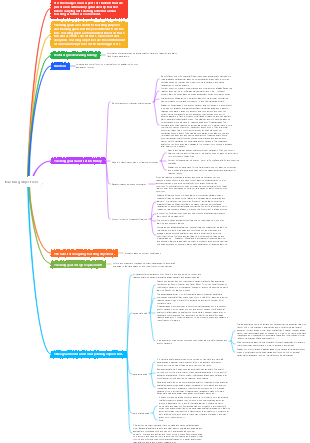
MindMap Gallery 3.1 Teaching goal preparation skills
3.1 Teaching goal preparation skills
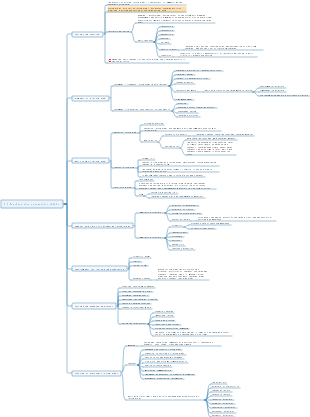
This is a mind map about 3.1 teaching goal preparation skills. Teaching goals are the results or standards expected to be achieved by teaching activities, that is, the expected changes in students' physical and mental aspects.
Edited at 2024-03-31 14:19:29
- 2026 US Canada Mexico World Cup Champion and Dark Horse Prediction Analysis
This mind map analyzes favorites and dark horses for the 2026 FIFA World Cup, hosted by the USA, Canada, and Mexico. With the expansion to 48 teams, the competitive landscape has shifted. The objective is to identify top contenders and surprise packages. Key performance indicators include prediction accuracy and user engagement. Favorites: A Clear Top Four Spain emerges as the consensus front-runner at +400 odds. They are reigning European champions, powered by Lamine Yamal and Ballon d‘Or winner Rodri. France follows at +600, possessing the deepest talent pool led by Kylian Mbappé. They have reached the previous two finals. England ranks third at +550, qualifying with a perfect record: eight wins, zero goals conceded. New manager Thomas Tuchel has instilled defensive solidity. Argentina, the defending champions, sits fourth at +800. Lionel Messi, now 39, leads what is likely his final World Cup. Dark Horses: Potential Surprises Ecuador is a compelling dark horse on a 17-match unbeaten streak, keeping 13 clean sheets. Their counter-attacking style, anchored by Moisés Caicedo, suits knockout football. Japan has defeated Germany, Spain, and Brazil since 2022. Their well-drilled pressing system could surpass their previous Round of 16 ceiling. Norway qualifies for their first World Cup since 1998. Erling Haaland makes them a threat against any opponent. Colombia, led by Luis Díaz, sits at the intersection of dark horse and fringe favorite. Host nations USA (+5000) and Mexico (+6500) have home-soil advantage but face long odds. Conclusion Spain enters as the team to beat, but France, England, and Argentina remain contenders. Among dark horses, Ecuador‘s defensive solidity, Japan’s tactical discipline, and Norway‘s offensive firepower make them most likely to exceed expectations. This mind map is created with EdrawMax and EdrawMind, serving as an essential guide for analysts and fans.
- 2026 US Canada Mexico World Cup Full Analys
Discover the transformative power of AI in our community with this engaging introduction! In this discussion, we will explore three main topics the definition and fundamentals of AI, its applications across various industries, and the ethical considerations surrounding its use. Firstly, we will delve into what AI(This content is AI-generated. It is for reference only)
- 장가계 5일 4박 심층 여행 가이드 템플릿
장가계 5일 4박 심층 여행 가이드 템플릿 — EdrawMind로 제작된 한국인 맞춤형 여행 계획 마인드맵으로, 중국 장가계 여행을 체계적으로 준비하고 실행할 수 있도록 돕는 전문 시각화 도구입니다. 이 템플릿은 여행의 전 과정을 아우르는 5대 핵심 모듈(출발 전 준비사항·추천 체험·실용 팁·유의사항·일차별 세부 일정)으로 구성되어 있으며, 각 단계별로 필수 정보를 한눈에 파악할 수 있도록 설계되었습니다. 출발 전 준비사항에서는 한국 여권 소지자의 비자 규정(15일 체류 무비자), 최적 여행 시기(4~10월, 특히 4월과 10월 추천), 현지 교통 안내(장가계 화이국제공항에서 직통 버스 3시간 소요), 필수 준비물(등산화·우산·보조배터리·위장막 등)까지 실용적인 정보를 제공합니다. 추천 체험에서는 부모님과 함께하는 효도 여행·한국 드라마 촬영지 탐방·고봉에서의 평지 방문·우황채에서의 짚라인 체험 등 장가계만의 특별한 활동을 제안하며, 전통문화 체험으로 무투자 문화촌의 공연과 송품 체험을 소개합니다. 실용 팁에서는 주요 관광지 내 한국어 안내 서비스 운영, 현지 음식점의 한국어 메뉴 지원, 무료 셔틀버스 이용 안내, 예산 계획(1인당 2000~3000위안)까지 한국인 여행객의 편의를 고려한 정보를 담고 있습니다. 유의사항에서는 환율 기준(2026년 4월 기준 1위안≈216.56원), 환전 팁, 명함 관광 피하기 등 안전하고 즐거운 여행을 위한 주의사항을 정리했습니다. 일차별 세부 일정은 1일차 도착과 시내 관광부터 5일차 문화 체험과 귀국까지 단계별로 구성되어 있습니다. 1일차는 공항 도착 후 호텔 체크인과 시내 맛집 탐방, 2일차는 장가계 국가삼림공원 산악 코스, 3일차는 산하·채곡 코스, 4일차는 텐먼산 국가삼림공원 관광, 5일차는 무투성 방문과 기념품 구매로 이어지며, 각 일차별로 이동 수단·숙박·식사·관광지의 세부 정보(요금·이동 시간·추천 활동)를 구체적으로 제시하여 여행의 혼란을 줄여줍니다. EdrawMind의 강력한 마인드맵 기능을 활용해 사용자는 자신의 여행 스타일에 맞춰 일정・예산・테마를 자유롭게 수정할 수 있으며, 한국어로 작성된 템플릿이라 편리하게 사용할 수 있습니다. 여행 계획 발표・동반자와의 일정 공유・개인 여행 기록 등 다양한场景에서 활용 가능하며, 전문적이고 체계적인 여행 계획을 쉽게 완성할 수 있도록 지원합니다.
3.1 Teaching goal preparation skills
- 2026 US Canada Mexico World Cup Champion and Dark Horse Prediction Analysis
This mind map analyzes favorites and dark horses for the 2026 FIFA World Cup, hosted by the USA, Canada, and Mexico. With the expansion to 48 teams, the competitive landscape has shifted. The objective is to identify top contenders and surprise packages. Key performance indicators include prediction accuracy and user engagement. Favorites: A Clear Top Four Spain emerges as the consensus front-runner at +400 odds. They are reigning European champions, powered by Lamine Yamal and Ballon d‘Or winner Rodri. France follows at +600, possessing the deepest talent pool led by Kylian Mbappé. They have reached the previous two finals. England ranks third at +550, qualifying with a perfect record: eight wins, zero goals conceded. New manager Thomas Tuchel has instilled defensive solidity. Argentina, the defending champions, sits fourth at +800. Lionel Messi, now 39, leads what is likely his final World Cup. Dark Horses: Potential Surprises Ecuador is a compelling dark horse on a 17-match unbeaten streak, keeping 13 clean sheets. Their counter-attacking style, anchored by Moisés Caicedo, suits knockout football. Japan has defeated Germany, Spain, and Brazil since 2022. Their well-drilled pressing system could surpass their previous Round of 16 ceiling. Norway qualifies for their first World Cup since 1998. Erling Haaland makes them a threat against any opponent. Colombia, led by Luis Díaz, sits at the intersection of dark horse and fringe favorite. Host nations USA (+5000) and Mexico (+6500) have home-soil advantage but face long odds. Conclusion Spain enters as the team to beat, but France, England, and Argentina remain contenders. Among dark horses, Ecuador‘s defensive solidity, Japan’s tactical discipline, and Norway‘s offensive firepower make them most likely to exceed expectations. This mind map is created with EdrawMax and EdrawMind, serving as an essential guide for analysts and fans.
- 2026 US Canada Mexico World Cup Full Analys
Discover the transformative power of AI in our community with this engaging introduction! In this discussion, we will explore three main topics the definition and fundamentals of AI, its applications across various industries, and the ethical considerations surrounding its use. Firstly, we will delve into what AI(This content is AI-generated. It is for reference only)
- 장가계 5일 4박 심층 여행 가이드 템플릿
장가계 5일 4박 심층 여행 가이드 템플릿 — EdrawMind로 제작된 한국인 맞춤형 여행 계획 마인드맵으로, 중국 장가계 여행을 체계적으로 준비하고 실행할 수 있도록 돕는 전문 시각화 도구입니다. 이 템플릿은 여행의 전 과정을 아우르는 5대 핵심 모듈(출발 전 준비사항·추천 체험·실용 팁·유의사항·일차별 세부 일정)으로 구성되어 있으며, 각 단계별로 필수 정보를 한눈에 파악할 수 있도록 설계되었습니다. 출발 전 준비사항에서는 한국 여권 소지자의 비자 규정(15일 체류 무비자), 최적 여행 시기(4~10월, 특히 4월과 10월 추천), 현지 교통 안내(장가계 화이국제공항에서 직통 버스 3시간 소요), 필수 준비물(등산화·우산·보조배터리·위장막 등)까지 실용적인 정보를 제공합니다. 추천 체험에서는 부모님과 함께하는 효도 여행·한국 드라마 촬영지 탐방·고봉에서의 평지 방문·우황채에서의 짚라인 체험 등 장가계만의 특별한 활동을 제안하며, 전통문화 체험으로 무투자 문화촌의 공연과 송품 체험을 소개합니다. 실용 팁에서는 주요 관광지 내 한국어 안내 서비스 운영, 현지 음식점의 한국어 메뉴 지원, 무료 셔틀버스 이용 안내, 예산 계획(1인당 2000~3000위안)까지 한국인 여행객의 편의를 고려한 정보를 담고 있습니다. 유의사항에서는 환율 기준(2026년 4월 기준 1위안≈216.56원), 환전 팁, 명함 관광 피하기 등 안전하고 즐거운 여행을 위한 주의사항을 정리했습니다. 일차별 세부 일정은 1일차 도착과 시내 관광부터 5일차 문화 체험과 귀국까지 단계별로 구성되어 있습니다. 1일차는 공항 도착 후 호텔 체크인과 시내 맛집 탐방, 2일차는 장가계 국가삼림공원 산악 코스, 3일차는 산하·채곡 코스, 4일차는 텐먼산 국가삼림공원 관광, 5일차는 무투성 방문과 기념품 구매로 이어지며, 각 일차별로 이동 수단·숙박·식사·관광지의 세부 정보(요금·이동 시간·추천 활동)를 구체적으로 제시하여 여행의 혼란을 줄여줍니다. EdrawMind의 강력한 마인드맵 기능을 활용해 사용자는 자신의 여행 스타일에 맞춰 일정・예산・테마를 자유롭게 수정할 수 있으며, 한국어로 작성된 템플릿이라 편리하게 사용할 수 있습니다. 여행 계획 발표・동반자와의 일정 공유・개인 여행 기록 등 다양한场景에서 활용 가능하며, 전문적이고 체계적인 여행 계획을 쉽게 완성할 수 있도록 지원합니다.
- Recommended to you
- Outline