MindMap Gallery Neurology Chapter 2 Cerebrovascular Diseases002
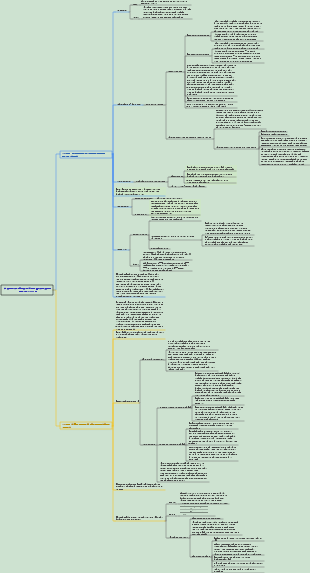
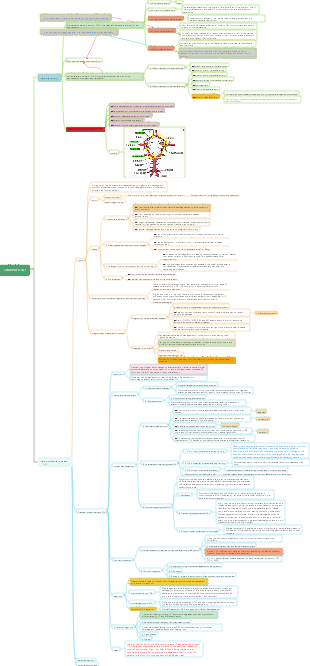
Neurology Chapter 2 Cerebrovascular Disease 002 Mind Map, Cerebral infarction refers to a type of clinical syndrome in which brain blood supply disorders are caused by various reasons, causing ischemia and hypoxic necrosis of local brain tissue, followed by corresponding neurological deficits. Symptoms; is the most common type of stroke.
Edited at 2024-03-25 23:39:55本テンプレートは、日本人に人気の海外リゾート地「ハワイ・オアフ島」を対象とした、5 日間の充実したモデル旅行プランを体系化したマインドマップです。初めてハワイを訪れる旅行者、リピーター、家族連れやカップルなど、多様なニーズに対応するため、旅行基本情報・持ち物チェックリスト・5 日間詳細スケジュール・オプションプラン・事前準備情報の 5 つの軸で構成されています。対象読者は日本からオアフ島へ旅行を計画中の 20〜50 代の旅行者であり、成果指標としては、情報の網羅性(渡航手続きから現地体験まで必要な項目が過不足なく含まれているか)、実用性(移動時間や費用、予約のタイミングなどの正確さ)、体験の充実度(自然・文化・アクティビティ・食事のバランス)を測定します。 ユーザーニーズ分析では、渡航準備・現地移動・体験プラン・安全情報の 4 領域を掘り下げます。渡航準備においては、ESTA 申請、飛行機の予約、為替、パスポートの有効期限、海外旅行保険など、事前に整えるべき情報が不足していると計画が難しくなります。求められる価値としては、渡航に必要な手続きの流れ、必要な持ち物リスト、季節別の服装アドバイス、現地で使えるアプリや連絡先などが考えられます。現地移動では、ワイキキ内の徒歩・バス移動、レンタカーの利用方法、空港からのアクセス、交通機関のルール(右側通行など)が主な関心事です。悩みとしては、バスの路線が分からない、レンタカーの予約手続きが不安、現地での移動時間の目安が分からないなどが挙げられます。体験プランでは、ビーチでのんびり、ダイヤモンドヘッドのハイキング、ノースショアでのサーフィン、ハレイワタウン散策、ポリネシアン・カルチャーセンターでの文化体験など、オアフ島の魅力を網羅したプランが求められます。悩みとしては、限られた日数で主要スポットを効率よく回れない、予算に合ったアクティビティの選び方が分からない、人気のレストランやショップの情報が不足しているなどが挙げられます。安全情報では、ハワイ特有の注意点(紫外線対策、海での安全ルール、治安情報)、緊急時の連絡先、現地でのトラブル対応方法など、旅行者が不安に感じる点を整理することが重要です。 5 日間のモデルコースでは、各日のテーマを明確に設定し、体験のバランスを考慮しています。1 日目は「到着日・ワイキキ慣らし」として、ホノルル国際空港に到着後、ワイキキのホテルにチェックインし、夕方からワイキキビーチでのんびりしたり、夜は地元料理を味わったりして、ハワイの雰囲気に慣れる行程です。2 日目は「自然体験&ショッピング」として、午前中にダイヤモンドヘッドのハイキングに挑戦し、午後はアラモアナセンターやワイキキでショッピングを楽しみ、夜はハワイアン・ルアウショーを鑑賞する行程です。3 日目は「歴史文化巡り」として、イオラニ宮殿やパールハーバー(真珠湾)を訪れてハワイの歴史に触れ、午後はダウンタウンホノルルで街歩きをし、夜はインターナショナルマーケットプレイスで食事や買い物を楽しむ行程です。4 日目は「北海岸&大自然体験」として、オプションでノースショアへ向かい、ハレイワタウンで散策したり、サーフィンを体験したり、美しいビーチでのんびり過ごす行程で、夜はワイキキに戻って食事を楽しみます。5 日目は「最終日・思い出作り」として、午前中にワイキキビーチでの最後の散策や、お土産を買いに街を巡り、午後は空港へ移動して帰国する行程です。各日には、おすすめの時間帯、混雑しにくいタイミング、予約が必要なアクティビティの情報などを付け加え、実際に旅行する際の参考になるよう工夫しています。 また、テンプレートには持ち物チェックリストも含まれており、パスポート・ESTA、海外旅行保険証書、現金・クレジットカード、日焼け止め・帽子・サングラス、歩きやすい靴、薬、充電器など、海外旅行に必要なアイテムをリストアップしています。さらに、事前準備情報として、ネット環境の確保、現地で使えるアプリ、緊急連絡先、季節別の服装アドバイスなども記載し、旅行者の不安を解消するようサポートします。 EdrawMind のマインドマップ機能を活用することで、ユーザーは自身の旅行スタイルに合わせて行程を追加・削除したり、好みのアクティビティをハイライトしたりすることができます。例えば、ゆっくりリゾートを楽しみたい方はショッピングやハイキングの時間を減らしてビーチでの時間を増やしたり、アクティブに過ごしたい方はノースショアでのサーフィンやダイビングを追加したりするなど、カスタマイズも自由自在です。このテンプレートは、オアフ島の旅行計画を立てる際の基盤として活用することを想定しており、主要な情報が一目で分かるよう整理されているため、初めてハワイを

本テンプレートは、古都・奈良の世界遺産、鹿とのふれあい、歴史的な雰囲気を存分に楽しむための 1 泊 2 日旅行プランを体系化したマインドマップです。修学旅行や短期文化旅行、週末の小旅行に人気の奈良を対象に、イメージ・種類・交通・宿泊の 4 つの基本軸を設け、2 日間の具体的な行程を時系列で整理しています。対象読者は大阪・京都在住の 20〜40 代の一人旅・カップル・家族連れ、初めて奈良を訪れる旅行者、世界遺産や日本文化に興味のある層であり、成果指標としては、行程の網羅性(主要スポットが過不足なく含まれているか)、実用性(移動時間や混雑情報の正確さ)、体験の充実度(鹿とのふれあい・文化体験の満足度)を測定します。 ユーザーニーズ分析では、行程・体験・交通・注意点の 4 領域を掘り下げます。行程においては、「東大寺」「春日大社」「奈良国立博物館」といった世界遺産の回り方、「奈良公園」での鹿とのふれあい、「奈良町」の古い町並み散策がユーザーの関心事となります。悩みとしては、限られた時間で主要スポットを効率よく回れない、鹿との接し方が分からない、徒歩移動の負担が心配などが挙げられます。求められる価値としては、時間帯別のおすすめルート、鹿と安全に接するためのマナー説明、無理のない徒歩移動のための休憩ポイント案内が考えられます。体験面では、鹿せんべいの購入場所や与え方、春日大社の灯篭や御朱印の魅力、奈良町のカフェや伝統工芸体験など、現地でしか味わえない体験情報が求められます。交通においては、奈良市内のバス路線や一日券の情報、主要スポット間の徒歩時間、雨天時の移動手段など、事前に知っておくべき情報が不足していると計画が難しくなります。注意点では、天候対策(夏の暑さや冬の寒さ)、スケジュールのゆとり作り、写真撮影のルールやマナー、ゴミの持ち帰りなど、旅行者が見落としがちな点を整理することが重要です。 行程の中でも、特に人気の高いスポットには詳細な情報を盛り込んでいます。「東大寺」は世界遺産に登録されており、奈良時代に建立された日本を代表する寺院で、世界最大級の木造建築物である大仏殿や、高さ約 15 メートルの盧舎那仏(奈良の大仏)が有名です。事前にコインロッカーに荷物を預けて身軽になってから訪れることで、ゆっくりと境内を散策できるほか、大仏殿の柱の穴をくぐると「厄除けになる」という言い伝えもあり、多くの観光客が体験しています。「奈良公園」は東大寺や春日大社を含む広大な公園で、約 1,300 頭の野生の鹿が自由に生息しており、鹿せんべいを使って鹿とふれあうことができます。ただし、鹿は野生動物であるため、エサの与え方や触れ方には注意が必要で、事前にルールを確認しておくことが推奨されます。「春日大社」は朱色の社殿と美しい灯篭が特徴的な世界遺産で、参道には 3,000 基を超える石灯篭が並び、神聖な雰囲気を醸し出しています。特に夜間にライトアップされた灯篭は幻想的で、写真撮影にも人気です。 1 泊 2 日のモデルコースでは、初日に東大寺・奈良公園・春日大社を巡り、夜は奈良町の古い町並みを散策して地元料理を味わう行程を提案しています。二日目には、若草山から奈良の街並みを一望した後、興福寺や奈良国立博物館を訪れ、奈良町で伝統工芸体験やカフェ巡りを楽しんでから帰路に就く流れとなっています。各スポットには、徒歩時間や混雑しにくい時間帯、おすすめの食事処などの情報を付け加え、実際に旅行する際の参考になるよう工夫しています。また、旅行の注意点として、スケジュールは体調に合わせて無理のないペースで調整すること、天候に合わせて水分補給や防寒・防暑対策を徹底すること、神社仏閣での写真撮影ルールを守ることなどを記載し、安全で快適な旅行をサポートします。 EdrawMind のマインドマップ機能を活用することで、ユーザーは自身の旅行スタイルに合わせて行程を追加・削除したり、好みのスポットをハイライトしたりすることができます。一人旅向けには静かなカフェ巡りを追加したり、家族連れ向けには鹿とのふれあい体験を充実させたりするなど、カスタマイズも自由自在です。このテンプレートは、奈良の旅行計画を立てる際の基盤として活用することを想定しており、主要な情報が一目で分かるよう整理されているため、初めて奈良を訪れる方でも安心して旅行を楽しむことができます。
本テンプレートは、東京から約90分でアクセス可能な温泉・富士山・美術館が融合したリゾート地「箱根」の週末旅行ガイドを体系化したマインドマップです。カップルや家族連れに人気の週末旅行先として、交通アクセス、観光スポット、名物料理の3軸で構成され、効率的な旅行計画と満足度の高い体験を実現することを目的としています。対象読者は東京在住の20〜40代のカップル・家族連れ、初めて箱根を訪れる旅行者、週末の小旅行を計画中の層であり、成果指標としては、情報の網羅性(必要な項目が過不足なく含まれているか)、実用性(実際の移動時間や料金の正確さ)、満足度(モデルプランの再現性)を測定します。 ユーザーニーズ分析では、交通アクセス、観光スポット、グルメの3領域を掘り下げます。交通アクセスにおいては、東京からの行き方(小田急ロマンスカー約85分・指定席、新宿→箱根湯本、普通電車約2時間・乗換2回)、箱根内の移動手段(登山電車・バス・ケーブルカー・ロープウェイ)、お得な周遊券(箱根フリーパス・2日券)の情報が不足していると計画が難しくなります。求められる価値としては、交通機関別の所要時間・料金・乗換回数を比較した表、周遊券の特典内容(主要観光施設の割引)と購入場所、移動手段ごとのメリット・デメリットが考えられます。観光スポットでは、「箱根ガラスの森美術館」「クモ箱根(早雲山駅)」「芦ノ湖の夕暮れ遊覧船」などが代表的です。悩みとしては、美術館や自然スポットが多すぎて選べない、夕暮れ時の遊覧船のベストタイミングが分からない、写真映えするスポットを知りたいなどが挙げられます。価値ある情報として、おすすめスポットの特徴と所要時間、夕暮れ時の撮影ポイント、カップル向け・家族向けの選別基準を提供します。名物料理では、「黒たまご(大涌谷)」「温泉豆腐」などが代表的です。悩みは、どこで何を食べれば良いか分からない、観光地価格に見合う価値があるか、アレルギーや食事制限への対応などです。求められる価値として、名物料理の特徴とおすすめ店舗、価格帯、食べるタイミング(例:黒たまごは大涌谷観光の合間に)を整理します。 カップルにおすすめスポットとして、「箱根ガラスの森美術館」はユネスコ世界遺産(※正確には箱根地域全体がジオパークに認定されていますが、イメージとして)の美しい庭園とガラス作品が魅力です。写真はイメージですが、実際の訪日客にも人気のスポットです。名物料理のセクションでは、「黒たまご」は大涌谷の火山活動を利用して茹でられた卵で、殻が黒くなるのが特徴です。伝統的な名物料理として、食べると寿命が延びると言われています。「温泉豆腐」も地元の温泉を利用した料理で、なめらかな食感が特徴です。これらの情報をマップ上で可視化し、移動ルートと組み合わせることで、無駄のない観光計画が立てられます。 成功するための具体施策としては、主要スポットを時系列で結んだ「1泊2日モデルコース」を提供する(例:1日目:新宿→箱根湯本→登山電車→強羅→大涌谷→芦ノ湖遊覧船→宿泊、2日目:箱根ガラスの森美術館→箱根湯本→帰京)、各スポットの「混雑予想時間帯」と「穴場時間帯」をデータで示す(例:芦ノ湖遊覧船は夕暮れ時が混雑するが、その分景色は絶景)、名物料理を食べられる店舗の「営業時間・定休日・予約可否」をリスト化する、の3点が有効です。よくある失敗とその回避策としては、移動手段の乗換えが複雑で迷ってしまうケースでは箱根フリーパスの活用と事前のルート確認を推奨すること、観光スポットの滞在時間を見誤って計画が詰まりすぎるケースでは余裕を持ったスケジューリングと優先順位付けをアドバイスすること、天候によって富士山が見えない場合の代替プラン(雨天でも楽しめる美術館や温泉施設)を用意しておくことが有効です。本テンプレートは、週末旅行ガイドのコンテンツを計画・評価する際の基盤として活用することを想定しています。
本テンプレートは、日本人に人気の海外リゾート地「ハワイ・オアフ島」を対象とした、5 日間の充実したモデル旅行プランを体系化したマインドマップです。初めてハワイを訪れる旅行者、リピーター、家族連れやカップルなど、多様なニーズに対応するため、旅行基本情報・持ち物チェックリスト・5 日間詳細スケジュール・オプションプラン・事前準備情報の 5 つの軸で構成されています。対象読者は日本からオアフ島へ旅行を計画中の 20〜50 代の旅行者であり、成果指標としては、情報の網羅性(渡航手続きから現地体験まで必要な項目が過不足なく含まれているか)、実用性(移動時間や費用、予約のタイミングなどの正確さ)、体験の充実度(自然・文化・アクティビティ・食事のバランス)を測定します。 ユーザーニーズ分析では、渡航準備・現地移動・体験プラン・安全情報の 4 領域を掘り下げます。渡航準備においては、ESTA 申請、飛行機の予約、為替、パスポートの有効期限、海外旅行保険など、事前に整えるべき情報が不足していると計画が難しくなります。求められる価値としては、渡航に必要な手続きの流れ、必要な持ち物リスト、季節別の服装アドバイス、現地で使えるアプリや連絡先などが考えられます。現地移動では、ワイキキ内の徒歩・バス移動、レンタカーの利用方法、空港からのアクセス、交通機関のルール(右側通行など)が主な関心事です。悩みとしては、バスの路線が分からない、レンタカーの予約手続きが不安、現地での移動時間の目安が分からないなどが挙げられます。体験プランでは、ビーチでのんびり、ダイヤモンドヘッドのハイキング、ノースショアでのサーフィン、ハレイワタウン散策、ポリネシアン・カルチャーセンターでの文化体験など、オアフ島の魅力を網羅したプランが求められます。悩みとしては、限られた日数で主要スポットを効率よく回れない、予算に合ったアクティビティの選び方が分からない、人気のレストランやショップの情報が不足しているなどが挙げられます。安全情報では、ハワイ特有の注意点(紫外線対策、海での安全ルール、治安情報)、緊急時の連絡先、現地でのトラブル対応方法など、旅行者が不安に感じる点を整理することが重要です。 5 日間のモデルコースでは、各日のテーマを明確に設定し、体験のバランスを考慮しています。1 日目は「到着日・ワイキキ慣らし」として、ホノルル国際空港に到着後、ワイキキのホテルにチェックインし、夕方からワイキキビーチでのんびりしたり、夜は地元料理を味わったりして、ハワイの雰囲気に慣れる行程です。2 日目は「自然体験&ショッピング」として、午前中にダイヤモンドヘッドのハイキングに挑戦し、午後はアラモアナセンターやワイキキでショッピングを楽しみ、夜はハワイアン・ルアウショーを鑑賞する行程です。3 日目は「歴史文化巡り」として、イオラニ宮殿やパールハーバー(真珠湾)を訪れてハワイの歴史に触れ、午後はダウンタウンホノルルで街歩きをし、夜はインターナショナルマーケットプレイスで食事や買い物を楽しむ行程です。4 日目は「北海岸&大自然体験」として、オプションでノースショアへ向かい、ハレイワタウンで散策したり、サーフィンを体験したり、美しいビーチでのんびり過ごす行程で、夜はワイキキに戻って食事を楽しみます。5 日目は「最終日・思い出作り」として、午前中にワイキキビーチでの最後の散策や、お土産を買いに街を巡り、午後は空港へ移動して帰国する行程です。各日には、おすすめの時間帯、混雑しにくいタイミング、予約が必要なアクティビティの情報などを付け加え、実際に旅行する際の参考になるよう工夫しています。 また、テンプレートには持ち物チェックリストも含まれており、パスポート・ESTA、海外旅行保険証書、現金・クレジットカード、日焼け止め・帽子・サングラス、歩きやすい靴、薬、充電器など、海外旅行に必要なアイテムをリストアップしています。さらに、事前準備情報として、ネット環境の確保、現地で使えるアプリ、緊急連絡先、季節別の服装アドバイスなども記載し、旅行者の不安を解消するようサポートします。 EdrawMind のマインドマップ機能を活用することで、ユーザーは自身の旅行スタイルに合わせて行程を追加・削除したり、好みのアクティビティをハイライトしたりすることができます。例えば、ゆっくりリゾートを楽しみたい方はショッピングやハイキングの時間を減らしてビーチでの時間を増やしたり、アクティブに過ごしたい方はノースショアでのサーフィンやダイビングを追加したりするなど、カスタマイズも自由自在です。このテンプレートは、オアフ島の旅行計画を立てる際の基盤として活用することを想定しており、主要な情報が一目で分かるよう整理されているため、初めてハワイを
本テンプレートは、古都・奈良の世界遺産、鹿とのふれあい、歴史的な雰囲気を存分に楽しむための 1 泊 2 日旅行プランを体系化したマインドマップです。修学旅行や短期文化旅行、週末の小旅行に人気の奈良を対象に、イメージ・種類・交通・宿泊の 4 つの基本軸を設け、2 日間の具体的な行程を時系列で整理しています。対象読者は大阪・京都在住の 20〜40 代の一人旅・カップル・家族連れ、初めて奈良を訪れる旅行者、世界遺産や日本文化に興味のある層であり、成果指標としては、行程の網羅性(主要スポットが過不足なく含まれているか)、実用性(移動時間や混雑情報の正確さ)、体験の充実度(鹿とのふれあい・文化体験の満足度)を測定します。 ユーザーニーズ分析では、行程・体験・交通・注意点の 4 領域を掘り下げます。行程においては、「東大寺」「春日大社」「奈良国立博物館」といった世界遺産の回り方、「奈良公園」での鹿とのふれあい、「奈良町」の古い町並み散策がユーザーの関心事となります。悩みとしては、限られた時間で主要スポットを効率よく回れない、鹿との接し方が分からない、徒歩移動の負担が心配などが挙げられます。求められる価値としては、時間帯別のおすすめルート、鹿と安全に接するためのマナー説明、無理のない徒歩移動のための休憩ポイント案内が考えられます。体験面では、鹿せんべいの購入場所や与え方、春日大社の灯篭や御朱印の魅力、奈良町のカフェや伝統工芸体験など、現地でしか味わえない体験情報が求められます。交通においては、奈良市内のバス路線や一日券の情報、主要スポット間の徒歩時間、雨天時の移動手段など、事前に知っておくべき情報が不足していると計画が難しくなります。注意点では、天候対策(夏の暑さや冬の寒さ)、スケジュールのゆとり作り、写真撮影のルールやマナー、ゴミの持ち帰りなど、旅行者が見落としがちな点を整理することが重要です。 行程の中でも、特に人気の高いスポットには詳細な情報を盛り込んでいます。「東大寺」は世界遺産に登録されており、奈良時代に建立された日本を代表する寺院で、世界最大級の木造建築物である大仏殿や、高さ約 15 メートルの盧舎那仏(奈良の大仏)が有名です。事前にコインロッカーに荷物を預けて身軽になってから訪れることで、ゆっくりと境内を散策できるほか、大仏殿の柱の穴をくぐると「厄除けになる」という言い伝えもあり、多くの観光客が体験しています。「奈良公園」は東大寺や春日大社を含む広大な公園で、約 1,300 頭の野生の鹿が自由に生息しており、鹿せんべいを使って鹿とふれあうことができます。ただし、鹿は野生動物であるため、エサの与え方や触れ方には注意が必要で、事前にルールを確認しておくことが推奨されます。「春日大社」は朱色の社殿と美しい灯篭が特徴的な世界遺産で、参道には 3,000 基を超える石灯篭が並び、神聖な雰囲気を醸し出しています。特に夜間にライトアップされた灯篭は幻想的で、写真撮影にも人気です。 1 泊 2 日のモデルコースでは、初日に東大寺・奈良公園・春日大社を巡り、夜は奈良町の古い町並みを散策して地元料理を味わう行程を提案しています。二日目には、若草山から奈良の街並みを一望した後、興福寺や奈良国立博物館を訪れ、奈良町で伝統工芸体験やカフェ巡りを楽しんでから帰路に就く流れとなっています。各スポットには、徒歩時間や混雑しにくい時間帯、おすすめの食事処などの情報を付け加え、実際に旅行する際の参考になるよう工夫しています。また、旅行の注意点として、スケジュールは体調に合わせて無理のないペースで調整すること、天候に合わせて水分補給や防寒・防暑対策を徹底すること、神社仏閣での写真撮影ルールを守ることなどを記載し、安全で快適な旅行をサポートします。 EdrawMind のマインドマップ機能を活用することで、ユーザーは自身の旅行スタイルに合わせて行程を追加・削除したり、好みのスポットをハイライトしたりすることができます。一人旅向けには静かなカフェ巡りを追加したり、家族連れ向けには鹿とのふれあい体験を充実させたりするなど、カスタマイズも自由自在です。このテンプレートは、奈良の旅行計画を立てる際の基盤として活用することを想定しており、主要な情報が一目で分かるよう整理されているため、初めて奈良を訪れる方でも安心して旅行を楽しむことができます。
本テンプレートは、東京から約90分でアクセス可能な温泉・富士山・美術館が融合したリゾート地「箱根」の週末旅行ガイドを体系化したマインドマップです。カップルや家族連れに人気の週末旅行先として、交通アクセス、観光スポット、名物料理の3軸で構成され、効率的な旅行計画と満足度の高い体験を実現することを目的としています。対象読者は東京在住の20〜40代のカップル・家族連れ、初めて箱根を訪れる旅行者、週末の小旅行を計画中の層であり、成果指標としては、情報の網羅性(必要な項目が過不足なく含まれているか)、実用性(実際の移動時間や料金の正確さ)、満足度(モデルプランの再現性)を測定します。 ユーザーニーズ分析では、交通アクセス、観光スポット、グルメの3領域を掘り下げます。交通アクセスにおいては、東京からの行き方(小田急ロマンスカー約85分・指定席、新宿→箱根湯本、普通電車約2時間・乗換2回)、箱根内の移動手段(登山電車・バス・ケーブルカー・ロープウェイ)、お得な周遊券(箱根フリーパス・2日券)の情報が不足していると計画が難しくなります。求められる価値としては、交通機関別の所要時間・料金・乗換回数を比較した表、周遊券の特典内容(主要観光施設の割引)と購入場所、移動手段ごとのメリット・デメリットが考えられます。観光スポットでは、「箱根ガラスの森美術館」「クモ箱根(早雲山駅)」「芦ノ湖の夕暮れ遊覧船」などが代表的です。悩みとしては、美術館や自然スポットが多すぎて選べない、夕暮れ時の遊覧船のベストタイミングが分からない、写真映えするスポットを知りたいなどが挙げられます。価値ある情報として、おすすめスポットの特徴と所要時間、夕暮れ時の撮影ポイント、カップル向け・家族向けの選別基準を提供します。名物料理では、「黒たまご(大涌谷)」「温泉豆腐」などが代表的です。悩みは、どこで何を食べれば良いか分からない、観光地価格に見合う価値があるか、アレルギーや食事制限への対応などです。求められる価値として、名物料理の特徴とおすすめ店舗、価格帯、食べるタイミング(例:黒たまごは大涌谷観光の合間に)を整理します。 カップルにおすすめスポットとして、「箱根ガラスの森美術館」はユネスコ世界遺産(※正確には箱根地域全体がジオパークに認定されていますが、イメージとして)の美しい庭園とガラス作品が魅力です。写真はイメージですが、実際の訪日客にも人気のスポットです。名物料理のセクションでは、「黒たまご」は大涌谷の火山活動を利用して茹でられた卵で、殻が黒くなるのが特徴です。伝統的な名物料理として、食べると寿命が延びると言われています。「温泉豆腐」も地元の温泉を利用した料理で、なめらかな食感が特徴です。これらの情報をマップ上で可視化し、移動ルートと組み合わせることで、無駄のない観光計画が立てられます。 成功するための具体施策としては、主要スポットを時系列で結んだ「1泊2日モデルコース」を提供する(例:1日目:新宿→箱根湯本→登山電車→強羅→大涌谷→芦ノ湖遊覧船→宿泊、2日目:箱根ガラスの森美術館→箱根湯本→帰京)、各スポットの「混雑予想時間帯」と「穴場時間帯」をデータで示す(例:芦ノ湖遊覧船は夕暮れ時が混雑するが、その分景色は絶景)、名物料理を食べられる店舗の「営業時間・定休日・予約可否」をリスト化する、の3点が有効です。よくある失敗とその回避策としては、移動手段の乗換えが複雑で迷ってしまうケースでは箱根フリーパスの活用と事前のルート確認を推奨すること、観光スポットの滞在時間を見誤って計画が詰まりすぎるケースでは余裕を持ったスケジューリングと優先順位付けをアドバイスすること、天候によって富士山が見えない場合の代替プラン(雨天でも楽しめる美術館や温泉施設)を用意しておくことが有効です。本テンプレートは、週末旅行ガイドのコンテンツを計画・評価する際の基盤として活用することを想定しています。
Neurology Chapter 2 Cerebrovascular Diseases002
Section 3 Cerebral infarction (ischemic stroke)
[Definition] Refers to a clinical syndrome in which brain blood supply disorders caused by various reasons cause ischemia and hypoxic necrosis of local brain tissue, followed by corresponding neurological deficits; it is the most common type of stroke.
[Classification] Clinical classification, etiological classification (see "Cerebral Thrombosis" section for details), pathological classification (cerebral thrombosis, cerebral embolism, cerebral infarction caused by hemodynamic mechanism)
1. Cerebral thrombosis (most common)
[Cause] Atherosclerosis (fundamental cause), arteritis, drug-induced (cocaine, amphetamines), blood diseases, etc.
[pathophysiology]
1. Ischemic threshold and penumbra: Under normal circumstances, cerebral blood flow is 50ml/(100g·min). When it drops to 20ml/(100g·min), the patient will have symptoms and electrical failure (loss of conduction function). When it drops to Membrane failure (cells enter the irreversible damage stage) occurs at 15ml/(100g·min), and energy failure (cell death) occurs when it drops to 10ml/(100g·min); the early blood flow of acute cerebral infarction is not uniformly and completely interrupted. , there is an ischemic edge zone around the central area of the infarction. In this area, the neurons are in a state of electrical failure and have not yet died but can be resuscitated. This is called the ischemic penumbra; it can effectively rescue the brain in the ischemic penumbra. The time during which a tissue is treated is called the treatment time window (TTW)
2. Cascade effect of cerebral ischemic injury
[Pathology] 80% occur in the internal carotid artery system, most commonly in the internal carotid artery, MCA, PCA, ACA, and vertebrobasilar artery; divided into early stage (1~6h), acute stage (6~24h), and necrosis stage (24~48h), softening period (3d~3w), recovery period (after 3~4w); 2~5d after onset is the peak period of cerebral edema
[Clinical manifestations]
Types
TOAST etiology classification: large artery atherosclerosis, cardioembolic type, small artery occlusive/lacunar type, other clear etiology types (such as coagulation disorder, blood component changes, vasculitis, vascular malformation, connective tissue disease), Unexplained type
OSCP clinical classification
Total anterior circulation infarction (TACI): high-level brain dysfunction, ipsilateral visual field defect, and motor/sensory impairment in at least 2 parts of the ipsilateral face/upper and lower limbs → more common in large infarcts caused by occlusion of the proximal main trunk of the MCA
Partial anterior circulation infarction (PACI): Choose 2 from the above 3, or it may only show high-level brain dysfunction, or it may be more limited than the motor/sensory impairment specified by lacunar infarction → more common in the distal main trunk of MCA, branches at all levels or Small and medium-sized infarcts caused by occlusion of the ACA and its branches
Posterior circulation infarction (POCI): ipsilateral cranial nerve palsy with contralateral motor/sensory impairment, bilateral motor/sensory impairment, eye convergence disorder, cerebral symptoms without ipsilateral long tract symptoms, unilateral homonymous visual field defect (vertebral- basilar artery syndrome)
lacunar cerebral infarction (LACI)
commonality
Atherosclerotic cerebral infarction is more common in middle-aged and older people; arteritis cerebral infarction is more common in young and middle-aged people
It often occurs in quiet/sleep conditions, and some may have prodromal symptoms of TIA.
focal neurological deficit syndrome
Anterior cerebral artery syndrome: paralysis and loss of sensation in the contralateral calf, urge to urinate
Middle cerebral artery syndrome (most common)
∎ Main trunk occlusion: "three deviations" symptoms, accompanied by head/eye gaze toward the affected side, involvement of the dominant hemisphere may be accompanied by aphasia, involvement of the non-dominant hemisphere may be accompanied by body image disorder; disturbance of consciousness may occur
Cortical branch occlusion
Upper branch occlusion: paralysis and sensory loss of the contralateral face, upper and lower limbs, but mild paralysis of the lower limbs, unaffected feet, slight head/eye gaze toward the affected side, accompanied by Broca's aphasia (dominant hemisphere)/body image disorder (non- dominant hemisphere), usually no disturbance of consciousness occurs
Lower branch occlusion: contralateral isotropic upper quarter visual field defect with Wernicke's aphasia (dominant hemisphere)
/Acute confused state (non-dominant hemisphere); no hemiplegia
Deep perforating branch occlusion: intrastriatal capsule infarction is the most common, manifesting as "triple deviation" symptoms; dominant hemisphere lesions may cause subcortical aphasia
Internal carotid artery syndrome: clinical manifestations vary widely; symptomatic occlusion can cause unilateral amaurosis fugax, contralateral hemiplegia, hemi-sensory impairment, and homonymous hemianopia; aphasia can occur when the dominant hemisphere is involved, and aphasia can occur when the non-dominant hemisphere is involved. It may be accompanied by body image disorder; physical examination may reveal weakened carotid artery pulse and vascular murmur.
posterior cerebral artery syndrome
Unilateral cortical branch occlusion: contralateral homonymous hemianopia (more common in the upper visual field, with macular avoidance); the dominant hemisphere may have alexia, naming aphasia, and agnosia
Bilateral cortical branch occlusion: can cause complete cortical blindness, sometimes accompanied by visual hallucinations, memory impairment, and prosopagnosia.
Vertebrobasilar syndrome: Various manifestations; such as locked-in syndrome, Millard-Gubler syndrome, Foville syndrome, Wallenberg syndrome
special type
Reversible ischemic neurologic deficits (RIND): patients with ischemic symptoms lasting more than 24 hours, often with large or small infarcts, but have not yet caused irreversible neurological damage; or due to collateral circulation compensation Timely and complete, or the thrombus will dissolve immediately due to weak firmness, or the associated vasospasm and cerebral edema will subside; the patient's symptoms and signs will be completely relieved within 3 weeks without leaving any sequelae.
Cerebral watershed infarction (CWSI)/marginal zone infarction: It is a cerebral infarction in the blood supply area or marginal zone between the terminal end of the adjacent main cerebral artery, the cortical branch of the main artery and the deep perforating branch in the brain; symptoms are mild, It can be effectively controlled after correcting the cause; reduced cerebral circulation reserve capacity (hypotension) is the main risk factor; volume expansion treatment is the first choice
【Auxiliary inspection】
laboratory
Blood tests: blood routine, blood rheology, blood biochemistry → discover risk factors and differential diagnosis
Cerebrospinal fluid examination: Generally unnecessary, only considered when intracranial hemorrhage or intracranial infection is suspected; the results are usually normal, there may be a small amount of RBC, and there may be increased pressure in cerebral edema.
Videography
CT examination should be performed as soon as possible after the onset of illness (preferred). Low-density lesions consistent with the occluded vascular supply area can be seen 24 to 48 hours after the onset of illness.
MRI (especially DWI) can clearly show early ischemic infarction and can also identify hemorrhagic infarction and cerebral hemorrhage; the area of diffusion-perfusion mismatch is currently considered to be the ischemic penumbra.
DSA is the gold standard for the examination of cerebrovascular lesions, but it is an unconventional diagnostic method.
Transcranial Doppler ultrasound (TCD): evaluates intracranial and intracranial vascular stenosis, occlusion, spasm, and establishment of collateral circulation, and can also be used to monitor the efficacy of thrombolysis
SPECT, PET: can show the location of cerebral infarction and changes in local cerebral blood flow within a few minutes of onset.
[Diagnosis] Key points for the diagnosis of atherosclerotic cerebral infarction: ① There may be a history of prodromal TIA; ② The onset of the disease is more common during quiet rest, and symptoms are often found after waking up in the morning; ③ The age of onset is relatively high; ④ Cerebral infarction is often present Atherosclerosis and arteriosclerosis of other organs; ⑤ Often accompanied by high blood pressure and diabetes; ⑥ Symptoms often gradually worsen over several hours or a longer period of time, showing a worsening stroke; ⑦ Consciousness often remains clear, while hemiplegia, aphasia, etc. Focal neurological damage is more obvious; ⑧CT excludes bleeding and space-occupying lesions, DWI shows high signal, and ADC picture shows low signal
【Differential Diagnosis】
Cerebral hemorrhage (table below), cerebral embolism, intracranial space-occupying lesions
【treat】
General treatment
Keep your airway open and get oxygen
control blood pressure
Blood pressure may increase in the acute phase; those who are preparing for thrombolysis, their blood pressure should be controlled at ≤180/100mmHg; those whose blood pressure rises within 24 hours after ischemic stroke, should be treated with caution, and their blood pressure continues to rise to ≥200/110mmHg, or For patients with severe cardiac insufficiency, aortic dissection, and hypertensive encephalopathy, slow blood pressure reduction can be performed; drugs that are easy to be intravenously dripped and have little impact on the cerebral blood vessels (such as labetalol) are preferred, and sublingual fast-acting CCB (such as sublingual CCB) is preferred. nifedipine)
When blood pressure is low, the cause should be identified and appropriate measures should be taken
Control blood sugar: It is not advisable to inject glucose solution within 24 hours of onset (to avoid aggravating acidosis); hyperglycemia should be corrected, and insulin treatment should be given immediately when blood sugar is >11.1mmol/L.
Control intracranial pressure: such as 20% mannitol, furosemide, glyceryl fructose
Treat dysphagia: prevent aspiration pneumonia, fluid deprivation and malnutrition and treat fever and infection
Treat upper gastrointestinal bleeding: Antiulcer drugs can be administered routinely intravenously
Prevent and treat water/electrolyte/acid-base balance disorders
Prevent and treat heart damage
antiepileptic treatment
Prevent and treat DVT and pulmonary embolism
special treatment
intravenous thrombolysis
Drugs: Urokinase (UK), recombinant human tissue plasminogen activator (rt-PA)
Indications: ① Aged 18 to 80 years old; ② Clinical diagnosis of acute ischemic stroke; ③ Within 4.5 to 6 hours from onset to the start of intravenous thrombolytic treatment; ④ Signs of brain function damage persist for more than 1 hour and are serious; ⑤ Brain CT and other imaging tests have ruled out intracranial hemorrhage, and there are no imaging changes of early large-scale cerebral infarction;
⑥No obvious disturbance of consciousness (the level of consciousness should be no worse than the state of drowsiness)
① However, for patients with vertebral-basilar artery thrombosis, even if they have impaired consciousness, thrombolytic treatment can be used
①Contraindications: ① Past intracranial bleeding (suspected SAH, history of head trauma in the past 3 months, gastrointestinal/urinary tract bleeding in the past 3 weeks, major surgery within the past 2 weeks, arterial puncture that is not easy to compress the hemostasis site within the past 1 week ); ② Those with a history of cerebral infarction/myocardial infarction in the past 3 months (but not those with old small cavity infarction without neurological signs); ③ Those with severe heart, liver and kidney dysfunction or severe diabetes; ④ Physical examination found active bleeding / Evidence of trauma (such as fracture); ⑤ Already taking oral anticoagulants, and INR > 1.5 or received heparin treatment within 48 hours (APTT exceeds the normal range); ⑥ Platelet count < 100 × 109/L, blood glucose < 2.7mmol/L; ⑦ Severe hypertension that is not well controlled: SBP>180mmHg or DBP>100mmHg; ⑧pregnancy; ⑨uncooperative
Complications: symptomatic cerebral hemorrhage secondary to cerebral infarction, reperfusion injury, cerebral edema, and reocclusion (10~20%)
Arterial thrombolysis: suitable for patients with severe stroke caused by large artery occlusion within 6 hours; it has a high vascular recanalization rate, but the drug dose must be reduced and performed under DSA monitoring
Antiplatelet therapy: For those who do not meet the indications for thrombolysis, a loading dose should be taken orally as soon as possible (change to a preventive dose after the acute phase); for those who have thrombolysis, use should be started 24 hours after thrombolysis.
Anticoagulant therapy: suitable for patients with hypercoagulable state and high risk of developing DVT and pulmonary embolism
Fiber-lowering treatment: especially suitable for patients with hyperfibrinogenemia
Hemodilution treatment: When there is no severe cerebral edema or cardiac insufficiency, volume expansion therapy can be used; dextran 40 is commonly used, and the hematocrit is adjusted to 40~42% (at this time, the oxygen carrying capacity is optimal); this method is preferred for patients with watershed infarction
Brain protective treatments: free radical scavengers, opioid receptor blockers, voltage-gated CCBs, excitatory amino acid receptor blockers, magnesium ions
Traditional Chinese Medicine Treatment
Hemorrhagic transformation: refers to secondary bleeding in brain tissue after infarction, which is a common complication of cerebral infarction; antithrombotic drugs need to be stopped at this time
Surgical or interventional treatment: When a large cerebral infarction is life-threatening, subtemporal decompression and necrotic tissue should be removed actively; it should also be used when the cerebellar infarction is large and there are signs of foramen magnum herniation; the time window for mechanical thrombectomy is 8 hours.
Rehabilitation treatment: It is recommended to carry out early; 1 to 2 weeks after the onset, if there are no serious complications, limb function training and language training can be started
2. Cerebral embolism (embolic cerebral infarction)
[Cause] Cardiac (non-valvular atrial fibrillation is the most common), non-cardiac, unknown source
[Pathology] Emboli often stay at the bifurcation of intracranial blood vessels/natural stenosis of the lumen, and the left MCA is the most common; embolic cerebral infarction has a faster clinical onset than thrombotic cerebral infarction, and local cerebral ischemia is more severe. Hemorrhagic infarction is the most common
[Clinical manifestations]
General characteristics
It is more common in young adults; it often occurs suddenly during activities, without prodromal symptoms, and focal neurological signs reach a peak within seconds to minutes; it often presents as a complete stroke; embolism in other parts of the body may be present.
clinical manifestations
Compared with cerebral thrombosis, it is more likely to relapse and bleed; the condition fluctuates greatly; if it is infectious embolism and is complicated by intracranial infection, the condition will be critical; patients with large embolism may leave varying degrees of sequelae
Other symptoms: Most symptoms or signs of the primary disease may appear, and heart disease and AS are more common.
【treat】
Cerebral infarction treatment
The principles of treatment for cerebral thrombosis are basically the same, but thrombolytic/anticoagulant/antiplatelet drugs should be suspended when combined with hemorrhagic infarction.
Primary disease treatment
Such as infectious embolism, fat embolism, arrhythmia, air embolism
Treatment of complications
such as antiepileptic treatment
antithrombotic therapy
Anticoagulant therapy: atrial fibrillation/cardiac disease with high risk of re-embolization, arterial dissection/high-grade stenosis
Antiplatelet therapy: in principle not used routinely, except for abnormal embolism
3. Lacunar infarction (LACI)
[Definition] refers to the small perforating arteries deep in the cerebral hemisphere/brainstem. Based on risk factors such as long-term hypertension, the blood vessel wall becomes diseased and eventually the lumen is occluded, resulting in ischemic infarction (infarction focus) in the brain tissue of the blood supplying artery. diameter <1.5~2.0cm), resulting in a type of clinical syndrome with corresponding neurological deficits; some lesions can be in relatively quiet areas of the brain without obvious symptoms of neurological deficits, and require radiological examination/autopsy to be confirmed, which is called Silent infarction/silent infarction
[Pathology] Ischemic/necrotic/liquefied brain tissue is removed by phagocytes to form a small cavity; diameter 100~200 μm; often located in deep brain nuclei (such as putamen, thalamus, caudate nucleus), pons, and posterior limb of the internal capsule
[Clinical manifestations]
General characteristics
It is more common in middle-aged and elderly men, and more than half have a history of hypertension.
It often starts acutely, with focal symptoms such as hemiplegia/hemisomia sensory impairment; the symptoms are mild, the signs are single, and the prognosis is good, and there are generally no symptoms such as headache, intracranial hypertension, and disturbance of consciousness; it is generally believed that TIA lasts for more than a few hours above, it should be considered as the primary disease
Many patients present with silent infarction
Common lacunar syndrome
Pure motor type (most common): The lesion is located in the internal capsule/corona radiata/pons; manifests as hemiparesis of approximately the same degree on the contralateral face/upper and lower limbs, without sensory impairment, visual impairment, or cortical movement disorder
Pure sensory type: The lesion is located in the ventroposterolateral nucleus of the thalamus; manifests as hemi-sensory loss, which may be accompanied by paresthesia; little/no movement disorder
Sensorimotor type: The lesion is located in the ventral posterior nucleus of the thalamus and adjacent to the posterior limb of the internal capsule; it initially begins with hemi-sensory disorder and then develops hemiparesis.
Dysarthric-clumsy hand syndrome (DCHS): The lesions are located at the base of the pons, the anterior limb of the internal capsule, and the knees; the onset is sudden; manifested by dysarthria, dysphagia, and contralateral central facial and tongue problems. Paralysis, facial paralysis, side hand weakness/clumsy resting movements, inaccurate finger-nose test, mild balance disorder; but no obvious limb paralysis
Ataxic hemiparesis: The lesions are located at the base of the pons, internal capsule, and corona radiata; the symptoms are contralateral hemiparesis and cerebellar ataxia of the ipsilateral limbs. The hemiparesis is heavier in the lower limbs than in the upper limbs, and least in the face; ataxia cannot be treated with weakness. to explain, may be accompanied by pyramidal tract signs
Lacunar state: refers to multiple lacunar infarcts caused by repeated attacks of the disease, involving bilateral corticospinal tracts and cortical brainstem tracts, severe mental disorders, cognitive decline, pseudobulbar palsy, Bilateral pyramidal signs, parkinsonian syndrome, and fecal incontinence; note that not all lacunar infarctions are lacunar states
[Diagnosis] For patients who meet the above syndromes, micro-infarcts can be found in MRI examination 1 to 2 days after the onset of the disease. After excluding a small amount of cerebral hemorrhage and other brain lesions, the disease can be diagnosed.
[Treatment] Similar to cerebral thrombosis