 Wondershare EdrawMind
MindMap Gallery System Integration Project Management Engineer Map
- 41
System Integration Project Management Engineer Map
This is a mind map about system integration project management engineers, including: quality attributes of information, characteristics of information systems, composition of information systems, life cycle of information systems, information level, information technology development and trends.
Edited at 2024-03-21 15:29:01
- Analisi controllo gestione portata progetto
Mappa mentale per l’analisi del controllo della gestione del portata di progetto. Tre sezioni principali: 1. WBS Scope Breakdown – scomposizione gerarchica del lavoro con dettaglio dello Scopo del progetto. 2. Scope Boundary / Exclusions – definizione chiara dei confini del progetto e di ciò che è escluso per evitare scope creep. Strumento ideale per project manager e team di controllo per mantenere allineamento e ridurre rischi.
- Miglioramento continuo del sistema di gestione della qualità
Questo template, ideato con EdrawMind, è un modello completo per il miglioramento continuo del sistema di gestione della qualità, con una descrizione di circa 500 parole. È strutturato come un diagramma a lisca di pesce, strumento efficace per analizzare le cause principali dei problemi di qualità e definire le leve di controllo necessarie per risolverli. Il processo è organizzato in quattro fasi chiave: la prima è lo standard e la pianificazione, dove si definiscono gli obiettivi di qualità, i criteri di accettazione, i requisiti di prova e le porte di qualità (Quality Gate). La seconda fase analizza i processi e le porte di controllo, per garantire che ogni passaggio del lavoro segua i standard stabiliti. La terza fase riguarda l’esecuzione QA/QC, con la definizione di metodi di prova e ispezione, nonché regole per la gestione dei difetti e delle non conformità. L’ultima fase è il miglioramento e le azioni correttive e preventive (CAPA), insieme a una catena di audit per monitorare l’efficacia delle misure adottate. In basso, una tabella "Quality Gate" permette di tracciare ogni punto di controllo, con criteri specifici, metodi di prova, proprietario e stato di avanzamento. Grazie alla visualizzazione chiara e intuitiva di EdrawMind, questo strumento aiuta il team a identificare le cause root dei problemi di qualità, implementare azioni efficaci e mantenere un ciclo di miglioramento continuo, garantendo la qualità finale del prodotto o servizio.
- Ottimizzazione del piano di gestione della comunicazione per progetti
Questo template, creato con EdrawMind, è un modello di piano di comunicazione ottimizzato, con una descrizione di circa 500 parole. È uno strumento chiave per evitare incomprensioni tra stakeholder, garantire la trasparenza e mantenere il team allineato agli obiettivi del progetto. Il modello è composto da tre elementi fondamentali e interconnessi: la matrice di comunicazione, la cadenza timeline e le regole di comunicazione/SLA. La matrice di comunicazione è una tabella dettagliata dove per ogni pubblico o stakeholder, si definisce il tipo di informazioni da condividere, lo scopo della comunicazione, il canale da utilizzare (email, riunioni, piattaforme di progetto), la frequenza, il proprietario responsabile, il formato e il percorso di escalazione in caso di problemi. La cadenza timeline è una linea temporale che definisce le scadenze delle comunicazioni chiave, garantendo che le informazioni siano condivise in momento opportuno e non si verifichino ritardi o omissioni. Le regole di comunicazione e gli accordi sul livello di servizio (SLA) definiscono le norme formali della comunicazione, come i tempi di risposta, il tono da adottare e le responsabilità di ciascun membro del team. Grazie alla struttura visuale di EdrawMind, questo template permette di pianificare la comunicazione in modo strategico, trasparente e efficiente, riducendo i rischi di cattiva informazione, migliorando la collaborazione e garantendo che tutti gli stakeholder siano informati e coinvolti nel progetto.
System Integration Project Management Engineer Map
- Analisi controllo gestione portata progetto
Mappa mentale per l’analisi del controllo della gestione del portata di progetto. Tre sezioni principali: 1. WBS Scope Breakdown – scomposizione gerarchica del lavoro con dettaglio dello Scopo del progetto. 2. Scope Boundary / Exclusions – definizione chiara dei confini del progetto e di ciò che è escluso per evitare scope creep. Strumento ideale per project manager e team di controllo per mantenere allineamento e ridurre rischi.
- Miglioramento continuo del sistema di gestione della qualità
Questo template, ideato con EdrawMind, è un modello completo per il miglioramento continuo del sistema di gestione della qualità, con una descrizione di circa 500 parole. È strutturato come un diagramma a lisca di pesce, strumento efficace per analizzare le cause principali dei problemi di qualità e definire le leve di controllo necessarie per risolverli. Il processo è organizzato in quattro fasi chiave: la prima è lo standard e la pianificazione, dove si definiscono gli obiettivi di qualità, i criteri di accettazione, i requisiti di prova e le porte di qualità (Quality Gate). La seconda fase analizza i processi e le porte di controllo, per garantire che ogni passaggio del lavoro segua i standard stabiliti. La terza fase riguarda l’esecuzione QA/QC, con la definizione di metodi di prova e ispezione, nonché regole per la gestione dei difetti e delle non conformità. L’ultima fase è il miglioramento e le azioni correttive e preventive (CAPA), insieme a una catena di audit per monitorare l’efficacia delle misure adottate. In basso, una tabella "Quality Gate" permette di tracciare ogni punto di controllo, con criteri specifici, metodi di prova, proprietario e stato di avanzamento. Grazie alla visualizzazione chiara e intuitiva di EdrawMind, questo strumento aiuta il team a identificare le cause root dei problemi di qualità, implementare azioni efficaci e mantenere un ciclo di miglioramento continuo, garantendo la qualità finale del prodotto o servizio.
- Ottimizzazione del piano di gestione della comunicazione per progetti
Questo template, creato con EdrawMind, è un modello di piano di comunicazione ottimizzato, con una descrizione di circa 500 parole. È uno strumento chiave per evitare incomprensioni tra stakeholder, garantire la trasparenza e mantenere il team allineato agli obiettivi del progetto. Il modello è composto da tre elementi fondamentali e interconnessi: la matrice di comunicazione, la cadenza timeline e le regole di comunicazione/SLA. La matrice di comunicazione è una tabella dettagliata dove per ogni pubblico o stakeholder, si definisce il tipo di informazioni da condividere, lo scopo della comunicazione, il canale da utilizzare (email, riunioni, piattaforme di progetto), la frequenza, il proprietario responsabile, il formato e il percorso di escalazione in caso di problemi. La cadenza timeline è una linea temporale che definisce le scadenze delle comunicazioni chiave, garantendo che le informazioni siano condivise in momento opportuno e non si verifichino ritardi o omissioni. Le regole di comunicazione e gli accordi sul livello di servizio (SLA) definiscono le norme formali della comunicazione, come i tempi di risposta, il tono da adottare e le responsabilità di ciascun membro del team. Grazie alla struttura visuale di EdrawMind, questo template permette di pianificare la comunicazione in modo strategico, trasparente e efficiente, riducendo i rischi di cattiva informazione, migliorando la collaborazione e garantendo che tutti gli stakeholder siano informati e coinvolti nel progetto.
- Recommended to you
- Outline
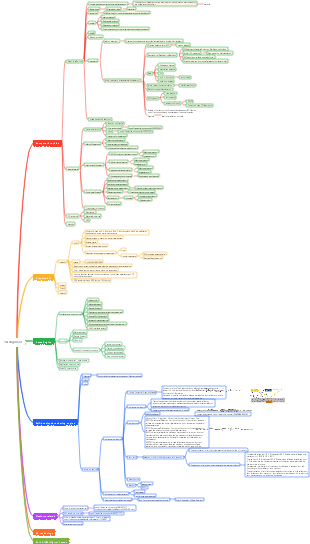


Chapter 1 Information Knowledge
quality attributes of information
Accuracy
integrity
reliability
timeliness
Economy
Verifiability
safety
Characteristics of information systems
Purpose
Nestability
stability
openness
vulnerability
Robustness
components of information systems
hardware
software
database
network
storage device
Sensing device
peripherals
personnel
procedures for processing data into information
Time point:
In October 1948, Shannon published a paper "The Mathematical Theory of Communication"
In 1997, the National Informationization System proposed in the "National Informationization "Ninth Five-Year Plan" and Outline of Long-term Goals for 2010" issued by the State Council Information Technology Leading Group has a profound impact on my country's informationization construction.
In February 2014, the Central Leading Group for Network Security and Informatization was established.
In September 2013, the Ministry of Industry and Information Technology and relevant departments of the State Council prepared the action plan for the "Informatization Development Plan"
guiding ideology
The basic principle
Coordinate development and advance in an orderly manner
Demand driven, market oriented
Improve the mechanism and drive innovation
Strengthen management and ensure safety
In 1996, Gartner Group proposed the concept of business intelligence
Information system life cycle
system planning
Feasibility Analysis
project development plan
system analysis
demand analysis
system design
Outline design
detailed design
System Implementation
coding
test
Operation and Maintenance
Information level
Product informatization
Enterprise informatization
Industrial informatization
National economy informatization
Informatization of social life
Information technology development and trends
High speed and large capacity
Integration and platformization
Intelligent
virtual computing
communication technology
Remote sensing and sensing technology
Mobile smart terminal
people oriented
information security
Integration of informatization and informatization
E-government content
Government-to-Government E-Government G2G
Government-to-business e-government G2B
Government-to-public e-government G2C
Government to Civil Servants G2E
Steps to implement business intelligence
demand analysis
Data warehouse modeling
data extraction
Create business intelligence analysis reports
User training and data schema testing
System improvements and refinements
Big Data
Features
A large number of Volumes
High speedVelocity
Variety
ValueValue
Veracity
cloud computing
type
IaaS infrastructure as a service
PaaS platform as a service
SaaS software as a service
Smart City Reference Model P100
The smart city construction reference model includes 5 layers with dependencies and 3 support systems with constraints on construction.
5 functional layers
IoT perception layer
communication network layer
Compute and storage layer
Data service support layer
Smart application layer
3-layer support system
Security system
Construction operation management system
Standard specification system
Chapter 2 Information System Integration and Service Management
time frame
The computer information system integration qualification certification system has been implemented since January 1, 2000.
Information system integration qualification level conditions P116
Effective from July 1, 2015
Comprehensive conditions
Years of employment
Registered capital
Financial status
Financial status of the past three years
Reputation
performance
The amount of system integration projects completed in the past three years, project scale, project technical content, project software cost ratio, implementation quality, and business field level
management ability
Quality management system
Customer service management
Technical strength
Business areas
Software development capabilities
Talent strength
Proportion of engineering and technical personnel, personnel with bachelor degree or above, number of project managers, training system, human resources management level
Management systemP109
Information technology service standard assessment ITSS
IT Service Management System Certification ITSMS
Information Security Management System Certification ISMS
IT audit
IT governance
theme
ITIL-P117
ITIL Information Technology Infrastructure Library
It is a set of IT service management specification library developed by CCTA (UK National Computer and Telecommunications Agency) in the late 1980s.
ITIL is a process description of how to manage IT infrastructure. It is process-guided and customer-centered. It improves the company's ability and level of IT service provision and service support by integrating IT services and enterprise services.
Development of TITL
V1:1989~1995
V2:2000~2004
V3: Published in 2007, integrating the best of V1 and V2
ITIL2011: an updated version of V3
IT Service Management (ITSM) P118
main idea
IT organizations are IT service providers
Implement the original fundamental goals of ITSM
Providing IT services with a customer-centric approach
Provide high-quality, low-cost services
Services provided can be accurately priced
Basic principles of ITSM
Summary of secondary transformations
The first time is combing
The second time is packing
Scope of ITSM
ITSM is for IT management
ITSM focuses on the operation and management of IT
ITSS (Information Technology Services Standard)-P121
Principle P122
Components (PPRT)
People
Process
Technology
Resources
Life cycle (PIOIS)
Planning&Design
Deployment and Implementation
Service Operation (Operation)
Continuous improvement
Supervision
Information system integration professional technical knowledge
3.1 Information system construction
Information system life cycle
Information system construction includes
Equipment Purchase
system integration
software development
Operation and maintenance services
information system life cycle
Project establishment
concept stage or requirements stage
develop
Carry out overall planning based on the needs analysis done during the project establishment stage
Operation and maintenance
After the information system passes acceptance and is officially handed over to the user, it enters the operation and maintenance stage.
die
Information systems will inevitably encounter system updates, functional expansion, or even abandonment and reconstruction.
Information system development methods
structured approach
The most widely used development method
The development process is divided into several stages, which are carried out in sequence. The previous stage is the basis for the work of the later stage and is completed in order.
Features: Focus on the integrity and overall nature of the development process
Disadvantages: long development cycle, cumbersome documentation and design instructions, low work efficiency
prototype method
Initial understanding of user needs, first quickly develop a prototype system, and then repeatedly modify it to achieve the user's final system needs
Features: Dynamic response to user needs and gradual inclusion
Prototypes are divided into throwaway prototypes and evolutionary prototypes
object-oriented approach
Use objects to represent objective things. An object is a strictly modular entity that is shared and repeatedly referenced in system development.
3.2 Design of information systems
Design
overall design
Overall architecture design, overall architecture design of software systems, overall design of data storage, computer and network system design
Detailed design of each part (physical design)
code design
Database Design
Human/machine interface design
process design
System architecture: decompose the system into smaller subsystems and components, resulting in different logical layers and services
Equipment, DBMS and technology selection: refers to taking into account the internal and external environment and subjective and objective conditions of system implementation
3.3 Software Engineering
Software requirements analysis and definition
Software requirements are descriptions of problems to be solved
The defined requirements must be verifiable
Software design, testing and maintenance
Software quality assurance and quality evaluation
Internal quality, external quality, use quality
Software quality assurance, verification and validation, review and audit
Software configuration management
Control the evolution and integrity of the product by identifying its constituent elements, managing and controlling changes, validating, recording, and reporting configuration information
include
Software Configuration Management Plan
Understand the connection between organizational structure environment and organizational units, and clarify software configuration control tasks
software configuration identifier
Identify the configuration items to be controlled and establish a baseline for these configuration items and their versions
Software configuration control
Focus on managing changes during the software life cycle
Software configuration status record
Records identify, collect, maintain and report configuration status information for configuration management
Software configuration audit
Independently evaluate software products and processes for compliance with established rules, standards, guidelines, plans and processes
Software release management and delivery
Management and delivery require the creation of specific delivery versions, and the key to accomplishing this is the software library
software management process
1. Project initiation and scope definition: initiate the project and determine software requirements
2. Project planning: Develop a plan and determine the appropriate software life cycle process at key points
3. Project implementation
4. Project monitoring and review
5. Project closing and closing
software development tools
Requirements tool
Requirements modeling tools
Requirements tracking tool
Design Tools
program editor
translater
Code generator
interpreter
debugger
construction tools
test generator
test execution framework
Test evaluation tools
test management tools
Performance analysis tools
maintenance tools
understanding tools
Reengineering tools (such as refactoring tools)
Configuration management tools
Tracking tools
Version management tool
publishing tools
Project management tools
Project Plan
Tracking tools
risk management tools
measurement tools
engineering process tools
modeling tools
Management tools
software development environment
quality tools
Check tool
analyzing tool
Software utilization: Utilize various existing relevant knowledge to construct new software to reduce software development and maintenance costs.
3.4 Object-oriented system analysis and design
basic concept
Object:
It is a module used by the system to describe objective things and is the basic unit that constitutes the system.
Basic elements
Object status
Object ID
object behavior
Class: Encapsulates the attributes (data) and operations (functions) of the entity together
Abstraction: Characteristics formed by extracting common features from specific instances
Encapsulation: Group related concepts into a unit module and refer to it through a name
Inheritance: Represents the hierarchical relationship between classes. An object of one type can inherit the characteristics of another type of object.
Polymorphism: defining the same operation or attribute name can have different implementations in each class
Interface: describes what the operation should do, but does not define how the operation should be done.
Message: interaction between objects, sending instructions to the target object for related operations
Component: Represents a replaceable, physical part of a system
Reuse
model
Project establishment management
1. 1. Project proposal
Project proposal is also called project application
Basis for feasibility study
Main contents of project proposal
Project Description
Project Proposal Unit Overview
Necessity of project construction
business analysis
overall construction plan
Project construction plan for this phase
Environmental protection, fire protection, occupational safety
Project implementation progress
Investment estimation and capital raising
Benefit and Risk Analysis
2. 2. Project feasibility analysis
Project feasibility analysis content
investment necessity
technical feasibility
financial feasibility
organizational feasibility
economic feasibility
social feasibility
Risk factors and countermeasures
market risk
technology risk
Financial risk
organizational risk
Legal Risk
economic and social risks
Report writing
一、 Project Overview
project name
Project construction unit and person in charge, project person in charge
Feasibility study report preparation unit
Basis for preparation of feasibility study report
Project construction goals, scale, content, construction period
Total project investment and funding sources
economic and social benefits
Adjustments relative to project proposal approval
Main conclusions and suggestions
二、 Overview of the project construction unit
Project construction units and functions
Project implementation organization and responsibilities
三、 Need analysis and project construction necessity
Business functions, business processes and business volume analysis
Information volume analysis and prediction
System function and performance requirement analysis
Information system equipment and application status and gaps
Necessity of project construction
四、 overall construction plan
Construction Principles and Strategies
Overall goals and phased goals
Overall construction tasks and phased construction content
Overall design
五、 Project construction plan for this phase
Construction goals, scale and content
Information resource planning and database construction plan
Application support platform and application system construction plan
Data processing and storage system construction plan
Terminal system construction plan
Network system construction plan
Security system construction plan
Backup system construction plan
Operation and maintenance system construction plan
Other system construction solutions
Main software and hardware selection principles and detailed software and hardware configuration list
Machine room and supporting engineering construction plan
Detailed explanation of changes and adjustments to the construction plan relative to the project proposal approval
六、 Project bidding plan
Bidding scope
Tendering method
Tendering organization form
七、 Environmental protection, fire protection, occupational safety
Environmental impact and environmental measures
Fire-fighting measures
occupational safety
八、 Project organization and personnel training
Leadership and Management Organization
Project implementation agency
Operation and maintenance organization
Technical strength and staffing
Personnel training program
九、 Project implementation progress
Project construction period
Implementation schedule
十、 Investment estimates and funding sources
Relevant instructions for investment estimation
Total project investment estimate
Funding sources and implementation status
Fund usage plan
Project operation and maintenance and cost estimation
十一、 Analysis of benefits and evaluation indicators
Economic Benefit Analysis
Social benefit analysis
Project cheap indicator analysis
十二、 Project Risk and Risk Management
Risk identification and analysis
Risk Countermeasures and Management
3. 3. Project approval
The main basis for project construction
The project proposal
feasibility study report
Preliminary design plan
Investment budget
4. 4. Project bidding
1. Provisions related to tendering
The sale period of pre-qualification documents or bidding documents shall not be less than 5 days
If there are less than 3 applicants who have passed the pre-qualification, the bids shall be re-invited.
The bid guarantee shall not exceed <=2% of the estimated price of the bidding project
2. Project bidding
Project intention identification
Project pre-sales communication
Get bidding documents
Prepare bid documents
Participate in bidding activities
3. Bid opening and evaluation
If there are less than 3 bidders, the bids will not be opened.
The bid evaluation committee shall be composed of an odd number of more than 5 persons, including experts in technical, economic and other related fields with senior professional titles or equivalent professional levels, representatives of bidders and bidding agencies, among which the number of experts in technical, economic and other fields shall not be less than 2/3 of the total number of members.
There shall be no more than 3 winning bidders, and the order shall be indicated
The tenderer shall publicize the winning bidder within 3 days from the date of receipt of the bid evaluation report, and the publicity period shall not be less than 3 days.
The tenderer shall return the bid security deposit and bank deposit interest for the same period to the winning bidder and the unsuccessful bidder within 5 days after signing the written contract.
The winning bidder shall submit a performance bond in accordance with the requirements of the bidding documents. The bond shall not exceed the winning contract amount <= 10%
The winning bidder may not transfer the winning project to others, nor may the winning bidder dismember the winning project and transfer it to others separately.
4. Contract negotiation and signing
Contract negotiation
Let’s talk about the technical terms first, including
Contents of technical attachments to the contract
Contract implementation technical route
quality assessment standards
Purchase equipment and system quotes
The proportion of personnel invested in development
We will discuss business terms later, including
Preferential conditions for bid prices
quality
Construction period
Service breach penalties
Other things that need to be negotiated
signing the contract
contract terms
1||| Name and address of the party
2||| Target
3||| quantity
4||| quality
5||| price and consideration
6||| Duration, place and manner of performance
7||| Liability for breach of contract and methods of dispute resolution
technology contract
1||| project name
2||| Subject content, scope and requirements
3||| Plan, schedule, deadline, location, territory and method of performance
4||| Confidentiality of technical documents and information
5||| Assumption of Risk Responsibility
6||| Attribution of technical achievements and method of sharing benefits
7||| Acceptance criteria and methods
8||| Price, remuneration or royalties and method of payment
9||| Calculation method of liquidated damages or loss compensation
10||| Methods of resolving disputes
11||| Explanation of noun terms, etc.
5. 5. Supplier project establishment
Internal project reasons
Allocate resources to projects through project approval
Determining reasonable project performance goals through project establishment will help improve personnel motivation
Improve project implementation efficiency with project-based working methods
Internal project content
Project resource estimates
Project resource allocation
Prepare project brief
Appoint project manager
Overall project management
1. Overall project management overview
Overall project management includes the work carried out to identify, define, combine, unify and coordinate various processes and activities of various project management process groups. It is a comprehensive and overall management work in project management.
6 processes
Develop project charter
Develop project management plan
Direct and manage project work
Monitor project work
Implement holistic change control
End project or phase
Activities that the project management team can perform include
Analyze and understand project scope
Document acceptance criteria for product requirements
Understand how to capture identified information and incorporate it into a project management plan in a structured way
Prepare work breakdown structure
Take appropriate actions to ensure that the project is implemented in accordance with the planned scope and overall management process
Measure and monitor project status, processes and products
Analyze project risks
2. Overall project implementation process
Develop project charter
1||| The role of the project charter
Determine the project manager and define the project manager’s powers
Formal confirmation of the project’s existence and giving the project a legal status
Define the overall goals of the project, including scope, time, cost, and quality
By describing the reasons for starting the project, link the project with the daily business operations and strategic plans of the executing organization.
2||| Input for developing project charter
a. Project Statement of Work SOW
Business needs
Product range description
Strategic Plan
b. business case
Provide the necessary information from a business perspective to decide whether a project is worth investing in
c. protocol
Define the original intention of launching the project (contracts, memorandums of understanding (MOUs), service quality agreements (SLAs), letters of agreement, letters of intent, verbal agreements, emails or other written agreements)
d. organizational process assets
Organizational standard procedures, policies and process definitions
Templates (such as project charter template)
Historical information and lessons learned knowledge base (such as project records and documents, complete project closure information and documentation, information about the results of previous project selection decisions and past project performance, and information generated during risk management activities)
e. business environment factors
government standards
Industry standards or regulations (such as professional codes of conduct, quality standards or worker protection regulations)
organizational culture and structure
market conditions
3||| Tools and Techniques for Developing a Project Charter
expert judgment
guidance technology
Brainstorming
Conflict handling
problem solved
Conference management
4||| Develop project charter outputs
Project Charter
3. Develop project management plan
enter
Project Charter
Outputs from other planning processes
organizational process assets
Schedule
risk data
Realize value data
financial control procedures
history information
Lessons Learned Knowledge Base, Operation Guide
business environment factors
Tools & Techniques
expert judgment
guidance technology
Brainstorming
Conflict handling
problem solved
Conference management
output
project management plan
Project management process used
The extent to which each specific project management process is implemented
A description of the tools and techniques used to accomplish this process
The life cycle used in the project and the processes to be used in each phase
How to use selected processes to manage specific projects
How work will be performed to accomplish the project objectives and a description of the project objectives
How to supervise and control changes and clarify how changes will be monitored
A configuration management plan that defines how configuration management will be performed
Instructions for maintaining the integrity of project performance baselines
Requirements and techniques for communicating with project stakeholders
Lifecycle model selected for the project
A critical management review of the content, severity and urgency of certain legacy and pending decisions
auxiliary program
1||| scope management plan
2||| demand management plan
3||| progress management plan
4||| cost management plan
5||| quality management plan
6||| process improvement plan
7||| Human Resource Management Plan
8||| communication management plan
9||| risk management plan
10||| Procurement Management Plan
11||| Stakeholder Management Plan
4. Direct and manage project work
enter
project management plan
Approved change request
business environment factors
Organizational culture, company culture or customer culture
The structure of the executing or sponsoring organization
infrastructure
Personnel management system
Stakeholder risk tolerance
project management information system
organizational process assets
Tools & Techniques
project management information system
Schedule planning tool
work authorization system
configuration management system
Information collection and release system
Recordkeeping Policy and Security Requirements
Problem and Defect Management Process
process measurement database
Project archives of past projects
Problem and Defect Management Database
Meeting
exchange information
Mind plan, plan evaluation or plan design
Make decisions
expert judgment
output
Deliverables
job performance data
change request
Corrective Action
Precaution
Defect Remediation
renew
Project Management Plan Update
Project file updates
requirements document
Project log
risk record book
Stakeholder register
5. Monitor project work
enter
project management plan
progress forecast
Progress deviation SV
Schedule Performance Index SPI
cost forecast
Confirmed changes
job performance information
business environment factors
organizational process assets
Organizational communication requirements
financial control procedures
Issue and Defect Management Procedure
change control procedures
risk control procedures
process measurement database
Lessons Learned Database
Tools & Techniques
analytical skills
regression analysis
Group analysis
cause and effect analysis
Root cause analysis RCA
method of prediction
Failure Mode and Effects Analysis FMEA
Fault tree analysis FTA
Reserve analysis
trend analysis
Earned value management
ETC estimated time required for completion
project management information system
Meeting
expert judgment
output
change request
Corrective Action
Precaution
Defect Remediation
job performance report
Project Management Plan Update
Project file updates
Schedule and cost forecasts
job performance report
Problem log
6. Implement holistic change control
enter
project management plan
job performance report
change request
organizational process assets
business environment factors
Tools & Techniques
Meeting
change control tools
expert judgment
output
Approved change request
Change log
Project Management Plan Update
Project file updates
7. End project or phase
enter
project management plan
Deliverables for acceptance
organizational process assets
Tools & Techniques
analytical skills
Meeting
expert judgment
output
Final product, service or result
Organizational process asset updates
project scope management
一、 project scope management
importance
1||| Clarify the specific scope and specific work content of the project, which provides a basis for improving the accuracy of cost, time and resource estimates.
2||| Since the project scope determines what specific work is to be completed, the project scope baseline is the baseline for determining project progress measurement and control.
3||| The determination of the project scope is to determine the specific work tasks of the project, which helps to clearly divide responsibilities and assign tasks.
6 processes
1||| Prepare the scope management planning process, describing the process of how to define, confirm and control the project scope
2||| Gather requirements
3||| Define scope
4||| Create a work breakdown structure
5||| Confirm scope
6||| scope control
二、 Prepare scope management plan
enter
project management plan
Project Charter
organizational process assets
business environment factors
Tools & Techniques
Meeting
expert judgment
output
project scope management plan
Develop detailed project scope statement
Create a WBS based on a detailed scope statement
Maintain and approve work breakdown structure (WBS)
Formal acceptance of completed project deliverables
Handle changes to the detailed project scope statement or WBS
Demand management plan (content)
How to plan, track and report on various requirements activities
Configuration management activities
How to initiate product changes
How to analyze its impact
How to trace, track and report
Change approval authority
requirements prioritization process
Product measurements and reasons for using them
Trace structure used to reflect which requirement attributes will be included in the trace matrix
Gathering requirements process
三、 Gather requirements
enter
scope management plan
demand management plan
Stakeholder Management Plan
Project Charter
Stakeholder register
Tools and techniques
Interview
focus group
guided seminar
Group innovation technology
group decision making techniques
Questionnaire
observe
prototype method
Benchmarking
System interaction diagram
File analysis
output
Requirements document (content included)
(1) Business needs
1||| Trackable goals and project goals
2||| Enforce the organization's business rules
3||| organization's guiding principles
(2) Stakeholder needs
1||| Impact on other areas of the organization
2||| Impact on groups internal to the performing organization or external to the organization
3||| Stakeholder communication and reporting needs
(3) Solution requirements
1||| Functional and non-functional requirements
2||| Technical and standards compliance needs
3||| Support and training needs
4||| quality requirements
5||| Reporting requirements
(4) Project requirements
1||| Service levels, performance, security and compliance, etc.
2||| Acceptance Criteria
(5) Transition needs
(6) Assumptions, dependencies and constraints related to requirements
Requirements tracking matrix (content included)
1||| Business needs, opportunities, goals and objectives
2||| Project Objectives
3||| Project Scope/WBS Deliverables
4||| product design
5||| product development
6||| Test strategies and test scenarios
7||| High-level requirements to detailed requirements
四、 Scope definition
enter
scope management plan
Project Charter
requirements document
organizational process assets
Tools and techniques
product analysis
(1) product breakdown
(2) system analysis
(3) demand analysis
(4) Systems Engineering
(5) Value Engineering
(6) Value Analysis
expert judgment
Alternative generation
guided seminar
output
Project scope statement (content included)
(1) Project Objectives
(2) Product range description
(3) Project requirements
(4) project boundaries
(5) Project deliverables
(6) Project constraints
(7) Assumptions
Project file updates
Stakeholder register
requirements document
Requirements Tracking Matrix
五、 Create a work breakdown structure
enter
scope management plan
project scope statement
requirements document
organizational process assets
business environment factors
Tools & Techniques
break down
Breaking down the entire project work into work packages requires the following activities
(1) Identify and analyze deliverables and related work
(2) Determine the structure and arrangement of the WBS
(3) Decomposition layer by layer from top to bottom
(4) Develop and assign identification codes to WBS components
(5) Verify the appropriate level of decomposition of deliverables
It is generally more appropriate to divide a project into 3-5 levels. If there are too many levels, it is best to further divide the project into different sub-projects. If there are too few levels, it will be inconvenient to control and manage larger projects.
The following principles should be followed when decomposing work structure:
(1) Maintain project integrity hierarchically to avoid missing essential components
(2) A work unit can only be subordinate to an upper-level unit to avoid cross-subordination.
(3) Work units at the same level apply the same properties
(4) Work units should be able to separate different responsible persons and different work contents
(5) Facilitate project management planning and project control needs
(6) The lowest level work should be comparable, manageable, and quantitatively checkable
(7) Should include project management work, including subcontracted work
expert judgment
output
Scope Baseline
The approved scope statement, work breakdown structure (WBS) and corresponding WBS dictionary form the scope baseline
component
(1) project scope statement
(2) The WBS is a hierarchical breakdown of the full scope of work that the project team needs to perform to achieve the project goals and create the required deliverables.
(3) The WBS dictionary is for each WBS component. The contents in the WBS dictionary include:
a. Account code identifier
b. work description
c. Assumptions and constraints
d. responsible organization
e. progress milestones
f. Related progress activities
g. Required resources
h. Cost Estimate
i. Quality requirements
j. Acceptance Criteria
k. Technical references
l. Protocol information
(4) Project file updates
Project file updates
The role and significance of WBS
Creating a work breakdown structure is the process of breaking down project deliverables and project work into smaller, more manageable components.
The work breakdown structure (WBS) is the basis of project management. All planning and control work of the project must be based on the work breakdown structure.
Its main function is to provide a structured view of the content to be delivered
WBS is a hierarchical decomposition of all work scope that needs to be implemented to achieve project goals and create deliverables.
The WBS organizes and defines the overall scope of the project and represents the work specified in the approved current project scope statement
Assigning each work package to a control account and establishing a unique identifier for the work package based on the "account code" is the final step in creating a WBS.
significance:
(1) Through work structure decomposition, the project is broken down so that the project related personnel can understand the project at a glance, and the overview and composition of the project can be made clear, clear, transparent and specific
(2) Ensure the systematicness and integrity of the project structure
(3) Through work structure decomposition, a complete project assurance system can be established, because this decomposition process decomposes the key points of the overall project goal, such as schedule, cost and quality, into controllable project units to facilitate execution and realization of goal requirements.
(4) The decomposition of project work structure can clarify the work interface of all parties involved in the project and facilitate the division and implementation of responsibilities.
(5) The final work breakdown structure can be directly used as a tool for schedule planning and control
(6) Provide a basis for establishing project communication management and facilitate grasping the key points of information
(7) It is the basis and main basis for the formulation of each sub-plan and control measures of the project.
(8) Helps prevent requirements and scope creep
content
(1) The lowest level work unit of WBS is called a work package, which is the basis for our schedule arrangement, cost estimation and monitoring.
(2) The work breakdown structure is used to determine the scope of the project. All work on the project must be included in the work breakdown structure, and any work not included in the work breakdown structure is not part of the project and cannot be done.
(3) The preparation of the work breakdown structure requires the participation of all project stakeholders and the participation of project team members.
(4) The work breakdown structure is decomposed layer by layer. Generally speaking, the work breakdown structure should be controlled at 3-6 layers.
(5) Each element in the work breakdown structure should be relatively independent and overlap with each other should be minimized.
work breakdown structure representation
(1) hierarchical tree structure
Similar to an organizational chart
The WBS of the tree structure diagram has clear levels, is very intuitive, and has strong structure. It is generally used more in some small and moderate application projects.
(2) tabular form
Similar to a hierarchical book catalog
This table can reflect all the work elements of the project, but it is less intuitive, but it is still used more in some large and complex projects.
Features
The sum of all elements in each layer is the sum of the work in the next layer
Each work element should be specifically assigned to one level rather than to multiple levels
The work breakdown structure needs to have a scope description of the work put into it so that project team members have a comprehensive understanding of the work to be completed.
(3) concept
milestone
A milestone marks the formal completion of a deliverable or phase
work package
Is the deliverable or project work component at the lowest level of each branch of the work breakdown structure
It is recommended that the size of the work package should take at least 8 hours to complete, and the total completion time should not be greater than 80 hours
feature
Small scale and can be completed in a short time (80 hours)
Logically speaking, it cannot be divided any further.
The required resources, time, costs, etc. can be estimated more accurately, and effective time, cost, quality, scope and risk control can be carried out.
WBS coding design
六、 Project scope confirmation
enter
project management plan
Requirements Tracking Matrix
requirements document
Verified deliverables
job performance data
Tools & Techniques
examine
group decision making techniques
output
Deliverables for acceptance
change request
job performance information
Project file updates
Project confirmation work points
Develop and implement validation procedures
(1) Determine when scope needs to be confirmed
(2) Identify what inputs are needed to validate the scope
(3) Determine the formally accepted criteria and elements for scoping
(4) Determine the organizational steps for a scope meeting
(5) Organize scope confirmation meeting
Formal confirmation of project scope from project stakeholders
(1) Whether the deliverables are specific, confirmable or verifiable
(2) Does each deliverable have clear milestones? Are the milestones clear and identifiable?
(3) Are there clear quality standards?
(4) Whether the review or commitment is clearly expressed
(5) Does the project scope cover all activities required to complete the product or service?
(6) Probability of project-wide risk occurrence, and whether management can reduce the impact of foreseeable risks on the project
七、 Project scope control
enter
Project management plan (for controlling scope)
(1) Scope Baseline
(2) scope management plan
(3) change management plan
(4) configuration management plan
(5) demand management plan
Requirements Tracking Matrix
requirements document
job performance data
organizational process assets
Tools & Techniques
Deviation analysis
output
Project Management Plan Update
(1) Scope Baseline Update
(2) Other benchmark updates
change request
job performance information
Project file updates
Organizational process asset updates
Project progress management (time management)
一、 7 processes needed to manage projects to completion on time
(1) Plan Schedule Management Process - Develop policies, procedures and documentation to manage project schedule
(2) Define the activity process - identify and document the specific actions that need to be taken to complete the project deliverables
(3) Sequencing activities process - identifying and documenting relationships between project activities
(4) Estimating activity resources process - estimating the types and quantities of materials, personnel, equipment, or supplies needed to perform each activity
(5) Estimating activity duration process - Estimate the duration required to complete a single activity based on the results of resource estimation
(6) Schedule planning process - analyze activity sequence, duration, resource requirements and schedule constraints to create a project schedule model
(7) Control the schedule process - monitor project activity status, update project progress, and manage schedule baseline changes to achieve plan
The processes described above interact not only with each other but also with processes in other areas of knowledge
二、 Planning project progress management
enter
project management plan
Scope Baseline
project scope statement
WBS
WBS Dictionary
Other information (such as costs, risks and communication decisions related to the planning schedule)
Project Charter
organizational process assets
business environment factors
Tools & Techniques
expert judgment
analytical skills
Meeting
output
Project Progress Management Plan (Provisions)
(1) Project schedule model development
(2) Accuracy
(3) unit of measurement
(4) Organization Program Links
(5) Project schedule model maintenance
(6) control threshold
(7) performance measurement rules
(8) report format
(9) Process description
三、 Define activities
enter
Project schedule management plan
Scope Baseline
organizational process assets
business environment factors
Tools & Techniques
break down
Decomposition is a technique for progressively dividing the project scope and project deliverables into smaller, more manageable components.
rolling planning
It is an iterative planning technique, that is, the work to be completed in the near future is planned in detail at the lowest level of the work breakdown structure, while the work planned to be completed in the long term is roughly planned at the higher level of the work breakdown structure.
It is a progressive and detailed planning method that allows the project team to gradually improve the plan.
expert judgment
output
Activity list
Activity properties
is an extension of the activity description in the activity list
Milestone List
Is an important point or event in the project
Lists all project milestones and indicates whether each milestone is mandatory or optional
四、 Sequence activities
enter
Project schedule management plan
Activity list
Activity properties
Milestone List
project scope statement
business environment factors
organizational process assets
Tools & Techniques
Leading diagram method P299
Single code network diagram or active node diagram
relation
(1) End-Start (F-S type)
(2) End-End (F-F type)
(3) Start-Start (S-S type)
(4) Start-end (S-F type)
Arrow chart method P300
Double code network diagram or active arrow diagram
The basic principle
(1) Each activity and event in the network diagram must have a unique code name, that is, there will not be the same code name in the network diagram.
(2) At least one of the codes of the preceding event and the following event of any two activities is different, and the node codes become larger and larger along the direction of the arrow.
(3) Activities that flow into (or flow out of) the same node have a common successor activity (or predecessor activity)
Determine dependencies P302
(1) mandatory dependencies
Also called hard logical relationship or hard dependency relationship
(2) selective dependency
Sometimes also called preferred logic relationship, precedence logic relationship or software logic relationship
(3) external dependencies
Is the dependency relationship between project activities and non-project activities
(4) content dependencies
Is the immediate relationship between project activities
Advance and lag
output
Project progress network diagram
Project file updates
Update activity list
Update activity properties
Update milestone list
Update risk register
effect
Define a logical sequence between tasks to achieve maximum efficiency given all project constraints
五、 Estimating activity resources P303
enter
Project schedule management plan
Activity list
Activity properties
Resource Calendar
risk register
Activity cost estimates
business environment factors
organizational process assets
Tools & Techniques
expert judgment
Alternatives Analysis
Published estimates
project management software
Bottom-up estimation
output
Activity resource requirements
resource breakdown structure
Project file updates
Update activity list
Update activity properties
Update resource calendar
definition
is the process of estimating the types and quantities of materials, personnel, equipment, or supplies needed to perform various activities
effect
Identify the types, quantities, and characteristics of resources required to complete activities so that more accurate cost and duration estimates can be made
六、 Estimating activity duration P306
enter
Project schedule management plan
Activity list
Activity properties
Activity resource requirements
Resource Calendar
project scope statement
Assumptions
Current conditions
Availability of information
length of reporting period
Constraints
Skilled resources available
Contract terms and requirements
risk register
resource breakdown structure
business environment factors
organizational process assets
Tools & Techniques
expert judgment
analogy estimation
parameter estimation
Three-point estimation P308
expected duration
Formula tE=(tO 4tM tP)/6
Most likely time tM
The most optimistic time tO
The most pessimistic time tP
Standard deviation=(tP-tO)/6
group decision making techniques
Reserve analysis
output
Activity duration estimate
Project file updates
definition
It is the process of estimating the number of work periods required to complete a single activity based on the results of resource estimation.
effect
Determine the amount of time required to complete each activity, providing primary input into the schedule planning process
七、 Develop a progress plan
enter
Project schedule management plan
Activity list
Activity properties
Project progress network diagram
Resource Calendar
Activity duration estimate
risk register
Project staff assignment
resource breakdown structure
business environment factors
organizational process assets
Tools & Techniques
(1) Progress network analysis
(2) Critical path method P312
(2)1. forward method
(2)1.1. According to the direction of logical relationship: calculated from the beginning to the end of the network diagram
(2)1.2. The earliest start time of the first activity is the earliest start time of the project
(2)1.3. The earliest finish time of an activity is the earliest start time of the activity plus the duration of the activity
(2)1.4. The earliest start time of an activity is determined by the earliest completion time of the predecessor activity. When multiple predecessor activities exist, the earliest completion time of the last completed activity is used.
(2)2. Backcasting method
(2)2.1. According to the direction of logical relationship: calculated from the terminal to the beginning of the network diagram
(2)2.2. The latest completion time of the last activity is the latest completion time of the project
(2)2.3. The latest start time of an activity is the latest finish time of the activity minus the duration of the activity
(2)2.4. The latest completion time of an activity is based on the latest start time of the successor activity. If multiple successor activities are available, the latest start time of the successor activity that starts first is used.
(2)3. float time
(2)3.1. Total floating time: the latest completion time of this activity minus the earliest completion time of this activity or the early and late start time of this activity minus the earliest start time of this activity
(2)3.2. Free float: the minimum value of the earliest start time of the successor activity minus the earliest finish time of this activity
(3) critical chain method
(4) modeling technology
(5) Advance and lag
(6) Progress compression
(7) Schedule planning tool
output
progress baseline
The schedule baseline is the approved project schedule
Project schedule
A horizontal bar chart is also called a summary schedule or a Gantt chart. Activities are listed on the vertical axis, dates are arranged on the horizontal axis, and activity duration is expressed as horizontal bars positioned by start and end dates. It is often used to report situations to management.
Milestone diagram, also called milestone schedule, only marks the planned start and completion dates of major deliverables and key external interfaces.
Project schedule network diagram, also called detailed schedule plan, usually has a time scale and purely displays activities and their interrelationships. Sometimes it is also called a pure logic diagram.
progress data
Project Calendar
Project Management Plan Update
Updated progress baseline
Updated progress management plan
Project file updates
Updated event resource requirements
Updated activity properties
updated calendar
Updated risk register
八、 Control progress P320
enter
project management plan
Project schedule
job performance data
Project Calendar
progress data
organizational process assets
Tools & Techniques
performance review
trend analysis
critical path method
critical chain method
Earned value management
subtopic
project management software
Resource optimization technology
modeling technology
lead and lag
Progress compression
Schedule planning tool
output
job performance information
progress forecast
change request
Project Management Plan Update
Updated progress baseline
Updated progress management plan
Updated cost baseline
Project file update
Updated progress data
Updated project schedule
Updated risk register
Organizational process asset updates
effect:
Provide methods for detecting deviations from plans so that corrective and preventive actions can be taken promptly to reduce risk
Progress control focuses on:
(1) Determine the current status of project progress
(2) Influence the factors that cause schedule changes to ensure that such changes develop in a favorable direction
(3) Determine whether the project schedule has changed
(4) When changes actually occur, strictly follow the change control process to manage them
Any changes to the schedule baseline must be approved through an integrated change control process
Ways to shorten activity duration:
(1) Rush work, invest more resources or increase work hours to shorten the duration of key activities
(2) Fast follow-up, parallel construction, shortened critical path length
(3) Use highly qualified resources or more experienced personnel
(4) Reduce range of activities or reduce activity requirements
(5) Improve methods or techniques to increase scale efficiency
(6) Strengthen quality management, discover problems in time, reduce rework, and shorten the construction period.
project cost management
一、 Cost management concepts and related terms
Concept: Cost refers to the monetary value or price of a project activity or its components, including the monetary value of the resources required to implement, complete or create the activity or its components
Costs include: direct labor hours, other direct expenses, indirect labor hours, other overhead expenses, and procurement costs
Project management is constrained by scope, time, cost and quality. Project cost management plays an important role in project management.
Reasons why project costs are out of control:
(1) Insufficient understanding of engineering projects
(2) The organizational system is not sound
(3) Methodological issues
(4) technical constraints
(5) Improper demand management
project cost management process
(1) Develop cost management plan
(2) Cost Estimate
(3) cost budget
(4) Cost Control
Related terms
(1) Product life cycle cost
(2) type
1||| Variable costs
2||| fixed cost
3||| direct cost
a. Project team travel expenses
b. salary
c. Materials used in the project
d. Equipment usage fee
4||| s
Cost allocated to this project
Taxes, fringe benefits and security fees
5||| opportunity cost
6||| Sunk costs
(3) Contingency Reserves and Management Reserves
(4) cost basis
二、 Develop project cost management plan
enter
project management plan
Scope Baseline
progress baseline
Project Charter
business environment factors
Organizational Process Assets]
Tools & Techniques
expert judgment
analytical skills
Meeting
output
cost management plan
三、 Project Cost Estimate
Main factors that are easily overlooked
indirect costs
learning curve
Project completion time limit: Project duration has an impact on costs
Quality requirements: The higher the quality requirements, the higher the quality cost
reserve
Cost Estimation Steps
Identify and analyze cost components
Based on the identified project cost components, estimate the cost of each account
Analyze cost estimation results, identify various costs that can be substituted for each other, and coordinate the proportional relationship between various costs
enter
cost management plan
Human Resource Management Plan
Scope Baseline
scope statement
WBS
WBS Dictionary
Project schedule
risk register
business environment factors
organizational process assets
Tools & Techniques
expert judgment
analogy estimation
parameter estimation
Bottom-up estimation
three point estimate
Formula: Ce=(Co 4Cm Cp)/6
Most likely cost Cm
Most Optimistic CostCo
The most pessimistic cost CP
Reserve analysis
quality cost
project management software
Seller bid analysis
group decision making techniques
output
Activity cost estimates
Estimate basis
Documentation of the basis for the estimate (e.g. how the estimate was prepared)
Documentation of all assumptions
Documentation of various known constraints
A description of the estimate interval
A description of the confidence level in the final estimate
Project file updates
四、 Project cost budget
Cost budgeting is a summary of estimated costs for individual activities or work packages to establish an overall cost baseline against which to measure project performance.
basic concept:
Characteristics of project cost budget:
planning
Binding
Controlling
principles to follow
Project cost budget should be based on project needs
The project cost budget should be linked to the project goals and must also consider goals such as project quality and schedule.
Project cost budget must be realistic and feasible
Project cost budgets should allow flexibility
Project cost budget steps
Allocate total project costs to individual work packages in the project work breakdown structure
Reallocate the costs of each work package to the activities included in the work package
Determine the time plan for each cost budget expenditure and the project cost budget plan
enter
cost management plan
Scope Baseline
Activity cost estimates
Estimate basis
Project schedule
Resource Calendar
risk register
protocol
organizational process assets
Tools & Techniques
cost summary
Reserve analysis
expert judgment
historical relationship
Funding limit balance
output
cost basis
Project funding requirements
Project file updates
五、 Project cost control
Project cost control content:
(1) Influence factors that cause cost baseline changes
(2) Ensure all change requests are processed promptly
(3) Manage changes as they actually occur
(4) Ensure that cost expenditures do not exceed approved funding limits, neither exceeding allocated limits by time period, by WBS component, by activity, nor exceeding overall project limits
(5) Monitor cost performance and identify and analyze deviations from cost baselines
(6) Monitor work performance against capital expenditures
(7) Prevent unapproved changes in cost or resource usage reports
(8) Report all approved changes and their associated costs to relevant stakeholders
(9) Try to keep expected cost overruns within acceptable limits
enter
project management plan
cost basis
cost management plan
Project funding requirements
job performance data
organizational process assets
Tools & Techniques
(1) Earned value management (EVM)
1||| Key indicators
a. Planned value PV
b. Earned value EV
c. Actual costAC
2||| deviation
a. Progress deviation SV=EV-PV
b. Cost deviation CV=EV-AC
c. Schedule performance index SPI=EV/PV
d. Cost performance indexCPI=EV/AC
(2) predict
1||| Calculate ETC=BAC-EV based on atypical deviations
2||| Calculate ETC=(BAC-EV)/CPI or ETC=BAC/CPI based on typical deviations
3||| BAC is the budget at completion
4||| EAC (Estimate at Completion) is the actual cost AC completed plus the estimated remaining work to be completed EAC = AC ETC
(3) To-Complete Performance Index TCPI
1||| Is the cost required to complete the remaining work divided by the remaining budget
2||| TCPI=(BAC-EV)/(BAC-AC)
(4) performance review
1||| Deviation analysis
2||| trend analysis
3||| earned value performance
4||| project management software
5||| Reserve analysis
output
job performance information
cost forecast
change request
Project Management Plan Update
Project file updates
Organizational process asset updates
Project quality management
一、 Project quality management
Quality definition: The sum of characteristics that reflects an entity's ability to meet the explicit and implicit needs of the subject
Project quality: From the perspective of a project as a one-time activity, project quality is reflected in the quality of all stages, sub-projects, and project work units within the project scope reflected by the WBS.
The quality of a project is reflected in its performance or use value
Quality management and its development history:
Quality management: refers to all activities that determine quality policies, goals and responsibilities, and realize all management functions through quality planning, quality assurance and quality control and quality improvement in the quality system
Quality management development history:
The Age of Craftsmen: Before the 20th Century
Quality inspection stage: early 20th century
Statistical quality control stage: 1024
Total Quality Management Phase: 1960s
二、 Plan quality management
enter
1||| project management plan
a. Scope Baseline
b. progress baseline
c. cost basis
d. Other management plans
2||| Stakeholder register
3||| risk register
4||| requirements document
5||| business environment factors
6||| organizational process assets
Tools & Techniques
1||| Cost-benefit analysis
2||| quality cost
3||| Seven Essential Quality Tools
(1) cause and effect diagram
(2) flow chart
(3) Checklist
(4) Pareto chart
(5) Histogram
(6) Control Charts
(7) Scatter plot
4||| Standard dry control
5||| experimental design
6||| statistical sampling
7||| Other quality management tools
(1) Brainstorming
(2) force field diagram
(3) nominal group technique
8||| Meeting
output
1||| quality management plan
2||| process improvement plan
(1) process boundaries
(2) process configuration
(3) process measurement indicators
(4) process improvement goals
3||| quality measures
4||| Quality Checklist
5||| Project file updates
Stakeholder register
Responsibility Assignment Matrix
WBS and WBS dictionary
三、 Implement quality assurance
enter
quality management plan
process improvement plan
quality measures
Quality control measurement results
project files
Tools & Techniques
quality audit
Target
(1) Identify all good and best practices being implemented
(2) Identify all irregularities, gaps and deficiencies
(3) Share good practices from similar projects in your organization or industry
(4) Proactively and proactively provide assistance to improve the execution of processes to help the team become more productive
(5) Emphasize that each audit should contribute to the accumulation of organizational lessons learned
Quality management and control tools
(1) Affinity diagram
(2) process decision making diagram
(3) Association diagram
(4) tree diagram
(5) priority matrix
(6) activity network diagram
(7) Matrix diagram
process analysis
output
change request
Project management plan updates include
quality management plan
scope management plan
progress management plan
cost management plan
Project Files Update Included
Quality audit report
training program
process documentation
Organizational process asset updates
四、 QC
enter
1. project management plan
2. quality measures
3. Quality Checklist
4. job performance data
(1) actual technical performance
(2) actual schedule performance
(3) actual cost performance
5. Approved change request
6. Deliverables
7. project files
(1) protocol
(2) Quality audit reports and change logs
(3) Training lectures and effectiveness evaluation
(4) Process documentation (such as those generated using the seven basic quality tools or quality management and control tools)
8. organizational process assets
Tools & Techniques
1. Seven Essential Quality Tools
2. statistical sampling
3. examine
4. Review approved change requests
output
1. Quality control measurement results
2. Confirmed changes
3. Verified deliverables
4. job performance information
5. change request
6. Project Management Plan Update
quality management plan
process improvement plan
7. Project file updates
(1) Quality Standard
(2) protocol
(3) Quality audit reports and change logs
(4) Training lectures and effectiveness evaluation
(5) Process documentation (such as those generated using the seven basic quality tools or quality management and control tools)
8. Organizational process asset updates
Completed checklist
Lessons Learned Documentation
Project Human Resources Management
一、 Project human resources management and process definition
Project human resources management includes the various processes of preparing human resource management plans, establishing project teams, building project teams, and managing project teams.
The project management team is a subset of the project team responsible for project management activities such as planning, implementation, control, and closure.
This subset may also be called the project management team, core team, execution team, or leadership team
Project management team management and leadership content
Influence the project team
Strengthen professional ethics and standardize professional behavior
The process of project human resources management:
(1) Prepare project human resources management plan
(2) Build a project team
(3) Construction project team
(4) Manage project team
Managing project teams to deal with people constraints also involves skills:
(1) Leadership, communication, negotiation, consultation and other management skills
(2) Delegation, motivation, coaching, persuasion and other skills related to personal relationships
(3) Team building, conflict resolution and other skills related to team relations
(4) Performance appraisals, recruitment, retention, labor relations, health and safety regulations and other skills related to managing human resources
Concepts related to project human resource management
(1) motivation
(2) Organization Chart
(3) responsibility
(4) expertise
(5) staff performance
二、 Prepare project human resources management plan
enter
project management plan
Activity resource requirements
business environment factors
(1) organization, culture and structure
(2) Existing human resources and human resources policies
(3) Later guarantee
(4) Personnel Management Policy
(5) market conditions
(6) interpersonal and political factors
organizational process assets
Tools & Techniques
Organizational chart and job descriptions
Hierarchy diagram
Work breakdown structure
organizational breakdown structure
resource breakdown structure
Matrix diagram
file format
Other parts of the project plan
interpersonal communication
organization theory
expert judgment
Meeting
output
Project Human Resources Management Plan
Assignment of roles and responsibilities
Role
authority
Responsibilities
ability
Project organization chart
staffing management plan
Recruitment
Resource Calendar
severance plan
Training needs
Recognition and Awards
regulations to comply with
safety
三、 Project team organization building
Build a project team
enter
Project Human Resources Management Plan
business environment factors
organizational process assets
Tools & Techniques
pre-assigned
negotiation
recruit
virtual team
Multidimensional decision analysis
output
Project staff allocation table
Resource Calendar
Possible updates to the project management plan
Project team building
1. Main goals of project team building
(1) Improve the individual skills of project team members to enhance their ability to complete project activities while reducing costs, shortening schedules, improving quality, and increasing performance
(2) Improve trust and cohesion among project team members to improve morale, reduce conflict, and promote teamwork
(3) Create a dynamic, collaborative team culture
2. Characteristics of a successful project team
(1) The team’s goals are clear and members understand the contribution of their work to the goals
(2) The team has a clear organizational structure and clear positions
(3) There are documented or customary work processes and methods, and the process is concise and effective
(4) The project manager has clear assessment and evaluation standards for team members, and the work results are fair and open, with clear rewards and punishments.
(5) Organizational disciplines jointly formulated and observed
(6) Collaborative work, that is, one member's work depends on the results of another member, and is good at summarizing and learning
3. 5 stages of project team building
(1) Formative stage
(2) shock stage
(3) Standardization stage
(4) play stage
(5) end stage
4. enter
Project Human Resource Management Plan
Project staff assignment table
Resource Calendar
5. Tools & Techniques
(1) interpersonal skills
(2) training
(3) team building activities
(4) basic rules
(5) Centralized office
(6) Recognition and Rewards
(7) Fortification Assessment Tool
6. output
Team performance evaluation
Update on business environment factors
7. Metrics for project team performance evaluation
1||| Skill improvements
2||| Improvements in abilities and emotions
3||| Low team member turnover
4||| Increase team cohesion
四、 Project team management
enter
(1) Project Human Resources Management Plan
(2) Project staff assignment table
(3) Team performance evaluation
(4) Problem log
(5) performance report
(6) Organizational Culture and Organizational Process Assets
1||| Thank you letter, celebration banquet
2||| News reports on newsletters, bulletin boards and other projects
3||| website
4||| Bonus structure
5||| Staff attire
6||| Other organizational allowances
Tools & Techniques
observe and talk
Project performance evaluation
conflict management
interpersonal management
output
change request
Updated project management plan
Project file updates
Update on business environment factors
Updated organizational process assets
conflict management
1. Recognize conflict
(1) Conflicts sorted in order
1||| concept stage
2||| planning stage
3||| Execution phase
4||| closing stage
(2) Features
1||| Conflict is natural and a solution must be found
2||| Conflict is a team issue, not someone's personal problem
3||| Conflicts should be handled openly
4||| Conflict resolution should focus on the problem, not personal attacks
5||| Conflict resolution should focus on the present, not the past
2. sources of conflict
(1) The high-pressure environment of the project
(2) Ambiguity of responsibility
(3) There are multiple superiors
(4) Use of new technology
3. About conflict resolution
(1) Factors affecting conflict resolution
1||| Importance and intensity of conflict
2||| Time pressure to resolve conflicts
3||| The location of the parties involved in the conflict
4||| Motives based on long-term or short-term conflict resolution
(2) conflict resolution
1||| problem solved
2||| cooperate
3||| force
4||| compromise
5||| Seek common ground while reserving differences
6||| retreat
Project communication management and stakeholder management
一、 The concept and definition of communication
Tools for people to communicate with each other
Communication is a process by which people share information and express thoughts and emotions, including the generation, transmission, reception, understanding and checking of information.
Communication methods are chosen based on the following factors
(1) Ability to grasp information
(2) Do you need to hear other people’s opinions and ideas?
(3) Do you need to control information content?
Elements of communication channel selection
1. characteristics of the information itself
2. Participant preferences
3. purpose of communication
4. Participation proficiency and understanding
Dimensions of communication options
1. immediacy dimension
Highly interactive
medium interaction
low level interaction
2. expression dimension
(1) Word
1||| advantage
Can be saved permanently and easily queried
Save time, reading speed is higher than language speed
No geographical location requirement
More precise and accurate
In theory, it can be copied and propagated multiple times without loss.
2||| shortcoming
Pure text materials lose a lot of non-verbal symbols, which is not conducive to the transmission of emotions.
No control over reader choice
No control over when and if it is read
(2) language
1||| advantage
Can convey emotions
Able to communicate across regions at the same time
faster than email
Not required Save preferred channels for delivering messages
2||| shortcoming
Not conducive to building personal relationships (compared to face-to-face)
Unable to express body language
Inability to achieve the precision and accuracy of written materials and insufficient ability to grasp details
Speaking is relatively slower than reading
(3) mix
1||| advantage
2||| shortcoming
3. There must be appropriate conditions
time
Place
network conditions
Software conditions
If relevant information needs to be retained, additional work must be done, such as video recording and meeting minutes.
Communication channels and their characteristics
(1) paper document
(2) Web page
(3) e-mail
(4) blog
(5) wiki
(6) Short message
(7) instant messaging
(8) Voicemail
(9) podcast
(10) Telephone
(11) telephone conference
(12) Speeches and conferences
(13) live streaming
(14) face to face conversation
(15) Face-to-face consultation participatory meetings
(16) videoconference
Communication skills content
(1) active listening
(2) Effectively use a variety of means to help yourself understand the information content as much as possible
(3) Effectively utilize multiple tools to strengthen team communication skills
(4) Don’t avoid questions, try to understand the truth
(5) Set communication goals and take necessary tracking and verification methods to determine whether communication goals are achieved
(6) Have multi-level communication and negotiation skills to ensure that the interests of multiple parties are satisfied to the greatest extent
(7) Strong charisma and credibility can help others build confidence
(8) Strong expression skills can help others boost morale and increase the team's execution capabilities
二、 Develop a communications management plan
enter
project management plan
Opening a family register
Main communication target
key influencers
secondary communication objects
business environment factors
organizational process assets
Tools & Techniques
1. Analyze communication needs
(1) Organization Chart
(2) Responsibility relationship between organization and stakeholders
(3) Disciplines, departments and majors involved in the project
(4) Number of people and locations involved in the project
(5) internal information needs
(6) external information needs
(7) Stakeholder information and communication needs
2. communication technology
3. communication model
4. communication method
(1) interactive communication
(2) push communication
(3) pull communication
5. Meeting
output
Project Communication Management Plan
Project file updates
三、 management communication
enter
Project Communication Management Plan
job performance report
business environment factors
organizational process assets
Tools & Techniques
communication technology
communication model
communication method
information management system
performance report
output
Project communication
Updated project management plan
Project file update
Updated organizational process assets
(1) Stakeholder notification
(2) Project Report
(3) Project presentation materials
(4) Project log
(5) feedback information
(6) Lessons Learned Document
四、 control communication
enter
project management plan
Project communication
Problem log
job performance data
organizational process assets
Tools & Techniques
information management system
expert judgment
Meeting
Regular meeting of the project
Project kick-off meeting
Project summary meeting
output
job performance information
change request
Updated project management plan
Updated other project files
Organizational process asset updates
五、 Project stakeholder management
details
1. Identify stakeholders
2. Prepare project stakeholder management plan
3. Manage stakeholder engagement
4. Monitoring of project stakeholder participation
typical stakeholders
1. client
2. user
3. Senior leadership
4. project team
5. social personnel
6. other
supporter
Opponent
Identify stakeholders
enter
Project Charter
Procurement documents
business environment factors
organizational process assets
Tools & Techniques
Organize relevant meetings
expert judgment
Stakeholder analysis
output
Stakeholder register
Prepare project stakeholder management plan
enter
project management plan
Stakeholder register
business environment factors
organizational process assets
Tools & Techniques
Organize relevant meetings
expert judgment
analytical skills
output
Stakeholder Management Plan
Project file updates
Management stakeholder involvement
enter
Stakeholder Management Plan
communication management plan
Change log
organizational process assets
Tools & Techniques
communication method
interpersonal skills
management skills
output
Problem log
change request
Project Management Plan Update
Project file updates
Organizational process asset updates
Control stakeholder involvement
enter
project management plan
Problem log
job performance data
project files
Tools & Techniques
information management system
expert judgment
Meeting
output
job performance information
change request
Project Management Plan Update
Project file updates
Organizational process asset updates
Project contract management
一、 project contract
Legal Characteristics of a Contract
1. A contract is a civil legal act
2. A contract is a civil legal act between two or more parties
3. The purpose of a contract is to establish, change, or terminate property civil rights and obligations between the parties.
4. Relevant laws and administrative regulations must be observed when entering into and performing contracts.
5. The contract is established in accordance with the law, that is, it is legally binding
effective contract principles
1. The parties signing the contract shall have corresponding civil rights capacity and civil industry capacity.
2. Meaning means true
3. Does not violate the law or social public interests
Invalid contract situations
1. One party concludes a contract by means of fraud or coercion
2. Malicious collusion to harm the interests of the country, the collective or a third party
3. Use legal forms to conceal illegal purposes
4. Damage to social and public interests
5. Violation of mandatory provisions of laws and administrative regulations
二、 Contract classification
Classification by information system engineering projects
1. Information system scope division
(1) general contract
(2) Single project contract
(3) subcontract
2. By project payment method
(1) lump sum contract
fixed price contract
(2) cost reimbursement contract
In this type of contract, the employer pays the contractor all the legal actual costs incurred to complete the work, plus a fee as the seller's profit in a certain way agreed in advance.
Projects requiring immediate work
Projects whose project contents and technical and economic indicators have not been determined
Risky projects
(3) Work and materials contract
A hybrid contract that combines some characteristics of a cost compensation contract and a lump sum contract
三、 sign a contract
Contents of the project contract
1. The respective rights and obligations of the parties
2. Payment methods for project fees and project fees
(1) Terms of payment
(2) Settlement and payment method
(3) Conditions for refusing to pay the payment. The contractor has the right to refuse to pay the payment in part or in full.
3. Project change agreement
4. Liability for breach of contract
(1) continue to perform
(2) Take remedial measures (if the quality does not meet the agreement, you can ask for repair, replacement, redo, return, price reduction or remuneration)
(3) compensation
(4) Pay agreed liquidated damages or deposit
Things to note when signing a project contract
1. Legal qualifications of the parties
2. Quality acceptance criteria
3. Acceptance Time
4. Technology payment services
5. penalty for damages
6. confidentiality agreement
7. contract attachment
8. Legal notarization
Project contract negotiation and signing
1. How to view negotiations
2. negotiation process
6 stages of negotiation
(1) Preparation Phase
1||| Research and collect extensive information
2||| Establish negotiation goals
3||| Choose negotiation time and place
4||| Form a negotiation team
5||| Develop a negotiation plan
(2) The initial stage of exploration
(3) Quotation stage
1||| Quotation form
2||| Quotation principles
3||| Determine starting point for quotation
4||| Quotation method
(4) consultation stage
1||| Understand the basis of the other party’s quotation
2||| bargaining in consultation
3||| Counteroffers in negotiations
(5) transaction stage
(6) Approval stage
3. Good at consistent understanding of the contract between contracting parties
(1) Use national or industry standard contract forms
(2) In order to avoid contract disputes caused by incomplete or ambiguous terms, system integrators should carefully review the contract terms drawn up by the construction unit.
4. Good at handling situations where contracts are unclear
四、 Project contract management
Main contents of contract management
1. Contract signing management
(1) Pre-investigation before signing a contract
1||| Market research should be done
2||| A credit investigation of potential partners or competitors should be conducted to accurately grasp the other party’s true intentions and correctly judge the intensity of the competition.
3||| Understand the relevant environment and make correct risk analysis judgments
(2) Contract negotiation and contract signing (notes)
1||| Set realistic negotiation goals
2||| To grasp the real issues,
3||| Create an atmosphere of equal consultation
2. Contract performance management
(1) Enforcing Contracts
(2) Contract dispute resolution
3. Contract change management (process)
(1) Proposal of changes
(2) Review of change requests
(3) Approval of changes
(4) Implementation of changes
4. Contract file management
五、 Project contract claims handling
1. Type of claim
(1) Classification according to the purpose of claim: can be divided into time limit claim and expense claim
(2) Classification according to the basis of the claim: it can be divided into claims stipulated in the contract and claims not stipulated in the contract.
(3) Classification according to the business nature of the claim: it can be divided into engineering claims and commercial claims
(4) Classification according to how claims are processed: can be divided into individual claims and total claims
2. Conditions and basis for claims
(1) Conditions for forming a contract claim
(2) Basis for contract claims
1||| Relevant national laws such as the Contract Law, administrative regulations and local regulations
2||| National, departmental and local standards, specifications and documents related to information system engineering
3||| Implementation contract documents of this project, including bidding documents, contract text and attachments
4||| Relevant documents, including correspondence documents, visas and change notices, meeting minutes, schedules, product purchases, etc.
5||| Other relevant documents, including market records and various meeting accounting materials
3. Processing of claims
(1) Claims process
1||| File a claim
2||| Submit claim information
3||| Supervision engineer's reply
4||| Claim Approval
5||| About continuing claims
(2) Claim review
(3) Principles for handling claims
1||| Claims must be based on contract
2||| Attention must be paid to the accumulation of data
3||| Handle claims promptly and reasonably
4||| Enhance claims accuracy
4. Management of Contract Breach
(1) Management of breach of contract by construction units
(2) Management of breach of contract by construction units
(3) Management of other types of defaults