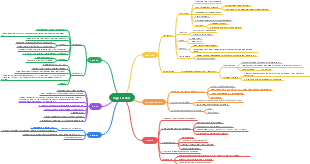
MindMap Gallery general medicine
Mainly include high blood pressure, mental disorder, key groups, diabetes, The basic principles and humanistic spirit of general medicine, person-centered health care, family-based health care, etc.
Edited at 2023-12-22 14:48:45Discover how Aeon can navigate the competitive online landscape with a strategic SWOT analysis. This comprehensive overview highlights Aeon’s strengths, such as its strong brand recognition, omnichannel capabilities, and customer loyalty programs, alongside its weaknesses, including digital maturity gaps and cost structure challenges. Opportunities for growth include enhancing e-commerce competitiveness and leveraging data-driven strategies, while threats from online-first players and market dynamics require attention. Explore how Aeon can strengthen its market position through innovation and customer-centric approaches in the ever-evolving retail environment.

Discover how Aeon effectively tailors its offerings to meet the diverse needs of family-oriented consumers through a comprehensive Segmentation, Targeting, and Positioning (STP) analysis. Our approach begins with demographic segmentation, examining family life stages, household sizes, income levels, and parent age bands to identify distinct consumer groups. Geographic segmentation highlights store catchment types and community characteristics, while psychographic segmentation delves into family values and lifestyle orientations. Behavioral segmentation focuses on shopping missions, price sensitivity, and channel preferences. Finally, needs-based segmentation reveals core family needs related to value and budget considerations. Join us as we explore these insights to enhance family shopping experiences at Aeon.
Discover the dynamics of sneaker transactions with our Kream Sneaker Consumption Scene Analysis Template. This comprehensive framework aims to visualize the purchasing and consumption journeys of sneakers, identifying key demand drivers and obstacles. It covers user behavior within Kream and external influences, targeting various sneaker categories over specific timeframes and regions. The analysis defines user segments, including collectors, resellers, sneakerheads, casual trend followers, and gift purchasers, each with unique values and KPIs. It outlines the consumption journey from awareness to resale, highlighting critical touchpoints such as search, purchase, inspection, and sharing experiences. Key performance indicators are established to measure engagement and satisfaction throughout the process. Join us in exploring the intricate world of sneaker trading!
Discover how Aeon can navigate the competitive online landscape with a strategic SWOT analysis. This comprehensive overview highlights Aeon’s strengths, such as its strong brand recognition, omnichannel capabilities, and customer loyalty programs, alongside its weaknesses, including digital maturity gaps and cost structure challenges. Opportunities for growth include enhancing e-commerce competitiveness and leveraging data-driven strategies, while threats from online-first players and market dynamics require attention. Explore how Aeon can strengthen its market position through innovation and customer-centric approaches in the ever-evolving retail environment.
Discover how Aeon effectively tailors its offerings to meet the diverse needs of family-oriented consumers through a comprehensive Segmentation, Targeting, and Positioning (STP) analysis. Our approach begins with demographic segmentation, examining family life stages, household sizes, income levels, and parent age bands to identify distinct consumer groups. Geographic segmentation highlights store catchment types and community characteristics, while psychographic segmentation delves into family values and lifestyle orientations. Behavioral segmentation focuses on shopping missions, price sensitivity, and channel preferences. Finally, needs-based segmentation reveals core family needs related to value and budget considerations. Join us as we explore these insights to enhance family shopping experiences at Aeon.
Discover the dynamics of sneaker transactions with our Kream Sneaker Consumption Scene Analysis Template. This comprehensive framework aims to visualize the purchasing and consumption journeys of sneakers, identifying key demand drivers and obstacles. It covers user behavior within Kream and external influences, targeting various sneaker categories over specific timeframes and regions. The analysis defines user segments, including collectors, resellers, sneakerheads, casual trend followers, and gift purchasers, each with unique values and KPIs. It outlines the consumption journey from awareness to resale, highlighting critical touchpoints such as search, purchase, inspection, and sharing experiences. Key performance indicators are established to measure engagement and satisfaction throughout the process. Join us in exploring the intricate world of sneaker trading!
general medicine
Overview
The emergence and development of general medicine
The foundation of general medicine
Rapid population growth and aging
Changes in the spectrum of diseases and causes of death
Shifts in the medical paradigm
Rapidly rising medical costs
A brief history of the development of general medicine
The development status of general medicine abroad
USA
Commercial medical insurance forms/health insurance payment models
U.K.
national medical and health service system
Australia
A medical service system that combines national medical insurance and private medical insurance
Canada
State management combined with insurance payment model
Germany
State management combined with insurance payment model
The development and prospects of general medicine in China
General Medicine, General Practitioners and General Practice
general medicine
concept
Purpose
People-centered
family as a unit
Oriented towards the maintenance and promotion of overall health
Discipline Characteristics of General Medicine
Comprehensive
Modern service model with regional and national characteristics
Emphasis on a holistic approach to clinical thinking
Attach great importance to the art of service
Research objects of general medicine
Diagnosis, treatment, management, rehabilitation and prevention of common health problems in the community
The whole person and his or her health issues
family health issues
general practitioner
Definition of general practitioner
Competencies that general practitioners should possess
Ability to deal with common health and illness problems
Ability to evaluate individual psychological and behavioral problems
Family assessment and home visiting abilities
Ability to serve the community
Ability to handle medical-related issues
Ability to improve and develop yourself
The role of the general practitioner
individual and family level
Medical insurance and insurance system level
social level
general practice
General practice definition
Characteristics of general medical treatment
The biggest feature
long-term responsible care
General medical education
The relationship between integrative medicine and general medicine
Basic principles and humanistic spirit of general medicine
Basic principles of general medicine (9)
People-centered
Pay attention to people who are sick
Establish a holistic view of people
Provide services based on people's personalized characteristics
Good at mobilizing people’s subjective initiative
family as a unit
About family structure and function
About the family life cycle
community based
prevention oriented
Provide preventive care services
Integrate preventive care services into daily medical practice
Use prevention-oriented medical records and health records as essential tools for patient health care
Combining individual prevention with group prevention
Provide continuous, comprehensive, coordinated and personalized preventive services
Taking improving the health of all residents as the goal of medical services
continuity of care
comprehensive care
accessibility care
coordinated care
Based on teamwork
The humanistic spirit of general medicine
Humanistic Spirit and Medical Humanistic Spirit
Changes in Medical Model and Medical Humanistic Spirit
medical model
Core content: Scientific view of medicine
Shifts in the medical paradigm
"Four Expansions"
Expanding from therapeutic services to preventive care services
Expanding from physiological services to psychological services
Expanding from hospital services to community services
Expand from medical technical services to social services
People-centered health care
biomedical model
disease-centered
Superiority
defect
Focus on the disease and ignore the needs of the patient
The doctor-patient relationship is alienated and patient compliance is reduced
Doctors have limited thinking
biopsychosocial medical model
People-centered
It is an inevitable trend in the development of human medicine
The patient’s micro and macro world
The basic point of people-centeredness
Enter the patient's world and understand their personality
Scope of “patients” in general medicine
diease disease, biological abnormality
illness patient, feeling sick
sickness, illness, social recognition
Tertiary prevention
People-centered health care
4 main tasks of a general practitioner
Identify and address existing problems (core mission)
Management of continuity issues
preventive care
Improve medical compliance behavior
Admission mode, LEARN mode
L, listen, listen
E, explain, explain
A, acknowledge, allow discussion
R, recommendation, suggestion
N, negotiate, negotiate
Questioning method—BATHE questioning method
B, background, background
A,affect,emotion
T, trouble, trouble
H, handling
E, empathy, empathy
health belief model
Perceptions of disease severity and susceptibility
The pros and cons of adopting measures and the barriers to taking action
Patient's likelihood of taking action
Triggers that turn thoughts into practical actions
Family-based health care
family
definition
traditional family
family in a broad sense
evolving family
better family
structure
external structure
type of family
core family
Intimate but vulnerable
Extend the family
Main family/immediate family
Joint family/duplex family, the most complex
Other types
internal structure
power structure
traditional authority
Tool authority
economic power
emotional authority
share authority
family roles
role expectations
role learning
role conflict
Forms of communication (patterns of interaction)
Poor early stage, impaired emotional communication
mid-term bad, cover up, substitute
Serious, mechanical communication, loss of cooperation
values
Function
emotional function
sexual and reproductive needs
support and support
social function
economic function
grant status to members
Family life cycle, 8 stages
wedding period
birth date of first child
preschool period
school-age childhood
adolescence
child leaving home period
empty nest period
retirement period
Family resources and family crises
family resources
resources within the family
financial support
maintenance support
medical treatment
emotional support
information and education
structural support
resources outside the home
community resource
cultural resources
religious resources
economic resources
Educational Resources
environmental resources
medical resources
Stressful events in family life
status change
Lost
Increased family burden
ethical behavior issues
family crisis
Fewer family members
Increase in family members
immoral incident
change in social status
Family influences on health and disease
home assessment
Basic family information
Family diagram
family circle
Ecomap (ECO-MAP, assesses resources outside the home)
APGAR Home Assessment Questions Form
adaptability
Cooperation
Growth
Emotionality
intimacy
Family cohesion and adaptability
FACES
circumplex, determine type
home care
Home Care Service Levels
Minimal consideration for family
Discuss only biological issues
Provide medical information and consultation
Simple identification and referral of family disorders
sympathy and support
Emphasis on the role of stress and emotion in disease and treatment
assessment and intervention
discuss
family therapy
Meet regularly to change unhealthy interaction patterns within families related to physical and mental illness
Family tertiary prevention
home visit
family therapy
Hospice
other
Infectious disease reporting time
Category A
2h
Category B, Category C
24h
diabetes
primary prevention
health education
community screening
High-risk groups
Starting at 10 years old, normal for the first time, once a year
prediabetes
diabetic patient
secondary prevention
Continuous follow-up
Diagnosed diabetic patients are provided with free blood glucose monitoring 4 times a year and at least 4 face-to-face follow-ups.
Acute complications, urgent referral, active follow-up within 2 weeks
key groups
child care
Regular health check-up
<1 year old
3 times per quarter (12 times a year)
1~2 years old
3 times
3~6 years old
Once a year
mental disorder
Severe mental illness
Follow-up
4 times a year
risk assessment
Once a year
Not hospitalized and unstable
Follow up within 2 weeks
hypertension
Follow-up
Level 1
Once in March (4 times a year)
One day a week, once in the morning and evening
Level 2
Once every 2 to 4 weeks
Once a day in the morning and evening
General practitioners’ clinical diagnosis and treatment thinking
Overview
definition
two conditions
Solid medical knowledge
Rich clinical practice
three phases
Clinical data collection
Medical history collection
Physical examination
Laboratory and laboratory inspections
Analyze data to make a diagnosis
Observe development and treatment to correct diagnostic tests
method
reasoning
Hypothetico-deductive reasoning (most commonly used
inductive reasoning
reasoning by analogy
Horizontal enumeration method
model identification method
feature
Patient-centered, systems thinking model
fully understand the patient
Pay attention to the patient’s medical background
Biopsychosocial medical model
Embody the characteristics of caring for the whole person
Problem-oriented, diagnosis and treatment thinking mode
Evidence-based, clinical thinking
ask
acquire
appraise
apply
assess
Common health issues in the community
Common disease
Features
Most are in the early and undifferentiated stages of the disease
Accompanied by a host of psychosocial problems
Disease and health are highly variable and hidden
Chronic diseases are common and the frequency of medical treatment is high
The causes and effects of health problems are multidimensional and complex
There are more health problems than diseases, and more common diseases than rare diseases
diagnostic strategy
method
Start with symptoms
Start with disease
Start with the system
Diagnostic triad
Using the probability of disease
Test diagnostic hypotheses
process
Pay attention to identifying and eliminating key problems that threaten the patient's life
Diagnostic classification and hazard labeling, red flags
major depressive disorder
withdrawal syndrome
severe infection
severe heart failure
poorly controlled diabetes
Prevention-oriented health care
Overview
Advantages of GPs providing preventive services
Geographical advantage
continuity of service
Fixed crowd
Unique educational concept of general medicine
The special role of GPs
General practitioner’s coordination ability
GP strategies for delivering preventive services
Based on the natural history of the disease
primary prevention
secondary prevention
Tertiary prevention
Chronic disease prevention strategies in the community
Strategies for high-risk groups
whole population strategy
Clinical preventive medicine services
significance
Implement the national health work policy
Reduce disease incidence and mortality
Improve quality of life
Promote preventive awareness among specialists
Improve the quality and level of community health services
in principle
Choose the right technology
Choose appropriate risk factors
Select appropriate diseases to carry out clinical prevention work
seriousness and harm
is it effective
principle of individualization
Priority Principles for Health Counseling and Health Education
The principle of joint decision-making between doctors and patients
The principle of taking into account both effects and benefits
Content and methods
Health Advisory
disease screening
in principle
Consider severity and incidence
natural history clear
Technically appropriate
Clear benefits
Common Chronic Disease Screening
hypertension
Over 35, once a year
High-risk groups, once every six months
Type 2 diabetes screening
at least once a year
way
periodic health check
case finding
immune intervention
child
aldult
chemical intervention
Drugs, nutrients, biologics or other natural substances
folic acid
aspirin
Estrogen
iron
Prevention-oriented self-care for community residents
community-wide health care
community medicine
Community
type
elements
population
100,000 to 300,000
geographical space
5000~50000
Service Facilities
psychological identity sense of belonging
Management agencies and systems
community medicine
definition
Community-oriented primary care in the 1930s
Israel, Dr.Sidney L.Kark
In the 1960s, community medicine was established
In the 1970s, community medical education formed a system
Community medical education (cultivating talents
COPC community-oriented primary care
definition
Three elements
community crowd
Primary care
Solve the problem
Basic Features
Community medicine clinical medicine integration
community diagnostics
intervention plan
utilize resource
Continuity and accessibility of services
significance
Understand the cause
Communities are the backdrop for medical hazards
Complete health maintenance
utilize resource
Control disease epidemics
Health care for all
Classification, Level 4
Factors affecting community health
natural environment
social environment
culture
educate
economy
social psychological factors
biological factors
infectious disease
chronic
genetics
lifestyle and behavior
health care system
community diagnostics
definition
Purpose
problem found
Determine the cause
Offer plan
gather information
The health status of the community population
Demographic indicators
disease indicators
death indicator
living habit
Health awareness
community environmental conditions
natural environment
social environment
Diagnostic steps
gather information
Identify major issues and order of resolution
Implementation Plan
Evaluation results
significance
suitable for community
Convenient and economical
public health management
chronic
Identify community causes
Improve your health
community survey
step
Determine purpose and survey indicators
Determine investigation objects and observation units
investigation method
census
sample survey
typical survey
case-control study, cohort study
gather information
direct observation
interview method
Determine survey items and questionnaires
Implementation Plan
Organize results
Group
Group
Organizing table