 Wondershare EdrawMind
MindMap Gallery Intermediate professional title test-clinical chemistry
- 62
Intermediate professional title test-clinical chemistry
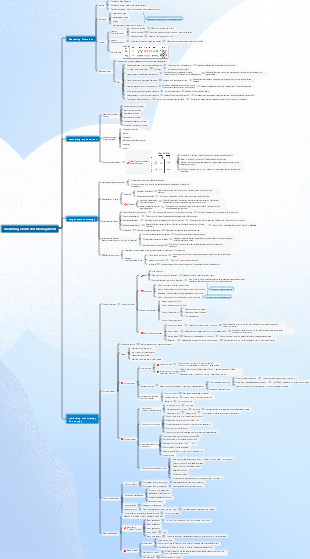
This is a mind map about mid-level professional title examination-clinical chemistry, which summarizes lipid metabolism and hyperlipidemia, renal function, hepatobiliary diseases, glucose metabolism disorders, and diabetes examinations.
Edited at 2023-12-21 00:20:53
- New Employee First - week Onboarding Plan
Mappa mentale per il piano di inserimento dei nuovi dipendenti nella prima settimana. Strutturata per giorni: Giorno 1 – benvenuto, configurazione strumenti, presentazione team. Secondo giorno – formazione su policy aziendali e obiettivi del ruolo. Terzo giorno – affiancamento e primi task guidati. Il quarto giorno – riunioni con dipartimenti chiave e feedback intermedio. Il quinto giorno – revisione settimanale, definizione obiettivi a breve termine e integrazione culturale.
- Analisi del campo di allenamento inglese
Mappa mentale per l’analisi della formazione francese ai Mondiali 2026. Punti chiave: attacco stellare guidato da Mbappé, con triplice minaccia (profondità, taglio, sponda). Criticità: centrocampo poco creativo – la costruzione offensiva dipende dagli attaccanti che arretrano. Difesa solida (Upamecano, Saliba, Koundé). Portiere Maignan. Variabili: gestione infortuni e condizione fisica dei big. Ideale per scout, giornalisti e tifosi.
- Analisi della lineup francese
Mappa mentale per l’analisi della formazione francese ai Mondiali 2026. Punti chiave: attacco stellare guidato da Mbappé, con triplice minaccia (profondità, taglio, sponda). Criticità: centrocampo poco creativo – la costruzione offensiva dipende dagli attaccanti che arretrano. Difesa solida (Upamecano, Saliba, Koundé). Portiere Maignan. Variabili: gestione infortuni e condizione fisica dei big. Ideale per scout, giornalisti e tifosi.
Intermediate professional title test-clinical chemistry
- New Employee First - week Onboarding Plan
Mappa mentale per il piano di inserimento dei nuovi dipendenti nella prima settimana. Strutturata per giorni: Giorno 1 – benvenuto, configurazione strumenti, presentazione team. Secondo giorno – formazione su policy aziendali e obiettivi del ruolo. Terzo giorno – affiancamento e primi task guidati. Il quarto giorno – riunioni con dipartimenti chiave e feedback intermedio. Il quinto giorno – revisione settimanale, definizione obiettivi a breve termine e integrazione culturale.
- Analisi del campo di allenamento inglese
Mappa mentale per l’analisi della formazione francese ai Mondiali 2026. Punti chiave: attacco stellare guidato da Mbappé, con triplice minaccia (profondità, taglio, sponda). Criticità: centrocampo poco creativo – la costruzione offensiva dipende dagli attaccanti che arretrano. Difesa solida (Upamecano, Saliba, Koundé). Portiere Maignan. Variabili: gestione infortuni e condizione fisica dei big. Ideale per scout, giornalisti e tifosi.
- Analisi della lineup francese
Mappa mentale per l’analisi della formazione francese ai Mondiali 2026. Punti chiave: attacco stellare guidato da Mbappé, con triplice minaccia (profondità, taglio, sponda). Criticità: centrocampo poco creativo – la costruzione offensiva dipende dagli attaccanti che arretrano. Difesa solida (Upamecano, Saliba, Koundé). Portiere Maignan. Variabili: gestione infortuni e condizione fisica dei big. Ideale per scout, giornalisti e tifosi.
- Recommended to you
- Outline
Treatise on Febrile Diseases, Attending Physician of Traditional Chinese Medicine Internal Medicine
- 48

clinical chemistry
introduction
Spectrophotometry
T
Absorbance
A
Absorbance
Ion selective electrode method
K
Valinomycin membrane electrode
factors that do not affect
specimen dilution
Biochemical analyzer sample volume and actual volume settings
Can change the settings of the kit instructions
Electrodes in pH meter
glass electrode
Automation application
Not included
Highest accuracy
fixed time method
help solve
specificity issues
Methods to accurately detect trace elements
Atomic absorption spectrophotometry
Enzyme activity detection methods
UV-visible spectrophotometry
Preferred method for aspartate aminotransferase
continuous monitoring method
The wavelength that has the greatest impact on monochromatic light when the light source energy is reduced
340nm
Glucose metabolism disorder and diabetes examination
A brief introduction to sugar metabolism
Anaerobic glycolysis pathway of sugar
process
Glucose phosphate is converted into glucose-6-phosphate
irreversible
hexokinase
Fructose-6-phosphate is converted into 1,6-fructose diphosphate
irreversible
6-phosphofructokinase
Requires Mg (magnesium) and ATP
Conversion of phosphoenolpyruvate into enolpyruvate
irreversible
pyruvate kinase
1,6 fructose diphosphate is broken down in half
Catalyzed by aldolase
Break down into 2 molecules of triose phosphate
dihydroxyacetone phosphate
Glyceraldehyde 3-phosphate
Interconvertible by triosephosphate isomerase
1 mol of six-carbon sugar is cleaved into 2 mol of three-carbon sugar
1 molecule of glucose can produce
2 molecules of ATP
Sugar breaks down into lactic acid
The most important pathway for glucose metabolism in the body
Enzymes involved in anaerobic glycolysis
pyruvate kinase
Metabolites of 1,3-bisphosphoglycerate and phosphoenolpyruvate
Provides high-energy phosphate bonds
Make ADP generate ATP
Why Pyruvate Does Not Accumulate
It can be the hydrogen acceptor of NADP generated in the dehydrogenation reaction of glyceraldehyde 3-phosphate.
physiological significance
Red blood cell acquisition
Without mitochondria, aerobic oxidation is impossible
aerobic oxidation pathway of sugar
process
The first stage
Glycolysis
second stage
within mitochondria
Pyruvate is converted to acetyl COA
via pyruvate dehydrogenase
The third phase
within mitochondria
Tricarboxylic acid cycle (TCA cycle)
Acetyl CoA and oxaloacetate
Condensation into citric acid to regeneration of oxaloacetic acid
a cycle process
Only substrate level phosphorylation
Reaction of succinyl CoA to succinic acid
Features
Synthesis of citric acid to oxidation of α-ketoglutarate
irreversible
The whole process is irreversible
During circulation
There is neither net decomposition nor net synthesis of each component
Remove and add an ingredient
Affect reaction speed
The efficiency of oxidation of acetyl-CoA depends on the concentration of oxaloacetate
The NADH and FADH2 produced in each cycle can pass through the corresponding respiratory chain
generate ATP
While ATP content increases
Glycolysis is inhibited
Pasteur effect
Pasteur effect
Aerobic oxidation inhibits glycolysis
rate limiting steps
isocitrate dehydrogenase
allosteric enzyme
ADP
activator
ATP and NADH
inhibitor
There are two respiratory chains in mitochondria
NADH respiratory chain
succinate respiratory chain
Completely oxidized into water and carbon dioxide
physiological significance
The main way of sugar oxidation function
Supply ATP36-38 pcs
The oxidative release capacity per mole of glucose is
2840KJ
The pathway by which acetyl CoA, the raw material for fatty acid synthesis, is transferred from mitochondria to the cytoplasm
Citric acid-fatty acid cycle
breakdown of glycogen
liver glycogen
Contains glucose-6-phosphatase
hydrolysis to produce glucose
muscle glycogen
Deficiency of glucose-6-phosphatase
only through glycolysis
The organ with the highest total glycogen content
main chemical bonds
1,4-glycosidic bond
Glycogen synthesis and decomposition reactions
starting position
non-reducing end
When synthesizing
Each additional glucose unit
Consumes high-energy phosphate bonds
2
Main methods of adjustment
Phosphorylation and dephosphorylation regulation
Phosphorylase is the rate-limiting enzyme for glycogenolysis
Phosphorylase becomes active after adding phosphoric acid
Phosphorylation
Phosphorylase removes phosphate and becomes inactive
dephosphorylation
glycogen storage disease
most common
Due to congenital defects in the enzyme system
Excessive storage of glycogen in cells or abnormalities in glycogen molecules
Type I
Von Gierke disease
Most common
Type III
Lack
debranching enzyme
Type IV
Lack
branching enzyme
gluconeogenesis
The process of converting non-sugar substances into glucose
Pyruvate, glycerin, lactic acid, glycogenic amino acids
soft cookies
ruan
ru
lactic acid
an
amino acids
cake
Pyruvate
Dry
glycerin
Substances that promote gluconeogenesis
ATP
The only way to synthesize monosaccharides
Is the reverse reaction of glycolysis
Hexokinase, fructokinase 6 phosphate, pyruvate kinase
Irreversible, requires replacement enzyme
hexokinase
glucose-6-phosphatase
6-phosphofructokinase
Fructose-1,6-bisphosphatase
pyruvate kinase
Pyruvate hydroxylase, phosphoenolpyruvate kinase
process
Lactic acid, amino acids, pyruvate
via pyruvate hydroxylase
Oxaloacetate
via phosphoenolpyruvate kinase
Phosphoenolpyruvate
Cori cycle
Glucose in muscle undergoes glycolysis to produce lactic acid
Lactic acid circulates through the blood to gluconeogenesis in the liver and is converted into glucose for use by peripheral tissues.
major organs
liver
pentose phosphate pathway
Glucose 6-phosphate dehydrogenase deficiency
The pentose phosphate pathway is inhibited, resulting in pentose phosphate deficiency
Red blood cells are susceptible to damage by oxidants
prone to hemolytic anemia
Fava bean disease (bava beans are important oxidants)
key enzyme
Glucose-6-phosphate dehydrogenase
unique substance
6-Phosphogluconic acid
carried out in the cytoplasm
Provides ribose 5-phosphate
For biosynthesis of nucleotides and nucleic acids
The connection between sugar metabolism and ribose
Provides reducing power in the form of 2 molecules of NADPH
Participate in various metabolisms
Synthetic fatty acids and cholesterol
fatty acid if glycerol becomes triglyceride
So eating too much sugar will make you gain weight.
Maintain glutathione reducing ability
anti-oxidation
Uronic acid pathway
Generates active glucuronic acid (UDP glucuronic acid)
Important binding agent in biotransformation
Combined with metabolites (bilirubin, steroids, etc.), drugs, and poisons
Glucuronic acid donor
Glucuronic acid
Important components of proteoglycans
Such as hyaluronic acid, heparin, chondroitin sulfate
When synthesizing glycogen
direct donor of glucose
Generate NADPH H
Intermediate metabolites of each blood glucose metabolism pathway
Glucose 6-phosphate
The source and destination of blood sugar
Source of blood sugar
carbohydrate digestion and absorption
The main source of blood sugar
liver glycogen
short term hunger
gluconeogenesis
Chronic hunger (hunger for 1 day)
The path of blood sugar
Oxidative decomposition
Provide energy for cell metabolism
main effect
Synthesize glycogen
Stored as glycogen
converted into non-sugar substances
converted into amino acids
Synthesize protein
blood sugar and urine sugar
fasting blood glucose
3.89-6.11mmol/L
urine sugar
More than 8.9-10mmol/L
Glucose in urine
hyperglycemic glycosuria
Blood sugar>8.9-10mmol/L
disease
diabetes
Hyperthyroidism
thyroid hormone
Hyperadrenocorticism (Cushing's syndrome/Cushing's disease)
corticosteroids
acromegaly
growth hormone
Causes of elevated blood sugar
normoglycemic glycosuria
Blood sugar 3.89-6.11mmol/L or <8.9mmol/L
clinical significance
Abnormal ability of proximal renal tubules to reabsorb glucose
Primary renal glycosuria (familial glycosuria), secondary renal glycosuria (nephrotic syndrome, late pregnancy, chronic glomerulonephritis)
Regulation of blood sugar concentration
regulation of hormones
lower blood sugar
insulin
beta cell production
Promote glucose uptake by muscles and adipose tissue
Promote glycogen synthesis
Promote the conversion of sugar into fat and inhibit lipolysis
Accelerate the oxidative decomposition of sugar
Prevent gluconeogenesis
Raise blood sugar
glucagon
most important hormone
Regulated by increasing CAMP content in target cells
Glucocorticoids, growth hormone
stimulate gluconeogenesis
Adrenaline, thyroxine
liver regulation
Keep blood sugar constant
key organs
Main metabolic pathways for obtaining energy
fatty acid oxidation
Two-way regulation
Hypoglycemic
Hepatic glycogen synthesis
Raise blood sugar
breakdown of liver glycogen
gluconeogenesis
oxidation of sugar
Cannot convert glucose into other simple sugars
Hyperglycemia and diabetes
hyperglycemia
>7.0mmol/L
reason
Physiological
1-2 hours after high-sugar diet, exercise, and stress
pathological
Various types of diabetes
Decreased or insufficient insulin function
Hyperthyroidism
Elevated thyroid hormone
Hyperadrenocorticism (Cushing's syndrome)
Elevated glucocorticoids
acromegaly
Elevated growth hormone
disease stress state
Increased intracranial pressure caused by craniocerebral trauma, intracranial hemorrhage, etc.
Elevated adrenaline
dehydration
Plasma is hypertonic
High fever, vomiting
won't appear
gastrectomy
Types of diabetes
DM
Clinical syndrome of disorders of sugar, fat, protein, water and electrolyte metabolism
clinical manifestations
Three more and one less
Polyphagia, polydipsia, polyuria, weight loss
Edema
Not myxedema
Hyperlipidemia
microvascular neuropathy
islet alpha cells
glucagon
Types
type 1 diabetes
autoimmune disease
pancreatic beta cell destruction
cell-mediated autoimmune damage
Features
hairy teenagers
presence of autoantibodies
Insulin surface antibodies (ICAs)
Insulin antibodies (IAA)
Islet cell antibodies (ICA)
Definitely not enough insulin
Absolute deficiency of insulin or C-peptide
Treatment relies on insulin
Polygenic genetic susceptibility
HLA-DR3
DR4
Type II diabetes
adult-onset DM
Unable to produce normal biphasic pulsatile secretion like normal pancreatic beta cells
Produces only second phase secretion
Insulin resistance
Decreased sensitivity of liver, peripheral adipose tissue, muscle, etc. to insulin
After sugar stimulation
delayed release of insulin
Insulin secretion disorder
In the later stage, the pancreatic islets are exhausted
Features
Obese middle-aged and elderly people
The absolute value of insulin is not low
relatively insufficient
No autoantibodies
treatment with insulin
Not sensitive
Assists in diagnosing whether type II diabetes progressively develops into type I diabetes
Glutamic acid decarboxylase autoantibodies
Diagnostic criteria
Have symptoms of diabetes and random blood sugar ≥11.1mmol/L
OGTT
2h≥11.1mmol/L
Oral administration of 75 g anhydrous glucose aqueous solution
Fasting blood glucose (FVPG) ≥7.0mmol/L
fasting
No caloric intake for at least 8 hours
Diabetic metabolic disorder
acute changes
Break down triglycerides and fatty acids
Synthetic ketone bodies
Because of insufficient pancreatic islets
So you can't get energy from glucose
Break down fat cells for energy
Produce ketone bodies
Ketone bodies enter peripheral blood causing acidosis
chronic changes
microvascular and small vessel disease
diabetic retinopathy
diabetic cataract
Decreased sorbitol dehydrogenase
Sorbitol cannot be metabolized and overflows into the lens
Causing protein precipitation
diabetic nephropathy
macrovascular disease
cardiovascular
cerebrovascular disease
peripheral neuropathy
Urinary microalbumin
Better indicators for early diagnosis of diabetic nephropathy
acute complications of diabetes
Hypoglycemia
Dilated pupils, fast heartbeat, sweating, confusion, coma
Blood sugar <2.78mmol/L
urine sugar
Negative
diabetic ketoacidosis
Mild dehydration, Kussmaul breathing (deep breathing), rotten apple smell on breath
Blood sugar 16-33.6mmol/L
Urine sugar ( )
Ketone body ( )
nonketotic hyperglycemic hyperosmolar diabetic coma
Obvious dehydration, decreased blood pressure, neurological signs, and coma
Blood sugar>33.6mmol/L
Urine sugar ( )
Ketone body(-)
lactic acidosis
Flushed complexion, rapid breathing, low blood pressure, impaired consciousness, and coma
Lactic acid>5mmol/L
AG>18mmol/L (anion gap)
Increased white blood cells
Hypertonic diuresis caused by hyperglycemia
Increased hematocrit (HCT)
Hematocrit
Male 42%-49%
Female 37%-48%
All below 50%
Newborns 47%-67%
laboratory tests
fasting blood glucose
At least 8 hours
Reference
3.89-6.11mmol/L
2 hours after meal
Oral administration of 75g anhydrous glucose or 100g steamed buns
Reference
<7.8mmol/L
Blood glucose measurement
sample
plasma
sodium fluoride
Prevent glycolysis
best sample
serum
separate immediately
Whole blood is lower than plasma or serum
12%-15%
Separate within 1 hour
at room temperature
drop per hour
5%-7%
Venous blood<Capillaries<Arterial blood
method
enzymatic method
Glucose oxidase-peroxidase coupling method (GOD-POD)
This is also the method for urine sugar
first step
GOD
Only glucose reacts
Part 2
Peroxidase (POD)
There are reducing substances
The result will be lower
Chromogenic substrate
4-Aminoantipyrine (4-AAP)
red
O-toluidine (OT)
blue
end point method
wavelength
505nm
The most widespread conventional method
Original recommended method
Enzymatic coupling method is more accurate in blood glucose measurement than condensation method
Enzyme has high specificity and sensitivity
Wide linear measuring range
Glucose shock (HK) method
recognized reference method
most specific
wavelength
340nm
Glucose oxidase-oxygen rate (GOD-OR) method
Electrode method/sugar electrode/enzyme electrode
Detection principle
is a thing
Urine glucose measurement
Simple screening test
Cannot be used as a basis for diagnosis
OGTT
Understand pancreatic beta cell function and the body's ability to regulate sugar
method
75g glucose dissolved in 250ml warm water
Drink within 5 minutes
Pregnant woman
Dosage 100g
method
Detect blood glucose levels at 30min, 60min, 90min and 120min
diagnosis
invisible diabetes
No symptoms of diabetes
Those with random or abnormal fasting blood glucose
No symptoms of diabetes
Transient or persistent diabetes
No symptoms of diabetes
Significant family history of diabetes
Have symptoms of diabetes
Randomization or fasting are not sufficient diagnostic criteria
Pregnancy, hyperthyroidism, liver disease, infection, and those with diabetes
Women who have given birth to a fetus with macrosomia or individuals with a history of fetal macrosomia
Unexplained kidney disease or retinopathy
glycosylated protein
Glucose binds to proteins through non-enzymatic glycosylation reactions
No enzyme
Directly proportional to blood sugar concentration
Proteins are released only after degradation
Glycated hemoglobin (GHb)
The lifespan of red blood cells is 120 days
Half-life 60 days
Response takes 6-8 weeks (2-3 months)
blood sugar control level
Reference method
High-pressure liquid chromatography (HPLC)
HbA1c
4%-6%
diabetes treatment
<7%
clinical significance
Erythemia, anemia, chronic blood loss, uremia
Red blood cell lifespan shortened
Causes GHb to decrease
increased hemoglobin
polycythemia vera
Causes increase in GHb
glycosylated serum protein
Mainly measures glycated serum albumin/albumin
albumin=albumin
clean
albumin
Half-life 17-19 days
Sensitive indicators for recent control
More sensitive than glycated hemoglobin
test methods
Nitrotetrazolium blue method
Insulin release experiment
Measure fasting and post-meal insulin levels
pancreatic beta cells
preproinsulin
proinsulin
Cleavage within pancreatic beta cells
Equimolecular insulin C-peptide
secreted into the blood
islet alpha cells
glucagon
insulin
A protein composed of two peptide chains a and b connected by disulfide bonds
Mechanism
Binds to special protein receptors on cell membranes
C-peptide
No insulin activity
proinsulin
Has 3% insulin activity
Reference
fasting insulin
4.0-15.6U/L (chemiluminescence method)
17.8-173pmol/L (electrochemiluminescence method)
C-peptide
250-600pmol/L (electrochemiluminescence method)
clinical significance
Not included in the diagnostic criteria
islet cell tumor
Blood sugar dropped significantly
C-peptide release experiment
advantage
No antigenic cross-talk with exogenous insulin
patients treated with insulin
Understand the secretory function of pancreatic beta cells
C-peptide preferred
hypoglycemia
Below the physiological lower limit <2.78mmol/L
Sympathetic nerve
excited
Palpitation, trembling hands, sweating, etc.
Central Nervous System
abnormal
most sensitive to hypoglycemia
brain tissue
Because sugar is not stored, it can be used as needed
Classification
fasting hypoglycemia
Repeated
Pancreatic beta cell tumor (insulinoma)
reactive hypoglycemia
Induced after appropriate stimulation
Low blood sugar after eating
Idiopathic postprandial (functional) hypoglycemia
Postprandial hypoglycemia symptoms
No coma or epilepsy
Recovers automatically in half an hour
OGTT
Fasting and 1h blood glucose are normal
2-3h too low
Return to normal later
Starvation test
tolerate
No episodes of hypoglycemia
Insulin levels and insulin/blood sugar
normal
Low sugar, high protein diet
efficient
No history of diabetes, gastrointestinal surgery, etc.
nutritional hypoglycemia
Type II diabetes or hypoglycemia with impaired glycosuria
Lipid metabolism and hyperlipidemia
blood lipids
free cholesterol ester
cholesterol ester
Phospholipids
Triglycerides
sugar ester
free fatty acids
Triglycerides
The first intermediate product of biosynthesis
Phosphate ester
Liver, fatty tissue and small intestine
The liver has strong synthesis ability
fat mobilization
rate limiting enzyme
triglyceride lipase
Fat stored in fat cells is gradually broken down by lipase
Free fatty acids and glycerol are released into the blood
For oxidation and utilization by other tissues
generation process
Liver cells and adipocytes
diglyceride pathway
Triglycerides
glucose
Glycolysis
3-glycerol phosphate
2 molecules of fatty acyl-CoA under the action of transacylase
Phosphatidic acid
Phosphatidic acid phosphatase and transacylase
Triglycerides
cholesterol
The most direct precursor (raw material)
Acetyl CoA
lipid compounds
Coenzyme Q, phosphate, vitamin E, lipoprotein
Types
neutral fat
Total cholesterol (TC): free cholesterol (FC), cholesteryl ester (CE) (70%) Triglycerides (TG)
fat soluble
lipids
Phospholipids (PL), glycolipids (GL), free fatty acids (FFA), sterols
water soluble
lipoprotein
Lipids cannot directly enter tissue cells
Must bind to special proteins
Hydrophilic spherical macromolecules
Ultracentrifugation
According to density
The more lipids, the lower the density
The more triglycerides, the lower the density.
The lipid content is arranged from most to least
CM, VLDL, IDL, LDL, HDL
Lowest density (upper level)
CM
principle
According to the speed of particles moving in the gravity field, it is related to the density and shape of the particles.
It is also related to the strength of the gravity field and the viscosity of the special body.
effect
Separation of subcellular components
Separation of large protein molecules
Electrophoresis
Charge size and molecular weight
Proteins are negatively charged and swim from cathode to anode
lipid fuel
Sudan Black B or Oil Red O
pre-stain
from negative pole to positive pole
CM, LDL, VLDL, HDL
If there are too many IDLs
Widthβ
The fastest migration
HDL
Apolipoprotein (Apo)
Function
Constructs and stabilizes the structure of lipoproteins
Maintains the physical characteristics of lipoproteins
Make it water soluble
lipoprotein receptor ligands
Participate in the regulation of enzyme activity related to lipid metabolism
Regulation of enzyme activity
ApoA I
LCAT (lecithin cholesterol acyltransferase) cofactor, activation activity
Represents HDL level, positively correlated
ApoAII
Inhibit LCAT activity
ApoC II
LPL (lipoprotein lipase) cofactor, activating activity
Promote CM and VLDL catabolism
ApoC III
Inhibit LPL activity
Apo(a)
Inhibit plasmin activity
Thought to compete with plasminogen due to structural similarity
ApoB
Represents LDL level, positive correlation
method
immunoturbidimetry
Common methods
Lipid metabolism routine examination items
Not included
ApoE
lipoprotein metabolism
Chylosome (CM)
Get TG from food
Small intestinal mucosa synthesis CM
Lymph enters blood
Transport of exogenous TG
The highest TG content
Key enzymes for hydrolysis
LPL (Lipoprotein Lipase)
Clear organs
liver
Fasting for 12 hours
No CM
VLDL, IDL, LDL
Three sisters, the process of gradual formation
Liver synthesis of VLDL
Contains TG
Part of LPL becomes IDL
Contains TG, CE
Converted to LDL via HTGL/HL (liver lipase)
Contains CE
Deliver CE to peripheral tissues
VLDL
Liver synthesis
The most abundant
TG
Transport of endogenous TG
LDL
Transport endogenous cholesterol to peripheral tissues
Cholesterol content in plasma
most
Diabetes combined with abnormal lipid metabolism
Increased LDL
nephrotic syndrome
Increased LDL
Because the patient has three highs and one low
including hyperlipidemia
Has a transmembrane domain
Affinity for oxidized LDL
Can specifically recognize lipoproteins containing ApoB or ApoE
LDL-C calculation method
Friedewald formula
LDL-C=TC-(HDL-C TG*0.2)
condition
Fasting serum does not contain CM
TG concentration is below 4.6mmol/L
Except type III hyperlipoproteinemia
with atherosclerosis
Positive correlation
HDL
process
Synthesis by small intestine and liver cells
Unformed HDL
Uptake of free fatty acids from peripheral tissues
Synthesis of HDL in LCAT (lecithin cholesterol ester acyltransferase)
Contains CE
transported to liver for metabolism
Function
cholesterol reverse transport
with atherosclerosis
negative correlation
Summarize
More accurate prediction of coronary heart disease occurrence
TC (total cholesterol)
HDL-C
Diabetes combined with abnormal lipid metabolism
Increased LDL
Lp(a)
independent lipoprotein
Similar to LDL structure
Contains apolipoprotein a
Apo(a) and plasminogen have homology
Delay the destruction of fibrin
related to thrombosis
Increased risk of atherosclerosis and arterial thrombosis
High level variation among individuals
Level is related to race
Cannot be converted into other lipoproteins
Check content
specimen
Fast for 12 hours
Do not drink alcohol, do strenuous exercise, or be in a state of stress 24 hours ago
Maintain your usual eating habits for the first 2 weeks
Abnormal blood lipids or lipoproteins
Review every 2 weeks
Total cholesterol (TC/CHOL/CHO)
include
Cholesterol ester (CE), free cholesterol (FC)
synthetic organ
liver
rate limiting enzyme
Hydroxymethylglutaryl coenzyme A reductase (HMG·CoA reductase)
Function
The only precursor of bile acids
Cholesterol is metabolized into bile acids
major end products of metabolism
conjugated bile acids
precursor of steroid hormones
sex hormones, adrenocortical hormones
Vitamin D3 precursor
Reference
appropriate level
<5.18mmol/L
rise
>6.22mmol/L
O. I want to send, 622
clinical significance
rise
obstructive jaundice
diabetes
nephrotic syndrome
hypothyroidism
chronic renal failure
third trimester of pregnancy
postpartum recovery
reduce
Cirrhosis
malignant tumor
malabsorption of nutrients
giant cell anemia
female menstrual period
Triglycerides (TG)
Reference
appropriate level
<1.7mmol/L
rise
>2.2mmol/L
Roll (G), stingy (1.7) Tai Er (2.2)
Enzymatic assay
Measured in serum
Free glycerol and triglycerides
LDL-C
Reference
appropriate level
<3.37mmol/L
rise
Greater than 4.14mmol/L
Low (L) 3 down 4
HDL-C
Reference
1.04-1.55mmol/L
High (H) wants (1) wants me (1.5)
Detection method
high speed centrifugation
Serum standing test
CM
Surface "cheese"
VLDL, IDL
turbid
Those with TG are all turbid
LDL
clear
Types of hyperlipoproteinemia
Atherosclerosis (AS)
causative factors
Hyperlipidemia, hypertension, smoking, gender, endocrinology
early stage lesions
The first cells to enter the arterial intima
Macrophages
Increased homocysteine (HCY)
Generate homocysteine lactone compound
Accelerate atherosclerosis
Positively related to LDL
Glycated LDL, B-type LDL, oxidized LDL, acetyl LDL
Excludes type A LDL
Cholesterol deposits in peripheral tissues
Anti-AS factors
HDL
hyperlipoproteinemia
The concentration of one or more of CM, VLDL, and LDL is too high
WHO classification
I
IIa
IIb
III
IV
V
Summarize
From V upward, it is the same as the high-speed centrifugation method.
The top is CM
IIb and V have one more VLDL
Type IIa
LDL receptor abnormalities
Type IIb
The cause is unclear
fatty liver
main reason
Intrahepatic fat transport disorder
plasma protein
protein
Most abundant in plasma
Amino acids that make up proteins in nature
No difference
Amino acids not metabolized in the liver
branched chain amino acids
Leucine
isosine
valine
Branched chain amino acid/aromatic amino acid ratio
3.0-3.5
Phenylalanine dicarboxylic amino acid
carrier protein
acidic amino acid carrier
Except gamma globulin (excluding CRP)
The liver synthesizes almost all proteins
Gamma globulin is immunoglobulin
Function and clinical significance
Prealbumin (PA)
Liver synthesis
half life
2-5 days
shorter than albumin
as tissue repair material
Reference
200-400mg/L
Early response sensitivity
The most sensitive indicator of liver synthesis function
In cellulose acetate thin film electrophoresis
Shown on the anode side of albumin
response to malnutrition
More sensitive than albumin
Carry thyroxine (T3 has high affinity), vitamin A
During acute inflammation
level drops
Albumin/Albumin (ALb)
Most abundant protein
57%-68%
Liver synthetic function evaluation index
Not able to pass through the glomerulus
Function
Nutrient protein
Indicators of individual nutritional status
Maintain blood pH
Buffering acid-base substances
Plasma pH: 7.35-7.45
carrier protein
Transports many substances that are fat-soluble or poorly water-soluble
Bilirubin, bile acids, prostaglandins, steroids, metal ions, drugs (penicillin)
Maintain colloid osmotic pressure
The colloid in the blood is albumin
High albumin, high osmotic pressure,
Pull water from cells into blood vessels
Albumin<28g/L
Edema, decreased blood volume
tissue repair materials
Evaluate liver function and synthesis function
Features
Isoelectric point (PI)
4.7-4.9
<PH
negatively charged
negatively charged
Can combine with positive ions such as Ca, Mg, Cu, etc.
half life
20 days
2-3 weeks
Salting out protein precipitation
Proteins have hydrated membranes and are negatively charged
So they will repel each other, hydrophobic effect
Adding salt destroys the hydration film and negative charges
Then they will aggregate with each other and produce precipitation.
normal method
Bromocresol green method (BCG)
Proteins are positively charged in buffer 4.2
Combined with the anionic fuel bromocresol green
Absorbs at 628nm wavelength
Time 30s
dye binding method
Reference
35-53g/L
clinical significance
rise
Severe dehydration, shock, and insufficient drinking water
reduce
Insufficient synthesis
severe liver disease
Insufficient absorption
Malnutrition or malabsorption
lost
nephrotic syndrome
Three high and one low
Hyperedema, hyperlipidemia, hyperalbuminuria hypoalbuminemia
Severe burns, acute blood loss, tissue inflammation
Increased catabolism (wasting disease)
Malignant tumors, hyperthyroidism, severe tuberculosis
Distribution anomaly
portal hypertension ascites
Cirrhosis-portal hypertension-leakage of albumin from blood vessels-lowering of albumin-lowering of colloid osmotic pressure-ascites
mobile voicedness
Haptoglobin/haptoglobin (Hp)
Ability to bind to free form hemoglobin
Binding capacity 1000mg/L
If it exceeds, hemoglobinuria will form.
The volume becomes larger after combining
Not able to pass through the glomerulus
Protect hemoglobin
protective iron
clinical significance
intravascular hemolysis
decline
Because it's used up
α2 Macroglobulin (α2-MG/AMG)
protein with the largest molecular weight
clinical significance
nephrotic syndrome
rise
Protein loss leads to increased colloid osmotic pressure and edema.
To balance, α2 macroglobulin increases because it is too big to leak out.
Belongs to a compensatory mechanism
Ceruloplasmin/copper oxidase (Cp/CER)
copper-containing glycoprotein
blue
α2-globulin zone
Has ferroxidase effect
Can oxidize Fe2 to Fe3
Assist in diagnosing Wilson's disease (hepatolenticular degeneration)
Important signs of corneal pigment ring disease
Transferrin (TRF/Tf)
clinical significance
iron deficiency anemia
f
rise
transferrin saturation
decline
sideroblastic anemia
f
normal
transferrin saturation
rise
molecular weight
79500
Ferritin
malignant tumor patients
Proteins that grow taller with tumor antigens
Ferritin
β2 microglobulin
Found on the surface of all nucleated cells
blood, urine, cerebrospinal fluid
small protein
free passage through glomerulus
Reabsorbed by proximal tubule
clinical significance
Urinary β2 microglobulin
Reflects renal tubular reabsorption function
Rejection after kidney transplantation
Blood β2 microglobulin
Reflects glomerular filtration function
Damage will increase
inflammation or tumor
cerebrospinal fluid beta2 microglobulin
central nervous system leukemia
rise
C-reactive protein (CRP)
gamma globulin
But synthesized by the liver
exception
Features
Polymerized from five monomers
Binds to C polysaccharide of Streptococcus pneumoniae
acute inflammation
sharp increase
cardiovascular
The most powerful predictor
CRP and hypersensitive CRP are the same thing
The lower limit of ultra-sensitive CRP detection is 0.1mg/L
Detection method
Serum total protein (TP)
albumin globulin
Albumin to globulin ratio =A/G: 1-2/1
method
biuret colorimetry
Recommended, commonly used, preferred methods
colored substances
Purple red
Wavelength 546nm
Kjeldahl method
Reference method
The most classic method
1g nitrogen = 6.25g protein
Average protein nitrogen content
16%
phenol reagent method
Utilizes tryptophan and tyrosine residues
React with reagents
colored substances
blue
Maximum absorption peak
745-750nm
Reference
60-80g/L
Total scarring (total 68) Scars are left using total protein
clinical significance
rise
Hemoconcentration
Increased synthesis
Increased globulin synthesis
multiple myeloma
Macroglobulinemia (IgM)
Albumin
Bromocresol green method
Reference
35-53g/L
For the sake of innocence, slap me, slap me
Serum protein electrophoresis analysis
Cellulose acetate film electrophoresis, agar gel electrophoresis
Barbiturate buffer with a pH of 8.6
Proteins are negatively charged
from positive pole to negative pole
albumin
α1 globulin
Alpha 2 globulin (alpha 2 macroglobulin)
Beta globulin (beta2 microglobulin)
Gamma globulin (immunoglobulin)
fastest
albumin
A band with only a single protein
albumin
deepest
albumin
slowest
gamma globulin
widest
The shallowest
α1 globulin
Mainly HDL
AFP
α1-antitrypsin
most important protein
C3, C4
beta-globin domain
clinical significance
Cirrhosis
Chronic active hepatitis, cirrhosis
ALb decreased
γincreased
A/G inversion
β-γ bridge appears
liver fibroplasia
Increased IgA
nephrotic
Acute and chronic nephritis, nephrotic syndrome, renal failure
Alb lowered
Increased α2 and β
A/G inversion
multiple myeloma
Mainly IgG or IgA
A narrow band appears between β-γ
M zone
Quantitative analysis
Highest sensitivity
Chemiluminescence method
acute phase response protein (APR)
Acute myocardial infarction, trauma, inflammation, surgery, tumors
forward
has a problem
rise
α1 antitrypsin (AAT), α1 acid glycoprotein (AAG), haptoglobin (Hp), ceruloplasmin (CER), C4, C3, fibrinogen, C-reactive protein
Negative
has a problem
decline
Prealbumin, albumin, transferrin (can be used as detection indicators of malnutrition)
Carry this
Does not belong
α2-MG (α2-macroglobulin)
β2-MG (β2-microglobulin)
Enzymology
When an enzyme-substrate complex is formed
Conformational changes in enzymes
Classification
specific enzyme
tissue cell synthesis
Enzymes released into the plasma to perform catalytic functions
Cholinesterase (ChE)
Lipoprotein lipase (LPL)
Copper oxidase/ceruloplasmin (CP/CER)
non-specific enzyme
The concentration is very low
Inactive
transaminase
Enzyme that catalyzes the transfer of amino groups between amino acids and alpha-keto acids
exocrine enzyme
Synthesis of digestive glands and other exocrine glands
Released into the intestines to act
pancreatic amylase
pancrelipase
Trypsin
Pepsin
cellular enzymes
Intracellular synthesis
Function within cells
Physiological variations or pathological mechanisms
Physiological variation
gender
CK and GGT
Men are higher than women
age
Alkaline phosphatase (ALP3)
related to bone growth
1-5 years old
10-15 years old
postmenopausal
eating
alcoholism
Elevated GGT
chronic alcoholism
most sensitive indicator
sports
Strenuous exercise
CK, LD, AST
rise
pregnancy or childbirth
9 months pregnant
ALP reaches peak
ALP can be present in the placenta
Pathological mechanism
Abnormal enzyme synthesis
abnormal liver function
Cholinesterase (ChE)
Pseudocholinesterase (pChE)
Cell enzyme release
Concentration differences inside and outside the cell
The location and presence of enzymes in cells
ASTm (m-AST)
Mitochondrial AST
in organelles
Severe liver cell disease and cell necrosis
ASTS (c-AST)
Cytoplasmic AST
liver damage
Early days
CK is released first
Little damage
released after LD
No aggregates
serious damage
Activity Assay Method
Timing method (two-point method)
Continuous monitoring method (rate method)
The most commonly used and accurate
Activity influencing factors
Enzyme activity level
substrate concentration
Accurate and large enough
PH
7.4
temperature
37℃
Enzyme reaction kinetics
Michaelis-Menten equation
V=Vmax*[S]/Km [S]
V
Response speed at any point in time
Vmax
Maximum reaction rate when enzyme is saturated with substrate
[S]
substrate concentration
Km
Michaelis constant
Only related to enzyme structure and substrate
independent of enzyme concentration
constant
Enzymes with multiple substrates have different Km values
Different enzymes have different Km values for the same substrate
Indicates the affinity of the enzyme
The greater the affinity
The smaller the Km value
The one with the smallest Km value
natural substrate
When Km is equal to half of Vmax
Km=[S]
When Km is equal to 80%Vmax
Km=0.25[S]
single substrate enzymatic reaction
When [S]<<Km
The reaction rate increases with increasing substrate concentration
When [S]>>Km
V=Vmax
[S] It’s better to be Km
10-20 times
process curve
Delay period
In the presence of excess substrate, the binding of the substrate to the enzyme initiates the period
Initial rate is slower
Reactions speed up and reach maximum
linear period
constant rate
The reaction rate is not affected by the substrate
zero order reaction period
The best period for enzyme activity
nonlinear period
Significant decrease in speed
The rate is proportional to the substrate
primary reaction period
Enzyme activity concentration unit
Under the conditions specified in the test
Enzyme required to catalyze 1umol of substrate per minute
Sample to reagent volume ratio
1:10
Consider detection sensitivity and upper limit of determination
Add dilution water
The amount of dilution water must be deducted when reconstituting the reagent
unit
U/L
Katal unit
An enzyme that catalyzes 1 mol of substrate per second
International System of Units (SI System)
1U=16.67nKatal
continuous monitoring method
V=substrate serum
ε=molar absorption coefficient=6220
Question for
v=serum volume
L colorimetric cup light
Question for
Enzyme inhibitors
Classification based on different binding positions on enzyme molecules
Competing but not opposing
Left ascending, right descending, invariant oblique symmetry
Tool enzyme
Enzymes used as reagents to determine the concentration of a compound or the concentration of enzyme activity
mostly oxidoreductase
enzyme coupling reaction
first step
auxiliary reaction
first order reaction
The enzyme reaction to be measured
Step 2
Indicate reaction
zero order reaction
Tool enzyme reaction
An indicator system catalyzed by dehydrogenase
Wavelength selection 340nm
NAD(P)H has special light absorption at 340nm
NAD(P) has no special light absorption at 340nm
subtopic
Collection points
Not hemolytic
most influential
LDH
Separate serum promptly
Prevent intracellular enzymes from entering the blood
Use serum specimens
timely measurement
Anyway, protein denaturation
Cryopreservation
Except LDH
Cold denaturation, destroyed when frozen
isoenzyme
Different molecular structures, physical and chemical properties, and immunological properties
But catalyzing the same chemical reaction
a group of enzymes
Analytical method
Electrophoresis
Distribution has tissue differences and cellular localization differences
isoenzyme
Can diagnose and differentially diagnose diseases
Enzyme classification
simple enzyme
only enzyme proteins
Conjugated enzyme (holoenzyme)
Enzyme protein cofactor (prosthetic group coenzyme)
cofactor
directly related to enzyme function
such as cofactors of transaminases
Pyridoxal Phosphate (Vitamin B6)
It has catalytic activity only after synthesis
prosthetic base
Strongly binds to enzyme proteins
Dialysis cannot separate
Good friends never separate
coenzyme
Loosely bound to enzyme proteins
Dialysis can separate
Combine quickly
Not specific
In the negative reaction enzyme activity assay
Settable substrate depletion value
Specify a lower limit for absorbance
Below this limit, there is too little substrate
If the absorption rate of the measuring cup exceeds ABN (abnormal absorption rate)
Phenylalanine hydroxylase deficiency
Children with mental retardation
Fumarate acetoacetate hydrolase deficiency
Type I tyrosinemia
Fluid balance disorder
water distribution
Body fluids (60%)
intracellular fluid
2/3 (40%)
intracellular water
extracellular fluid
1/3 (20%)
intercellular night
15%
plasma
5%
Total body fluid volume with age
reduce
Influencing factors
Between plasma and cells
colloid osmotic pressure
Albumin composition
High albumin = high osmotic pressure
high
Can pull intercellular fluid into blood vessels
Interstitial fluid and plasma
Intercellular fluid and intracellular fluid
crystal osmotic pressure
Electrolytes (sodium, chloride, glucose, urea)
Na in external fluid
High osmotic pressure
Water goes to external fluid
Between cells (interstitial fluid and internal fluid)
internal fluid
cation
K
anion
Inorganic phosphate
external fluid
cation
Na
anion
Cl, HCO3
Main ions that maintain extracellular osmotic pressure
Na,Cl
concentration difference
Na-K pump
Na
130-150mmol/L
K
3.5-5.5mmol/L
5.5 My me, I am home, home is inside
dehydration
Decreased extracellular fluid
hypovolemia
Extracellular fluid is plasma
changes with sodium concentration
Hypertonic
Na>150
Internal fluid is significantly reduced
Because it is absorbed into the plasma and then lost through urine, sweat, etc.
Reduced interstitial fluid
Profuse sweating, diabetes insipidus, osmotic diuresis, respiratory evaporation
Isotonicity
Na130-150
Internal fluid is normal
gastrointestinal fluid loss
Vomit
lose gastric juice
diarrhea
Loss of intestinal juice
Reduction in external fluid
Hypotonic
Na<130
Increased or slightly decreased internal fluid
External fluid is significantly reduced
After losing body fluids, only replenish water but not salt
Hypertonicity and hypotonicity are from the perspective of plasma
The internal fluid remains high, low, etc.
Potassium
Function
Participate in acid-base balance
Maintain the osmotic pressure of intracellular fluid
Maintain muscle and nerve stress
Enhance neuromuscular excitability
Reduce myocardial excitability
High potassium can cause cardiac arrest
Participate in anabolism
Factors affecting intracellular and intracellular distribution
Glucose metabolism
fat metabolism
Requires the participation of potassium
pH balance
kidney and respiratory function
Intracellular potassium accounts for the total amount of
98%
The total amount of potassium in plasma
1.5%
metabolism
intestinal absorption
Kidney, feces, skin excretion
Factors affecting blood potassium
Physiological
kidney
aldosterone
Retain sodium and excrete potassium
The main hormone that promotes renal tubular Na and K exchange
intracellular transfer
Na-K-ATPase
insulin
blood sugar concentration
When glucose enters the cell, it brings a K ion with it.
Take a home away
pathological
reduce
Vomit
lost along with gastric juices
increase height
organizational destruction
high fever
blood pH
H-K exchange
pH acidic
H increases
compensation
H enters the cell
K swap out
K
rise
pH alkaline
H decreases
compensation
H enters the blood
K is exchanged into the cell
K
reduce
clinical significance
Hypokalemia
<3.5mmol/L
Insufficient intake
Lost too much
severe diarrhea, vomiting, sweating
Adrenocorticosteroids
Includes aldosterone (sparing sodium and excreting potassium)
diuretics
use insulin
hyperkalemia
>5.5mmol/L
Enter stock blood
If the bleeding time is too long, the K in the cells will be released.
excretion disorder
renal tubular acidosis
renal tubule
compensation
Too much H-Na exchange
Too much
Na-K exchange decreases
Too many K
Decreased renal tubular K secretion
K
rise
intracellular potassium transfer
Extensive burns and crush injuries
metabolic acidosis
pH acidic
H increases
compensation
H enters the cell
K swap out
K
rise
renal tubule
compensation
Too much H-Na exchange
Na-K exchange decreases
Decreased renal tubular K secretion
K
rise
method
Reference method
potassium, sodium
flame photometry
Anion gap (AG)
Difference between unmeasured anions and unmeasured cations
anion
CL, HCO3, inorganic acids, organic acids (lactic acid, β-hydroxybutyric acid, acetoacetic acid)
AG=Na-(CL HCO3)=amount of organic acid
Reference
8-16mmol/L
metabolic acidosis
Increased AG
Detection method
Ion selective electrode method (ISE)
The simplest and most accurate method
The formula based on the electrode method is
Nernst formula
flame spectrophotometer method
Reference method
H, HCO3, Ca relationship
Reactions present in plasma
CaCO3
CaCO3
CO3 H
HCO3
HCO3 H
H2CO3
H increased
proceed right
CO3 reduction
proceed left
Increased Ca
H decreases
proceed left
Increased CO3
proceed right
Ca decrease
HCO3 increases
proceed right
H decreases
proceed left
Increased CO3
proceed right
Ca decrease
HCO3 reduction
proceed left
H increased
proceed right
CO3 reduction
proceed left
Ca increase
blood gas analysis
pH
7.35-7.45
PH=pKa log【HCO3-】/【H2CO3】
pKa=6.1
Bohr effect
Phenomenon that changes in pH affect the oxygen-carrying capacity of Hb
Measuring electrode in pH meter
Ion exchange electrode
Function
buffer system
HCO3 to H2CO3 ratio
Ion exchange inside and outside cells
H-K exchange
lung breathing
Exhaust CO2
Acid discharge
kidney
Acid discharge (H) and alkali preservation (HCO3)
Partial pressure of carbon dioxide (PCO2)
Reference
35-45mmHg
clinical significance
Diagnose respiratory acid-base poisoning
Just look at PCO2
Chronic bronchitis, emphysema, cor pulmonale
Reduced CO2 emissions
Increased PaCO2
respiratory acidosis
Bronchial Asthma
Increased CO2 emissions
PaCO2 decrease
respiratory alkalosis
If you can't catch your breath, you'll have to breathe hard
Bicarbonate (HCO3-)
Reference
22-27mmol/L
clinical significance
Diagnosis of metabolic acid-base poisoning
rise
metabolic alkalosis
reduce
metabolic acidosis
Classification
AB
actual bicarbonate
Contains PaCO2
Affected by respiratory factors
SB
Standard bicarbonate
Does not contain PaCO2
Reactive metabolic acid-base poisoning
The most reliable indicator
AB>SB
Increased PCO2
respiratory acidosis
AB<SB
PCO2 reduction
respiratory alkalosis
Base remaining (BE)
Reference
-3——3
principle
The amount of acid and alkali required to titrate 1L blood to pH 7.4 under standard conditions
Acidic blood
Titration with base
negative value
blood alkalinity
titrate with acid
Positive value
Alkali remains
So it’s called alkali residue
clinical significance
metabolic alkalosis
Positive value
increase
metabolic acidosis
negative value
increase
Buffer base (BB)
The sum of a series of buffering bases in the blood
plasma proteins
hemoglobin
HCO3-
HPO32-
BB=HCO3 Pr Hb≈50mmol/L
Reference
45-54mmol/L (whole blood)
clinical significance
Same as HCO3
reduce
Acid or alkali replacement
rise
alkali or acid respiration
BB lowered
AB (HCO3) normal
Indicates a decrease in Hb or plasma protein levels
CO2 transport
physical dissolution
Combined with HCO3
main
Binds to Hb
carbamic acid hemoglobin
Hb-NHCOO
Oxygen partial pressure (PaO2)
Reference
95-100
Reflects cardiopulmonary function
degree of hypoxia
Sensitive indicators
Oxygen saturation (SaO2)
oxygen saturation
Blood oxygen content as a percentage of oxygen capacity
blood oxygen content
The amount of oxygen actually bound to hemoglobin
Reference
arterial blood
95%-98%
formula
Oxygen carrying capacity per gram of hemoglobin
1.34ml
Oxygen content per 100ml of blood
100ml (blood)*1.34ml/g*hemoglobin content*oxygen saturation
Hb's ability to bind oxygen
Depends on oxygen partial pressure
The ratio of the amount of HbO2 in the blood to the total amount of Hb (including Hb and HbO2)
HbO2 dissociation curve
abscissa
PO2
Y-axis
blood oxygen saturation
P50
The corresponding PO2 when the blood oxygen saturation reaches 50%
The affinity of Hb to oxygen or the position of the oxygen dissociation curve that is more sensitive to oxygen
Factors affecting oxygen transport
PH
down to 7.2
P50 increased
Hb's affinity for oxygen decreases
Dissociation curve shifts to the right
Increased release of oxygen
rose to 7.6
P50 lowered
increased affinity
Curve moves left
Bohr effect
temperature
rise
P50 increased
Decreased affinity for oxygen
Curve shifts right
Increased release of oxygen
reduce
P50 lowered
Increased affinity for oxygen
Curve moves left
PCO2
increase height
P50 increased
decreased affinity
Curve shifts right
release oxygen
reduce
P50 lowered
increased affinity
Curve moves left
2.3 Diphosphoglycerate (2,3-GPG)
Products of the non-erythrocyte glycolytic pathway
Directly leads to conformational changes in Hb
Affects affinity for oxygen
Concentration decreased
P50 increased
Hb's affinity for oxygen decreases
Dissociation curve shifts to the right
Increased release of oxygen
Increased concentration
P50 lowered
increased affinity
Curve moves left
compensatory mechanism
compensatory acid-base imbalance
PH normal
decompensated acid-base imbalance
Abnormal pH
Estimated compensation formula
primary metabolic acidosis
PCO2=40-(24-HCO3)*1.2±2
metabolic acid
Compensating for PCO2 decline
Use 40-
primary metabolic alkalosis
PC02=40 (HCO3-24)*0.9±5
metabolic base
Compensating for rising PCO2
Use 40
Metabolic use 40
acute respiratory acidosis
HCO3=24 (PCO2-40)*0.07±1.5
respiratory acid
Compensating for rising HCO3
Use 24
acute respiratory alkalosis
HCO3=24-(40-PCO2)*0.2±2.5
respiratory base
Compensating for the drop in HCO3
Use 24-
Breathing lightly 24
Use ascending - in brackets The falling was-
mechanism
Acid excretion and alkali retention function of the kidneys
pH drop
H-Na exchange increases
Renal tubules excrete H and recycle Na
HCO3 reabsorption increases
Renal tubules secrete NH3 and H combined with NH4 and excrete it
Reduced acid content
pH rise
N -Na decrease
Inhibit H excretion
Decreased HCO reabsorption
Renal tubules do not secrete NH3
regulation of the lungs
pH drop
PaCO2 rises
Breathing becomes deeper and faster
Exhaust CO2
Reduced acid content
PH rise
PaCO2 decreases
Inhibit CO2 emission
Increased acid content
simple acid-base balance
metabolic
Look at HCO3 (NaHCO3)
metabolic acidosis
Indicator changes
original
HCO3 decreases
compensation
PCO2 decreases
It’s already sour, and the acidity of your breath will also drop.
Increased anion gap AG
compensatory mechanism
breathe
H rises
Stimulate the respiratory system
Breathe deeply
CO2 discharge
kidney
Increased tubular H-Na exchange
Excrete H
secrete NH3
Discharged as NH4
HCO3 reabsorption
rise
inside and outside the cell
Elevated H-K exchange
Serum K
rise
Prompt potassium supplementation is required after correction of acidosis
reason
H-K exchange, potassium enters the cell
Potassium is excreted from the kidneys
diabetic ketoacidosis
metabolic alkalosis
Indicator changes
original
Elevated HCO3
compensation
Elevated PCO2
compensatory mechanism
breathe
H drop
Depress respiratory system
CO2 rises
kidney
H-Na exchange decreases
Exclude H reduction
HCO3 reabsorption
decline
inside and outside the cell
H-K exchange lowered
Serum K
reduce
CL
relative decline
hypokalemic hypochloral alkalosis
respiratory
Look at PCO2 (H2CO3)
respiratory acidosis
Indicator changes
original
Elevated PCO2
compensation
Elevated HCO3
compensatory mechanism
breathe
H rises
Stimulate the respiratory system
Breathe deeply
CO2 discharge
kidney
Increased H-Na exchange
Excrete H
secrete NH3
Discharge NH4
HCO3 reabsorption
rise
inside and outside the cell
Elevated H-K exchange
Serum K
rise
respiratory alkalosis
Indicator changes
original
PaCO2 decreases
compensation
HCO3 decreases
compensatory mechanism
breathe
H drop
Depress respiratory system
CO2 emissions decrease
kidney
H-Na decreases
H drop
Decreased secretion of NH3
HCO3 reabsorption
decline
Absorb CL to expel HCO3
The kidneys themselves excrete acid and preserve HCO3
Now that HCO3 is no longer absorbed, another anion CL must be absorbed.
blood chloride
rise
Bronchial Asthma
comprehensive
PH<7.4
HCO3*PCO3>1000
Acid breath
Elevated PCO3
Compensatory increase in HCO3
PH<7.4
HCO3*PCO*<1000
Acid substitute
HCO3 decreases
Compensatory decrease in PCO3
PH>7.4
HCO3*PCO3>1000
substitute alkali
HCO3 rises
Compensatory rise in PCO3
PH>7.4
HCO3*PCO3<1000
Respiratory alkali
PCO3 decreases
Compensatory decrease in HCO3
diabetic pain acidosis
High anion gap metabolic acidosis
Increased fixed acid in the body
HCO3 concentration decreases
Increased AG
diarrhea
Normal anion gap metabolic acidosis
HCO3 lost
Accompanied by increased CL
So AG remains unchanged
persistent vomiting
CL-responsive metabolic alkalosis
H is missing
Decreased renal HCO3 reabsorption
Increased CL reabsorption
This is because the decrease in HCO3 reabsorption leads to the increase in CL reabsorption.
So is the response
Decreased CL excretion
primary aldosteronism
CL-resistant metabolic alkalosis
Increased H and K excretion
Increased HCO3 and Na reabsorption
Decreased CL reabsorption
Increased CL excretion
Expelled so resist
blood gas analysis technology
pH determination
Glass electrode, reference electrode
PCO2 determination
CO2 gas sensing electrode
PO2 determination
O2 gas sensing electrode
collection
arterial blood
Heparin anticoagulation
Lithium Heparin
Isolate the air
otherwise
PO2 and PH increase
Decreased PCO2
Detection within 30 minutes
otherwise
put in ice water
Reduce glycolysis
No more than 2h
Partition coefficient
The partitioning of a compound between two immiscible phases
under certain stable conditions
is a constant
biochemical technology
immunotechnology
immunofixation electrophoresis
Methods to identify monoclonal immunoglobulin heavy chain and light chain types
Electrochemiluminescence immunoassay
Based on ruthenium tripyridine and tripropylamine
A chemical reaction that produces light when triggered by an electric field
Features
Precisely control the entire analysis process through electric fields
α1-globulin zone
The fluorescence intensity
When the concentration of fluorescent substance is high
self-extinguishing phenomenon
The widest zone is
gamma-globulin domain
The weakest zone is
α1-globulin domain
Mainly HDL
AFP
α1-antitrypsin
most important protein
Complement C3.C4
beta-globin domain
electrophoresis
mobile interface electrophoresis
zone electrophoresis
According to the type of support, particle size and electrophoresis method
Filter paper, cellulose acetate membrane, silica gel, alumina, cellulose
Starch, agarose, polyacrylamide gel
agarose gel electrophoresis
lipoprotein electrophoresis
polyacrylamide gel electrophoresis
Isolate small fragments of DNA (5-500bp)
Steady state electrophoresis
also called displacement electrophoresis
Features
The electrophoretic migration of molecular particles after a certain period of time
reach steady state
include
Isoelectric concentration electrophoresis
isotachophoresis
Chromatography
Fundamental
The weaker the interaction with the stationary phase
The smaller the blockage
Move forward faster
Ion exchange chromatography
Stationary Phase
Ion exchanger
Each component has different affinities
achieve the purpose of separation
Affinity chromatography
Stationary Phase
specific ligand
Has specific affinity
purify the macromolecule
with exclusive affinity
Antigen, antibody
Antigens and Antibodies
DNA
DNA and complementary DNA or RNA
enzyme
Enzymes and substrates, receptor proteins or competitive inhibitors
hormone
Hormones and their receptors
vitamins
Vitamins and binding proteins
glycoprotein
Glycoproteins and lectins
adsorption chromatography
Stationary Phase
solid adsorbent
Different adsorption capacities
achieve the purpose of separation
gel chromatography
effect
Desalination
Separation and purification
Determine the molecular weight of polymer substances
Concentration of polymer solutes
gel filtration
Methods for separating proteins of different molecular masses
large solute molecules
Faster through gel columns
Substances that are highly soluble in the mobile phase
The first to be washed off
biosensing technology
principle
The substance to be measured is expanded
Enter the immobilized biosensitive membrane layer
The information produced is converted by chemical or physical transducers into
electrical signals that can be quantified or processed
Amplified output
Calculate the concentration of the substance to be measured
biosensitive membrane
Molecular recognition original
key originals
Determine sensor functionality and quality
biochip
Dielectrophoresis
Improve separation efficiency
High performance liquid chromatography
Strong separation ability and high sensitivity
For proteins, nucleic acids, amino acids, alkaloids, steroids and lipids
Separation is beneficial
UV absorption detection
Most applied
Sensitivity
ng level
Classification
Liquid-solid adsorption chromatography
liquid-liquid partition chromatography
Ion exchange chromatography
Visible and UV spectrophotometry
Determination calculation method
standard curve method
contrast method
Differential notation
Methods for solving colored solutions that are too thick or too dilute
Multi-component mixture determination method
Molar Absorption Coefficient Method
Lambert-Beer law
A (absorbance)
K (molar absorption coefficient)*C (solution concentration)*L (light path)
At a specific wavelength of the same solution
Increase absorbance
Increase the light path to achieve
Solute remains unchanged
Maximum absorption peak wavelength remains unchanged
The peak value is proportional to the concentration
Solution dilution
Peak height decreases
wavelength
260nm and 340nm
UV light
410nm
yellow visible light
630nm
red visible light
UV spectrophotometer
Determine protein
Nucleic acids interfere with light absorption
Select dual wavelength correction
public announcement
Protein concentration (g/L)=1.45A280nm-0.74A260nm
Selected wavelength
280nm
Atomic absorption spectrophotometry
Determination of zinc
Zinc element hollow cathode lamp
sensitivity, specificity
Sensitivity
Serious but effective
Characteristic tumors with certain curative effects
Multiple possibilities exist to rule out a certain diagnosis
Census or periodic health check-up
screening test
specificity
A certain disease is more likely to occur
Convenient diagnosis
Severe but poor efficacy and prognosis
Serious and radical treatment will cause great harm
Confirmatory test
accuracy, precision
Level three
Decisive method
Develop and evaluate reference methods
Standard
Reference method
Identification routine methods and secondary standards
normal method
Isolate protein
Utilizing the special physical and chemical properties of proteins
Salting out method, dialysis method, electrophoresis, chromatography and ultracentrifugation
Physical methods that do not damage the higher-order structure of proteins
Precipitating agent that can precipitate proteins without denaturing them
ammonium sulfate at low temperatures
Absolutely not to be used
High temperature, over acidity, over alkali, severe vibration, etc.
separase
Salting out method
most commonly used method
No denaturation
Easy to desalinate
organic solvent precipitation method
High-resolution
No need for desalination
Easy to inactivate
Low temperature operation
adsorption separation method
Remove impurities and concentrate enzymes
Separation of crude products
chromatography
Electrophoresis
for analysis and preparation
Measuring the isoelectric point of enzyme proteins
Crystallization
easy to save
Not necessarily a completely pure product
Ultracentrifuge
30000r/min
645000g
Measurement
National Bureau of Weights and Measures
Marking of "measure-out" pipettes
TD
Marking of "measure-in" pipettes
TC
Marking for "measure-out" volumetric instruments
A
Marking of "meter-in" volumetric instruments
E
DNA
DNA size obtained by phenol extraction method
>200,000
DNA size obtained by formamide depolymerization method
100,000-150,000
Size of DNA obtained from guanidine hydrochloride lysed cells
20,000-50,000
ROC curve
A graphical tool for describing the diagnostic capabilities of binary classifier systems
abscissa
false alarm probability
Y-axis
hit probability
AUC
area under curve
The closer to 1
The higher the diagnostic accuracy
Not consistent with the real situation
AUC=0.1
Accuracy is lower
AUC=0.5
Have certain accuracy
AUC=0.8
Have higher accuracy
AUC=0.9
best accuracy
AUC=1
Features
Reflect the relationship between sensitivity and specificity
The curve is in the upper left corner
The classifier has high diagnostic accuracy
The curve is in the lower right corner
The classifier has low diagnostic accuracy
bone
bone resorption
Deoxypyridinol
specific markers
reason
Naturally formed from collagen
abiotic synthesis
Not metabolized before being excreted in urine
Bone is the main source
Not affected by diet
landmark
Collagen cross-linking
bone formation
landmark
Osteocalcin
bone glutamyl protein
bone alkaline phosphatase
procollagen peptide
osteomalacia
Common causes
Vitamin D deficiency
renal osteopathy
Cause
Lack of active vitamin D3
secondary hyperthyroidism
Malnutrition
acidosis
endocrine diseases
hormone
Play a role
through receptors
Classification
Peptides and proteins
Hypothalamic hormones, pituitary hormones, cardiac hormones, gastrointestinal hormones
Steroid
Adrenocortical hormones, sex hormones
Amino acid derivatives
Thyroid hormone, adrenomedullary hormone
Fatty acid derivatives
prostate hormone
APUD cells
collective name
Amine uptake and decarboxylation cells
Can secrete xenobiotic hormones
Not regulated by the endocrine gland axis
autonomous secretion
Embryonic development originates from
neural crest ectoderm
Incomplete differentiation
Thyroid secretory dysfunction
Thyroxine
Lower blood cholesterol levels
Thyroid follicular epithelial cells secrete
Thyroxine (T4)
Triiodothyronine (T3)
Directly enters the cell nucleus and binds to nuclear receptors to function
biosynthetic process
Uptake and activation of iodine
Iodination and condensation of tyrosine, etc.
Tyrosine is the raw material for the synthesis of thyroid hormone
secretion regulation
hypothalamic-pituitary-thyroid axis
Sensitive indicators reflecting the function of the hypothalamus-pituitary-thyroid axis
Thyroid Stimulating Hormone (TSH)
Thyroid Stimulating Hormone (TSH)
α and β subunits
Hormones with high homology to α subunit
hCG
With LH (gonadotropin), FSH, TSH, hCG
homologous subunit structures
Reference
newborn
1-18mU/L
newborn height increase
first doubt
congenital hypothyroidism
aldult
0.63-4.19uU/ml
transportation
T3 and T4 are mainly bound to plasma proteins
Thyroxine-binding globulin (TBG) binding
Free T3, free T4
Biologically active and can enter target cells
Free T3
More active
examine
clinical manifestations
test
Functional test check
Free T4 (FT4), free T3 (FT3), hypersensitive TSH
first plan
first line indicators
Total T3, Total T4
Related to TBG (thyroxine-binding globulin)
TBG check
It can explain the inconsistency between total T3 and T4 test results and clinical manifestations.
Total T3 (TT3)
Observation of early Grave efficacy and recurrence after drug discontinuation
Sensitive indicators
TSH
Composed of α subunit and β subunit
β subunit is a functional subunit
immunochemical method
Antibodies against beta subunit
Monoclonal antibodies
Because alpha subunit
It has homology with the deposits of LH (gonadotropin), FSH, and HCG
High false positives
stress state
Falsely low TSH
TRH (thyrotropin-releasing hormone) stimulation test
Grave's disease
Increased T3 and T4
feedback inhibition TSH
Not excited about TRH
intravenous injection of TRH
Elevated TSH
Rule out Grabve's disease
TSH normal/lowered
Support the diagnosis of primary hyperthyroidism
Thyroid 131I uptake rate test
Utilizing the iodine uptake function of the thyroid gland
Introduction to reaction ability to synthesize and secrete thyroid hormones
Hyperthyroidism
Fast uptake
High uptake rate
Hypothyroidism
Flat peak
Decreased uptake
For those with hyperthyroidism
Risk of inducing a cardiac reaction
subacute thyroiditis
Have symptoms of hyperthyroidism
Thyroid levels and iodine uptake capacity
separation phenomenon
Increased T3 and T4, decreased TSH
Decreased uptake
Thyroid autoantibody test
Thyroid-stimulating (TSH) receptor antibodies (TRAb)
Inhibit TSH
Early diagnosis of Grave's disease
first line indicators
Determine disease activity
Hyperthyroidism recovery, relapse after recovery, and discontinuation of medication after treatment
Important indicators
include
thyroid stimulating antibodies
TSAb
Thyroid inhibitory antibodies
TFIAb
Thyroglobulin antibody (TGAb), thyroid peroxidase antibody (TPOAb)
Long-term positive, high titer
Indicates the possibility of progression to autoimmune hypothyroidism
Hashimoto's disease
Note on blood collection
Collect blood before getting up in the morning
TSH
Secretion peaks between 2-4 a.m. in the morning
17-18 o'clock is the secretion low point
cortisol
Highest in the morning
Midnight lowest
newborn
Blood collection on the third day (72h)
thyroid hormone
Promote nervous system development
most important hormone
adrenal hormone metabolism
Adrenal gland types
Adrenocortical hormones (steroid hormones)
The raw material is cholesterol
Mineralocorticoids
aldosterone
globular zone
Glucocorticoids (GC)
cortisol, corticosterone
fasciculus
sex hormones
Androgens, small amounts of estrogen
mesh belt
Adrenomedullary hormones (catecholamine hormones)
Adrenaline(E)
Norepinephrine (NE)
Dopamine (DA)
Adrenocortical hormone characteristics
Steroids
The raw material is cholesterol
degradation site
liver
Glucocorticoids
pass
Hypothalamic-pituitary-endocrine axis regulation
adrenocorticotropic hormone (ACTH)
Highest in the morning, lowest at midnight
Determination
Commonly used chemiluminescent immunoassays and radioimmunoassays
extraction method, direct method
The direct method is relatively simple
EDTA and heparin can be used for anticoagulation
Unable to measure in time
Cryopreservation
hyperadrenocorticism
Cushing's syndrome (Cushing's disease)
Chronic glucocorticoid hyperplasia (increased total cortisol)
Cause
Pituitary adenomas and hypothalamic-pituitary disorders
primary adrenocortical tumor
Allogeneic ACTH (pulmonary oat cell tumor)
Not secreted by the pituitary gland
Drug-induced increase in cortisol
Clinical features
Round face/moon face
central obesity
eosinophilia
Eosinophilia is related to the hormone cortisol
Raise blood sugar
Glucocortisol-sugar-blood sugar
primary adrenal insufficiency
Addison's disease
Cause
Autoimmunity, tuberculosis, fungal infections
Tumor, leukemia, radiation therapy
Destruction of the overwhelming function of the bilateral adrenal glands leading to insufficient secretion
examine
Glucocorticoids (cortisol, corticosterone)
decline
Urinary 17-hydroxycorticosteroids, 17-ketosteroids
decline
metabolite
Preservation with concentrated hydrochloric acid
Plasma ACTH
rise
secondary adrenocortical insufficiency
Cause
Infections of the hypothalamus and pituitary gland
Inflammation, tumors, radiation therapy
Causes decreased secretion of CRH and ACTH
examine
Glucocorticoids (cortisol, corticosterone)
decline
Urinary 17-hydroxycorticosteroids, 17-ketosteroids
decline
metabolite
Plasma ACTH
decline
primary rise, secondary fall
Clinical and biochemical diagnosis of adrenocortical dysfunction
24h urinary 17-hydroxycorticosteroids (17-OHCS)
Cortisol levels in blood
24h urinary 17-ketosteroid (17-KS)
Corticosterone levels in blood
blood cortisol
Directly responds to glucocorticoid secretion
Immunoassay testing is
total cortisol
Blood and urine free cortisol
The concentration at which a reaction is truly active
Preferred items
adrenocorticotropic hormone (ACTH) stimulation test
Diagnosis of primary or secondary cortical hypofunction
Intravenous ACTH
primary hypo
Blood and urine cortisol are not elevated
The original hair itself can stimulate the growth, so no more is needed.
secondary decline
delayed response
It will only rise after the party
Intravenous CRH
primary
Increased ACTH
Cortisol unchanged
dexamethasone suppression test
Diagnosing Cushing's Syndrome
Dexamethasone = synthetic GC
Inhibit CRH, ACTH
normal person
CRH, ACTH
decline
GC
decline
Any type of cortisol release in Cushing's syndrome
low dose dexamethasone
Not suppressed by low-dose dexamethasone
Because the secretion itself increases and has been suppressed, it will no longer be suppressed.
high dose dexamethasone
caused by adrenocortical tumors
Adrenal carcinomatous Cushing's disease, heterologous ACTH syndrome
Little change in blood and urine cortisol
Because it has been suppressed, it will not be suppressed anymore.
Adrenomatous Cushing's disease
Partially normal adrenal cortex
There may be some inhibition
Caused by pituitary disease (secondary)
Has a certain inhibitory effect
Decreased blood and urine cortisol
Inhibition rate of multipotency>50%
adrenocortical adenocarcinoma
Central obesity, hypertension, osteoporosis
Accompanied by increased secretion of sex hormones
female
Hirsutism, acne, menstrual irregularities, virilization
adrenomedullary hormone
adrenomedullary hormone
chromaffin cells
Has the ability to secrete catecholamine hormones such as epinephrine (E), norepinephrine (NE), and dopamine (DA)
Pheochromocytoma
Adrenaline, norepinephrine, dopamine
rise
Adrenaline(E)
Increased blood pressure, increased cardiac output
Vanillyl Mandelic Acid/Mandelic Acid (VMA)
Metabolites of E and NE
Because there is no detection method for catecholamines
Using urinary VMA to understand the secretory function of the adrenal medulla
Pheochromocytoma
VMA, serum E and NE
significantly increased
sex hormone disorders
Sex hormones (steroid hormones)
androgens
Testosterone
Small amounts of dehydroepiandrosterone
Androstenedione
Estrogen
Estrogen
Estradiol (E2)
Small amounts of estriol (E3)
Small amounts of estrone
progesterone
progesterone
Biochemical tests
Gonadal function test
Testosterone
Diagnosis of male sexual dysfunction or insufficient testosterone secretion
active form
5α-dihydrotestosterone
Luteinizing hormone (LH)
Predicting ovulation and ovulation abnormalities
Follicle stimulating hormone (FSH)
Promote follicle maturation
Similar structure to HCG
Estradiol (E2)
The most active natural estrogen in life
One of the diagnostic indicators of premature puberty in women
GnRH stimulation test
Gonadotropin-releasing hormone (GnRH) stimulation test
Intravenous GnRH
Check pituitary and ovarian function
Differentiating causes of delayed puberty and sexual immaturity
Precocious puberty
Girls before 8 years old
Boys before 10 years old
Growth hormone (GH) disorders
Function
Secreted during the day after meals
3 hours
half life
20 minutes
Promote bone cartilage DNA and RNA synthesis
related to sexual development
Speed up protein synthesis
Accelerates bone and muscle growth
Promote hepatic glycogenolysis
hormones that raise blood sugar
Does not promote brain development
disorder
growth hormone deficiency
pituitary dwarfism
Short stature, skeletal underdevelopment
Normal intelligence
Different from cretinism (low thyroid hormone)
gigantism
Excessive secretion of GH during growth and development
acromegaly
Excessive secretion of GH in adulthood
prostate
Benign prostatic hyperplasia
hyperplasia of prostate tissue per gram
Elevated PSA
0.3ug/L
PSAs
Composite PSA
half life
10 days
ACP (acid phosphatase)
diagnosing prostate cancer
hormones secreted by pancreatic polypeptide family
caseineurine
pancreatic cancer
CA153
half life
8-15 days
CA199
half life
8.5 days
Gastric cancer, lung cancer
CA125
half life
4.8 days
liver cancer
AFP
half life
4-5 days
α1-globulin zone
pancreatic disease
exocrine function
General term
pancreatic juice
Element
Water, digestive enzymes, bicarbonate
Digestive enzymes (exocrine enzymes)
amylase
Lipase
Protease
Phospholipase
ribonucleotidase
Simultaneously promotes secretion of pancreatic juice and bile
Stomach
Examination and clinical significance
Amylase (AMY)
Can form complexes with large molecular weight proteins
characteristic
only alpha-amylase
Small molecular weight
can pass through the glomerulus
The only thing that can appear in urine
Plasma enzyme
Directly secreted by the pancreas
biologically active enzymes
No catalysis required
Hydrolyze α-1,4 glycosidic bonds
Resistant to high temperatures of 70°C
PH
6.5-7.5
IFCC recommended methods
Nitromaltoheptaose method
isoenzyme
P-isoenzyme
pancreatic isoenzyme
The pancreas also looks like a small P
S-isozyme
salivary isoenzyme
Influencing factors
Anions have an activating effect
Cl, Br (bromide ion)
The most active
Triglycerides
Inhibit amylase activity
dilute specimen
reduce impact
Heparin anticoagulation
Ca is a component of the amylase molecule
EDTA, oxalate, and citrate can combine with Ca
Inhibition of amylase should not be used
The measurement system requires Ca
clinical significance
acute pancreatitis
Increased amylase and lipase activities
mumps
S type is elevated and P type is normal
Lipase activity does not increase
Heavy drinking, perforated peptic ulcer
S type and P type can be raised at the same time, or any one type can be raised.
macroamylasemia
Elevated serum amylase
Decreased urinary amylase
Because it's too big, there's no way to filter it
Inject morphine
S-shaped rise
Return to normal within 36 hours
Lipase (LPS)
clinical significance
Basically parallel to amylase
Specific for diagnosing pancreatitis
higher than amylase
Mumps accompanied by abdominal pain
Only elevated amylase, but normal lipase
as differential diagnosis
Trypsin
The first enzyme that is activated when pancreatic juice enters the intestine
Summarize
acute pancreatitis
Cause
Overeating
Large amounts of pancreatic juice secreted
Increased pressure within the pancreatic duct
Pancreatic vesicle rupture
Pancreatic juice enters the interstitium between pancreatic alveoli
clinical manifestations
Sudden severe abdominal pain
Center or left side of upper abdomen
Persistent exacerbation
Radiate to the back and ribs
Pressure and rebound tenderness under the xiphoid process
feel sick and vomit
Pathogenic relationship with calcium ions
Hypercalcemia is prone to pancreatic duct calcification and stones
Calcium ions are not related to pancreatic amylase activation
But it is relevant to the measurement
Related to trypsinogen activation
Hypercalcemia promotes pancreatic juice secretion
Hypercalcemia promotes gastrin secretion
hemorrhagic necrotizing pancreatitis
Massive adipose tissue necrosis (digested by pancreatic juice)
break down fatty acids
Combines with calcium to form fat calcium
Consume a lot of calcium
cause hypocalcemia
Parallel to clinical severity
Blood calcium <1.75mmol/L
twitching of the hands and feet
pancreatic cancer
Tumor markers
CEA
CA199
CA50
CA242
pancreatic exocrine function test
secretin test
cholecystokinin test
Lundh test
fecal fat test
No amylase assay
Murphy negative
Definitely not cholecystitis
α1-antitrypsin
Protease inhibitor
when lacking
Proteolytic enzymes act on the elastic fibers of the alveolar walls
fetal respiratory distress syndrome
Emphysema in young adults
kidney function
nephron
renal corpuscle
glomerulus
renal capsule
Inside the renal capsule is the original urine
renal tubule
glomerular function
aperture barrier
Molecular weight<40kD
Glucose, water-pass
Molecular weight>70KD
Blood cells, protein-failed
charge barrier
Positive charges pass easily
filter function
Material basis
renal blood flow
structural basis
Membrane area and permeability
Power basis
Effective filtration pressure
Effective filtration pressure = glomerular capillary pressure - (colloid osmotic pressure intracapsular pressure)
tubular reabsorption
basic functions of kidneys
Urinary function
glomerular filtration function
Reabsorptive function of renal tubules
secretory or excretory function of renal tubules
endocrine function
1,25-(OH)2-D3
Erythropoietin (EPO)
blood
glomerular filtration
Original urine (180L)
tubular reabsorption
Final urine (1-2L/24h)
Reabsorption accounts for 99% of the total
glomerular filtration function
Glomerular filtration rate (GFR)
unit time
Amount of filtrate produced by both kidneys
unit
ml/min
Damaged charge barrier
medium molecular proteinuria
Damaged pore barrier
macromolecular proteinuria
Reabsorptive function of renal tubules
proximal tubule
The most important/main part
Glucose, amino acids, vitamins, trace protein, water, electrolytes, HCO3 (alkali)
not reabsorbed
Creatinine
marrow loop
countercurrent multiplication
Both water and solutes are reabsorbed
Distal convoluted tubule and collecting duct
Under the regulation of antidiuretic hormone (ADH) and aldosterone
Reabsorb water and Na
antidiuretic hormone (ADH)
Sensitive to osmotic pressure
Excessive sweating can cause ADH to rise
aldosterone
sensitive to blood volume
Secretory and excretory functions of renal tubules
proximal tubule
discharge
H
reabsorption
HCO3-
H-Na exchange
Distal convoluted tubule and collecting duct
discharge
K
NH3 (ammonia)
NH3 combines with H to form NH4 and is discharged
Exhaust ammonia and hydrogen (acid exhaust)
reabsorption
NaHCO3
K-Na exchange
Chemical changes in kidney disease
Abnormalities in proteins and their metabolites
azotemia
Urea, creatinine, uric acid
non-protein nitrogenous substances
content significantly increased
Renal Failure
Important clinical manifestations
azotemia
Endogenous creatinine clearance is higher than actual glomerular filtration rate
Because the renal tubules secrete small amounts of creatinine
proteinuria
Urine protein amount>150mg/24h
proteinuria
>3.5g/24h
massive proteinuria
Severe impairment of glomerular filtration
Can accumulate renal tubules
nephrotic syndrome
protein markers
renal
glomerular proteinuria
Leakage of medium and large molecules
Albumin (main)
Transferrin (Tf)
Immunoglobulin
Complement (C3)
α2-macroglobulin
acute glomerulonephritis
nephrotic syndrome
tubular proteinuria
small protein
Lysozyme
α1 microglobulin
β2 microglobulin
Retinol binding protein (RBP)
Pyelonephritis
interstitial nephritis
mixed proteinuria
chronic nephritis
Spillover
prerenal proteinuria
small protein in blood
Light chain protein (M protein)
hemoglobin
Myoglobin
Lysozyme
multiple myeloma
intravascular hemolytic anemia
muscle crush injury
Metabolic changes in kidney disease
nephrotic syndrome
Increased glomerular basement membrane permeability
Clinical symptoms
Three high and one low
high proteinuria
High degree of edema
Albumin loss results in reduced colloid osmotic pressure
Hyperlipidemia
hypoalbuminemia
Decreased IgG in plasma
IgM relative increase
Increased alpha2 macroglobulin
Because it's too big to leak out
compensatory increase
hypercoagulable state
Coagulation factors have larger molecular weight
Can't leak out
compensatory increase
Antithrombin III
Similar to albumin
can leak
important reason
acute glomerulonephritis
Cause
Group A beta-hemolytic streptococci (Streptococcus pyogenes)
Tonsillitis, upper respiratory tract infection
1-3 weeks later
Type III hypersensitivity reaction
Bilateral renal diffuse glomerular filtration membrane damage
Clinical features
acute onset
hematuria
hypertension
Different from nephrotic syndrome
proteinuria
Edema
Routine urine examination
heterosexual red blood cells
red blood cell casts
proteinuria
chronic renal failure
chronic renal failure
Hyperphosphatemia leads to hypocalcemia
PTH (parathyroid hormone) hyperplasia
Common hyperparathyroidism bone diseases
Osteitis fibrosis
reason
Inadequate production of vitamin D
hyperkalemia
Hyponatremia
Elevated serum aluminum
Inhibit bone cell function
bone dysplasia
Osteoid mass does not increase
Impaired excretion of β2 microglobulin
bone amyloidosis
Does not cause damage to osteoblasts
due to hyperparathyroidism
Increased osteoblast activity
glomerular function test
Glomerular filtration rate (GFR)
Inulin clearance measurement
Ideal GFR substance
exogenous plant polysaccharides
Renal tubules neither secrete nor reabsorb
gold standard
Serum creatinine (Scr)
Products of creatine metabolism
Not reabsorbed
enzyme coupling method
High specificity
Alkaline picric acid method (Jaffe method)
Common methods
Glucose, acetone, pyruvate, and creatinine can all react to produce red substances
endogenous creatinine
Under strict diet control
Daily endogenous creatinine production (serum creatinine)
Urine output (urinary creatinine)
equal
Endogenous creatinine clearance (Ccr)
General urine output is 24h urine output
Need to convert
formula
For example, blood creatinine is 88.4umol/L, urine creatinine is 4420umol/L, and 24-hour urine output is 1584ml.
Reference
80-120ml/min
urine
Preservation solution
Toluene
clinical significance
azotemia
Endogenous creatinine clearance is higher than actual glomerular filtration rate
Because the renal tubules secrete small amounts of creatinine
chronic nephritis
Glomerular filtration function is damaged first
Creatinine clearance is the first to be abnormal
Serum urea(Sur)
protein metabolites
depending on
protein intake
protein catabolism rate
kidney excretory capacity
50% reabsorbed
liver function
Serum creatinine more accurately reflects glomerular filtration function
circulating blood volume
clinical significance
Elevated urea, normal creatinine
Hyperthyroidism
Extensive burns
acute infectious diseases
Increased protein decomposition and enhanced urea synthesis
upper gastrointestinal bleeding
Hemoglobin is absorbed by the intestines
Urea enhanced
Both urea and creatinine were elevated
chronic renal failure
method
direct method
Diacetyl monooxime (wo) chromogenic method
in hot strong acid solution
red complex
enzyme coupling rate method
Urease method/urease-glutamate dehydrogenase coupling method
Specific response and strong specificity
Hydrolysis of urea after adding urease
first generated
CO2 and ammonia
wavelength
340nm
Biochemical instrument
Commonly used
Serum uric acid (UA)
Purine nucleotide metabolites
clinical significance
gout
Nucleic acid hypermetabolism
Leukemia, multiple myeloma, metabolic syndrome, malignancy, polycythemia vera
renal impairment
Cystatin C (Cys C)
freely passes through the glomerulus
Totally reabsorbed by proximal tubule
clinical significance
Response glomerular filtration rate (GFR)
endogenous markers
diabetic nephropathy
Hypertensive nephropathy
early loss indicator
glomerular barrier function
Urinary microalbumin (mALb)
Within the range of 30-300mg/24h
Unable to detect by conventional methods
Immunology can detect
clinical significance
It can appear in the urine of normal people
Diabetic nephropathy (diabetic glomerular microangiopathy)
Hypertensive nephropathy
Impairment of glomerular filtration function
early diagnostic indicators
Urinary protein selectivity index (SPI)
highly selective proteinuria
The disease is mild
Only medium to large molecular proteins
Mainly albumin
non-selective proteinuria
seriously ill
macromolecular proteinuria
The identification of selection and non-selection is the relationship between medium and large molecular proteins Has nothing to do with beta-microglobulin
The ratio of IgG to transferrin clearance
identification point
Renal blood flow (RBF)
The amount of whole blood or plasma flowing through the kidneys per unit time
method
Para-aminohippuric acid clearance test (PAH clearance)
radionuclide nephrography
Common methods
renal tubular function test
Urinary low molecular weight protein (LMWP)
β2-Microglobulin (β2-MG)
α1-Microglobulin (α1-MG)
Retinol binding protein (RBP)
α1 acidic glycoprotein (AAG)
Cystatin C (Cys-c)
β2 microglobulin
Found on the surface of all nucleated cells
small protein
Can be filtered through the glomerulus
clinical significance
Post-kidney transplant rejection
Elevated urinary beta2 microglobulin
Inflammation and tumors
Elevated blood β2 microglobulin
central nervous system leukemia
Elevated cerebrospinal fluid beta2 microglobulin
Urinary β2 microglobulin
Reabsorptive function of renal tubules
Blood β2 microglobulin
glomerular filtration function
proximal tubule secretory function
Phenol red excretion test (PSP)
Para-aminohippuric acid maximum excretion test
proximal tubule injury examination
N-acetyl-beta-D-glucosaminidase (NAG)
Abundant in proximal tubule cells
Increase
Renal tubular parenchymal cell damage
clinical significance
early response
diabetic nephropathy
Hypertensive nephropathy
Post-kidney transplant rejection
Sensitive indicator
distal tubule function
Urine concentration and dilution test
Free water clearance (CH120)
Amount of solute-free water cleared from plasma to urine
Sensitive indicator
Urine specific gravity, urine leakage volume
urine leakage
Reference
600-1000mOsm/(kg'H2O)
one-time urine leakage
Differentiate between prerenal oliguria and tubular necrotic oliguria
Prerenal oliguria
Normal concentration
one-time urine leakage
>450
tubular necrosis
concentration disorder
one-time urine leakage
<350
chronic interstitial nephritis
urine leakage
<600
Urinary tubular tissue protein detection
T-H protein
Ascending branch of medullary loop and distal convoluted tubule
kidney specific protein
As a distal tubule lesion
location marker
Indicators reflecting renal tubular reabsorption function
Measurement of urinary sodium and fractional excretion of filtered sodium (FeNa)
Response renal tubule and collecting duct acid-base regulation function test
Ammonium chloride load test
renal tubular acidosis
Type I renal tubular acidosis
Caused by impairment of H secretion from the distal convoluted tubule
Type II renal tubular acidosis
Caused by impairment of HCO3 reabsorption in the proximal tubule
Type III renal tubular acidosis
Both the distal and proximal convoluted tubules are obstructed
Type IV renal tubular acidosis
Aldosterone deficiency or tolerance
Total emission H decreases
Metabolic acidosis combined with hyperkalemia
H cannot be excreted and can only be exchanged with the cells, so K increases.
Summarize
Hepatobiliary diseases
liver function
metabolism
Participate in the synthesis, decomposition and storage of sugars, lipids, proteins and vitamins
Involved in the metabolism of hormones, bilirubin, bile acids and nucleic acids
Excretory function
Transport and excretion of bilirubin, bile acid, drugs, etc.
Detoxification function
Oxidation, reduction, hydrolysis and combination of drugs and poisons
Regulate coagulation and fibrinolytic activity
liver metabolism
Glucose metabolism
The main organ that regulates blood sugar
Through glycogen, gluconeogenesis and other pathways
Main forms and functions
Aerobic oxidation for energy
protein metabolism
Synthesizes almost all proteins except gamma-globulin
Synthesize urea to detoxify ammonia
Urea is synthesized only by the liver
Main pathways for blood ammonia clearance
Synthesis of urea via the ornithine cycle
ornithine cycle
Because liver cells contain arginase
Can catalyze the hydrolysis of arginine
Ornithine and urea
It can also promote carbamate phosphate in the early stage
an ammonia comes from
Phosphate carbamate
Another ammonia comes from
aspartic acid
hepatic encephalopathy
Clinical symptoms
disorder of consciousness
erratic behavior
coma
Asterixis
Before and after hepatic encephalopathy, various organs of the body have a tendency to bleed.
Due to low prothrombin synthesis
reason
Increased blood ammonia
Depletes alpha-ketoglutarate in the brain
lipid metabolism
Synthesis of cholesterol, triglycerides, phospholipids
Synthesis of LDL, HDL, lecithin cholesterol acyltransferase (LCAT)
The liver converts cholesterol into bile acids
Break down triglycerides and fatty acids
Synthetic ketone bodies
The liver lacks the enzyme system to utilize ketone bodies, which are transported through the blood to extrahepatic tissues for decomposition.
The main way the liver obtains energy
fatty acid oxidation
Cause fatty liver
Excludes excessive VLDL synthesis
Insufficient raw materials for phospholipid synthesis
Impaired liver function
Too much sugar turns into fat
Intrahepatic fat cannot be exported in time
Vitamin metabolism
Store multivitamins
Hormone inactivation
Hepatic hormone degradation
main parts
Biotransformation
concept
The process by which the body metabolizes endogenous and exogenous non-nutritional substances
The liver is the organ with the strongest biotransformation in the body
significance
non-polar group
polar group
fat soluble
water soluble
Conducive to excretion
After conversion of non-nutrient substances
Decreased or increased toxicity
process
first phase reaction
Oxidation, reduction, hydrolysis reactions
second phase reaction
binding reaction
The most common combination
Glucuronic acid
Bilirubin metabolism and jaundice
Total bilirubin (TBIL) = unconjugated bilirubin (IBIL) conjugated bilirubin (DBIL) δ-bilirubin
conjugated bilirubin
Combined with glucuronic acid group
Generation of glucuronides
need
glucuronosyltransferase
Using UDPGA (uridine diphosphate glucuronide) as the donor
Catalyzes the formation of glucuronide
heme oxygenase
Mononuclear macrophages are present
microsomes
React with diazo reagent
unconjugated bilirubin
Reacts slowly with diazo reagents
Ethanol must be added before color develops
indirect positive reaction
conjugated bilirubin
Direct reaction with diazo reagent
Direct reaction positive
delta-bilirubin
δ-bilirubin = covalently bonded form of bilirubin with albumin
The lowest content in plasma
Keep specimens away from light
Bilirubin breakdown
Changes in the configuration of the bilirubin molecule
jaundice
Excessive bilirubin production or reduced liver ability to process bilirubin
Bilirubin excretion disorder
invisible jaundice
TBIL: 17.1-34.2umol/L
Hidden and slapped his son to death
Overt jaundice
TBIL>34.2umol/L
Determination of total bilirubin as an accelerator
Triton X-100
Indirect hemolytic choleragenemia
Direct obstruction, high cholesterol
The most beef liver has high sex properties
Bile acid metabolism
total bile acids
Cholesterol is converted into bile acids
rate limiting enzyme
7α-hydroxylase
Reflects the synthesis, uptake and secretion functions of liver cells
Related to biliary elimination function
Reflux of blood
Classification
bile acid
primary bile acids
Directly synthesized from cholesterol as raw material
Free type
Cholic acid, chenodeoxycholic acid
combined type
Conjugates of cholic acid, chenodeoxycholic acid, glycine or taurine
Amino acids involved in the production of
Glycine
secondary bile acids
Primary bile acids enter the intestine and are catalyzed by intestinal bacterial enzymes in the ileum and upper colon.
Converted by removing hydroxyl group
Such as deoxycholic acid (deoxycholic acid), lithocholic acid, glycine or taurine conjugates
bile salts
Stronger emulsifier
Promote the absorption of fat-soluble substances
Inhibits the precipitation of cholesterol in bile
examine
Detecting liver cell damage
Alanine aminotransferase (ALT)
Aspartate aminotransferase (AST)
Alanine aminotransferase (ALT)
Liver>Kidney>Heart>Skeletal muscle
liver kidney heart bone
Low specificity
high sensitivity
Wavelength used to determine ALT
dominant wavelength
340nm
Subwavelength
405nm
Reference
ALT<40U/L
Aspartate aminotransferase (AST)
Heart>Liver>Skeletal muscle and kidney
heart liver bone kidney
isoenzyme
m-AST (mitochondrial AST)
ASTm
Mild damage to liver cells
c-AST (cytoplasmic AST)
ASTs
hepatocellular necrosis
Reference
AST<45U/L
AST/ALT: 1.15
clinical significance
Degree of liver cell damage
ALT, AST
acute viral hepatitis
ALT
most sensitive
The rise is higher in acute hepatitis
ALT
Mild damage to liver cells in acute hepatitis
ALT elevation > AST
Decreased AST/ALT ratio
Severe hepatitis early stage
ALT is significantly elevated
As the condition worsens
hepatocellular necrosis
ALT drops
Progressive increase in bilirubin
Presenting "enzyme bile separation"
Signs of liver necrosis
Alkaline phosphatase (ALP)
primary source
Liver (mainly) and bones
Placenta, small intestine, kidney during pregnancy
Classification
BALP
bone alkaline phosphatase
1-5 years old, 10-18 years old, 9 months pregnant, post-menopausal
Increased ALP content
6 isoenzymes
Yang level to Yin level
ALP1, ALP2, ALP3 (skeletal), ALP4, ALP5, ALP6
continuous detection method
Using p-nitrophenol phosphate (4-NPP) as substrate
Wavelength 405nm
clinical significance
Hepatobiliary obstruction
obstructive jaundice
ALP is also excreted through the biliary tract
Hepatitis, cirrhosis, primary or secondary liver cancer
Elevated ALP
Skeletal system disease
Osteoblast markers
ALP3
Rickets, osteomalacia, bone metastases and osteosarcoma
γ-glutamyl transpeptidase (GGT/γ-GT)
clinical significance
Malignant tumors with or without liver metastasis
Is there any recurrence of liver cancer after surgery?
liver cancer
Combined detection of GGT isoenzyme II and AFP
primary liver cancer
obstructive jaundice
Cholestasis, bile duct obstruction
most sensitive indicator
Diagnosing Chronic Alcoholism
most sensitive indicator
acute hepatitis recovery period
ALT is already normal
GGT activity continues to increase
Hepatitis is not cured
Related to transamination
isoenzyme
cellulose acetate film
r-GT2 and r-GT3
The highest content
kidney
Pseudocholinesterase assay (pCHE)
Authentic cholinesterase/acetylcholinesterase (ACHE)
Pseudocholinesterase (pCHE)
Liver synthesis
best indicator
Reference
4250-12250U/ml
clinical significance
Liver insufficiency
reduce
Organophosphorus poisoning
significantly reduced
liver fibrosis markers
Liver Fibrosis
liver lobule formation
Extensive liver cell necrosis and nodular regeneration of remaining liver cells
connective tissue hyperplasia
Cirrhosis
Indicators reflecting liver fibrosis
Type III procollagen
type IV collagen
Laminin (LN)
Hyaluronic acid (HA)
Fibronectin (FN)
Three and four layers of transparent fiber
Enzymes that respond to cirrhosis
Monoamine oxidase (MAO)
Adenosine dehydrogenase (ADA)
also reflects tuberculosis
Purine hydroxylase (PH)
primary liver cancer
α-L-fucosidase (AFU)
Toxins produced by moldy peanuts
Most closely related to primary liver cancer
AFP (alpha-fetoprotein)>300ug/L
Cirrhosis
β-R bridge appears in protein electrophoresis in patients with liver cirrhosis
Mostly caused by increased IgA
Liver Disease
Cirrhosis
Serum iron, total iron binding capacity
reduce
lead poisoning
Serum iron
increase height
total iron binding capacity
reduce
hepatitis
Serum iron, total iron binding capacity
increase height
Summarize
myocardial damage
coronary atherosclerotic heart disease (coronary heart disease)
Angina pectoris-myocardial infarction
Progressive relationship
acute myocardial infarction (AMI)
clinical manifestations
Sudden onset, severe and persistent
Substernal or precordial squeezing pain
Radiating pain to little finger and back
electrocardiogram
ST segment arched upward
Wide and deep Q wave
myocardial markers
Desirable Characteristics
High sensitivity and specificity
Rich in myocardium
Few or no other parts
Detect early damage
Long window period
Assess infarct size
Evaluate thrombolysis results
Assay sample turnaround time (TAT)
The time from submitting the test application to the patient receiving the report
Within 1 hour
Application principles
LD, AST, and HBDH are no longer used for the diagnosis of myocardial injury.
patients with acute coronary syndrome
Not considering continuing to use CK-MB
CTn replaces CK-MB as the preferred indicator
6 hours after onset of illness
Mb is no longer detected
enzymatic markers
Creatine kinase (CK)
two subunits
M subunit (muscle type) and B subunit (brain type)
dimer
CK-BB
brain
CK-MB
myocardium
The most widely used indicator of myocardial injury
CK-MM
skeletal muscle, cardiac muscle
Myocardial infarction isoenzymes
CK-MB
CK content
Skeletal muscle>Myocardium>Brain
method
continuous detection method
Immunochemical method to determine its quality
The most ideal method
Reference
Male 80-200U/L
Female 60-140U/L
Judgment of psychological damage
The most specific enzyme
Lactate dehydrogenase (LD/LDH)
two subunits
H subunit (cardiac muscle type) M subunit (skeletal muscle type)
tetramer
LD1(H4)
heart
red blood cells
So hemolysis will increase
LD5(M4)
Liver, skeletal muscle
content
LD2>LD1>LD3>LD4>LD5
positive to negative
LD1-LD2-LD3-LD4-LD5
pleural effusion LD
Identify leakage or exudate
Ascites LD/serum LD>0.4
exudate
Ascites LD/serum LD<0.4
Leakage
Determination of activity using rate method
Oxidize NADH to NAD
Absorbance at 340nm decreases
Liver disease (viral hepatitis)
Mainly increased LD5
LD5>LD4
Alpha-hydroxybutyrate dehydrogenase (α-HBDH)
LD1 LD2 activity
protein markers
Cardiac troponin (cTn, cTnT, cTnI)
The most certain, specific and preferred marker for diagnosing AMI
Chest pain but normal ECG or CK-MB
Determine whether there is minor myocardial damage
Recommended indicators for ACS (acute coronary syndrome) risk stratification
Preferred cardiac markers for risk stratification in patients with non-ST-segment elevation myocardial infarction
Subendocardial myocardial infarction without pathological Q waves
Preferred examination
Judgment of reperfusion after thrombolysis
Assess infarct size
Rise in 3-6 hours
The longest lasting non-enzymatic indicator
Re-infarction cannot be judged
Because it lasts long
CK-MB/Mb has good effect
Myoglobin (Mb)
Small molecular weight
earliest to appear
negative predictive value
Mb has a short half-life (15min)
After an episode of chest pain
Does not increase for 2-12 hours
Better indicators to rule out acute myocardial infarction
Binding carbonic anhydrase III (CAIII)
improve diagnosis
Diagnosed as infarction
better indicator
Fatty acid binding protein (FABP)
Smaller molecular weight than myoglobin
Mainly cardiac and skeletal muscles
Myocardium contains the most
Can combine with fatty acids
Plays an important role in myocardial lipid metabolism
Diagnosing Early AMI
sensitivity, specificity
Similar to Mb
Clinical use of Mb/FABP ratio to diagnose AMI
Increase specificity and use value
heart failure markers
B-type natriuretic peptide (BNP)
N-terminal pro-B-type natriuretic peptide
(NT-proBNP)
best indicator
Has a high negative predictive value
Normal can rule out the presence of heart failure
Peptide hormone secreted by the heart and brain
Acts as sodium excretion, diuresis, and blood vessel dilation
drug concentration therapy
processes inside the body
absorb
oral
Absorbed by passive diffusion through gastrointestinal mucosal cells
Intravascular administration
No absorption process
distributed
After entering the blood circulation
Distributed to the site of action through cell membrane barriers between tissues
Convert
Chemical transformation and metabolic processes of drugs
liver
Convert non-polar groups of drugs into polar groups
first phase reaction
Oxidation, reduction and hydrolysis
oxidation reaction
most common
most important enzyme
Add monooxygenase
second phase reaction
binding reaction
the most common and important
Glucuronic acid
Liver
Add monooxygenase
exist in microsomes
Participates in biotransformation through hydroxylation
Element
Cytochrome P450
Related to the inactivation of many active substances in the body and the metabolism of drugs
excretion
Kidney (main excretory organ)
Lungs, skin
Pharmacokinetics
Study changes in drug levels in the body over time
Give medication
extravascular injection
main way of absorption
filter
Oral drugs
The main mode of absorption through the gastrointestinal mucosa
passive diffusion
Eliminate speed constant
The fixed fraction or percentage that the body can eliminate a drug per unit time
Influencing factors
bioavailability
Scope of Pharmacy
Pharmaceutical agents, physical and chemical properties, prescription excipients, preparation technology
body aspect
Age, obesity, liver, kidney, heart, gastrointestinal tract, plasma protein content (some drugs form complexes with plasma proteins and are inactive), genetic factors, and environmental factors
Therapeutic Drug Testing (TDM)
Task
Determine drug concentrations in blood or other body fluids
Personalized and rationalized clinical medication
Avoid or reduce side effects
Characteristics of drugs requiring TDM testing
high blood drug concentration
Narrow safety margin
low therapeutic index
Must know clearly
Different therapeutic purposes require different blood drug concentrations
When starting treatment, long-term medications
Liver, kidney, heart, gastrointestinal diseases
When dynamics change significantly
Types of drugs requiring TDM testing
Cardiac glycosides (digoxin)
antiarrhythmic drugs
Anti-epileptic drugs (phenytoin)
Antidepressants, antimanic drugs
tricyclic antidepressants
There is a therapeutic window
Immunosuppressant (cyclosporine)
Cyclosporine
Must be measured with whole blood
Antiasthmatic drugs (aminophylline)
beta-blockers
Antibiotics (aminoglycosides, vancomycin, chloramphenicol)
No need for penicillin
anti-malignant tumor drugs
There is a therapeutic window for blood drug concentrations
tricyclic antidepressants
Gentamicin
Do not use heparin for anticoagulation
Collection time
End of distribution period (plasma concentration reaches stable level)
2-4 hours after infusion
Digoxin 8-12h
Multi-point collection
long term medication
Before dosing (trough concentration)
When blood drug concentration is lowest
drug poisoning
Sample at peak
Commonly used techniques
chromatography
Good repeatability
Internal standard method for quantification
High performance liquid chromatography (HPLC)
Recommended methods, reference methods
chemiluminescence immunoassay
radioimmunoassay
Fluorescence immunoassay
enzyme immunoassay
Calcium, phosphorus, magnesium metabolism and trace elements
Calcium, Phosphorus, Magnesium
Inorganic salt with the highest calcium and phosphate content
Found in bones and teeth
calcium
Function
Reduce the permeability of capillaries and cell membranes
Inhibit neuromuscular excitability
However, increased blood calcium can increase heart rate
subtopic
Coagulation factor (IV)
It’s Ca
Can cause muscle contraction
Entering the interior of skeletal muscles and moving myofilaments rely on Ca
Reference
2.03-2.45mmol/L
metabolism and regulation
absorb
duodenum
Under the regulation of vitamin D (VitD3)
active absorption
Affect absorption
Intestinal pH
Acidity promotes absorption
Calcium Gluconate Oral Liquid
Calcium acid
Acidic and easy to absorb
food ingredients
Oxalic acid and phytic acid
Forms insoluble salt with calcium
prevent absorption
excretion
80% intestinal discharge
20% excreted by kidneys
hypercalcemia
Uremia, the rarest electrolyte disorder
increased heart rate
magnesium
Function
half deposited in bones
Participate in glycolysis
Excitability to nerves and muscles
sedation/suppression
enzyme cofactor
Related to biochemical reactions of ATP, DNA, tRNA, and mRNA
Hormones that regulate calcium and phosphorus metabolism
organ
intestinal absorption
Bone deposition and resorption
Regulated by renal excretion
hormone
Parathyroid hormone (PTH)
Function
Increase blood calcium and lower blood phosphorus
Vitamin D
Promote the formation of 1,25-(OH)-D3
intestinal
Promote calcium and phosphorus absorption
Same as vitamin D
bone
Promote osteolysis
kidney
Promote calcium reabsorption and inhibit phosphorus reabsorption
The most important regulatory hormone
1,25-(OH)2-D3
1,25-dihydroxy-vitamin D3 (active vitamin D3)
Key enzymes for synthesis
1,25-hydroxylase
activation site
Hepatocyte
Catalytic enzyme (vitamin D3-25-hydroxylase)
Formation of 25-(OH)-D3
Add one (OH)
Hydroxylation at position 25 occurs in the liver
renal tubule
Catalytic enzyme (25-(OH)-D3α-hydroxylase)
Forms 1,25-(OH)2-D3
Add one more (OH)
Hydroxylation of No. 1 occurs in the kidneys
25-(OH)-D3α hydroxylase
It has a negative feedback inhibitory effect on 1,25(OH)2-D3
Serum phosphorus levels have a negative feedback effect
Calcitonin has an inhibitory effect
Parathyroid hormone promotes
Function
Increase blood calcium, increase blood phosphorus
intestinal
Promote calcium and phosphorus absorption
bone
Dual effects of osteolysis and osteogenesis
Conducive to bone renewal and growth
kidney
Promote calcium and phosphorus reabsorption
Calcitonin (CT)
Reduce blood calcium and phosphorus
Vitamin D
Inhibits the formation of 1,25-(OH)-D3
intestinal
Inhibit calcium and phosphorus absorption
bone
Promote bone salt deposition and promote osteogenesis
Take calcitonin for osteoporosis
kidney
Inhibit calcium and phosphorus reabsorption
Osteocalcin
The cells that synthesize osteocalcin are
osteoblast
Determination methods and clinical significance
calcium
total calcium
Calcium absorption needs
calbindin
Ionized calcium
exert physiological activity
Calcium complex
anion Ca2
Calcium citrate
Able to penetrate physiological semipermeable membrane
Cannot bind to calponin
method
Ionized calcium
selective electrode
Reference method
Affected by pH
Each unit change in pH
Changes in free calcium concentration
0.05mmol/L
total calcium
Atomic absorption spectrophotometry
Reference method
Metal composite dye spectrophotometry-o-cresolphthalein complex ketone method
normal method
Magnesium interferes
8-Hydroxyquinoline can eliminate Mg interference
Reference
Ionized calcium
0.94-1.26mmol/L
Calcium and phosphorus concentration product
35-40mg/dL
clinical significance
hypercalcemia
primary hyperparathyroidism
Vitamin D poisoning
malignant tumor bone metastasis
most common reasons
Because bone metastasis can destroy bones
hypocalcemia
hypoparathyroidism
Vitamin D deficiency
infants
Rickets
Phosphorus also dropped
Thoracic deformity
Split bone beads, costophrenic groove, chicken breast, pectus excavatum
O-shaped or X-shaped legs
chronic renal failure
renal parenchymal destruction
1,25-(OH)-D3 reduction
Because the second hydroxylation takes place in the kidneys
However, blood phosphorus is elevated because it is excreted in the kidneys and cannot escape.
Loss of protein-bound calcium
phosphorus
clinical significance
rise
hypoparathyroidism
There is less hormone and blood phosphorus is no longer lowered, so the blood level is high.
chronic renal failure
Increased blood phosphorus and decreased blood calcium
Phosphorus is mainly excreted by the kidneys
It's broken and I can't get out.
Rickets
Decreased blood phosphate
kidney
main excretory organ
concentration
Differences between adults and children
Detection method
Phosphomolybdic acid reduction method
wavelength
600nm
Add trichloroacetic acid to serum to precipitate protein and then centrifuge
Inorganic phosphorus is present in the supernatant
Pay attention to the impact of hemolysis on the results
trace elements
essential trace elements
jingle
formula
The bronze Buddha has passed into Nirvana, and his iron bones have returned to the west; Mexico is a typical example of fierceness.
correspond
Copper, fluoride, nickel (nie), vanadium (fan), iron, cobalt (gu), silicon and selenium; molybdenum (mo), tin chromium (ge), iodine, zinc and manganese
content
<0.01% of total human body weight
Detection method
Atomic absorption spectrophotometry
chronic copper poisoning
There is irritation to the respiratory tract and cornea, which can form a precipitation ring in the cornea, and may be accompanied by symptoms such as slurred speech and tremor.
harmful trace elements
Biological effects
Coenzyme of methionine synthase
Vitamin B12
Methionine synthetase deficiency
homocystinuria
A coenzyme composed of vitamins in the liver
Vitamin PP
NAD and NADP
Vitamin B6
Pyridoxal Phosphate
transaminase cofactor
Vitamin B2
FAD
wavelength
260nm and 340nm
UV light
410nm
yellow visible light
630nm
red visible light
Osmotic pressure
The principle of osmotic pressure measurement
Freezing point drops