MindMap Gallery Business Administration 3 Marketing and Brand Management Mind Map
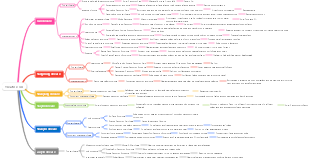
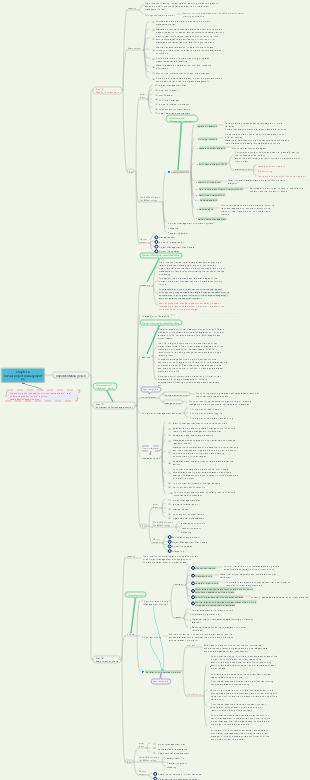
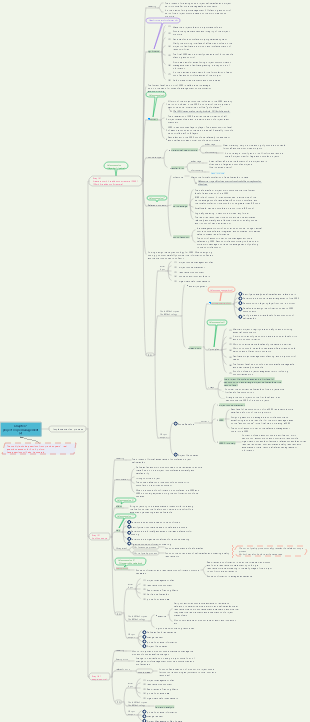
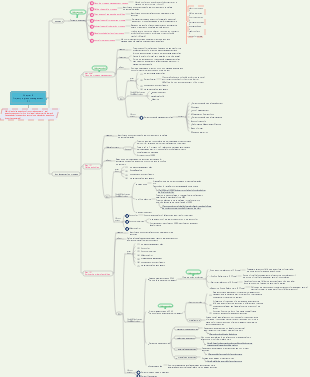
About the Mind Map of Business Administration 3 Marketing and Brand Management, Economist Intermediate Examination (Business Administration Major), including marketing mix strategy 4P strategy, target market strategy, marketing environment, etc.
Edited at 2023-11-10 17:00:46Avatar 3 centers on the Sully family, showcasing the internal rift caused by the sacrifice of their eldest son, and their alliance with other tribes on Pandora against the external conflict of the Ashbringers, who adhere to the philosophy of fire and are allied with humans. It explores the grand themes of family, faith, and survival.

This article discusses the Easter eggs and homages in Zootopia 2 that you may have discovered. The main content includes: character and archetype Easter eggs, cinematic universe crossover Easter eggs, animal ecology and behavior references, symbol and metaphor Easter eggs, social satire and brand allusions, and emotional storylines and sequel foreshadowing.
[Zootopia Character Relationship Chart] The idealistic rabbit police officer Judy and the cynical fox conman Nick form a charmingly contrasting duo, rising from street hustlers to become Zootopia police officers!
Avatar 3 centers on the Sully family, showcasing the internal rift caused by the sacrifice of their eldest son, and their alliance with other tribes on Pandora against the external conflict of the Ashbringers, who adhere to the philosophy of fire and are allied with humans. It explores the grand themes of family, faith, and survival.
This article discusses the Easter eggs and homages in Zootopia 2 that you may have discovered. The main content includes: character and archetype Easter eggs, cinematic universe crossover Easter eggs, animal ecology and behavior references, symbol and metaphor Easter eggs, social satire and brand allusions, and emotional storylines and sequel foreshadowing.
[Zootopia Character Relationship Chart] The idealistic rabbit police officer Judy and the cynical fox conman Nick form a charmingly contrasting duo, rising from street hustlers to become Zootopia police officers!
Marketing and Brand Management
Marketing Overview
market
Population-Basic Elements
Purchasing power - determines market capacity
Desire to purchase - the driving force behind purchasing actions
marketing
need, desire, need
exchange and trade
relation
Marketers and Prospective Customers
Basic guiding ideology for business activities
concept
Tradition Enterprise-centric
production concept
What to produce, what to sell
product concept
As long as the product quality is good, there will be sales
Selling concepts
What do I sell, what do you buy?
modern consumer-centric
Oriented by customer needs and desires
What does the market need, what do I produce?
the difference
Marketing tasks
The essence of market management tasks is demand management
Task
Negative Demand: Transformational Marketing
There is a bias in understanding
Change knowledge and understanding of products
No need: stimulus marketing
indifferent
stimulate consumer interest
Latent demand: developmental marketing
Strong demand, unrealizable in reality Demand>Supply=0, space tourism, clean energy
Develop effective products and services and transform potential needs into actual needs
Declining Demand: Integrated Marketing
Demand is on a downward trend
Develop new markets and new uses, improve existing products, and stimulate demand
Irregular demand: synchronic marketing
Supply and demand are inconsistent in time Holiday hotels, transportation, down jackets
Seasonal spreads, adjusting the time pattern of supply and demand
Sufficient demand: maintenance marketing
the most ideal state
maintain current demand levels
Excess demand: multidirectional marketing
Demand>Supply and Demand>0
Increase prices, reduce additional services and limit demand levels (temporarily)
Toxic Needs: Reverse Marketing
harmful to physical and mental health
Publicize the dangers and dissuade consumers from giving up this demand
marketing environment
Macro environment indirect
Demographic environment
economic environment
natural environment
technical environment
political and legal environment
Social and cultural environment
microenvironment direct, countable
The enterprise itself
supplier
competitor
Marketing channel enterprise
customer
public
Environmental Analysis
Threat-Opportunity Matrix Counterclockwise
Adventure - Gao Gao: Analysis throughout the year, careful decisions
Ideal - High Opportunities, Low Threats: Seize Opportunities
Mature - low low: achieve average profits, accumulate strength, and enter the ideal environment
Difficulty - low opportunity, high threat: turn the situation around and give up decisively
target market strategy
market segmentation concept
Differences in consumer needs are the basis
Group consumers with roughly the same purchasing desires and interests into one category
Segmentation criteria
objective
Geographic variables
Area, climate, terrain, traffic conditions, communication conditions, town planning
Demographic variables
Number of households, culture, religious income, family life cycle
subjective
psychological variables inner mental activity
Lifestyle, personality, purchasing motivation, value orientation, feelings and preferences for products and services, sensitivity to price
Behavior variables (visible) external behavior
Purchase timing, benefits pursued, user status, loyalty, frequency of use, purchase stage and attitude
target market model
Product/Market Concentration
Only produce one product for one type of consumer
A clothing company only produces children's clothing
Product specialization
One product (different grades and styles) targets multiple consumers
market specialization
Multiple products targeted at one industry (market)
Produces pile drivers, cranes and bulldozers for the construction industry
selective specialization
Several different markets offering different performance products to different customers
Semir Group’s Teenager Semir and Children’s Balabala
full access
Enter various market segments
Haier washing machine enters global market
target market strategy Making something out of nothing (difference)
undifferentiated marketing strategy
A single product faces the entire market
Differentiated marketing strategy
Segment the entire market, design and produce different products, and adopt different marketing mixes
focused marketing strategy
Only focus on one or a few market segments and conduct professional operations
Market positioning
Create a distinctive image of the company based on the position of competitors
Strategy New (light) head strong
Avoid strong positioning
Avoid direct confrontation, seek market gaps or weak links, and explore new areas
Head-on positioning
“Confront” the strongest opponent
re-locate
Change the market's original impression of it and establish new understanding
marketing mix strategy 4P strategy
Product Strategy
product concept
level
Core Products
Tangible (form) product (external)
Packaging, quality, features, design, brand
Additional (extension) products (services)
Credit, free shipping, quality assurance, after-sales maintenance and repair, installation, spare parts supply, training, guidance and use
Dimensions
Width: number of different product lines
Length: Total number of product items in the product portfolio
Relevance: the close relationship between each product line
From a business perspective
Depth: the number of units produced in the product line
From a product line perspective
product mix strategy
Expand product portfolio
Add or remove product portfolio
Product line extension
Extend upward (high grade)
Extend downward (low gear)
Two-way extension
Product line modernization
product life cycle strategy
introductory period
Small output, slow growth, high costs
Quickly establish visibility, shorten the understanding process, and quickly occupy the market
growth period
Sales volume increased rapidly, profits increased rapidly
Strengthen market position, build loyalty, expand share, and prevent competitors from entering
mature stage
Saturation, highest sales point, low cost
Extend the maturity period, expand sales, and increase market share
Recession
Sales decline, competitors exit, price competition
Eliminate and give up, non-eliminate and stay in the original market
Pricing Strategy
Influencing factors
Market demand, cost, market competition
Target
Maintain corporate profits
short term profit maximization
Maximize market share
Maintain corporate and product image
Pricing method
cost oriented
cost plus pricing
Product price = unit cost × (1 markup rate %) Unit cost = unit variable cost fixed cost ÷ sales volume
target profit pricing break-even method
Target price = unit cost Target rate of return × capital investment ÷ sales volume Breakeven output = fixed cost ÷ (price - variable cost per unit)
demand oriented
Based on consumer demand intensity and value perception
Cognitive value positioning
Direct Price Rating Method
Users directly estimate prices for products
direct cognitive value evaluation method
Use 100 point allocation to reflect product value
Diagnostic method (importance weight × product characteristic value)
demand differential pricing
competition orientation Just fight (closed)
Go with the flow
Stay above the average price level
competitive price
Lower or higher price than competitors
sealed bid
bid, contract price
Pricing Strategy
New product Skip and Shen (penetrate)
skimming pricing
high price
market penetration pricing
low price
The potential market is large and costs fall as sales increase.
Moderate pricing
medium price
Not suitable for volatile and competitive markets
Product portfolio pricing
Product line pricing (high, medium and low-end)
Alternative product pricing (optional or not)
Pricing of accessory products (for use with main accessory)
By-product pricing (leftovers)
Product bundle pricing (package promotions, annual passes/passes)
psychological pricing consumer
The top end (supermarket consumer goods 4.99)
Round number pricing (durable goods or gifts
Prestige pricing (cosmetics “tons” “ml”)
Promotional pricing (daily specials)
Tiered pricing (large fruit, medium fruit, selected fruit)
Custom pricing
Discounts and concession pricing
Cash discount (early payment discount, supplier-producer-seller, not consumer)
Quantity discounts (wholesale and retail)
Trading discounts (wholesaler status)
Seasonal discounts
compound discount
Price discounts (local advertising, window decoration, old trade-in)
Promotional strategy
Promotional mix
Pull strategy (pulling consumers)
Leverage advertising and public relations
Pull strategy (pull in middlemen)
Personal selling and channel promotion
Advertising management
Act within your capabilities
percentage of sales method
competitive balance of power
target task method
personal selling
Average cost is expensive
sales promotion
Quickly generate incentives in the short term
Prize sales, live performances, store displays
Public relations (internal and external publics)
Sort out the image
Brand management
Meaning: Composed of brand name and brand logo
Brand Equity "Five Star" Concept
Brand awareness
No visibility, prompted visibility, not prompted, top visibility
Brand Awareness
brand association
brand loyalty
core
Brand other assets
Customer resources, management system, corporate culture, corporate image
Brand strategy
single brand
Single product line
Cross product lines (different product types of the same quality and capabilities)
Umbrella brand (different products of different qualities and capabilities)
Main and sub-brands
Different models in the same series are given attractive names to highlight the individual image of the product.
Multiple brands
different types of products