MindMap Gallery 1-PMP Chapter 1 Introduction
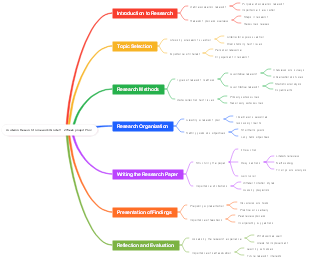
This is a mind map about the introduction to Chapter 1 of 1-PMP
Edited at 2021-10-04 09:35:38This is a mind map about bacteria, and its main contents include: overview, morphology, types, structure, reproduction, distribution, application, and expansion. The summary is comprehensive and meticulous, suitable as review materials.

This is a mind map about plant asexual reproduction, and its main contents include: concept, spore reproduction, vegetative reproduction, tissue culture, and buds. The summary is comprehensive and meticulous, suitable as review materials.
This is a mind map about the reproductive development of animals, and its main contents include: insects, frogs, birds, sexual reproduction, and asexual reproduction. The summary is comprehensive and meticulous, suitable as review materials.
This is a mind map about bacteria, and its main contents include: overview, morphology, types, structure, reproduction, distribution, application, and expansion. The summary is comprehensive and meticulous, suitable as review materials.
This is a mind map about plant asexual reproduction, and its main contents include: concept, spore reproduction, vegetative reproduction, tissue culture, and buds. The summary is comprehensive and meticulous, suitable as review materials.
This is a mind map about the reproductive development of animals, and its main contents include: insects, frogs, birds, sexual reproduction, and asexual reproduction. The summary is comprehensive and meticulous, suitable as review materials.
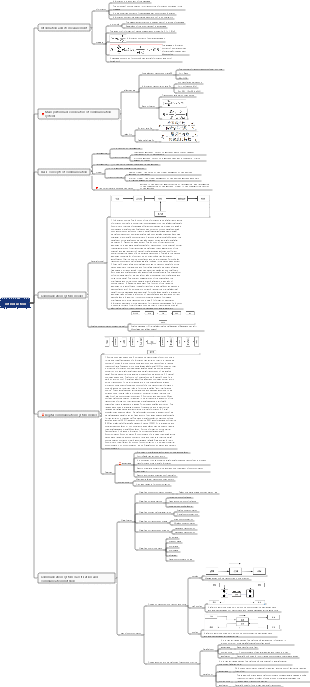
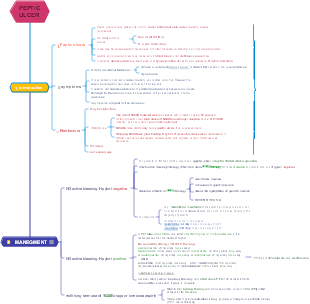
PMP Chapter 1 Introduction
4. Life cycle
component:
project life cycle
project life cycle
Production Activities
Stage of project
stage gate
project management process
What project managers do, project management activities
5 major process groups
10 major areas of knowledge
interrelationship
Product Lifecycle
A series of stages that represent the entire evolution of a product from conception, delivery, growth, maturity, and decline
A typical product life cycle can generally be divided into four stages, namely investment period, growth period, maturity period and decline period.
project life cycle
definition
The series of stages a project goes through from inception to completion
Define the start and end of the project
The project life cycle is the basic framework for managing projects
Project life cycles can be predictive or adaptive
Common project life cycle
Four stages
Startup project
organizational argument
Stage end flag
Issue project charter
organizational preparation
Stage end flag
Develop project management plan
Execute work
Stage end flag
Acceptance of deliverables
End project
Stage end flag
archive file
stage relationship
For multi-phase projects, there may be different relationships between phases (overlapping, sequential, iterative)
Stage properties
Stage name
number of stages
duration
Resource requirements
Stage entry criteria
phase exit criteria
How to divide stages
According to the natural properties of the project
According to the convenience of management
stage control gate
Review:
Compare project performance and project progress with the following documents
Project business case
Project Charter
project management plan
Benefit management plan, etc.
decision making
Based on the review results, the following decisions are made:
Enter the next stage
Enter the next stage after rectification
End project
stay at current stage
Repeat a stage or an element
Development life cycle
definition
There are usually one or more phases within the project life cycle related to the development of products, services, or results. These phases are called the development life cycle.
It belongs to the part of the project life cycle involving development work and belongs to the work of the development department
model
Predictive, incremental, iterative, agile (adaptive, hybrid)
From simple to complex
Mode selection reference
Reference dimensions
demand uncertainty
technological uncertainty
Whether the requirements are clear or not, and the difficulty of technical implementation
Simple
complex
complicated
confusion
5. Project management system framework
project management process
concept
A process is a series of interrelated actions or activities performed to accomplish a predetermined product, service, or result.
Each process has its own inputs, tools and techniques, and corresponding outputs
Input: Documents or documentable matters to be followed
Tools and Techniques: Mechanisms for Transforming Inputs into Outputs
Output: The result of a process, which can be a document or documentable matter
Five process groups, ten knowledge areas, and 49 processes
Five process groups
Initiate, plan, execute, monitor/control, close
Top ten areas of knowledge
Integration, Scope, Schedule, Cost, Quality, Resources, Communication, Risk, Procurement, Stakeholders
49 processes
All things a project manager needs to do
3.Project Portfolio
concept
A group of projects, programs, portfolios, and operations that are managed together to achieve strategic objectives.
The projects or programs in a portfolio are not necessarily dependent on or directly related to each other
Keywords: strategy, investment
Task
Choose the right project or program
2.Project set
concept
A program is a set of interrelated and coordinated projects, subprograms, and activities.
Programs are not large projects.
Keywords: project coordination, revenue maximization.
Task
Get the project done
1. Project
concept
A project is temporary work done to create a unique product, service, or result.
There must be output/delivery after project completion
product
Serve
Achievements
unique
There are obvious differences from others
Because it is unique, there are risks
Temporary
Have a clear start and end time
Start time: authorization, funds in place
End time: task completed and deliverable
Teams are also temporary
Requirements for leaders: planning/planning, team management skills
The project's location in the organization
Vision
what to be
mission
what to do
Organizational strategies and goals
how to do
Project Portfolio, Planning and Management
Operations Management///Project Management
organizational resources
Features
Drive organizational change
Projects create business value
tangible benefits
Monetary assets, stockholders' equity, fixed facilities, tools, market share
intangible benefits
Goodwill, brand recognition, public interest, strategic alignment.
Task
Get the project done
Chapters 1-3 are outlines, and chapters 4-13 are formal content.