MindMap Gallery Pathophysiology
Introduction and introduction to diseases. Pathophysiology is a discipline that studies the mechanisms and causes of disease, especially the rules and mechanisms of functional and metabolic changes during the occurrence and development of diseases.
Edited at 2024-10-14 19:18:37Dive into the world of the Chinese animated film Nezha 2: The Devil's Birth! This knowledge map, created with EdrawMind, provides a detailed analysis of main characters, symbolic elements, and their cultural significance, offering deep insights into the film's storytelling and design.
This is a mindmap about Nezha 2, exploring its political metaphors and cultural references. The diagram highlights the symbolism behind the Dragon Clan’s suppression, drawing parallels to modern geopolitical conflicts and propaganda manipulation. It also details Chinese historical and cultural elements embedded in the film, such as the Jade Void Palace, Ao Bing’s armor, Taiyi Zhenren’s magic weapon, and Nezha’s hairstyle.
This is a mindmap about the main characters of Nezha 2, detailing their backgrounds, conflicts, and symbolic meanings. It explores the personal struggles and transformations of Nezha, Ao Bing, Shen Gongbao, and Li Jing as they navigate themes of rebellion, duty, ambition, and sacrifice.
Dive into the world of the Chinese animated film Nezha 2: The Devil's Birth! This knowledge map, created with EdrawMind, provides a detailed analysis of main characters, symbolic elements, and their cultural significance, offering deep insights into the film's storytelling and design.
This is a mindmap about Nezha 2, exploring its political metaphors and cultural references. The diagram highlights the symbolism behind the Dragon Clan’s suppression, drawing parallels to modern geopolitical conflicts and propaganda manipulation. It also details Chinese historical and cultural elements embedded in the film, such as the Jade Void Palace, Ao Bing’s armor, Taiyi Zhenren’s magic weapon, and Nezha’s hairstyle.
This is a mindmap about the main characters of Nezha 2, detailing their backgrounds, conflicts, and symbolic meanings. It explores the personal struggles and transformations of Nezha, Ao Bing, Shen Gongbao, and Li Jing as they navigate themes of rebellion, duty, ambition, and sacrifice.
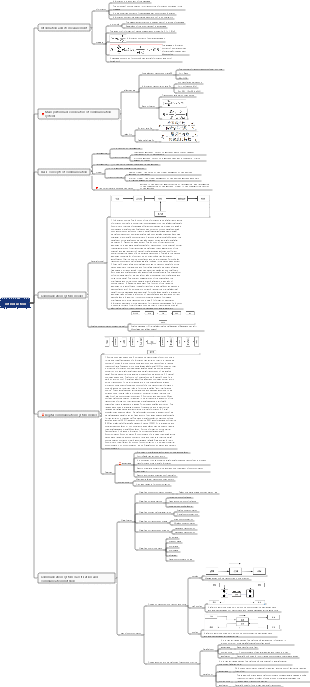
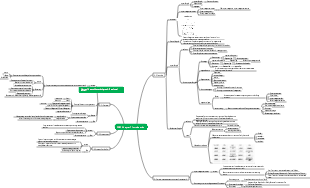
Pathophysiology
Introduction to diseases
health and disease
healthy
Not just the absence of disease or infirmity but a state of complete physical, mental and social well-being
Sub-health
Refers to a state of low physiological function between health and disease
Somatic sub-health state: fatigue, lack of energy, low work efficiency, etc.
Psychological sub-health state: anxiety, irritability, irritability, poor sleep, etc. In severe cases, it may be accompanied by symptoms such as stomach pain and heart palpitations.
Social sub-health state: Mainly manifested by unstable relationships with social members, increasing psychological distance, and a sense of loneliness of being abandoned or forgotten by society.
disease
Refers to the abnormal life activity process caused by the disorder of homeostasis regulation under certain causes.
etiological basis
Cause
A causative factor that causes a disease, gives it its characteristics, or determines its specificity
Cause classification
Exogenous factors: biological factors, physical and chemical factors, environmental and ecological factors, nutritional factors, social-psychological factors
Endogenous: genetic factors, innate factors, immune factors
condition
Pathogenic conditions: refers to a certain body state, natural environment or social factors that can promote or slow down the occurrence of disease
Inducement: Factors that strengthen the role of the cause and promote the development of the disease
risk factors
May be a causative factor or condition of a disease, or may be a component of the disease
Pathogenesis basis
General rules for the occurrence and development of diseases
homeostatic imbalance
It is the basic mechanism for the occurrence and development of diseases.
Examples: thyroid feedback, acute hypoxia
Damage and Resistance to Damage
Throughout the development of the disease, it is the basic driving force for the development of the disease. The strength of the two determines the development direction and outcome of the disease.
Example: burns
application
Damaging changes: minimize and eliminate
Anti-Injury Response: Strong Support and Strengthening
alternation of cause and effect
Under the influence of the original cause, certain changes occur in the body, and these changes serve as causes of the disease, causing new changes. Cause and effect continue to alternate, promoting the development of the disease. often promotes the worsening of the condition and leads to a vicious cycle
Example: heavy bleeding
part and whole
When the cause of the disease acts on the body, it will cause some changes in functional metabolism and morphological structure in the body. This local lesion will affect the whole body through the neurohumoral mechanism. Similarly, the overall functional state of the body will also affect the development of local lesions through the neurohumoral mechanism. process
Examples: Diabetic foot: the overall disease manifests in a local area, acne: a local area affects the whole
Basic mechanisms of disease development
neural mechanism
humoral mechanism
cellular mechanism
molecular mechanism
disease outcome
recovery
Complete recovery: refers to the complete disappearance of the damage caused by the disease and the complete return of the body's functions, metabolism and form to normal.
Incomplete recovery: means that the damage caused by the disease is controlled, the main symptoms disappear, and the body maintains relatively normal life activities through compensatory mechanisms. Have sequelae
die
brain death
Concept: refers to the irreversible and permanent loss of whole brain function and the permanent cessation of the function of the body as a whole
Judgment criteria
Spontaneous respiratory arrest
Irreversible deep coma
Loss of brain stem reflexes
Both have →brain death
Brain waves disappear
Cerebral blood circulation completely stops
Have a → brain dead
plant state
A state in which severe impairment of cerebral cortical function results in loss of subjective consciousness, but the patient still retains subcortical central functions
The most fundamental difference from brain death: patients in vegetative state still retain their spontaneous breathing function
introduction
The concept of pathophysiology: It is a discipline that studies the mechanisms and causes of disease, especially the rules and mechanisms of functional and metabolic changes during the occurrence and development of diseases.
Features: It is a "bridge" connecting basic medicine and clinical medicine.
Mission: Reveal the essence of the disease and provide theoretical basis and experimental basis for establishing effective disease diagnosis, treatment and prevention strategies.
content
Overview: Discuss the causes of disease development
Basic pathological process: a common set of pathological changes that occur in a variety of diseases
Pathophysiology of various systems and organs: knowledge of the pathophysiology involved in diseases of major systems and organs of the body