 Wondershare EdrawMind
MindMap Gallery PMBOK 6th Edition PMP Project Management General Mind Map
- 320
- 1
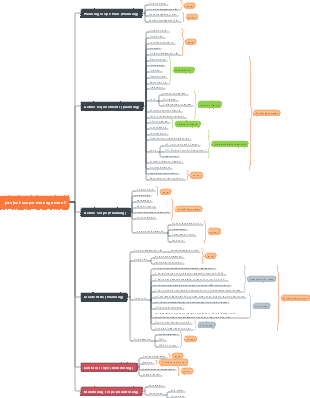
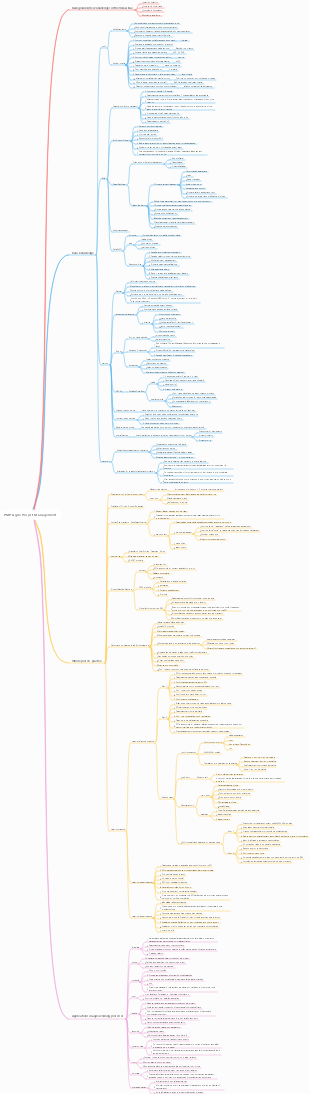
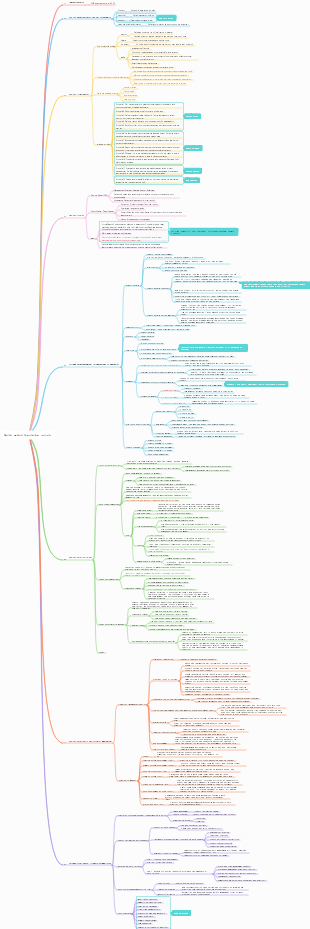
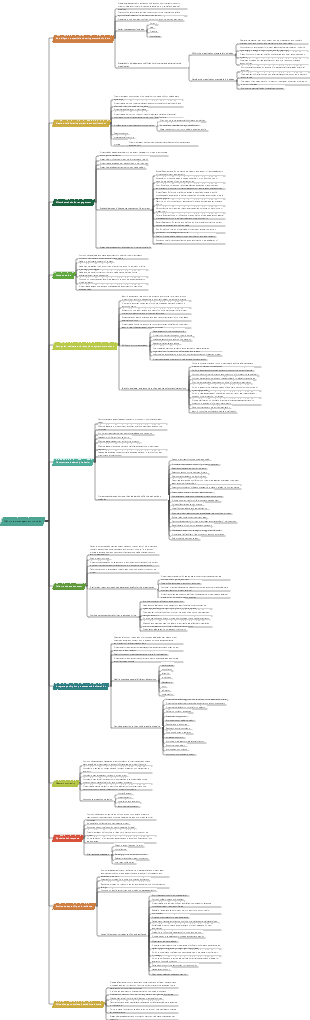
PMBOK 6th Edition PMP Project Management General Mind Map
This mind map is the entire summary of the sixth edition of PMBOK. I hope it will be helpful to those who are taking the upcoming PMP project management exam.
Edited at 2020-11-27 17:47:10
- bacteria
This is a mind map about bacteria, and its main contents include: overview, morphology, types, structure, reproduction, distribution, application, and expansion. The summary is comprehensive and meticulous, suitable as review materials.
- Plant asexual reproduction
This is a mind map about plant asexual reproduction, and its main contents include: concept, spore reproduction, vegetative reproduction, tissue culture, and buds. The summary is comprehensive and meticulous, suitable as review materials.
- Reproductive development of animals
This is a mind map about the reproductive development of animals, and its main contents include: insects, frogs, birds, sexual reproduction, and asexual reproduction. The summary is comprehensive and meticulous, suitable as review materials.
PMBOK 6th Edition PMP Project Management General Mind Map
- bacteria
This is a mind map about bacteria, and its main contents include: overview, morphology, types, structure, reproduction, distribution, application, and expansion. The summary is comprehensive and meticulous, suitable as review materials.
- Plant asexual reproduction
This is a mind map about plant asexual reproduction, and its main contents include: concept, spore reproduction, vegetative reproduction, tissue culture, and buds. The summary is comprehensive and meticulous, suitable as review materials.
- Reproductive development of animals
This is a mind map about the reproductive development of animals, and its main contents include: insects, frogs, birds, sexual reproduction, and asexual reproduction. The summary is comprehensive and meticulous, suitable as review materials.
- Recommended to you
- Outline



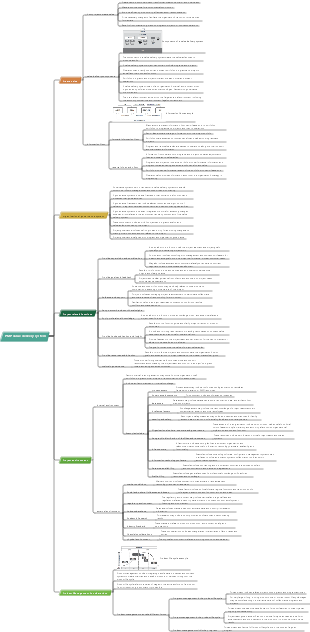
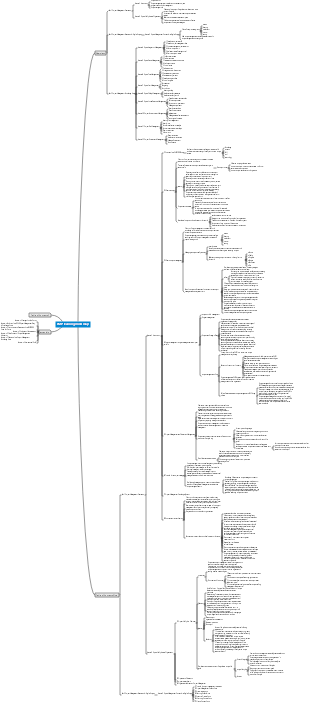
PMBOK (Sixth Edition)_PMP
Chapter 1 Introduction
project
A project is temporary work undertaken to create a unique product, service or outcome
Three characteristics of the project
Temporary
clear starting and ending points
unique
progressive detail
commercial value
tangible value
intangible value
project management definition
Use learned knowledge to guide practice to meet stakeholder requirements
Stakeholders
People who influence or are affected by the project
sponsor
Provide resources and support for projects
Drive project progress from start to finish
Handle matters beyond the control of the project manager
Decision-making go/no-go when the stakes are high
customers and users
Project Management Triple Constraints
time
cost
quality
scope
Program and portfolio management
the difference
Project set: The projects are closely related and indispensable. Dependencies need to be paid attention to.
Project Portfolio: Projects are not necessarily related but share resources and need to focus on priority
Contact: All Multi-Project Management
Operations and project management
the difference
Operations: ongoing, recurring
Project: temporary, unique
Contact: mutual transfer of resources to jointly support strategies
OPM: Organizational Project Management
project life cycle
Four stages: Initiation - Planning - Execution - Closing
Five elements: cost and labor investment, risk, stakeholder influence, risk impact, change cost
five types
Predictive, iterative, incremental, adaptive (agile, rapid change), hybrid
project management process
49 sub-processes, input tool output
Between sub-processes: data flow diagram
project management process group
Start: authorize, identify stakeholders
Planning: Plan what to do
Execution: do as planned
Monitoring: Monitor/control deviations from actual and planned
Closing: audit success or failure, file archiving
project management data
Job Performance Data: Raw Data and Measurements
Work performance information: Integrated analysis of data to form conclusions and prediction information
Work performance report: Compile all work performance information to form a report, such as weekly report, monthly report, quarterly report
management hierarchies
Organizational Governance: BOSS
Project Governance: Project Steering Committee
Project Management: Project Manager
business documents
business case
Economic feasibility study report
Senior management uses this document as a basis for decision-making whether to start/terminate the project.
The sponsor is responsible for developing and maintaining
Needs assessment usually precedes the business case and the results may be reflected in the business case
Benefit Management Plan
Describe how and when benefits are achieved and benefit measurement mechanisms
Chapter 2 Project Operating Environment
Default input for enterprise environmental factors and organizational process assets
business environment factors
from within and outside the organization
The project team cannot control and change
Will it have a positive or negative impact on the project?
Keywords: organizational culture, structure, information technology software, resource availability, employee capabilities
organizational process assets
from within the organization
Existing practices and knowledge accumulated by the team can be changed and updated
Used to promote project success
Keywords: process, policy, guide, standard, template
Key Points: Full process updates, historical information and lessons learned
organizational structure
Functional
Matrix type (default)
weak matrix
strong matrix
balanced matrix
Project type
Compound
PMO
Supportive
Control/command type (default)
Chapter 3 The Role of the Project Manager
A project manager is an individual assigned by the organization to lead the team to achieve its goals
Project manager capabilities
Technical project management
Such as defining scope, estimating schedule/cost, developing project management plan, etc.
Strategy and Business Management
pattern
Execution ability
leadership
Communicate vision and inspire employees
that power
expert power
Formal power, reward/punishment power
imply power
power of instruction
prestige power
management style
dictatorship
Democratic participatory type (recommended)
Perform integration
process level
cognitive level
background level
Chapter 4 Project Integration Management
4.1 Develop a project charter
Process description
Empower project managers to use organizational resources
Clarify the link between the project and the organization's strategic goals
The charter can be prepared by the sponsor, or it can be prepared by the project manager in collaboration with the sponsor
The charter can only be approved by the sponsoring organization, with approval marking the official launch of the project
enter
business documents
business case
The basis for senior management to decide whether a project is worth investing in
Includes business requirements and cost-benefit analysis
The project manager cannot update or modify, but can only make suggestions.
protocol
business environment factors
organizational process assets
Tools & Techniques
expert judgment
Keywords: 1. Limited time or need to draw conclusions quickly; 2. Experienced or senior people
data collection
Brainstorming
Speak freely, regardless of right or wrong, delay judgment
focus group
Professional moderator to gather expectations and attitudes about the product from stakeholders and subject matter experts
Interview
chat directly
Interpersonal and team skills
Conference management
Before the meeting: Send agenda and materials to ensure the meeting is on time and that appropriate participants are invited to attend
During the meeting: abide by agenda rules, stay on topic, and handle expectations and conflicts during the meeting
After the meeting: Form a to-do list and clarify the responsible person and target completion time.
Meeting
output
Project Charter
Three types of characters: sponsor, project manager, list of key stakeholders
Five backgrounds: project goals, objectives, approval requirements, exit criteria, assumptions and constraints
Five high-level plans
need
Scope (project description, boundary definition, key deliverables)
Risk (overall project risk)
Budget (pre-approved financial budget)
Progress (overall milestone schedule)
Hypothetical log
Document all assumptions and constraints throughout the project life cycle
4.2 Develop project management plan
Process description
Define, prepare, coordinate and integrate sub-plans and benchmarks into a comprehensive plan
It is the basis for all project work (execution, monitoring, closing)
enter
Project Charter
Output from other processes
Other processes for planning subplans and baselines
business environment factors
organizational process assets
Tools & Techniques
expert judgment
data collection
Interpersonal and team skills
Meeting
kick-off meeting
The last activity of the planning process group, after the kick-off meeting, the next step will be executed
Communicate project goals, gain commitment from members, and clarify stakeholder roles and responsibilities
output
project management plan
Twelve sub-plans
Four benchmarks: scope, schedule, cost, and performance measurement benchmarks
No need to go through the update process before determining the baseline
After determining the baseline, you must go through the change process if you want to update it.
Life cycle description, development methods
4.3 Direct and manage project work
Process description
Lead and execute the work identified in the project management plan
Direct project activities
Manage various interfaces
Implement approved changes
enter
project management plan
project files
Approved change request
business environment factors
organizational process assets
Tools & Techniques
expert judgment
project management information system
Used to collect, integrate and disseminate project results, and can automatically collect and report KPIs
Schedule planning tool
configuration management system
Version management
Change management
work authorization system
Ensure that work is performed by a specific organization, at the right time, and in a reasonable order
Prevent gold plating
Information collection and distribution system
Meeting
output
Deliverables
job performance data
Problem log
Issues: Open disputes Events or conditions that impact project objectives
Project documentation for recording and following up on all issues
Document who is responsible for resolving the issue within the target date
Dynamically update problem logs throughout the life cycle
change request
Formal proposals to modify any document, deliverable or baseline
Any stakeholder can submit a change request
four types
Corrective Action: Bring performance back into line with plan
Preventative Action: Ensure future performance meets plan
Defect Remediation: Fix inconsistent deliverables
Update: Make changes to a document or plan
Project Management Plan Update
Project file updates
Organizational process asset updates
4.4 Management project knowledge
Process description
Use existing knowledge to generate new knowledge to support future projects or phases
Conducted throughout the project
enter
project management plan
project files
Deliverables
business environment factors
organizational process assets
Tools & Techniques
expert judgment
knowledge management
Promote employee collaboration to share/integrate tacit knowledge
information management
Promote explicit knowledge sharing
interpersonal skills
output
Lessons Learned Register
Created early in the project and updated throughout the project
At the end of the project or phase, it is included in the lessons learned knowledge base.
Project Management Plan Update
Organizational process asset updates
4.5 Monitor project work
Process description
Analyze current performance status and resolve performance issues
Predict future state
enter
project management plan
project files
job performance information
protocol
business environment factors
organizational process assets
Tools & Techniques
expert judgment
data analysis
Deviation analysis
trend analysis
decision making
Meeting
output
job performance report
change request
Project Management Plan Update
Project file updates
4.6 Implement overall change control
Process description
Comprehensive review of change requests and approval/rejection of changes
The project manager has ultimate responsibility for this
Change requests may be made orally but must be recorded in writing
Not all changes must be approved by the CCB, but all changes must be approved by someone
The CCB consists of key stakeholders
change management process
Learn about changes/Submit a change request
Comprehensive assessment of the impact of changes
Notify people with authority to approve changes
Approve or reject changes
Update project management plan/baseline/documents
Notify affected stakeholders
Track change implementation
enter
project management plan
project files
job performance report
change request
business environment factors
organizational process assets
Tools & Techniques
expert judgment
change control tools
configuration management system
Identify configuration items
Statistics and records configuration status
Configuration verification and auditing
data analysis
decision making
Meeting
output
Approved change request
Implemented in directing and managing project work
If the change is rejected, the person who proposed the change should be notified and the change log should be updated.
Project Management Plan Update
Project file updates
Change Log: Whether the change is approved or not, the change log needs to be updated
4.7 End the project or phase
Process description
Archive information and release resources
If terminated early, the reasons need to be investigated
Closing activities
Confirm that exit criteria are met
The latest version
Certificate of acceptance
Cost entry
close account
Resource release
final summary report
Confirm that the contract can be closed
The seller passed the acceptance
Disposal of pending claims
update record
archive file
other activities
Collect records
Audit success or failure
management knowledge
Summarize experience and lessons
archive file
Hand over deliverables
Collect suggestions for improvement
Measure stakeholder satisfaction
enter
Project Charter
project management plan
Basis for closing
project files
Deliverables for acceptance
From 5.5 confirmed scope
business documents
Business Case Benefits Management Plan
protocol
Procurement documents
organizational process assets
Tools & Techniques
expert judgment
data analysis
Meeting
Closing report meeting
Customer summary meeting
Lessons Learned Summary Meeting
celebration
output
Project file updates
Handover of final product, service or result
final report
Organizational process asset updates
Chapter 5 Project Scope Management
5.1 Planning scope management
Process description
Provide guidance and direction on how to manage scope
enter
Project Charter
project management plan
business environment factors
organizational process assets
tool
expert judgment
data analysis
Meeting
output
scope management plan
How to write a scope statement
How to create a WBS
How to accept deliverables
How to prevent scope creep
demand management plan
How to collect, record, and track requirements
According to what principles to define the measurement indicators of requirements?
According to what principles to define the priority of requirements?
How to define dependencies between needs and requirements
5.2 Collect requirements
Process description
Identify, document and manage stakeholder needs, wants and expectations
Active participation of stakeholders can directly promote project success
enter
Project Charter
project management plan
project files
business documents
protocol
business environment factors
organizational process assets
tool
expert judgment
data collection
Interview
focus group
Brainstorming
Questionnaire
Audiences are diverse and geographically dispersed
Benchmarking
Compare with comparable organizations to identify best practices and formulate suggestions for improvement
data analysis
Data performance
Affinity diagram
Classify ideas according to their natural attributes
mind Mapping
Use divergent thinking to guide new ideas
decision making
100% agree---Delphi Technique
Anonymous, multiple rounds, subjective predictions, unanimous agreement
Majority principle (>50%), relative majority principle, dictatorship
Multi-criteria decision analysis
Set criteria and weight scores to evaluate and rank ideas
Interpersonal and team skills
nominal group
Divide into groups to vote and prioritize
observe and talk
Used when users are unwilling or difficult to express their needs, bystanders, and experiencers
guided seminar
Cross-department and cross-function, such as QFD, JAD, user stories
System interaction diagram
Show the interaction between business systems (input, output)
prototype method
Create a model for user experience, feedback, and modification, and then enter the design/manufacturing stage after multiple iterations, such as storyboarding
output
requirements document
Including business needs, stakeholder needs, solution needs, etc.
Requirements Tracking Matrix
Connect requirements from source to deliverables
Ensure every requirement has business value
Ensure every approved requirement can be delivered
Provide a framework for scope changes
5.3 Define scope
Process description
Describe outcome boundaries and acceptance criteria
Select final project requirements from requirements document
enter
Project Charter
project management plan
project files
business environment factors
organizational process assets
tool
expert judgment
data analysis
decision making
Interpersonal and team skills
product analysis
V=F/C, value engineering, value analysis
output
project scope statement
Deliverable description
Project scope description (what will be done to complete the results)
Exclusions
Acceptance Criteria
Assumptions
Constraints
Project file updates
5.4 Create WBS
Process description
Break the scope into smaller more manageable components
form a structured view
Project management work and outsourced work should also be included
enter
project management plan
project files
business environment factors
organizational process assets
tool
expert judgment
break down
Work package is the lowest level of WBS
Generally no more than 80 hours
Distributable, deliverable
Help build the team
Second level: life cycle stages, or main deliverables
Rolling planning: progressive details, detailed planning of recent work, if long-term results cannot be broken down in detail, they can be set as planning packages
100% rule: the sum of the lower layers must be exactly equal to the upper layer
output
Scope Baseline
Approved scope statement
work breakdown structure
Control Account: Manage Control Points
Planning package: work content is known, detailed progress activities are unknown
work breakdown structure dictionary
Used to support WBS
Work description, assumptions and constraints, acceptance criteria, schedule milestones
Project file updates
5.5 Confirmation scope (verification scope)
Process description
Acceptance of deliverables by customer or sponsor
Make the acceptance process objective
enter
project management plan
project files
Verified deliverables
job performance data
Tools & Techniques
examine
decision making
output
Deliverables for acceptance
If the acceptance criteria are met, the customer or sponsor is required to formally sign for approval to prove that the acceptance is completed.
job performance information
change request
If the formal acceptance is not passed, the acceptance results and reasons should be recorded and a change request should be made.
Project file updates
5.6 Control scope
Process description
Supervise scope status and manage scope baseline changes
Scope creep: doing more work without realizing it
Gold plating: taking the initiative to do more work than you should do
enter
project management plan
project files
job performance data
organizational process assets
Tools & Techniques
data analysis
output
job performance information
change request
Project Management Plan Update
Project file updates
Chapter 6 Project Progress Management
6.1 Planning progress management
Process description
Provide guidance and direction on how to manage progress
enter
Project Charter
project management plan
business environment factors
organizational process assets
tool
expert judgment
data analysis
Meeting
output
progress management plan
6.2 Define activities
Process description
Break down work packages into activities (specific actions)
enter
project management plan
business environment factors
organizational process assets
tool
expert judgment
break down
The final output is the activity
rolling planning
Meeting
output
Activity list
Comprehensive list of all progress activities
Activity properties
Record various attributes of each activity
Milestone List
Milestone: an important time point or event with a duration of 0
Milestone list lists all milestones
change request
Project Management Plan Update
6.3 Sequence activities
Process description
Identify and document logical relationships between activities
Define the logical sequence of the workspace
enter
project management plan
project files
business environment factors
organizational process assets
tool
predecessor relationship drawing method
Single code network diagram
FS, SS, FF, SF
Determine and integrate dependencies
Mandatory, external; usually cannot be changed by the team
selective, internal
Advance and lag
Lead time: the amount of time that the successor activity can be brought forward
Lag: The amount of time that the successor activity needs to be postponed
project management information system
output
Project progress network diagram
Risks are greater where paths converge and where paths branch.
Project file updates
6.4 Estimate activity duration
Process description
Estimate the time required for individual activities
Factors to consider when estimating time
law of diminishing returns
Resource quantity
When resources are doubled, time may not be shortened by half.
skill improved
Employee incentive
student syndrome
Parkinson's Law
enter
project management plan
project files
business environment factors
organizational process assets
tool
expert judgment
analogy estimation
Use historical data from similar activities
Used when detailed information is insufficient and is a top-down approach to expert judgment
Lower cost, less time consuming, less accurate
parameter estimation
Calculated using some algorithm based on historical data and parameters
Keywords: parameters, statistical relationships, unit workload, parametric model
three point estimate
Fully consider uncertainty and improve estimation accuracy
The general formula for three-point estimation, beta distribution, and PERT: (most optimistic 4 × most likely most pessimistic)/6
Special: Triangular distribution formula--(most optimistic, most likely, most pessimistic)/3
Bottom-up estimation
If it cannot be estimated with reasonable confidence, the details should be further broken down and summarized from the bottom up.
Based on WBS, the workload is heavy, time-consuming and highly accurate.
data analysis
Reserve analysis
to cope with uncertainty
contingency reserve
Addresses known risks, included in baselines, directly available to project managers
management reserve
To deal with unknown risks, they are not included in the baseline and the project manager does not have the authority to directly use them.
decision making
Show of hands
Meeting
Sprint meeting/iteration planning meeting
output
Activity duration estimate
Estimate basis
Project file updates
6.5 Develop a progress plan
Process description
Substitute information such as activity sequence, time, resources, etc. into the tool to generate a progress model
enter
project management plan
project files
protocol
business environment factors
organizational process assets
tool
Progress network analysis
Comprehensive critical path, resource optimization technology, etc.
critical path method
Critical Path
Estimate the shortest project duration and determine the flexibility of the path
The DU of each activity is estimated from a single point, taking the most likely value
Regardless of resource constraints
The path with the longest total DU is the critical path, and there can be multiple critical paths.
Push forward: push from left to right, push earliest, take the larger number; reverse push: push from right to left, push latest, take the smaller number;
Total time difference: does not affect the overall progress of the project Free time difference: does not affect the earliest start of subsequent activities
critical chain
Consider resource constraints
Non-conservative estimates of DU for each activity
Set up project buffers and connection buffers to deal with risks
Resource optimization
Adjust the start time and end time of activities based on resource supply and demand constraints
Acts on non-critical paths with the goal of optimizing resource usage
resource balancing
Used when resources are limited or over-allocated to keep resource usage at a balanced level
The critical path may be changed, resulting in an extension of the project schedule
Resource smoothing
Adjustments are only made within the time difference and will not extend the construction period.
data analysis
What-if scenario analysis
Evaluate the impact of various scenarios on project objectives
simulation
Monte Carlo: First determine the probability distribution of a single activity time, and then use tools to simulate and estimate repeatedly to obtain the probability distribution of the entire project's construction period.
Advance and lag
Progress compression
Reduce project duration without reducing scope
Act on critical path
rush work
Add people, work overtime, add money
Compress schedule with minimal cost increase
Impact: 1. Increased costs; 2. Increased risks
Quick follow up
Change the logical/timing relationship between activities
Impact: 1. Increased risks; 2. Increased costs
Tips for answering questions: If there are no special instructions, choose according to the preferred order of schedule compression - rush work - quick follow-up
project management information system
Agile release planning
Product Vision->Product Road Map->Release Plan->Iteration Plan->User Story->Task
output
progress baseline
Project schedule
milestone chart
Identifies only the planned start or end time of major deliverables and key interfaces
bar chart
Show the start and end time of each activity, and its duration
Logical Gantt chart
Show the start, end, duration of each activity, and the logical relationship between activities
progress data
Project Calendar
change request
Project Management Plan Update
Project file updates
6.6 Control progress
Process description
Monitor schedule performance and manage schedule baseline changes
enter
project management plan
project files
job performance data
organizational process assets
tool
data analysis
Iterative burndown chart
Forecast completion based on ideal burndown and actual work remaining
critical path method
project management information system
Resource optimization
Advance and lag
Progress compression
output
job performance information
progress forecast
change request
Project Management Plan Update
Project file updates
Chapter 7 Project Cost Management
General financial management knowledge
Cost classification
life cycle cost
direct cost indirect cost
opportunity cost sunk cost
depreciation
financial indicator
discounted cash flow
net present value
payback period
benefit cost ratio
ROI
Internal Rate of Return
7.1 Planning cost management
Process description
Provide guidance and direction on how to manage costs
enter
Project Charter
project management plan
business environment factors
organizational process assets
tool
expert judgment
data analysis
Meeting
output
cost management plan
7.2 Estimating costs
Process description
Estimate the funding required for individual activities
enter
project management plan
project files
business environment factors
organizational process assets
tool
expert judgment
analogy estimation
parameter estimation
Bottom-up estimation
three point estimate
data analysis
project management information system
decision making
output
Activity cost estimates
Estimate basis
Project file updates
7.3 Develop a budget
Process description
Summarize individual activity costs to obtain the project's cost baseline and total funding requirements
enter
project management plan
project files
business documents
protocol
business environment factors
organizational process assets
tool
expert judgment
cost summary
Activity->Work Package->Control Account->Cost Baseline->Project Budget->Contract Price
Cost Baseline Management Reserve = Project Budget
data analysis
Historical information review
Funding Limit Balance
Financing
output
cost basis
Does not include management reserves, if changes need to go through the process
Project funding requirements
Project file updates
7.4 Control costs
Process description
Monitor project performance and manage cost baseline changes
Focus on analyzing the relationship between capital expenditures and corresponding completed physical work
enter
project management plan
project files
Project funding requirements
job performance data
organizational process assets
tool
expert judgment
data analysis
Earned value analysis
BAC,PV,EV,AC
SV, CV, SPI, CPI
ETC, EAC, EACt, VAC
Performance index to completion
TCPI
project management information system
output
job performance information
cost forecast
change request
Project Management Plan Update
Project file updates
Chapter 8 Project Quality Management
Essential theories related to quality
quality and grade
Prevention is better than inspection
Deming-PDCA Ring
Julan-Introducing Pareto method into quality management, suitable for use
Crosby - Get it right the first time, zero defects, compliant
Genichi Taguchi-Experimental Design
6 sigma
TQM-Total Quality Management
Zero inventory (just-in-time JIT)
Quality Management Trends
Customer satisfaction
Both meet the requirements
suitable for use
keep improve
Management Responsibilities
Mutually beneficial relationships with suppliers
8.1 Planning quality management
Process description
Identify quality requirements and standards and describe how compliance with them will be demonstrated
enter
Project Charter
project management plan
project files
business environment factors
organizational process assets
Quality policy: the direction of quality work issued by senior management
tool
expert judgment
data collection
data analysis
Cost-benefit analysis
Make a business case for each quality activity
quality cost
consistency cost
prevention cost
training
Documentation of process
Choose the right time to do things
Choose the right device
Evaluation cost
test
Losses caused by destructive testing
examine
non-conformity cost
internal failure costs
Rework
scrap
external failure costs
responsibility
Warranty
business loss
experimental design
By identifying and changing multiple factors to find the best combination of factors to achieve the optimal state of the product
decision making
Data performance
Test and inspection planning
Meeting
output
quality management plan
Describe how the quality policy is implemented and how quality requirements are met
quality measures
On-time, cost control, defect frequency, failure rate, availability, reliability, test coverage, etc.
Project Management Plan Update
Project file updates
8.2 Management quality
Process description
Ensure project process practices meet company quality policies, requirements, and standards
Identify ineffective processes and focus on process improvements
Identify causes of poor quality
enter
project management plan
project files
organizational process assets
tool
data collection
Checklist
Verify that a series of steps have been performed
Check if the list of requirements has been met
data analysis
process analysis
Identify process improvement opportunities and identify non-value added activities
Root Cause Analysis
Determine root causes of deviations, defects, risks
Solve the problem: Develop preventive measures to prevent the problem from happening again
decision making
Data performance
cause and effect diagram
Find the cause or source of the problem
fault tree analysis
Show the cause of the fault and its logical relationship
flow chart
Show the sequence of activity steps, decision points, branching loops, parallel paths, etc.
Histogram
See the most common reasons intuitively
Pareto chart
Sort by defect cause frequency, cumulative frequency, 8020 rule, save time and money
Scatter plot
Show whether there is a relationship between two variables
audit
Independent structured review, conducted by internal or external auditors
Determine whether the project process complies with policies and requirements
Identify whether the project has inefficient and ineffective processes
Confirm implementation of approved change requests
Identify and share best practices
Design for X
Optimize specific aspects of the design such as reliability, usability, security
problem solved
Structured problem solving method: Define the problem->Identify the root cause->Generate alternatives->Select the best solution->Execute the solution->Verify the effectiveness of the solution
quality improvement methods
PDCA
Six Sigma
output
quality report
Such as QA report
Test and Evaluation Documents
Such as test cases
change request
Project Management Plan Update
Project file updates
8.3 Control quality
Process description
Verify within the project team whether the deliverables meet acceptance criteria
enter
project management plan
quality management plan
Approved change request
Deliverables
job performance data
business environment factors
organizational process assets
tool
data collection
Checklist
Count table for collecting quality-related attribute data
statistical sampling
Take some samples to check
The overall goal is too large
Rough inspection method
data analysis
examine
Verify that products meet quality standards
Testing/Product Evaluation
Find errors, defects, loopholes or other non-compliance issues as required
Data performance
Control Charts
Used to monitor whether the process is stable and out of control
Two principles of loss of control
Any point falls outside the control limits
Seven consecutive points fall above/below the mean
If it is not out of control, continue to monitor; if it is out of control, take immediate corrective measures.
Trend
There are no mean lines, control limits and specification limits, only trend lines
Meeting
output
Quality control measurement results
Verified deliverables
job performance information
change request
Project Management Plan Update
Project file updates
Chapter 9 Project Resource Management
9.1 Planning resource management
Process description
Define how to estimate, acquire, manage, and utilize team and physical resources
enter
Project Charter
project management plan
project files
business environment factors
organizational process assets
tool
expert judgment
Data performance
OBS
RACI
Make sure each activity has one and only one A
organization theory
Meeting
output
resource management plan
Guidance on how to classify, allocate, manage and release resources
Team charter
Record team values, consensus, meeting guidelines, communication guidelines, decision-making standards, conflict handling processes, etc.
Ground Rules: Ground rules should be discussed & established early & actively followed
Project file updates
9.2 Estimating activity resources
Process description
Estimate the team resources required for the project, as well as the type, quantity, and characteristics of physical resources such as materials and equipment.
enter
project management plan
project files
Resource Calendar
Record when resources are available, how long they are available, resource experience/skill level, etc.
business environment factors
organizational process assets
tool
expert judgment
Bottom-up estimation
analogy estimation
parameter estimation
data analysis
project management information system
Meeting
output
Resource requirements
Estimate basis
resource breakdown structure
RBS, which helps report progress or cost data in conjunction with resource usage
Project file updates
9.3 Obtaining resources
Process description
Find ways to obtain team and physical resources
Get human resources->Build a team
Internal resources are allocated by functional managers, external resources - procurement
enter
project management plan
project files
business environment factors
organizational process assets
tool
decision making
Multi-criteria decision analysis
Availability
cost
ability
manner
experience
Interpersonal and team skills
negotiation
functional manager
Other project management teams
seller
pre-dispatch
members are selected in advance
virtual team
Teams who rarely or cannot work face-to-face due to space or time constraints
Advantages: Add special skills to the team and reduce travel costs
Disadvantages: poor communication, easy misunderstanding, increased communication costs
output
material resource allocation sheet
Materials, equipment, supplies, locations and other physical resources
Project team dispatches work orders
Document team members and their roles and responsibilities
Resource Calendar
change request
Project Management Plan Update
Project file updates
Update on business environment factors
Organizational process asset updates
9.4 Building the team
Process description
Improve work ability, promote member interaction, improve team atmosphere, and improve project performance
Tacoman team building echelon theory
form
Know each other but are independent of each other
shock
Start working, but conflicts continue
specification
Work together, adjust habits, trust each other
Mature
Work in an orderly manner, solve problems efficiently, and rely on each other
Disband
Work done, members leave
enter
project management plan
project files
business environment factors
organizational process assets
tool
Centralized office
Close matrix, co-located offices
virtual team
communication technology
Interpersonal and team skills
Influence
Lead by example
speak, listen, think, do
excitation
Maslow's hierarchy of needs theory
Lower level needs: physiological, safety, social
High-level needs: respect, self-actualization
Hezberg's two-factor theory
health factors motivating factors
Mike Grogle----X is bad, Y is good
Vroom expectation theory----M=E*V
Team Building
Recognition and Rewards
Rewards for winning and losing: Rewarding only a few people will destroy cohesion
Win-Win Rewards: Reward behaviors that everyone can do
training
Used when members lack necessary skills, or new members do not follow the process
Individual and team assessment
Gain insight into members’ strengths and weaknesses, enhance understanding, and improve team effectiveness
Meeting
output
Team performance evaluation
Improvement of personal skills
Improvement of team capabilities
Reduction in member turnover rate
Strengthening of team cohesion
change request
Project Management Plan Update
Project file updates
Update on business environment factors
Organizational process asset updates
9.5 Management Team
Process description
Influence team behavior, manage conflicts, and resolve problems
enter
project management plan
project files
Problem log
job performance report
Team performance evaluation
business environment factors
organizational process assets
tool
Interpersonal and team skills
conflict management
Collaborate/Problem Solve
Compromise/Mediation
Easing/accommodating
Seek common ground while reserving differences
retreat/evade
force/command
project management information system
output
change request
Project Management Plan Update
Project file updates
Update on business environment factors
9.6 Controlling resources
Process description
Ensure physical resources are allocated as planned
enter
project management plan
project files
job performance data
protocol
organizational process assets
tool
data analysis
problem solved
Interpersonal and team skills
project management information system
output
job performance information
change request
Project Management Plan Update
Project file updates
Chapter 10 Project Communication Management
communication theory
Ensure stakeholders’ information needs are met through effective exchange of information
Communication is the most important skill for project managers, about 90% of which is used to communicate with stakeholders
Communication categories: internal, external, formal, informal, official, unofficial, horizontal, vertical, written and oral
55% of information is conveyed through non-verbal language
10.1 Planning communication management
Process description
Develop appropriate methods and plans for communication activities
enter
Project Charter
project management plan
project files
business environment factors
organizational process assets
tool
expert judgment
Communication needs analysis
Project resources should only be used to communicate information that is conducive to success, or information whose lack of communication will lead to failure.
The more communication channels there are, the more complex and inefficient they are.
Number of communication channels: n*(n-1)/2
communication technology
communication model
Key elements: encoding, conveying information, decoding, medium, noise, acknowledgment received, feedback response
In communication, the most important thing is not what you say, but what the other party understands.
communication method
Interactive (interactive): multi-way information exchange between two or more parties; talks, telephone conferences, video conferences
Push: Ensures that information is sent, but does not ensure whether it arrives, whether there is feedback, or whether the target is understood; letters, memos, reports, emails, faxes, press releases
Pull type: used when the amount of information is large or the audience is large, and the recipient needs to obtain the information by itself; websites, electronic online courses, knowledge bases
Interpersonal and team skills
politics
Rights and benefit distribution mechanism
cultural diversity
A good communication plan needs to be prepared
Data performance
Meeting
output
Communication Management Plan (Focus: 5W1H)
Whom
What
Why
When
Who
How
Project Management Plan Update
Project file updates
10.2 Management communication
Process description
Execute the delivery of information as planned to ensure that information is processed in a timely and appropriate manner
enter
project management plan
project files
job performance report
business environment factors
organizational process assets
tool
communication technology
communication method
communication skills
project management information system
Project Report
Collect and disseminate performance information, including status reports, progress measurements and forecasts
Interpersonal and team skills
Meeting
output
Project communication record
Project Management Plan Update
Project file updates
Organizational process asset updates
10.3 Control communication
Process description
Oversee and control communications
Optimize information transfer process
Ensure the right message is delivered to the right audience at the right time
enter
project management plan
project files
job performance data
business environment factors
organizational process assets
tool
expert judgment
project management information system
data analysis
Interpersonal and team skills
Meeting
output
job performance information
change request
Project Management Plan Update
Project file updates
Chapter 11 Project Risk Management
Basic knowledge of risk
Four elements of risk
cause, event, probability, impact
risk noun
individual project risks
overall project risk
Utility functions: qualitative attitudes
Risk Tolerance: A Quantitative Approach
Risk Appetite: Risk Tolerance Based on Return
Risk threshold: the critical point of tolerance
11.1 Planning risk management
Process description
Define how risk management activities will be implemented
enter
Project Charter
project management plan
project files
business environment factors
organizational process assets
tool
expert judgment
data analysis
Meeting
output
risk management plan
funds
How to use emergency reserves and manage reserves
Schedule
How to use emergency reserves and manage reserves
Risk Category (RBS)
technology
Scope definition
Requirements definition
Estimate
manage
Provide resources
communicate
business risk
customer contract
supplier contract
external risks
law
environment/weather
Risk probability and impact definition
Allocate qualitative impact coefficients based on the degree of impact of risks on project objectives.
11.2 Identify risks
Process description
Identify and document individual and overall risks
enter
project management plan
project files
protocol
Procurement documents
business environment factors
organizational process assets
tool
expert judgment
data collection
Brainstorming
Checklist
Interview
data analysis
File analysis
Uncertainty, ambiguity, and inconsistencies in documents are risks
Assumptions and constraints analysis
Uncertainty, instability, inconsistency, and incompleteness of assumptions are also risks.
SWOT analysis
Interpersonal and team skills
Tip list
Can be based on risk categories underlying RBS
Meeting
output
risk register
List of identified risks, potential responsible persons, potential measures
risk report
Overall risk information, and individual risk overview (such as number and type of risks)
Project file updates
11.3 Conduct qualitative risk analysis
Process description
Assess risk probability and impact and prioritize risks to focus on high risks
enter
project management plan
project files
business environment factors
organizational process assets
tool
expert judgment
data collection
data analysis
Risk probability and impact assessment
Data performance
Probability influence matrix
Assessing risk levels of high, medium and low
Interpersonal and team skills
Risk classification
Meeting
output
Project file updates
Risk register updates
Risk report updates
11.4 Implement quantitative risk analysis
Process description
Quantitatively analyze the quantitative impact of individual risks on the overall project goals
The object is a risk with potentially significant impact
enter
project management plan
project files
business environment factors
organizational process assets
tool
expert judgment
data collection
Interpersonal and team skills
How uncertainty manifests
normal distribution
triangular distribution
beta distribution
Evenly distributed
data analysis
sensitivity analysis
Determine which risks have the greatest potential impact on outcomes
Tornado diagram: drawn in order of impact
EMV value analysis
EMV of risk = probability X impact
EMV of the project = EMV of the risk
Decision tree analysis
On the premise that the demand can also be met, the lower the cost, the better, and the higher the income, the better.
output
Project file updates
Risk report updates
11.5 Planning risk responses
Process description
Develop options, choose response strategies and agree on response actions
enter
project management plan
project files
business environment factors
organizational process assets
tool
expert judgment
data collection
Interpersonal and team skills
Threat response strategy
Report
The threat is outside the project scope or exceeds the project manager's authority
avoid
Eliminate the cause to ensure that the threat will not occur
alleviate
Reduce the probability/impact of threats
Keywords: comparison, backup, redundancy, reduction, prototype
Sign a contract with a more reliable supplier or sign a contract with multiple suppliers
transfer
Buy insurance and sign contracts with suppliers
accept
Active acceptance (contingency reserve), passive acceptance (regular review)
Opportunity coping strategies
Report
The threat is outside the project scope or exceeds the project manager's authority
open up
Ensure that opportunities will arise; such as allocating the best resources and using the most advanced technology
improve
Increase the probability/impact of opportunities; such as increasing common resources
share
Cooperate with others and share the benefits (share the blessings)
accept
emergency response strategies
Measures that can only be implemented when predetermined conditions occur
emergency plan
Overall project risk response strategy
data analysis
decision making
output
change request
Project Management Plan Update
Project file updates
Risk register updates
Bounce plan: Plan B, enabled when Plan A is invalid
residual risk
remnants of the same risk
secondary risk
A new risk arising from dealing with one risk
risk report
11.6 Implement risk responses
Process description
Execute risk responses to minimize threats and maximize opportunities
enter
project management plan
project files
organizational process assets
tool
expert judgment
Interpersonal and team skills
project management information system
output
change request
Project file updates
Risk register updates
Risk report updates
11.7 Supervision risks
Process description
Track identified risks, identify and analyze new risks
Assess risk management effectiveness
enter
project management plan
project files
job performance data
job performance report
tool
data analysis
Reserve analysis
Meeting
risk review meeting
risk reassessment
Targeting risks
risk audit
Effectiveness of risk response measures/processes
output
job performance information
change request
emergency plan
Pre-planned actions for known accepted risks
contingency measures
Unplanned measures taken in response to unknown risks
Project Management Plan Update
Project file updates
Risk register updates
Risk report updates
Organizational process asset updates
Chapter 12 Project Procurement Management
12.1 Planning and Procurement Management
Process description
Record purchasing decisions, clarify purchasing methods, and identify potential sellers
Determine whether external support is needed and decide what to purchase, how to purchase, how much to purchase, and when to purchase
enter
Project Charter
business documents
project management plan
project files
business environment factors
organizational process assets
Pre-approved seller list
Formal procurement policies, procedures and guidelines
type of contract
1.Lump-sum contract
definition
Requirements are clearly defined and no major scope changes will occur
Changes in scope usually result in an increase in the contract price
closed contract
1. Fixed Price Contract (FFP)
The purchase price is determined at the outset and is not allowed to change (unless the scope of work changes)
The seller is responsible for the costs caused by poor performance of the contract.
2. Total price plus incentive fee contract (FPIF)
Be flexible and allow for certain deviations in performance
Contract amount = (seller’s actual cost) initial cost * percentage /- (shared part)
Set a price ceiling, contract amount ≤ price ceiling
3. Total price plus economic price adjustment contract (FP-EPA)
It takes a long time to fulfill the contract
Final adjustments to the contract price in a predetermined manner based on changes in conditions (such as inflation, increases or decreases in the cost of certain special commodities)
Protect both parties from uncontrollable external circumstances
2. Cost compensation contract
definition
Pay all legal costs, plus a fee as profit
The scope of work cannot be accurately defined at the beginning
Open contract
1. Cost Plus Fixed Fee Contract (CPFF)
Contract amount = (seller’s actual cost) initial cost * percentage
2. Cost plus incentive fee contract (CPIF)
Contract amount = (seller’s actual cost) initial cost * percentage /- (shared part)
3. Cost Plus Incentive Fee Contract (CPAF)
Contract amount = (actual cost of seller) (incentive fee based on subjective judgment)
4. Cost-plus-fee contract (CPF)
Also known as: cost plus cost percentage contract
Contract amount = (seller’s actual cost) actual cost * percentage
3. Work and materials contract (T&M)
Payment is made based on the unit price determined in advance, multiplied by the actual quantity used.
For situations where accurate work instructions cannot be written quickly
Suitable for projects with small amount, short construction period and tight time
open contract
4.Unilateral contract
Purchase order, standard product, no negotiation required
A simple form of lump sum contract
tool
expert judgment
data collection
data analysis
Make-or-Buy Analysis
Supplier selection analysis
Meeting
output
Procurement Management Plan
Pre-qualified seller to be used
Procurement strategy
Delivery method
Contract payment type
Procurement stage
Bidding Documents
Invitation for quotation
Invitation to Propose: The most formal invitation document
Purchasing Statement of Work
Define the scope of procurement based on the scope baseline
The procurement SOW should describe the proposed scope of procurement in detail so that potential sellers can determine whether they have the ability to provide
The procurement process is revised and improved as necessary and ultimately incorporated into the agreement
Supplier selection criteria
To rate or score a seller proposal
Make or buy decision
independent cost estimate
You can prepare it yourself or invite an external professional estimator to do it.
Use this as a benchmark to compare with responses from potential sellers
change request
Project file updates
Organizational process asset updates
12.2 Implement procurement
Process description
Obtain the seller's response, select the seller and award the contract
enter
project management plan
project files
Procurement documents
seller proposal
business environment factors
organizational process assets
tool
expert judgment
advertise
Expand the list of potential sellers
Government procurement will publish procurement information on the Internet
bidders meeting
Time point: held before submission of bid
Purpose: To clarify bidding queries and ensure that all potential sellers have a clear and consistent understanding of the procurement
Features: Fair, impartial and open
data analysis
Proposal Evaluation Techniques
weighted system
Filtering (shielding) system
Establish minimum requirements (such as how much registered capital is required)
Interpersonal and team skills
Procurement negotiation
Before signing the contract, clarify the contract structure, requirements and terms and obtain consensus
Negotiations end with contract documents enforceable by both buyer and seller
output
selected seller
protocol
It is binding on both parties, forcing the seller to provide results and the buyer to pay.
main content
Purchasing Statement of Work
Inspection, quality and acceptance criteria
Change request processing
Termination clause
Alternative Dispute Resolution (ADR)
Refers to various methods of resolving disputes outside litigation.
Such as: mediation, arbitration
change request
Project Management Plan Update
Project file updates
Organizational process asset updates
12.3 Controlling purchases
Process description
Manage procurement relationships, monitor contract execution, implement necessary changes, and close contracts
Ensure both parties fulfill their legal agreements
enter
project management plan
project files
protocol
Procurement documents
Approved change request
job performance data
business environment factors
organizational process assets
tool
expert judgment
Claims management
A claim or claim made by one party to another party under a contract
Contested changes are also called claims
Dispute arises->Negotiation->ADR->Litigation
data analysis
performance review
Review the seller's cost, schedule, scope, and quality completion status based on the contract
The goal is to detect early how well or poorly the seller is performing
examine
audit
records management system
For managing contracts, procurement documents and related records
output
Closed Procurement (Procurement Closed)
Requirements for formal closing of procurement, defined in the contract
Also included in the procurement management plan
job performance information
Procurement document updates
change request
Project Management Plan Update
Project file updates
Organizational process asset updates
Chapter 13 Project Stakeholder Management
knowledge area
Identify affected or affected project stakeholders, analyze stakeholder expectations and impacts, and mobilize stakeholder participation
Pay attention to continuous communication with stakeholders, resolve conflicts, and promote reasonable participation of stakeholders in project decisions and activities
Manage stakeholder satisfaction as a key project goal
13.1 Identify stakeholders
Process description
Regularly identify stakeholders and analyze and document their interests, involvement, interdependencies, and influence
enter
Project Charter
business documents
project management plan
project files
protocol
organizational process assets
business environment factors
tool
expert judgment
data collection
data analysis
Stakeholder analysis
Through stakeholder analysis, identify stakeholder interests, expectations and impacts and relate them to project objectives
Helps understand the relationship between stakeholders, establish alliances or partners, and improve project success rate
Data performance
Rights/interests grid
1. High profits and high power: focus on management
2. Low profits and high rights: Satisfaction for the whole period
3. Low interest and low power: supervision
4. High profits and low rights: keep informed
Power/Influence Grid
Influence/action grid
highlight model
Meeting
output
Stakeholder register
Identity Information
Assessment information
Stakeholder classification
The stakeholder register should be reviewed and updated regularly
change request
Project Management Plan Update
Project file updates
13.2 Planning stakeholder engagement
Process description
Develop a method for project stakeholders to participate in the project and provide a feasible plan for effective interaction with stakeholders
enter
Project Charter
project management plan
project files
protocol
business environment factors
organizational process assets
tool
expert judgment
data collection
data analysis
decision making
Data performance
The current level of involvement of stakeholders should be compared to the planned level of involvement
Participation levels are divided into: unaware, resistance, neutral, support, leadership
Develop action and communication plans to close gaps
Stakeholder engagement assessment matrix (C: current, D: target)
Meeting
output
Stakeholder Engagement Plan
Project managers should be aware of the sensitivity of the relationship management plan and take appropriate precautions
13.3 Managing stakeholder engagement
Process description
Communicate and collaborate with stakeholders to increase support and reduce resistance
enter
project management plan
project files
business environment factors
organizational process assets
tool
expert judgment
communication skills
Interpersonal and team skills
basic rules
Meeting
output
change request
Project Management Plan Update
Project file updates
13.4 Supervise stakeholder engagement
Process description
Monitor relationships among stakeholders and adjust strategies and plans to engage stakeholders
enter
project management plan
project files
job performance data
business environment factors
organizational process assets
tool
data analysis
decision making
Data performance
communication skills
Interpersonal and team skills
Meeting
output
job performance information
change request
Project Management Plan Update
Project file updates