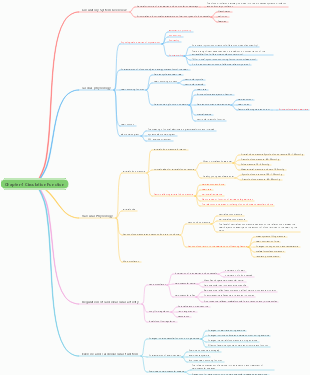
MindMap Gallery Exercise Physiology 3rd Edition Blood and Exercise Mind Map
This is a mind map about blood and exercise in the third edition of exercise physiology, the composition and characteristics of blood, the functions of blood, The effect of exercise on blood components, etc.
Edited at 2024-03-14 18:18:58This is a mind map about bacteria, and its main contents include: overview, morphology, types, structure, reproduction, distribution, application, and expansion. The summary is comprehensive and meticulous, suitable as review materials.

This is a mind map about plant asexual reproduction, and its main contents include: concept, spore reproduction, vegetative reproduction, tissue culture, and buds. The summary is comprehensive and meticulous, suitable as review materials.
This is a mind map about the reproductive development of animals, and its main contents include: insects, frogs, birds, sexual reproduction, and asexual reproduction. The summary is comprehensive and meticulous, suitable as review materials.
This is a mind map about bacteria, and its main contents include: overview, morphology, types, structure, reproduction, distribution, application, and expansion. The summary is comprehensive and meticulous, suitable as review materials.
This is a mind map about plant asexual reproduction, and its main contents include: concept, spore reproduction, vegetative reproduction, tissue culture, and buds. The summary is comprehensive and meticulous, suitable as review materials.
This is a mind map about the reproductive development of animals, and its main contents include: insects, frogs, birds, sexual reproduction, and asexual reproduction. The summary is comprehensive and meticulous, suitable as review materials.
blood and exercise
Composition and properties of blood
blood composition
plasma
water and electrolytes
plasma proteins and lipids
Other organic matter
blood cells
red blood cells
leukocyte
Physical and chemical properties of blood
Color and specific gravity
viscosity
Osmotic pressure
Plasma pH (acidity or alkalinity)
blood function
functions of plasma
Transport function
The main function of plasma is to transport blood cells, maintain substances needed for human life activities and metabolites produced in the body, etc.
nutritional function
The total human plasma volume of a normal person is three liters, which contains approximately 200 grams of protein, which functions as a nutritional reserve.
The function of maintaining homeostasis in the internal environment
Compared with the external environment cells in which the human body lives, the external fluid is the direct environment in which cells live, which is called the internal environment. The physical and chemical properties of the internal environment are relatively stable and ensure the normal function of cells. Therefore, the relative stability of the internal environment is a necessary condition for normal life activities of the body.
Immune Function
The immunoglobulins and complement system contained in plasma are plasma proteins that play an important role in immune function.
Coagulation and anticoagulation
Most of the coagulation factors and physiological anticoagulant substances in plasma, as well as substances that promote fibrinolysis, are proteins. Factors such as fibrinogen and thrombin in plasma are components that cause blood coagulation
function of blood cells
function of red blood cells
Red blood cells have the function of transporting oxygen and carbon dioxide. In addition, red blood cells also have a buffering function.
function of white blood cells
Cells are a large family of blood cells with diverse shapes, structures and physiological functions that work synergistically in the body's defense, immunity and wound healing processes.
Functions of neutrophils and monocytes
Neutrophils are on the front line of the body's defense against invasion by microbial pathogens, especially pyogenic bacteria.
Functions of basal granulocytes and eosinophils
The cytoplasmic granules of basophils contain a variety of biologically active substances. The heparin released by them has an anticoagulant effect, which is beneficial to keeping blood vessels open. It can also accelerate lipolysis and provide free fatty acids for the process of histamine and white blood cells. Enene can increase the permeability of capillaries and cause local congestion, thereby causing some allergic reactions.
Eosinophils lack lysozyme, so although they have weak phagocytic ability, they have basically no bactericidal effect. They can accumulate locally in allergic reactions, limiting the role of basophils in immediate allergic reactions.
Platelet function
Maintain endothelial integrity
Platelets can fuse with vascular endothelial cells and play an important role in repairing endothelial cells and maintaining endothelial cell integrity and normal permeability.
Coagulation and hemostasis
Platelets promote coagulation and accelerate hemostasis
Blood type and blood transfusion
ABO blood group system
Blood volume and transfusion
Effects of exercise on blood components
Effects of exercise on plasma
Effect of exercise on plasma volume
During exercise, the passive original circulation blood volume increases due to the stored blood.
Effects of exercise on blood lipids and blood sugar
Effect of exercise on blood lipids
Exercise is an effective means to prevent dyslipidemia
Effect of exercise on blood sugar
Exercise lowers blood sugar
Effects of exercise on blood cells
Effects of exercise on red blood cells
The number of red blood cells changes due to exercise, and the amount of change is affected by factors such as the type of exercise, intensity and duration of exercise
HB is an important iron-containing protein in red blood cells. HB is an important factor in determining the maximum oxygen uptake of athletes. HB concentration has a significant impact on aerobic exercise capacity.
Effects of exercise on white blood cells
In the resting state, the total number of white blood cells and their classified counts in peripheral blood of athletes are not significantly different from those of non-athletes. After exercise, the increase in white blood cells in peripheral blood is mainly in neutrophils, lymphocytes and lymphocytes, and mainly in B lymphocytes. After exercise, the recovery of white blood cells is related to the intensity and duration of exercise. The greater the intensity of exercise, the longer the duration. The recovery rate of white blood cells is slower
Effects of altitude training and hypoxic training on blood composition
The purpose of classic plateau training and other simulated plateau training is to use the hypoxic environment to stimulate the body's physiological adaptation to hypoxic stress, stimulate the body's hematopoietic system, promote red blood cell production, increase the content of HB and myoglobin, and thereby enhance blood transport. Oxygen and the ability of muscles to utilize oxygen