 Wondershare EdrawMind
MindMap Gallery Clinical medicine cocci mind map
- 53
Clinical medicine cocci mind map
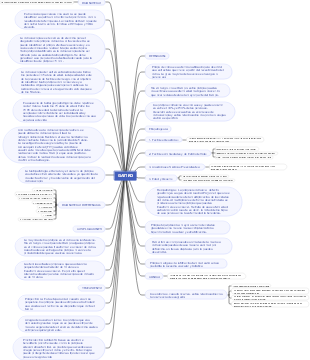
This is a mind map about the etiology of undergraduate clinical medicine, including Streptococcus, Staphylococcus, Neisseria, Enterococcus, etc.
Edited at 2024-03-08 10:16:37
- bacteria
This is a mind map about bacteria, and its main contents include: overview, morphology, types, structure, reproduction, distribution, application, and expansion. The summary is comprehensive and meticulous, suitable as review materials.
- Plant asexual reproduction
This is a mind map about plant asexual reproduction, and its main contents include: concept, spore reproduction, vegetative reproduction, tissue culture, and buds. The summary is comprehensive and meticulous, suitable as review materials.
- Reproductive development of animals
This is a mind map about the reproductive development of animals, and its main contents include: insects, frogs, birds, sexual reproduction, and asexual reproduction. The summary is comprehensive and meticulous, suitable as review materials.
Clinical medicine cocci mind map
- bacteria
This is a mind map about bacteria, and its main contents include: overview, morphology, types, structure, reproduction, distribution, application, and expansion. The summary is comprehensive and meticulous, suitable as review materials.
- Plant asexual reproduction
This is a mind map about plant asexual reproduction, and its main contents include: concept, spore reproduction, vegetative reproduction, tissue culture, and buds. The summary is comprehensive and meticulous, suitable as review materials.
- Reproductive development of animals
This is a mind map about the reproductive development of animals, and its main contents include: insects, frogs, birds, sexual reproduction, and asexual reproduction. The summary is comprehensive and meticulous, suitable as review materials.
- Recommended to you
- Outline

cocci
Streptococcus
Classification
Classification of hemolysis (blood plate culture medium)
Alpha-hemolytic Streptococcus--grass-green hemolytic ring--alpha hemolytic--opportunistic pathogens
Beta-hemolytic Streptococcus - completely transparent hemolytic ring - beta hemolysis - strong pathogenicity
Streptococcus G - not hemolytic - generally not pathogenic
Antigen structural classification
According to the different C polysaccharide antigens in the cell wall, they are divided into A, B, and C. About 90% of the strains that are pathogenic to humans belong to group A.
According to the M protein antigen, group A is divided into type 150
Classification of biochemical reactions
Anaerobic - conditional pathogenic bacteria, mainly normal flora in the oral cavity and digestive tract.
Facultative anaerobic - pathogenic bacteria
Aerobic - pathogenic bacteria
Group A Streptococcus Streptococci are the most pathogenic bacteria!
Biological traits
Morphology and staining
Spherical or elliptical, diameter 0.6-1μm, chain-like arrangement, G
No spores, no flagella, pili during early culture, and self-secreted hyaluronidase in later stages makes the capsule disappear.
Hair-like pili: formed by lipoteichoic acid wrapped around the outer layer of M protein.
beta hemolysis
Cultivation characteristics
Higher nutritional requirements
Blood plate: The colonies are round and convex, the size of a pin tip, S-shaped, without pigment, and surrounded by a completely transparent β-hemolytic ring.
Serum broth: There is a flocculent precipitate at the bottom of the tube, which can easily grow into chains.
Hyaline hemolytic ring phenomenon--beta hemolysis
biochemical reaction
Decompose glucose and produce acid but not gas
Does not produce catalase (produced by Staphylococcus aureus)
Does not break down inulin and is not dissolved by bile
To identify type A hemolytic Streptococcus and Streptococcus pneumoniae, Optochin is now commonly used
resistance
Not strong, sensitive to common disinfectants
Also sensitive to commonly used antibacterial drugs
Group B Streptococcus to Penicillin (Preferred)
Antigen structure
Polysaccharide antigen (C antigen)
Located in the cell wall, it has group specificity and is divided into 20 groups.
Surface antigen (protein antigen, M antigen)
Located on the outer layer of C antigen, it is type-specific and has 150 serotypes.
M antigen is associated with pathogenicity
Nucleoprotein antigen (P antigen)
It is non-specific and has crossover with Staphylococcus aureus.
Pathogenicity
Pathogenic substances
cell wall components
Adhesin
Lipoteichoic acid (LTA), F protein, LTA-M complex (pilus-like structure)
M protein
Anti-phagocytic, anti-bacterial, common antigen
peptidoglycan
Causes heat, dissolves platelets, increases platelet permeability, and induces experimental arthritis
Exotoxins
pyrogenic exotoxin (scarlet fever toxin)
Produced by lysogenic strains of group A streptococci, which are thermogenic and heat-resistant; there are three serotypes A, B, and C;
Strong antigenicity and superantigen effect - immune diseases
streptolysin
SLO
A type of protein containing sulfhydryl groups that is sensitive to oxygen.
It has strong immunogenicity, and "anti-O" appears in the blood of most infected patients after getting sick.
It has toxic effects on mammalian neutrophils, platelets, macrophages, and nerve cells, and has acute toxic effects on cardiomyocytes.
SLS
It is a small molecule glycopeptide, stable to oxygen and non-antigenic.
SLS has toxic effects on a variety of tissue cells; can cause intravascular hemolysis and renal tubular necrosis; inhibits the chemotaxis and phagocytosis of leukocytes.
Invasive enzyme Both are spreading factors
hyaluronidase
Decompose interstitial hyaluronic acid
Streptokinase (SK)
Fibrisinogen → Fibrisin
Dissolve blood clots or prevent plasma from coagulating, promoting bacterial transmission.
streptodonase (SD)
Streptococcal DNase
Degrades the sticky DNA in pus and makes it thinner.
Disease caused
Purulent infection (pus is thin and poorly defined)
Skin and subcutaneous tissue infections, lymphangitis, cellulitis
Tonsillitis, angina, puerperal infection, otitis media, etc.
toxin disease
Mainly scarlet fever (pyrogenic exotoxin)
It can also cause "streptococcal toxin shock syndrome"
hypersensitivity disease
Rheumatic fever and acute glomerulonephritis (the onset is related to M protein and may be a type II or type III hypersensitivity reaction)
Immunity
After infection with Group A Streptococcus, the body has a certain degree of immunity, mainly a variety of antibodies (especially anti-M protein antibodies); however, since there is no cross-immunity between various types, repeated infections can occur.
M protein can also induce IFN-γ and enhance phagocytic function.
Scarlet fever patients develop robust homoantitoxin immunity
microbiological examination
The same principle as Staphylococcus aureus
PYR experiment
Pyrrolidone (PYR) enzyme test, after hydrolyzing PYR, it reacts with cinnamaldehyde to produce a pink color
Anti-O test: diagnostic indicator of recent infection or rheumatic fever
Testing for the presence of antibodies against streptococcal hemolysin O in the serum
Prevention and control principles
Penicillin G should be the drug of choice for treatment
Prevent the occurrence of hypersensitivity diseases: thoroughly treat pharyngeal infections in children, and long-acting penicillin can be used to prevent streptococcal infections.
Streptococcus pneumoniae
It is difficult to differentiate from Group A Streptococcus. The reliable methods are bile lysis and Optochin test.
Capsular polysaccharide is divided into more than 90 serotypes, and a 23-valent polysaccharide vaccine is currently available
Pathogenic substances include capsular polysaccharide, lysin O, neuraminidase, LTA, etc.
The disease caused is mainly lobar pneumonia, and the common bacteria are type 1, 2, 3 and bronchitis;
Other medically relevant streptococci
Group B Streptococcus (GBS)
It mostly parasitizes the lower respiratory tract, female genitourinary tract, rectum, etc., causing neonatal sepsis (high mortality rate!), pneumonia, and meningitis.
Early fulminant sepsis: common in infants under 1 week old; Late purulent meningitis: average 4 weeks
Group D Streptococcus
Common bacteria: Streptococcus bovis, Streptococcus equi
It mostly parasitizes the skin, digestive tract, genitourinary tract, etc., and often causes urinary tract infections and abdominal infections in the elderly, young and middle-aged women, and is related to sepsis in patients with colon cancer.
alpha-hemolytic streptococci
Mostly parasitic in the oropharynx, gums, digestive tract, female reproductive tract, etc.
Often causes "infectious endocarditis" (especially with prosthetic valves). Bacteremia may occur by invading the bloodstream during tooth extraction or tonsil removal
Among them, Streptococcus mutans mostly parasitizes in the oropharynx and is related to the formation of dental plaque and caries lesions. Decompose sucrose - produce glucan - dental plaque - sugar fermentation - pH drop - dental caries
staphylococcus
Staphylococcus aureus
Biological traits
Morphology and staining
Spherical or elliptical, about 1μm in diameter,
grape bunch arrangement
Gram stain shows purple (G), which can form L-type bacteria (G-)
Cultivation characteristics
Not high nutritional requirements Ordinary plates: colonies are round and convex, medium size, S-shaped
Pigments: aurein (fat-soluble pigment)
Blood plate: hemolysis
biochemical reaction
Pathogenic bacteria break down mannitol
Produces acid but not gas
Classification
①Pigments and biochemical reactions: Staphylococcus aureus (pathogenic), Staphylococcus epidermidis, Staphylococcus saprophyticus
②Presence or absence of coagulase: coagulase positive, coagulase negative
③ Genetic typing by nucleic acid analysis: based on 16S rRNA: 48 species and 24 subspecies.
resistance
It has the strongest resistance among all spore-free bacteria, has strong salt tolerance (10%~15% NaCl), and is prone to develop drug resistance (MIC>4μg/ml)
Genomic features
2.81Mb, 32.8% G C, more than 2600 ORFs
2 “virulence islands”: Microbial surface components recognize adhesion matrix molecules and secrete toxin proteins
Antigen structure
Staphylococcal protein A (SPA)
In vivo: SPA binds non-specifically to the Fc segment of IgG
Anti-phagocytic, mitogenic, hypersensitivity-inducing, platelet-damaging
In vitro: After binding, the Fab segment of the IgG molecule can still specifically bind to the antigen.
Synergistic agglutination reaction, "second antibody"
polysaccharide antigen
Group specific, present in the cell wall
capsular polysaccharide
Adhesion - only 4% have morphological identification, but all have serological identification
Pathogenicity
Pathogenic substances
coagulase
Important indicators for identifying pathogenicity
Enzymes that coagulate human or rabbit plasma containing anticoagulants
Classification: Free coagulase (similar to prothrombin)---test tube method, Binding coagulase (fibrinogen receptor)---slide method determination
Other enzymes (4 types)
Fibrinolytic enzyme, thermostable nuclease, hyaluronidase, lipase
toxin
staphylolysin (exotoxin)
Divided into α, β, γ, and δ, α is mainly produced by lysogenic conversion for its pathogenic effect.
Alphalysin has a hemolytic effect on white blood cells and platelets. Damage to liver cells, etc.
Mechanism of action: Toxin molecules insert into the hydrophobic region of the cell membrane, destroying the integrity of the membrane
Kill white blood cells (leucocidin, also known as PVL)
It is divided into two components: fast (F) and slow (S), but the two components work together.
Only attacks neutrophils and macrophages
Enterotoxins
Heat-stable soluble protein that resists proteases in intestinal fluid;
It is divided into 9 serotypes, with A and D being the most common, among which type A is produced by lysogenic conversion.
Stimulates the vomiting center, leading to food poisoning with vomiting as the main symptom (recoverable in 1 to 2 days)
Belongs to superantigen
exfoliatin
Protein, with two serotypes A and B, encoded by plasmids
Scalded skin syndrome (newborns, young children, and immunocompromised adults) acts on the spinous granular layer of the epidermis, causing the epidermis and dermis to slough off
Toxic shock syndrome toxin-1 (TSST-1)
Exotoxins
Superantigen effect & can increase sensitivity to endotoxin
Toxic shock syndrome TSS (fever, shock, multiple organ system dysfunction)
Disease caused
purulent infection
purulent skin infection
Folliculitis, boils, carbuncles, wound suppuration and abscesses (yellow and thick pus with clear boundaries)
Clinical manifestations: The pus is golden and thick, and the lesions are clearly localized.
Purulent infections of various organs: tracheitis, pneumonia, empyema, pericarditis, otitis media
Systemic infection: sepsis, sepsis
toxin disease
food poisoning
scalded skin syndrome
toxic shock syndrome
Immunity
Innate immunity: humans have certain natural resistance to Staphylococcus aureus
Adaptive immunity: Some immunity is acquired after infection, but it is not strong enough to prevent reinfection.
microbiological examination
Direct smear microscopy of specimen
Isolation, culture and identification: 37℃, 18~24h
Golden yellow, hemolytic, positive coagulase test, positive thermostable nuclease test, able to decompose mannitol to produce acid
Toxin identification using ELISA
Drug susceptibility test
Beta-lactamase-penicillin-resistant strains
Staphylococcal enterotoxin test
Prevention and control principles
1. Prevent nosocomial cross-infection
2. Use disinfectants promptly to treat skin wounds
3. People with purulent skin infections should not engage in food preparation or catering industry until they are cured
4. Treatment should be based on drug sensitivity test results
5. For recurrent and refractory scabies, it is advisable to use autologous vaccines or toxoids for artificial auto-immunization
Coagulase negative staphylococcus (CNS)
Main bacteria: Staphylococcus epidermidis, Staphylococcus saprophyticus
Pathogenicity (mainly causing infection in people with low immunity)
Urinary tract infection: young women, secondary to E. coli
Bacterial endocarditis: secondary to valvular damage
Sepsis: Second to E. coli and Staphylococcus aureus
Infections caused by postoperative and implanted equipment: more common in valve replacement, peritoneal dialysis, catheters, etc.
Neisseria
Common feature
Pathogenic bacteria
Humans are natural hosts of bacteria of the genus Neisseria, Neisseria meningitidis, Neisseria gonorrhoeae
The rest are normal flora of the nose, throat and oral mucosa.
G-cocci, often arranged in pairs
No flagella, no spores, capsules and pili
Obligately aerobic, capable of producing oxidase and catalase
It can ferment a variety of sugars and produce acid but no gas.
Neisseria meningitidis
Biological traits
Morphology and staining
Kidney-shaped, bean-shaped Gram-negative diplococci
In the patient's cerebrospinal fluid, most of them are located in neutrophils
Newly isolated strains have capsules and pili
Cultivation characteristics
Higher nutritional requirements (chocolate culture medium)
It is obligately aerobic and grows better under 5% CO2 conditions. The optimal pH is 7.4-7.6. The optimal growth temperature is 37°C.
Colorless, transparent, smooth
Not hemolytic on blood agar plates. Grows as turbid in serum broth
Autolytic enzymes are produced, and artificial cultures often die after more than 48 hours. Autolytic enzymes can be destroyed by treatment at 60°C for 30 minutes or formaldehyde solution.
Biochemical properties
Most Neisseria meningitidis break down glucose and maltose
Decompose glucose and maltose, produce acid but not gas
Antigen structure and classification
capsular polysaccharide group specific antigen
Grouping, more than 95% of our country is group A
outer membrane protein type specific antigen
Types
All strains of group A have the same outer membrane proteins
lipooligosaccharide antigen
Antigenic
resistance
Sensitive to low temperatures (pay attention to heat preservation when collecting specimens)
More sensitive to physical and chemical factors
Pathogenicity
Pathogenic substances (mainly endotoxins)
capsule
Anti-phagocytosis, enhance bacterial invasiveness
pili
Adheres to the surface of pharyngeal mucosal epithelial cells, facilitating invasion
IgA1 protease
Destroy IgA1 and help bacteria adhere to cell mucosa
Lipopo-oligosaccharide (endotoxin)
The main pathogenic agent of Neisseria meningitidis
Disease caused
Epidemic cerebrospinal meningitis (meningoencephalitis)
Symptoms: erythema, G-diplococci inside and outside neutrophils in cerebrospinal fluid
Immunity
Humoral immunity
Neisseria gonorrhoeae (gonococcus) STD with the highest incidence rate in my country
Biological traits
Morphology and staining
kidney- or coffee-bean-shaped gram-negative diplococci
Arranged in pairs (flat contact surface)
No spores, no flagella, capsule, pili and capsule
At different times
Acute phase: within neutrophils
Chronic phase: extracellular
Cultivation characteristics
obligate aerobic
High nutritional requirements, commonly used chocolate blood agar plates
Colony characteristics: T1-T2 (piles, poisonous), T3-T5
biochemical reaction
Only decomposes glucose and produces acid but no gas
Oxidase test positive
antigen
pilin
lipooligosaccharide antigen
Outer membrane protein antigens: PⅠ, PⅡ, PⅢ
resistance
Weak (1-2h in dry environment; 1 day in bedding)
Sensitive to antibiotics such as sulfa, penicillin, and chlortetracycline; particularly sensitive to silver salts
Pathogenicity
Pathogenic substances
pili
adhesion
Fimbriae-bearing bacteria can adhere to human urethral mucosa
capsule
Antiphagocytosis
outer membrane protein
P1: Insert into the cell membrane and destroy the membrane structure
P2: Adhesion
P3: inhibitory antibodies
lipooligosaccharide
local inflammatory reaction
Evade the body's immune system
IgA1 protease
Destroy IgA1 antibodies on the mucosal surface → allow bacteria to adhere to the mucosal surface
Disease caused
gonorrhea
male
anterior urethritis
female
urethritis
Cervicitis
further extends to the reproductive system, causing chronic infection
neonatal gonococcal conjunctivitis
Propagation mode
Humans are the only host
horizontal transmission
direct: sexual contact
Indirect: towels, bedding
vertical communication
Neonatal infection from birth canal
Immunity
No natural resistance, immunity is not long-lasting
Most patients can recover on their own
Specific antibodies can be produced, but they are not long-lasting, and reinfection and chronicity are common
microbiological examination
direct smear microscopy
Gram-negative diplococci found in neutrophils
Isolation, culture and identification
Commonly used T-M medium (Thither-Martin medium)
Oxidase test positive
Sugar fermentation experiment
Only decomposes glucose (produces acid but not gas)
Prevention and control principles
prevention
Carry out knowledge education on the prevention and treatment of sexually transmitted diseases without vaccines
Immunity after illness is not long-lasting, and reinfection is more common in chronic patients; neonates should use eye drops of silver nitrate or chloramphenicol-streptomycin mixture
treat
Antibiotics such as penicillin
1% silver nitrate or chloramphenicol-streptomycin mixture eye drops
Enterococcus
Biological traits
Overview
Important pathogenic bacteria in hospital infections
Main pathogenic bacteria: Enterococcus faecalis and Enterococcus faecium
Morphology and staining
Round or oval, G arranged in a chain, no spores, no flagella
nourish
High nutritional requirements, serum, aerobic or facultative anaerobic bacteria, catalase negative
Off-white, opaque, smooth, round colonies with a diameter of 1mm.
biochemical reaction
Break down glucose and maltose
Produces acid but not gas
resistance
Able to grow in high salt and bile media
Can withstand 60℃ for 30min
Intrinsic resistance to many antibacterial drugs
Pathogenicity
Pathogenic substances
carbohydrate adhesin
Adsorbs intestinal, urothelial cells and heart cells (affected by growth environment)
polymer factor
Surface proteins, aggregates and recipient bacteria (conducive to plasmid transfer)
Enhanced adhesion to renal tubular epithelial cells in vitro
Cytolysin
Increase the severity of infection
Plasmid encoding generation
polymorphonuclear leukocyte chemoattractant
Mediates the inflammatory response associated with enterococcal infection
Disease caused
urinary tract infection
Enterococcus faecalis is common and is mostly a nosocomial infection
abdominal pelvic infection
Enterococcal infections rank second
septicemia
Ranking third, lower than coagulase-negative Staphylococcus aureus and Staphylococcus aureus infections.
87% were Enterococcus faecalis, followed by Enterococcus faecium and Enterococcus tenacis.
endocarditis
About 5% to 20% of endocarditis is caused by enterococci
Enterococcal drug resistance
penicillin
Production of special penicillin-binding proteins (reduced affinity)
penicillinase
Aminoglycosides
Cell wall permeability disorder (moderate resistance)
Aminoglycoside inactivating enzyme (highly resistant)
Vancomycin
Contains vancomycin resistance gene
The use of exogenous folic acid in the body causes sulfa to lose its antibacterial effect