MindMap Gallery Medical Orthopedics-Fracture
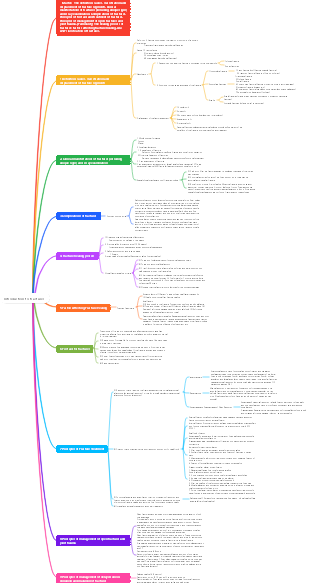
A mind map about medical orthopedics - fractures, including classification, calvarial fractures, treatment principles of calvarial fractures, skull base fractures, etc.
Edited at 2023-12-04 11:24:24This is a mind map about bacteria, and its main contents include: overview, morphology, types, structure, reproduction, distribution, application, and expansion. The summary is comprehensive and meticulous, suitable as review materials.

This is a mind map about plant asexual reproduction, and its main contents include: concept, spore reproduction, vegetative reproduction, tissue culture, and buds. The summary is comprehensive and meticulous, suitable as review materials.
This is a mind map about the reproductive development of animals, and its main contents include: insects, frogs, birds, sexual reproduction, and asexual reproduction. The summary is comprehensive and meticulous, suitable as review materials.
This is a mind map about bacteria, and its main contents include: overview, morphology, types, structure, reproduction, distribution, application, and expansion. The summary is comprehensive and meticulous, suitable as review materials.
This is a mind map about plant asexual reproduction, and its main contents include: concept, spore reproduction, vegetative reproduction, tissue culture, and buds. The summary is comprehensive and meticulous, suitable as review materials.
This is a mind map about the reproductive development of animals, and its main contents include: insects, frogs, birds, sexual reproduction, and asexual reproduction. The summary is comprehensive and meticulous, suitable as review materials.
skull fracture
Condition observation
If there is cerebrospinal fluid leakage, observe and record the amount, nature, and color of cerebrospinal fluid leakage.
Cerebrospinal fluid leak care
The focus is on preventing retrograde infection
1: Identify cerebrospinal fluid leakage: light red fluid flows out of the patient's nasal cavity and ear canal. Cerebrospinal fluid leak is suspected
2 Positions: For comatose patients, raise the head of the bed 30 degrees. For awake patients, the head should be high and the feet should be low, in a semi-sitting position. The purpose is to use gravity to move the brain tissue toward the lower part of the skull, causing the meninges to gradually form adhesions. After closing the meningeal tear, you can change to a supine position 3-5 days after the cerebrospinal fluid leakage stops.
3: Keep the local area clean and dry: use saline cotton balls to clean the nasal vestibule or external auditory canal To prevent the cotton ball from being too wet and causing fluid to flow back up, place a dry cotton ball in the external auditory canal or nasal vestibule. Replace the cotton ball in time when it is soaked to estimate the liquid volume.
4: Prevent cerebrospinal fluid reflux: blockage, flushing, and dripping medicine into the nasal cavity and ear canal are contraindicated. It is strictly forbidden to insert a tube through the nasal cavity, and avoid lumbar puncture. Avoid coughing, sneezing, and blowing your nose. Avoid picking your ears, picking your nose, and holding your breath to defecate to avoid intracranial infection.
5: Medication and care: Use antibiotics and TAT or tetanus toxoid as directed by the doctor.
Intracranial pressure syndrome care
Cause: Excessive leakage of cerebrospinal fluid Manifestations: nausea, vomiting, dizziness, anorexia, brief syncope Nursing care: Rest in bed with the head down and feet high. Instruct the patient not to blow his nose. sneezing, coughing forcefully
psychological care
Briefly introduce the patient's condition, treatment methods and precautions to obtain cooperation and satisfy their psychological needs Physical safety needs, eliminating tension
health education
Instruct patients and their families if they experience headache, frequent vomiting, fever, and confusion. Seek medical attention promptly, and for those with cerebrospinal fluid leakage, precautions should be explained to them
Processing principles
1: There is no special treatment for skull base fracture itself. The focus is to prevent infection of cerebrospinal fluid. It usually heals in 1-2 weeks. 2. If the cerebrospinal fluid leak does not heal on its own within 4 weeks, dural repair is required.
3: For vision loss after injury, dura mater repair should be performed within 24 hours. 4: Cerebrospinal fluid leakage combined with developmental injury, use TAT and antibiotics to prevent infection
skull base fracture
Clinical manifestations: Anterior cranial fossa: panda eye and rabbit eye signs, cerebrospinal fluid rhinorrhea, olfactory nerve and optic nerve damage Middle cranial fossa: subcutaneous congestion in the mastoid area behind the ear, cerebrospinal fluid otorrhea, facial nerve and auditory nerve damage Posterior cranial fossa: mastoid area and suboccipital part, posterior pharyngeal wall, submucosal, 9-12 pairs of cranial nerves are damaged
Auxiliary examination: CT
Principles of management of calvarial fractures
Linear calvarial fracture: no treatment required
Surgical signs of depressed fractures: 1: Depression depth >1cm, range >3cm 2: Located in important functional areas, 3: The fracture fragment penetrates into the brain, 4. Paralysis, aphasia and other functional impairments caused by fracture or localized epilepsy
skull fracture
Clinical manifestations: tenderness, swelling, and local subperiosteal hematoma at the linear fracture. Depression fractures tend to occur on the forehead and top, and are mostly full-thickness depressions with a large scope. Most of them can reach the subsidence area
Auxiliary examination: x-ray
Classification
According to its location: calvarial fracture and skull base fracture
According to fracture shape: linear fracture, depressed fracture, comminuted fracture, hole-shaped fracture,
Whether it is connected to the outside world: closed fracture and open fracture
concept
Refers to changes in the structure of the skull caused by violence.