MindMap Gallery Medicine - Glucose Metabolism
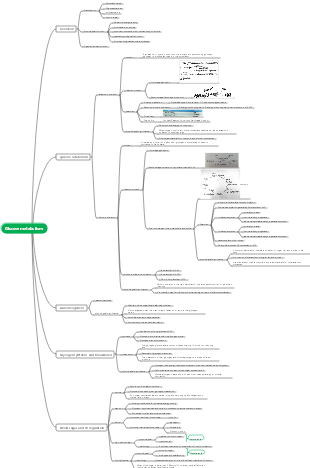
This is a mind map about medicine-glucose metabolism, including physiological significance, key enzymes, effects, cellular localization, etc.
Edited at 2023-11-27 16:50:32This is a mind map about bacteria, and its main contents include: overview, morphology, types, structure, reproduction, distribution, application, and expansion. The summary is comprehensive and meticulous, suitable as review materials.

This is a mind map about plant asexual reproduction, and its main contents include: concept, spore reproduction, vegetative reproduction, tissue culture, and buds. The summary is comprehensive and meticulous, suitable as review materials.
This is a mind map about the reproductive development of animals, and its main contents include: insects, frogs, birds, sexual reproduction, and asexual reproduction. The summary is comprehensive and meticulous, suitable as review materials.
This is a mind map about bacteria, and its main contents include: overview, morphology, types, structure, reproduction, distribution, application, and expansion. The summary is comprehensive and meticulous, suitable as review materials.
This is a mind map about plant asexual reproduction, and its main contents include: concept, spore reproduction, vegetative reproduction, tissue culture, and buds. The summary is comprehensive and meticulous, suitable as review materials.
This is a mind map about the reproductive development of animals, and its main contents include: insects, frogs, birds, sexual reproduction, and asexual reproduction. The summary is comprehensive and meticulous, suitable as review materials.
Glucose metabolism
physiological significance
Glycolysis (anaerobic oxidation): rapidly provides energy to the body and supplies red blood cells.
Aerobic oxidation: the main way of breaking down sugar for energy
Tricarboxylic acid cycle: a common pathway for the decomposition of three major nutrients to produce energy, and a hub of metabolic connections
Pentose phosphate pathway: the main source of NADPH, nucleic acid-5-phosphate in the body
NADPH: hydrogen donor, synthesis of non-essential AA, participates in hydroxylation reaction, maintains the reducing property of GSH
gluconeogenesis
Liver: maintain blood sugar concentration, restore or replenish liver glycogen
Kidneys: Helps maintain acid-base balance
Lactic acid cycle: Recycle the energy in lactic acid to avoid lactic acid accumulation poisoning
key enzyme
composition
Glycolysis (kinase)
Hexokinase (glucokinase), phosphofructokinase-1, pyruvate kinase
Gluconeogenesis (Dicarboxyphosphate)
Pyruvate carboxylase, enolpyruvate carboxykinase, fructose bisphosphatase-1, glucose-6-phosphatase
Aerobic oxidation of pyruvate decarboxylation
pyruvate dehydrogenase complex
tricarboxylic acid cycle
Citrate synthase, isocitrate dehydrogenase, alpha-ketoglutarate dehydrogenase complex
Glycogen synthesis
glycogen synthase
glycogenolysis
glycogen phosphorylase
adjust
Inhibited by ATP: Hexokinase is inhibited by G-6-P, other key enzymes except the alpha-ketoglutarate dehydrogenase complex
Inhibited by NADH: citrate synthase, pyruvate dehydrogenase, alpha-ketoglutarate dehydrogenase complex
Calcium ion activation: pyruvate dehydrogenase, isocitrate dehydrogenase, alpha-ketoglutarate dehydrogenase complex
Gluconeogenesis and Glycolysis Comparison
subtopic
effect
Pasteur: Under aerobic conditions, the aerobic oxidation of sugar in muscle tissue is active, and the anaerobic oxidation is inhibited.
Warburg: In active tissues (such as tumors), even in the presence of oxygen, glucose is not completely oxidized, but lactic acid is produced, giving the tumor a survival advantage.
The combination of Haldane O2 and Hb promotes the release of CO2
Bohr Effect of Blood Acidity on Hb and O2 Affinity
Energy consumption: biological oxidation
Cofactors involved in aerobic oxidation reactions: vitamins
Cell location
gluconeogenesis
Liver and kidney (mitochondria and cytoplasm)
anaerobic oxidation
Cell fluid
Aerobic oxidation
cytosol, mitochondria
pentose phosphate pathway
Cell fluid
Glycogen synthesis and breakdown
Liver and muscle cell fluid