MindMap Gallery Oral Immunology 2
Oral Biology Chapter 4 Oral Immunology Section 34. Includes immunopathological features of endodontic disease Immunopathological characteristics of periapical disease, etc.
Edited at 2023-11-27 11:49:57This is a mind map about bacteria, and its main contents include: overview, morphology, types, structure, reproduction, distribution, application, and expansion. The summary is comprehensive and meticulous, suitable as review materials.

This is a mind map about plant asexual reproduction, and its main contents include: concept, spore reproduction, vegetative reproduction, tissue culture, and buds. The summary is comprehensive and meticulous, suitable as review materials.
This is a mind map about the reproductive development of animals, and its main contents include: insects, frogs, birds, sexual reproduction, and asexual reproduction. The summary is comprehensive and meticulous, suitable as review materials.
This is a mind map about bacteria, and its main contents include: overview, morphology, types, structure, reproduction, distribution, application, and expansion. The summary is comprehensive and meticulous, suitable as review materials.
This is a mind map about plant asexual reproduction, and its main contents include: concept, spore reproduction, vegetative reproduction, tissue culture, and buds. The summary is comprehensive and meticulous, suitable as review materials.
This is a mind map about the reproductive development of animals, and its main contents include: insects, frogs, birds, sexual reproduction, and asexual reproduction. The summary is comprehensive and meticulous, suitable as review materials.
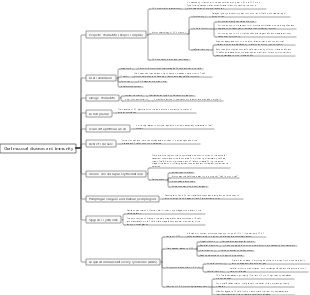
Endodontic disease, periapical disease and immunity
Immunopathological characteristics of endodontic disease
Dental pulp tissue innate immune response
dental pulp dendritic cells
It functions as immune surveillance to capture and present antigens to T cells, initiate a specific immune response process, secrete different cytokines, and participate in the differentiation and renewal of odontoblasts.
Macrophages
It is related to the ligands expressing chemokines and is involved in the repair process of tissues after inflammatory response.
Mast cells
The specific immune response involved in the initial pathological process of pulpitis is also involved in the development of chronic pulpitis such as pulp polyps.
neutrophils
It removes pathogenic microorganisms, removes tissue debris, and releases particulate matter at the same time, causing an increase in the pressure within the dental pulp, causing pain and necrosis.
odontoblast
Secretes cytokines and chemokines, and can express Toll-like receptors to recognize different bacterial metabolites, suggesting involvement in the immune response process.
Outflow of dentinal fluid and intratubular immunoglobulin deposits
neuropeptides
It increases vascular permeability and tissue pressure, and has a chemotactic effect on immune cells, which can induce the production of cytokines and participate in the immune response process.
Cytokines and chemokines
Concentration changes
Dental pulp tissue adaptive immune response
B lymphocytes
The content is low and increases in inflammatory conditions.
T lymphocytes
Divided into auxiliary and inhibitory types, the latter is more important and more numerous than the former.
Immunopathology of endodontic disease
It begins with the innate immune response and continues to develop and activate the adaptive immune response, including humoral responses and cellular responses, causing typical inflammatory changes, and inflammatory damage such as necrosis may occur.
Immunopathological characteristics of periapical disease
Periapical tissue innate immune response
Distributes various immune cells, such as Langerhans cells, macrophages, neutrophils, NK cells, mast cells and eosinophils, as well as the cytokines and chemokines they secrete.
Periapical tissue adaptive immune response
The proportions of T and B cells are different, but both cellular and humoral immunity are involved in the disease process.
Th1-type immune responses are involved in all stages, Th2-type plays an important role in lesions dominated by B cells and plasma cells, and Th17 plays an important role in exacerbating inflammatory responses.
Some of the chronic inflammatory lesions are dominated by humoral immune responses, and important immune regulatory factors are detected. Regulatory T lymphocytes balance the inflammatory response in periapical lesions.
Immunopathology of periapical disease
It is mainly mediated by various types of hypersensitivity reactions, including types 1 and 2. There is also delayed hypersensitivity.
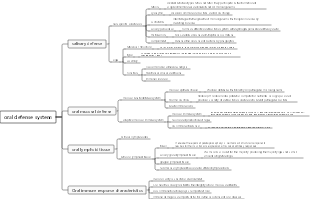
Periodontal disease and immunity
Periodontal Disease Overview
Plaque and bacteria are the most direct pathogenic factors. A large number of studies have confirmed that specific bacteria play a basic inducing role in the occurrence of periodontal disease, but the subsequent periodontal tissue destruction is mainly caused by the host during the infection process. Caused by the imbalance of immune protection and immune destruction mechanisms.
periodontal disease pathogenic plaque
Ways of destruction
Produce toxic factors and other direct damage
Induces host local and systemic immune responses to produce indirect immunopathological damage
Promote tissue cell apoptosis
type
A few Gram-negative anaerobic bacteria, including Porphyromonas gingivalis, Sodium forsythiana, and Aggregatibacter actinomycetemcomitans, are related to the occurrence and development of periodontal disease.
Immunological pathogenesis of periodontal disease
innate immunity
neutrophils
The host's first line of defense against periodontal plaque microorganisms
The formation of a barrier along the junctional epithelium, gingival sulcus, and periodontal pockets is the most important histological feature of periodontal disease.
Mild functional impairment is associated with early periodontal tissue damage
It can synthesize and release bioactive substances such as enzymes and prostaglandins to destroy the structure of periodontal supporting tissue and cause damage to periodontal supporting tissue.
Macrophages
Present antigen to lymphocytes
Devour and kill pathogenic bacteria
Promote T cell proliferation and bone resorption by synthesizing IL-1
Release of prostaglandins to modulate host immune response
The production of collagenase, proteolytic enzymes, etc. can cause the destruction of periodontal connective tissue.
adaptive immunity
Early periodontal lesions are characterized by the presence of T lymphocytes and macrophages, while a large number of B lymphocytes and plasma cells appear in established and advanced periodontal lesions.
The progression of periodontal lesions is related to the imbalance of T cell immune regulation.
The important mechanism of T cells' destructive effect on periodontal tissue is the production of cytokines.
genetic factors
The body's susceptibility to infectious diseases is also one of the important factors affecting the occurrence and development of periodontal disease.
Immunopathological process of periodontal disease
Early stage
After 2 to 4 days of plaque accumulation, the host's protective inflammation against plaque antigens is dominated by chemotactic phagocytosis.
Early days
After 4 to 7 days of plaque accumulation, a large number of dense lymphocyte infiltrates appear, with T cells accounting for the majority, and some B cells, macrophages and mast cells.
Establishment period
Within 2 to 3 weeks of plaque accumulation, neutrophil exudation and plasma cell infiltration increased significantly, and the scope expanded to the perivascular and collagen fiber bundles deep in the connective tissue.
Late stage
High concentrations of IgG, IgA, IgE, complement and a large number of polymorphonuclear granulocytes appear in the gingival crevicular fluid, and a large number of lymphocytes, plasma cells and macrophages infiltrate in the connective tissue.