MindMap Gallery Human body nutrition
This is a mind map about the nutrition of the human body, and its main contents include: digestion and absorption, nutrients in food. It has rich content, sorted out key points, and clear structure, which is very worth learning!
Edited at 2025-01-06 18:25:14Rumi: 10 dimensions of spiritual awakening. When you stop looking for yourself, you will find the entire universe because what you are looking for is also looking for you. Anything you do persevere every day can open a door to the depths of your spirit. In silence, I slipped into the secret realm, and I enjoyed everything to observe the magic around me, and didn't make any noise. Why do you like to crawl when you are born with wings? The soul has its own ears and can hear things that the mind cannot understand. Seek inward for the answer to everything, everything in the universe is in you. Lovers do not end up meeting somewhere, and there is no parting in this world. A wound is where light enters your heart.
Chronic heart failure is not just a problem of the speed of heart rate! It is caused by the decrease in myocardial contraction and diastolic function, which leads to insufficient cardiac output, which in turn causes congestion in the pulmonary circulation and congestion in the systemic circulation. From causes, inducement to compensation mechanisms, the pathophysiological processes of heart failure are complex and diverse. By controlling edema, reducing the heart's front and afterload, improving cardiac comfort function, and preventing and treating basic causes, we can effectively respond to this challenge. Only by understanding the mechanisms and clinical manifestations of heart failure and mastering prevention and treatment strategies can we better protect heart health.
Ischemia-reperfusion injury is a phenomenon that cellular function and metabolic disorders and structural damage will worsen after organs or tissues restore blood supply. Its main mechanisms include increased free radical generation, calcium overload, and the role of microvascular and leukocytes. The heart and brain are common damaged organs, manifested as changes in myocardial metabolism and ultrastructural changes, decreased cardiac function, etc. Prevention and control measures include removing free radicals, reducing calcium overload, improving metabolism and controlling reperfusion conditions, such as low sodium, low temperature, low pressure, etc. Understanding these mechanisms can help develop effective treatment options and alleviate ischemic injury.
Rumi: 10 dimensions of spiritual awakening. When you stop looking for yourself, you will find the entire universe because what you are looking for is also looking for you. Anything you do persevere every day can open a door to the depths of your spirit. In silence, I slipped into the secret realm, and I enjoyed everything to observe the magic around me, and didn't make any noise. Why do you like to crawl when you are born with wings? The soul has its own ears and can hear things that the mind cannot understand. Seek inward for the answer to everything, everything in the universe is in you. Lovers do not end up meeting somewhere, and there is no parting in this world. A wound is where light enters your heart.
Chronic heart failure is not just a problem of the speed of heart rate! It is caused by the decrease in myocardial contraction and diastolic function, which leads to insufficient cardiac output, which in turn causes congestion in the pulmonary circulation and congestion in the systemic circulation. From causes, inducement to compensation mechanisms, the pathophysiological processes of heart failure are complex and diverse. By controlling edema, reducing the heart's front and afterload, improving cardiac comfort function, and preventing and treating basic causes, we can effectively respond to this challenge. Only by understanding the mechanisms and clinical manifestations of heart failure and mastering prevention and treatment strategies can we better protect heart health.
Ischemia-reperfusion injury is a phenomenon that cellular function and metabolic disorders and structural damage will worsen after organs or tissues restore blood supply. Its main mechanisms include increased free radical generation, calcium overload, and the role of microvascular and leukocytes. The heart and brain are common damaged organs, manifested as changes in myocardial metabolism and ultrastructural changes, decreased cardiac function, etc. Prevention and control measures include removing free radicals, reducing calcium overload, improving metabolism and controlling reperfusion conditions, such as low sodium, low temperature, low pressure, etc. Understanding these mechanisms can help develop effective treatment options and alleviate ischemic injury.
Human body nutrition
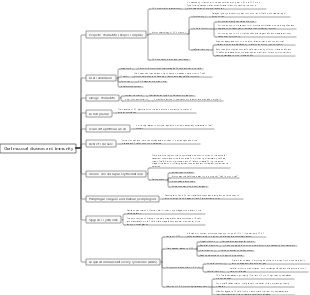
Nutrients in food
Sugar: The main energy substance for human life
Lipids: including fat, phospholipids, and sterols are the reserve energy of the human body.
Protein: the main bearer of life activities
Water and inorganic salts: Water is one of the main components of human cells; inorganic salts are essential substances in life activities
Calcium-containing inorganic salts - rickets
Phosphorus-containing inorganic salts - anemia, muscle weakness
Iron-containing inorganic salts - iron deficiency anemia
Iodine-containing inorganic salts - goiter
Zinc-containing inorganic salts - stunted
Vitamin: It is a small molecule organic substance necessary to maintain normal life.
Vitamin A - Night Blindness
Vitamin B1 - Bear foot disease
Vitamin C - scurvy
Vitamin D - Rickets
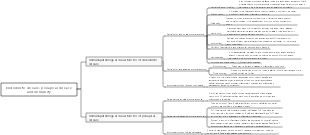
Digestion and absorption
Digestive system
Physiological functions: intake, transport, digest food, absorb nutrients and excrete waste
composition
Digestive tract: consists of the mouth, pharynx, esophagus, stomach, small intestine, large intestine and anus
Digestive glands
Salivary glands - secrete saliva, which contains saliva amylase to initially digest starch
Liver - secretes bile and does not contain digestive enzymes. Its function is to emulsify fat into fat particles
Intestinal glands - secreted intestinal fluid, enzymes that digest sugars, proteins and fats
Gastric glands - secrete gastric juice, containing hydrochloric acid and protease to digest proteins initially
Pancreas - secreting pancreatic juice, enzymes that digest sugars, proteins and fats
Digestion process
Definition: Digestion is the process in which food is decomposed into small molecules in the digestive tract. The entire digestive process is regulated by the nervous system and the endocrine system.
Digestion of starch: Starch enters the mouth and is digested into maltose by saliva amylase, then enters the small intestine and is digested into intestinal fluid. The enzymes in the pancreatic fluid are digested into glucose
Digestion of protein: After the protein enters the stomach, it is digested into a polypeptide by pepsin, and then enters the small intestine and is digested into intestinal fluid. The enzymes in the pancreatic fluid are digested into amino acids.
Digestion of fat: After fat enters the small intestine, it is digested into fat particles by bile and then by intestinal fluid in the small intestine, and the enzymes in the pancreatic juice are digested into glycerol and fatty acids.
The small intestine is the main digestive organ
Characteristics of the small intestine being good at digestion and absorption
The small intestine is the longest in the digestive tract
There are many annular folds on the inner surface of the small intestine and small intestine villi increase the surface area of digestion and absorption
The small intestine contains a variety of digestive enzymes
Small intestinal villi consists of only one layer of epithelial cells, which is conducive to the absorption of nutrients
Absorption process
Definition: The process of digested small molecules, vitamins, etc. entering the blood and lymph through epithelial cells on the digestive tract mucosa is called absorption
Stomach: absorbs some water, inorganic salts and a small amount of alcohol
Small intestine: absorbs a large amount of water, inorganic salts, vitamins, glucose, glycerol, fatty acids and amino acids, etc.
Large intestine: absorbs a lot of water, inorganic salts and some vitamins