MindMap Gallery Children's psychological development stages
Stages of children's psychological development, Zhangbei Boyuan Ruixuan Kindergarten - Xie Hailian, the introduction is detailed and the description is comprehensive. I hope it will be helpful to those who are interested!
Edited at 2023-11-26 18:11:50This is a mind map about bacteria, and its main contents include: overview, morphology, types, structure, reproduction, distribution, application, and expansion. The summary is comprehensive and meticulous, suitable as review materials.

This is a mind map about plant asexual reproduction, and its main contents include: concept, spore reproduction, vegetative reproduction, tissue culture, and buds. The summary is comprehensive and meticulous, suitable as review materials.
This is a mind map about the reproductive development of animals, and its main contents include: insects, frogs, birds, sexual reproduction, and asexual reproduction. The summary is comprehensive and meticulous, suitable as review materials.
This is a mind map about bacteria, and its main contents include: overview, morphology, types, structure, reproduction, distribution, application, and expansion. The summary is comprehensive and meticulous, suitable as review materials.
This is a mind map about plant asexual reproduction, and its main contents include: concept, spore reproduction, vegetative reproduction, tissue culture, and buds. The summary is comprehensive and meticulous, suitable as review materials.
This is a mind map about the reproductive development of animals, and its main contents include: insects, frogs, birds, sexual reproduction, and asexual reproduction. The summary is comprehensive and meticulous, suitable as review materials.
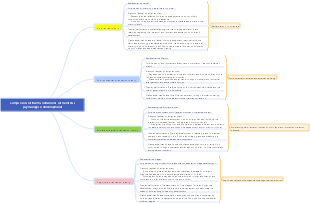
Children's psychological development stages
infancy
Birth to 22 years old
Experience and explore the world
Babies learn about their environment through touch, taste and hearing
Explore and gradually master basic life skills such as eating, crawling and walking
emotional development
Establish a close relationship and form an attachment with the primary caregiver
Express basic emotions and needs such as joy, sadness, hunger and comfort
cognitive development
Begins to form memories of common objects and faces
Follow simple instructions and imitate simple actions
Early childhood
2 to 6 years old
social and emotional development
Start interacting, learning, sharing and collaborating with children of the same age
Emotional expression is richer and more complex, including joy, sadness, and anger
Language and communication skills
Rapid growth in vocabulary and grammar, and beginning to express oneself in simple sentences
Ability to understand and follow more complex instructions
cognitive and imaginative development
Develop logical thinking and understand cause-and-effect relationships and temporal order
Imagination flourishes and is good at role-playing and creating game environments
Movement and coordination
Continuous improvement in daily living skills such as dressing, bathing and using the toilet
Motor skills gradually improve. For example, running, jumping and throwing a ball
Primary school level
Six to 12 years old
school and community development
Begin formal schooling and learn social and cooperative skills
Build deep friendships with peers and identify with the community you belong to
cognitive development
Develop abstract thinking and logical reasoning skills
Learn to read and write math and science and identify with the community to which you belong
emotions and self-awareness
Begin to form an evaluation and awareness of yourself and others
Build healthy self-esteem and confidence
Movement and coordination
Improve physical coordination and participate in various sports and exercise activities
Master more complex athletic skills, such as swimming and playing musical instruments
puberty
12 to 18 years old
self-identity and independence
Explore self-identity and values and differentiate between family and society
Desire to make independent decisions and take control of one's own life
emotional and social development
Emotions are more complex and changing. Diverse experiences, emotional ups and downs and challenges
Build closer relationships with people of your own age and gender
cognitive development
Strengthen abstract thinking and critical thinking skills
Start planning for the future and making relevant decisions
physical and sexual development
Experiencing physical and physiological changes, such as the development of sexual organs and the onset of menstruation
Explore and understand your own gender identity and sexual orientation