MindMap Gallery Japanese pension system
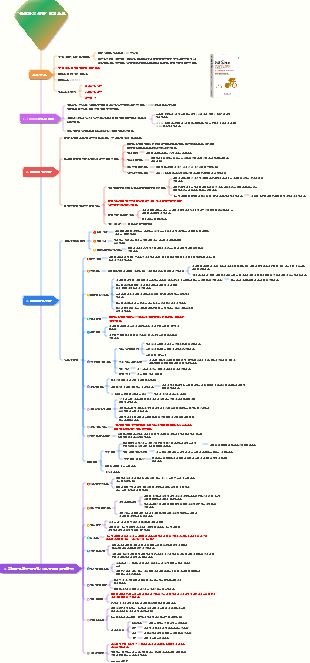
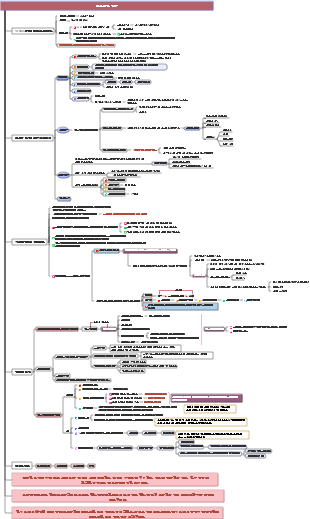
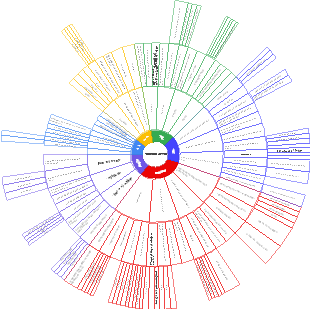
This is a mind map about Japan’s elderly care system, including its development process, regional comprehensive care system, types of service facilities, etc.
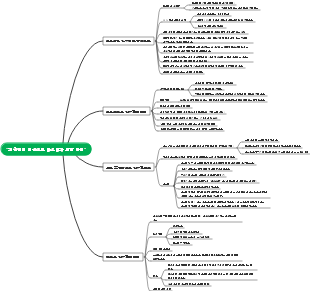
Edited at 2023-11-26 16:42:47This is a mind map about bacteria, and its main contents include: overview, morphology, types, structure, reproduction, distribution, application, and expansion. The summary is comprehensive and meticulous, suitable as review materials.
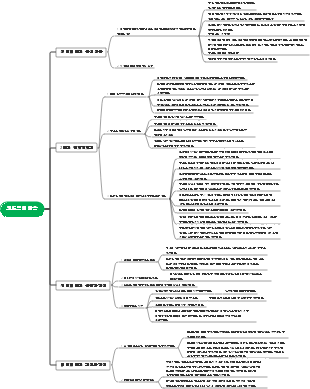
This is a mind map about plant asexual reproduction, and its main contents include: concept, spore reproduction, vegetative reproduction, tissue culture, and buds. The summary is comprehensive and meticulous, suitable as review materials.
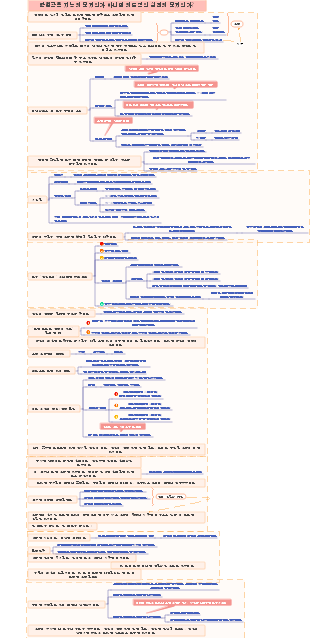
This is a mind map about the reproductive development of animals, and its main contents include: insects, frogs, birds, sexual reproduction, and asexual reproduction. The summary is comprehensive and meticulous, suitable as review materials.
This is a mind map about bacteria, and its main contents include: overview, morphology, types, structure, reproduction, distribution, application, and expansion. The summary is comprehensive and meticulous, suitable as review materials.
This is a mind map about plant asexual reproduction, and its main contents include: concept, spore reproduction, vegetative reproduction, tissue culture, and buds. The summary is comprehensive and meticulous, suitable as review materials.
This is a mind map about the reproductive development of animals, and its main contents include: insects, frogs, birds, sexual reproduction, and asexual reproduction. The summary is comprehensive and meticulous, suitable as review materials.
Japanese pension system
development path
budding stage
1992: The hospital was differentiated into "specific function hospitals" that provided professional medical services and "convalescent bed hospitals" that catered for long-term recuperation.
1994: The "New Gold Plan" expanded only "support for institutional care services" to "support for care services for the elderly at home and the disabled and mentally disabled elderly", and the home concept began to sprout.
2000: The "Insurance Nursing Care Act" introduced the nursing care insurance system, which provided payment guarantee for home services and integrated "welfare" and "care".
development stage
2003: Officially proposed the concept of “regional comprehensive care”
Abandon the construction of large public facilities and turn to small and medium-sized public facilities
2005: Reform of nursing care insurance, adding preventive and comprehensive assistance systems; in-depth integration of medical care and welfare
Amendments to the Nursing Care Insurance Act
2005:
增设预防性服务,
开始提供地域密集型介护及支援服务
2008:
对经营者进行监管,
提升病床设施的使用率,
改进介护来人保险设施有的费用标准
2011:
鼓励以地域为基础的居家养老模式(社区综合照料体系);
推进地域密集型服务及小规模复合型服务机构的建设;
加强介护人才培养和改善其待遇
2014
自费率由10%提升到10-20%
特殊养老机构的介护服务给付条件提高
2017
自费率提高到10-30%
2021
修订高额长期护理服务支付制度上限
..
2011: Firmly build a "regional comprehensive care system"; vigorously develop home medical services (called visiting medical care in Japan)
At present, "region" and "community" have similar meanings. The difference is that the former is "open" and has no clear administrative boundaries. The latter is "closed" and has clear administrative and geographical boundaries. In the context of integrated care services, both emphasize community-centered care. my country's comprehensive community care services have gradually broken through the administrative boundaries at the community, street and other levels. The difference between "community" and "region" is gradually narrowing
2014: Integrating nursing care insurance and medical insurance to establish a comprehensive security system that combines medical care and nursing care; geographically intensive facilities are continuously enriched and strengthened, gradually covering door-to-door services at night
2018: Integrate medical services such as "daily medical management" and "hospice care" with elderly care facilities to further promote the development of regional comprehensive care system functions; "regional comprehensive care system" is determined to be an obligation that cities, towns and villages across the country must fulfill
2021: Further optimize the payment system for integrated medical care and nursing care, and strengthen talent training and retention in the comprehensive care system
Regional comprehensive care system
The regional comprehensive care system is based on the integration of five types of services: medical treatment, nursing care, prevention, health care, and life support. to build a living circle with home and community as the core, complete elderly care resources, and no more than 30 minutes’ walk from the elderly’s residence. ,
On the basis of meeting the immediate needs of elderly care, we provide 24-hour comprehensive services derived from different health stages. weather, seamless medical and nursing service network. Fu Lin, Liu Xiaomei, 2023
Types of service facilities
Nursing care facilities
Focus on providing long-term, comprehensive nursing care services, usually with clear restrictions on the level of care and length of stay
public nursing facilities
Special nursing home (special care)
Comprehensive long-term care at low cost and in short supply
Nursing care and health care facilities for the elderly (Laojian)
Transitional facilities between “aftercare” and “home”
Provide nursing and rehabilitation services, occupancy limit is 3-6 months
Nursing home
Oriented to return to life, we provide medical management, medical care, nursing care and life scene services for the elderly with long-term medical plans.
Nursing care medical facilities
Usually attached to a hospital, it provides medical services and nursing care services to the elderly for the purpose of recuperation.
private
Nursing home for the elderly
Provide not only living assistance and care, but also nursing and rehabilitation
Residential paid nursing home
It is characterized by a lot of recreational activities, but care needs to be provided by surrounding nursing offices.
group home
Living together with people with cognitive impairment
Apartments for the elderly
An energetic elderly person with good self-care ability
nursing office
Provide long-term care service facilities, mainly providing short-term, high-frequency day care and door-to-door services
A small multi-functional office based on the community
Companies and business operations or social welfare organizations non-profit organizations
Comprehensive service focusing on day care, supporting short-stay services and door-to-door nursing services
Some can meet night patrol and 24-hour response needs
An agency focused on providing door-to-door services
Companies and business operations or social welfare organizations non-profit organizations
Mainly provides one-time and short-term services such as home bathing, home care, short-term living support, and short-term accommodation.
Regional support center providing comprehensive coordination services
Japan’s regional comprehensive care system plays a central role
20.5% of municipal governments have direct jurisdiction, and 79.5% of municipal governments have entrusted jurisdiction
Home care support office
Home Care Prevention Support Office