MindMap Gallery Cellular endomembrane system and vesicle transport
This is a mind map about the cell's endomembrane system and vesicle transport, including the relationship between the cell's endomembrane system and medicine, the endoplasmic reticulum, etc.
Edited at 2023-11-25 20:59:04This is a mind map about bacteria, and its main contents include: overview, morphology, types, structure, reproduction, distribution, application, and expansion. The summary is comprehensive and meticulous, suitable as review materials.

This is a mind map about plant asexual reproduction, and its main contents include: concept, spore reproduction, vegetative reproduction, tissue culture, and buds. The summary is comprehensive and meticulous, suitable as review materials.
This is a mind map about the reproductive development of animals, and its main contents include: insects, frogs, birds, sexual reproduction, and asexual reproduction. The summary is comprehensive and meticulous, suitable as review materials.
This is a mind map about bacteria, and its main contents include: overview, morphology, types, structure, reproduction, distribution, application, and expansion. The summary is comprehensive and meticulous, suitable as review materials.
This is a mind map about plant asexual reproduction, and its main contents include: concept, spore reproduction, vegetative reproduction, tissue culture, and buds. The summary is comprehensive and meticulous, suitable as review materials.
This is a mind map about the reproductive development of animals, and its main contents include: insects, frogs, birds, sexual reproduction, and asexual reproduction. The summary is comprehensive and meticulous, suitable as review materials.
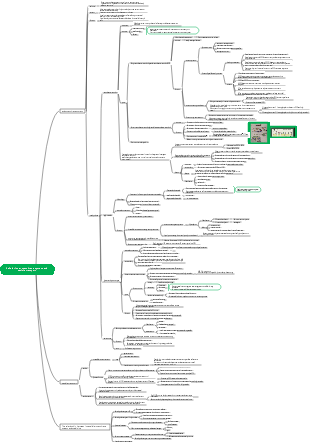
Cellular endomembrane system and vesicle transport
endoplasmic reticulum
The endoplasmic reticulum is a group of cells with different sizes and shapes. Organelle composed of membranous vesicles.
Morphological structure and types of endoplasmic reticulum
Rough endoplasmic reticulum and smooth endoplasmic reticulum are Two basic types of endoplasmic reticulum
The main morphological feature of rough endoplasmic reticulum is the presence of ribosomes attached to the surface.
Smooth endoplasmic reticulum has a tube-vesicle-like network structure with a smooth surface
The endoplasmic reticulum is the unit membrane within the cytoplasm Three-dimensional mesh membrane system
Found in cells of certain special tissues Derived structures of the endoplasmic reticulum
Chemical composition of the endoplasmic reticulum
Lipids and proteins are the main chemical components of the endoplasmic reticulum
The endoplasmic reticulum contains glucose-6-phosphatase Many enzyme systems that are the main landmark enzymes
Related to detoxification function Oxidation reaction electron transfer enzyme system
Enzymes related to functional reactions of lipid metabolism
Enzymes related to functional reactions of carbohydrate metabolism
Various enzymes involved in protein processing and transport
Reticulin is the lumen of the endoplasmic reticulum A type of protein commonly found in
Immunoglobulin heavy chain binding protein
reticulin
calreticulin
calnectin
protein disulfide isomerase
endoplasmic reticulum function
The main function of rough endoplasmic reticulum is to carry out Protein synthesis, processing modification, sorting and transport
Signal peptide-directed synthesis of secreted proteins in rough endoplasmic reticulum
Possible mechanism of signal peptide-directed transmembrane resident protein insertion transfer
Rough endoplasmic reticulum is the starting point for protein sorting
Smooth endoplasmic reticulum serves as intracellular lipid Multifunctional organelle that is the main site of substance synthesis
Smooth endoplasmic reticulum is involved in the synthesis and transport of lipids
Smooth endoplasmic reticulum participates in glycogen metabolism
Smooth endoplasmic reticulum is the main site of cellular detoxification
Smooth endoplasmic reticulum is the storage site for calcium ions in muscle cells
Smooth endoplasmic reticulum is closely related to the synthesis and secretion of gastric acid and bile
endoplasmic reticulum stress
The relationship between intracellular membrane system and medicine
Pathological changes of endoplasmic reticulum
The most common pathological changes of the endoplasmic reticulum are swelling, hypertrophy or cisternal collapse
The formation and appearance of inclusions in the endoplasmic reticulum lumen is a manifestation of certain diseases or pathological processes.
The endoplasmic reticulum shows diverse changes in different tumor cells
Pathological changes in the Golgi complex
Hyperfunction leads to compensatory hypertrophy of the Golgi complex
Toxic substances cause atrophy and damage of the Golgi complex
Tumor cell differentiation status affects Golgi complex status
lysosomal diseases
Lysosomal deficiency or defective diseases are mostly congenital diseases (Tay-Sachs disease, type glycogen storage disease)
Cell or tissue damage diseases caused by the release or leakage of lysosomal enzymes (silicosis, gout)
Peroxisomes and disease
Genetic disorders caused by primary peroxisome defects
Pathological changes in peroxisomes during disease processes
Vesicle transport and disease
golgi complex
Morphology
The Golgi complex is composed of three Organelles composed of different types of membranous vesicles
flat vesicles
small vesicles
large vesicles
The Golgi complex is remarkably polar
The Golgi complex exhibits different distribution patterns in different tissue cells
chemical components
Lipids are the basic components of the Golgi complex membrane
The Golgi complex contains a variety of enzyme protein systems including glycosyltransferases
Function
The Golgi complex is a transit station for intracellular protein transport and secretion.
The Golgi complex is an important site for the processing and synthesis of intracellular substances.
glycoprotein processing
Protein hydrolysis processing
The Golgi complex is a hub for intracellular protein sorting and vesicle-directed transport.
peroxisome
Basic physical and chemical characteristics
Peroxisomes are highly heterogeneous membranous saccular organelles
Peroxisomes have high material permeability
Peroxisomes contain more than 40 enzymes marked by catalase
oxidases
catalase
peroxidase
Function
Peroxisomes can effectively remove hydrogen peroxide and other toxic substances produced during cell metabolism.
Peroxisomes can effectively regulate cellular oxygen tension
Peroxisomes are involved in the decomposition and transformation of high-energy molecular substances such as fatty acids in cells.
Vesicles and vesicle transport
The role of vesicles in intracellular protein transport
gated transport
transmembrane transport
vesicle transport
Types and sources of vesicles
Clathrin is produced by vesicles and associated with the Golgi complex and the cell membrane
COP‖ is produced by vesicles and interacts with the endoplasmic reticulum, mediating the transport of substances from the endoplasmic reticulum to the Golgi complex.
COP|The main function of coated vesicles is to recycle and transport endoplasmic reticulum escape proteins
vesicle transport
Vesicle transport is a basic pathway for directional transport of cellular materials
Vesicle transport is a highly ordered, strictly selected and precisely controlled substance transport process.
Specific recognition and fusion is the basic guarantee for directional transport and accurate unloading of vesicle materials
The SNAREs protein family mediates fusion between vesicles and target membranes
Rab protein family plays a regulatory role in vesicle transport and fusion
Vesicle transport is a bridge to achieve functional structural transformation and metabolic renewal of cell membranes and endomembrane systems
lysosome
Morphological structure and chemical composition
Lysosome is a highly heterogeneous membrane-structured organelle.
A common feature of lysosomes is that they contain acid hydrolase
Lysosomal membrane glycoprotein family has high homology
The formation and maturation process of lysosomes
N-glycosylation of enzyme proteins and endoplasmic reticulum transport
Processing and transfer of enzyme proteins within the Golgi complex
Sorting and transport of enzyme proteins
Formation and maturation of endosomal lysosomes
type
Lysosomes differ in their functional status Can be divided into three basic types
primary lysosome
secondary lysosome
autophagolysosome
xenolysosome
Phagolysosome
tertiary lysosomes
Lysosomes differ in their formation process can be divided into two major types
endosomal lysosome
phagolysosome
Function
Decompose foreign substances in cells and remove aged and damaged organelles
Has material digestion and cell nutrition functions
It is an integral part of the body's defense and protective functions.
Participate in the regulation of secretion processes of certain gland tissue cells
Plays an important role in the ontogeny and development of organisms
Endosomes, a heterogeneous group of cells formed by endocytosis Uncoated membrane vesicles are divided into early endosomes and late endosomes according to their stages of occurrence.