MindMap Gallery Medical protozoa mind map
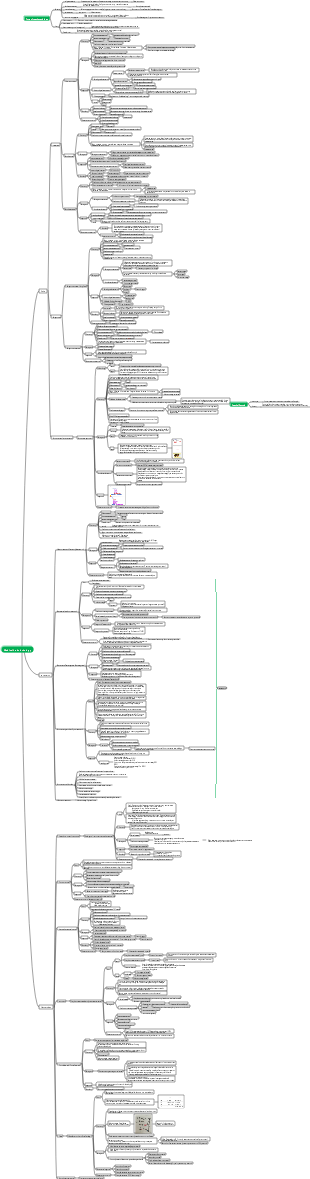
The 9th edition of Human Parasitology, Protozoa, Entamoeba histolytica, mind map, full of useful information, interested friends can refer to it!
Edited at 2023-11-20 20:18:48This is a mind map about bacteria, and its main contents include: overview, morphology, types, structure, reproduction, distribution, application, and expansion. The summary is comprehensive and meticulous, suitable as review materials.

This is a mind map about plant asexual reproduction, and its main contents include: concept, spore reproduction, vegetative reproduction, tissue culture, and buds. The summary is comprehensive and meticulous, suitable as review materials.
This is a mind map about the reproductive development of animals, and its main contents include: insects, frogs, birds, sexual reproduction, and asexual reproduction. The summary is comprehensive and meticulous, suitable as review materials.
This is a mind map about bacteria, and its main contents include: overview, morphology, types, structure, reproduction, distribution, application, and expansion. The summary is comprehensive and meticulous, suitable as review materials.
This is a mind map about plant asexual reproduction, and its main contents include: concept, spore reproduction, vegetative reproduction, tissue culture, and buds. The summary is comprehensive and meticulous, suitable as review materials.
This is a mind map about the reproductive development of animals, and its main contents include: insects, frogs, birds, sexual reproduction, and asexual reproduction. The summary is comprehensive and meticulous, suitable as review materials.
protozoan
Introduction
A single-cell eukaryotic animal with complete physiological functions, belonging to the subkingdom of Protozoa, with more than 40 species of medical protozoa
form
Protozoa are small in size and have various shapes, which can vary according to different insect species and different development stages of the same species.
structure
membrane
Unit membrane structure, also called surface membrane
Function
Keep the insect in a certain shape
Participate in protozoal nutrition, excretion, movement and invasion
Contains components such as ligands, receptors, enzymes and antigens
protective cyst wall
Cytoplasm
matrix
endoplasm
sol granular
Ectoplasm
Transparent, gel-like
organ
membranous cell
Mitochondria, Golgi complex, lysosomes, kinetoplasts
Participate in energy anabolism
sports cell
Pseudopodia, flagella, undulating membrane, cilia
It is related to the movement of protozoa and is also an important symbol of protozoa classification.
Nutritional Cell
Some protozoa have a mouth, a pharynx, and an anus
Help with food intake and excretion
Ciliates are common
inclusions
Food bubbles, glycogen, pseudochromosomes (nutrient storage bodies), insect metabolites, symbionts
nucleus
Composed of nuclear membrane, nucleoplasm, nucleolus, and chromatin
Classification
vesicular core
Most parasitic protozoa have vesicular nuclei
Chromatin is sparse and granular, containing only 1 nucleolus
Parenchymal core
A few ciliates have parenchymal nuclei
Rich chromatin, often with more than 1 nucleolus
The characteristics of the stained nuclei can be used as an important basis for pathogen diagnosis.
life history
Including the different developmental stages of protozoa growth, development and reproduction, as well as the entire process of parasite transmission from one host to another
Movement period (trophozoite) Resting period (cyst)
trophozoites
A period when physiological phenomena are very active, including the activity, feeding, and proliferation stages of protozoa. In parasitic protozoa, it is often the pathogenic stage.
cyst
In an unsuitable environment, the protozoa secrete a shell to surround the parasite body and form an inactive cyst, which becomes an important link in transmission.
type
Interpersonal transmission
Only one kind of host is needed to complete the life history, and it spreads among people through contact or intermediate media.
Circular transmission type
Requires two or more vertebrates to serve as final hosts and intermediate hosts, and for transmission between the two
Insect-borne
It needs to develop sexually or asexually in blood-sucking insects to the infection stage, and then transmit the pathogen to humans or other animals through insect vector bites and blood-sucking
physiological
sports
Pseudopodial movement
flagellar movement
ciliary movement
Depends on the type of motion cell it has
Nutrition
Absorb small molecule nutrients
Osmosis, passive diffusion, facilitated diffusion, active transport
Ingestion of macromolecules
Pseudopodia feeding, soma feeding
metabolism and excretion
Excretion from the body surface, excretion from telescopic vesicles, excretion from the anus, and excretion during division
reproduction
asexual reproduction
binary fission
multiple divisions
budding
budding
Sporozoites first grow from the surface of the spore mother cell, gradually develop into sporozoites, and then separate from the mother cell.
internal budding
The two daughter cells first form new individuals within the mother cell, and then rupture with the mother cell, releasing smaller offspring and developing into new trophozoites.
sexual reproduction
zygotic reproduction
Found only in ciliates
The two worms are connected to each other at the cell mouth, and the membrane at the junction disappears. After nuclear fission in each body and the exchange of genetic material, the two separate again and continue binary fission to form a new individual.
Gametogenesis
During the development process, protozoa differentiate to produce male and female gametes, and the male and female gametes fuse together (fertilization) to form a zygote.
alternation of generations
Asexual reproduction and sexual reproduction occur alternately
Pathogenic characteristics
Proliferate in large numbers
toxic effects
Secretions, excretions, and decomposition products of dead parasites
opportunistic disease
Toxoplasma gondii, Cryptosporidium
opportunistic pathogenic protozoa
Individuals with normal immune function have no obvious clinical manifestations after being infected with certain protozoa and are in a state of latent infection. However, when the body's resistance decreases or the immune function is incomplete, the reproductive ability and pathogenicity of these protozoa are significantly enhanced, causing patients to develop obvious clinical symptoms and signs. Such protozoa are called opportunistic pathogenic protozoa.
Entamoeba histolytica
form
trophozoites
The size ranges from 12 to 60 μm, with pseudopodia, a transparent ectoplasm and a granular-rich endoplasm, and a spherical vesicular core.
Trophozoites isolated from tissues of symptomatic patients often contain ingested red cells
cyst
The process of trophozoites forming cysts in the intestinal lumen is called encystation
There is a short rod-shaped nutrient storage structure called a pseudochromosome in the cytoplasm.
Immature cysts still contain glycogen vesicles and 1 to 2 nuclei.
Mature cysts have 4 nuclei, are round, and have a diameter of 10~20 μm.
life history
basic process
Cyst - trophozoite - cyst
infection stage
Quad core cyst
Mode of infection
Orally
parasitic site
Mainly in the cecum and ascending colon, but also in the sigmoid colon, rectum, and lower ileum
Feces characteristics
carrier
Formed feces containing cysts. It can excrete 50 million cysts every day and is an important source of infection in epidemiology.
Amoebic dysentery patient
Mucus and bloody stool, jam-like, fishy smell, containing trophozoites
under the mirror
A large number of red cells and a small amount of white cells, Charcoal Leyden's crystals, phagocytosis of red cell trophozoites
Pathogenic mechanism
trophozoites
Lectins (galactose/acetylgalactosamine)
Mediates the adhesion of parasites to host cells
perforin
Can cause pore-like damage to host cells
Destroy extracellular matrix, dissolve and destroy tissue cells
cysteine prase
Dissolve and destroy tissue cells
Host
Low immune function, intestinal damage, intestinal infection
Intestinal commensal bacteria provide the physical and chemical environmental conditions required by amoeba
Pathological changes
Flask-like ulcer with small mouth and large base
Except in severe cases, the primary lesion is limited to the mucosal layer
Acute cases: Trophozoites can break through the mucosal layer and multiply and expand into the loose submucosa, causing liquefaction and necrosis, forming a flask-like ulcer with a small mouth and a large bottom.
clinical manifestations
Intestinal amoebiasis
Amoebic dysentery
80% of patients have localized abdominal pain
Extraintestinal amoebiasis
route of infection
Direct spread or hematogenous spread
amebic liver abscess
Most common
The skin at the ulcerated site may undergo an inflammatory reaction, causing the skin to become red, swollen or even ulcerated.
Experimental diagnosis
etiological diagnosis
saline smear method
dysentery patient
Stool examination is still the most effective method for diagnosing intestinal amoebiasis
Detection of active trophozoites in loose or bloody stools
Quick check
iodine smear method
Chronic intestinal amebiasis or carriers
For patients with chronic diarrhea and formed stool, the main purpose is to check for cysts
Iodine solution staining
For some chronic patients, stool examination should last for 1 to 3 weeks, with multiple examinations to ensure that no patient is missed.
In vitro culture
Cultures are often from stool or abscess aspirate
Using Robinson's medium
Nucleic acid diagnosis
serological diagnosis
Indirect hemagglutination test (IHA), indirect fluorescent antibody test (IFA), enzyme-linked immunosorbent assay (ELISA)
DNA amplification analysis, PCR detection analysis
Colonoscopy with biopsy or secretion absorption
Popularity
Source of infection
Those who continue to carry cysts in their feces
Cyst resistance: can live for 1 month in water. Cysts will not be killed in disinfected drinking water containing 2mg/L residual chlorine, but will easily die in a dry environment.
way for spreading
Orally
carried by insects
sexually transmitted
Susceptible groups
Prevention and control
treat
Metronidazole
Dysentery, liver abscess
The current drug of choice for the treatment of amoebiasis
paromomycin
prevention
Manure management and water source protection
Pay attention to personal hygiene and dietary hygiene
Get rid of flies and cockroaches
Strengthen health education and improve self-protection capabilities