 Wondershare EdrawMind
MindMap Gallery Medical Helminthology
- 276
- 1
- 1
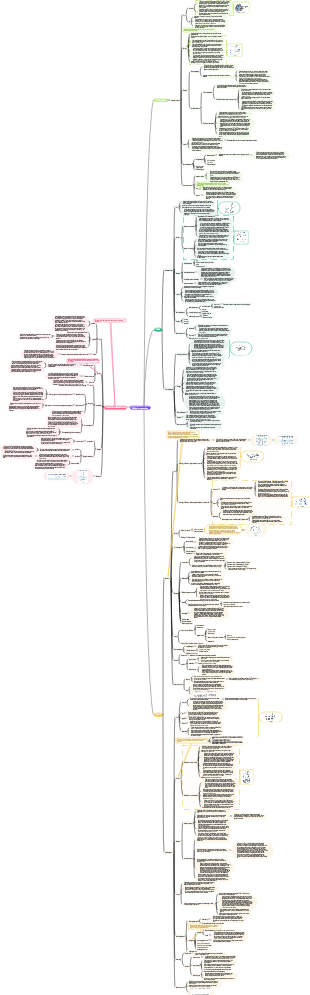
Medical Helminthology
This is a mind map about medical helminthology. The research objects of medical helminthology include various helminths that are pathogenic to humans, such as flukes, tapeworms, nematodes, etc.
Edited at 2023-12-12 16:01:56
- New Employee First - week Onboarding Plan
Mappa mentale per il piano di inserimento dei nuovi dipendenti nella prima settimana. Strutturata per giorni: Giorno 1 – benvenuto, configurazione strumenti, presentazione team. Secondo giorno – formazione su policy aziendali e obiettivi del ruolo. Terzo giorno – affiancamento e primi task guidati. Il quarto giorno – riunioni con dipartimenti chiave e feedback intermedio. Il quinto giorno – revisione settimanale, definizione obiettivi a breve termine e integrazione culturale.
- Analisi del campo di allenamento inglese
Mappa mentale per l’analisi della formazione francese ai Mondiali 2026. Punti chiave: attacco stellare guidato da Mbappé, con triplice minaccia (profondità, taglio, sponda). Criticità: centrocampo poco creativo – la costruzione offensiva dipende dagli attaccanti che arretrano. Difesa solida (Upamecano, Saliba, Koundé). Portiere Maignan. Variabili: gestione infortuni e condizione fisica dei big. Ideale per scout, giornalisti e tifosi.
- Analisi della lineup francese
Mappa mentale per l’analisi della formazione francese ai Mondiali 2026. Punti chiave: attacco stellare guidato da Mbappé, con triplice minaccia (profondità, taglio, sponda). Criticità: centrocampo poco creativo – la costruzione offensiva dipende dagli attaccanti che arretrano. Difesa solida (Upamecano, Saliba, Koundé). Portiere Maignan. Variabili: gestione infortuni e condizione fisica dei big. Ideale per scout, giornalisti e tifosi.
Medical Helminthology
- New Employee First - week Onboarding Plan
Mappa mentale per il piano di inserimento dei nuovi dipendenti nella prima settimana. Strutturata per giorni: Giorno 1 – benvenuto, configurazione strumenti, presentazione team. Secondo giorno – formazione su policy aziendali e obiettivi del ruolo. Terzo giorno – affiancamento e primi task guidati. Il quarto giorno – riunioni con dipartimenti chiave e feedback intermedio. Il quinto giorno – revisione settimanale, definizione obiettivi a breve termine e integrazione culturale.
- Analisi del campo di allenamento inglese
Mappa mentale per l’analisi della formazione francese ai Mondiali 2026. Punti chiave: attacco stellare guidato da Mbappé, con triplice minaccia (profondità, taglio, sponda). Criticità: centrocampo poco creativo – la costruzione offensiva dipende dagli attaccanti che arretrano. Difesa solida (Upamecano, Saliba, Koundé). Portiere Maignan. Variabili: gestione infortuni e condizione fisica dei big. Ideale per scout, giornalisti e tifosi.
- Analisi della lineup francese
Mappa mentale per l’analisi della formazione francese ai Mondiali 2026. Punti chiave: attacco stellare guidato da Mbappé, con triplice minaccia (profondità, taglio, sponda). Criticità: centrocampo poco creativo – la costruzione offensiva dipende dagli attaccanti che arretrano. Difesa solida (Upamecano, Saliba, Koundé). Portiere Maignan. Variabili: gestione infortuni e condizione fisica dei big. Ideale per scout, giornalisti e tifosi.
- Recommended to you
- Outline

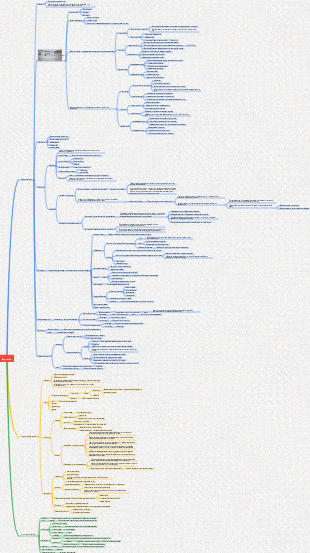
Medical Helminthology
fluke
trematode
Clonorchis sinensis
life history
first intermediate host
Freshwater snails (snails, snails, snails, etc.)
second intermediate host
Freshwater fish, shrimp
Definitive host
humans and carnivorous mammals
Adult worms parasitize in the liver and bile ducts
Eggs - Milcariae - Cycariae - Thunderlarvae - Cercariae - Metacercariae - Metacercariae - Adult worms
The cystic and rachidial stages reproduce asexually in the first intermediate host
The infection stage is the metacercarial stage
Pathogenic
Localized dilatation of bile ducts, obstructive jaundice
Easy to be combined with bacterial infection, leading to cholangitis, cholecystitis, and hepatocholangitis
Bile duct stones (eggs are often found in the core)
dwarfism
Primary liver cancer, especially cholangiocarcinoma
diagnosis
Pathological examination
smear method
fecal direct smear method
People with mild infection are likely to be missed, so repeated inspections can increase the detection rate.
Quantitative transparency method (Kato-Katz, glyceride thick smear transparency method)
Egg collection method
Sedimentation egg collection method (higher)
floating egg collection method
Duodenal fluid or bile drainage
The highest detection rate
Immunological examination
Intradermal Test (IDT)
Reduce fecal examination workload
Enzyme-linked immunosorbent assay (ELISA)
Ideal immunodiagnostic method (simple and fast, high sensitivity, strong specificity, small sample consumption and easy judgment of results)
Film degree exam
B-ultrasound “small equal sign” sound image, double-track sign
other
Blood routine
Liver routine
PCR
Popularity
Source of infection
Patients who can shed eggs, carriers, infected parasite hosts
way for spreading
Eating raw or semi-raw fish and shrimp containing live metacercariae
Susceptible groups
generally susceptible
Prevention and control
Control sources of infection
praziquantel
Cut off transmission routes
Protect vulnerable groups
Fasciola brucei
life history
Intermediate host
flat snail
media
Water chestnut, water bamboo, water lily and other aquatic plants
Definitive host
human or pig
Adult worms inhabit the upper small intestine of the definitive host
Eggs - miracidia - spores - mother larvae - daughter larvae - cercariae - metacercariae - adult worms
Cercariae adsorb to the surface of aquatic plants and other objects in the water and secrete a cystic substance around the body and remove the tail to form metacercariae.
The collecting ducts on both sides of the excretory sac of metacercariae in the cyst contain many refractive particles, which are characteristic
metacercariae
Pathogenic
Pathogenic mechanism
Allergic reactions caused by mechanical damage and insect metabolites
Malnutrition, digestive disorders, intestinal obstruction or intestinal perforation
diagnosis
direct smear method
Mild infections are easily missed
Quantitative clear smear method (modified Kato's method)
Precipitation method (concentration method)
Centrifugal sedimentation method
Water washing natural sedimentation method
immunological methods
IDT ELISA IFA
Popularity
Source of infection
humans and pigs
Pigs are the most important insect hosts
way for spreading
Eating raw aquatic plants is the main mode of infection in humans
Susceptible groups
Common among teenagers
Fasciola hepatica
life history
Adult worms live in the bile ducts of cattle, sheep, other herbivores and humans
The intermediate host is the snail
In China, cut-off soil snails are the most important
Eggs - miracidia - cysts - mother thunderworms - daughter thunderworms - cercariae - metacercariae
metacercariae
After the cercariae mature, they escape from the snail body and attach to aquatic plants.
Pathogenic
Pathogenic mechanism
Childhood migration period
Intestinal damage, injurious hepatitis
Adult worms parasitize in bile ducts
Mechanical stimulation of bile ducts and chemical stimulation of metabolites cause bile duct inflammation, bile duct epithelial hyperplasia, and fibrosis around bile ducts.
clinical manifestations
Acute phase (invasive phase)
Childworms migrate in organizations
Chronic phase (obstructive phase)
Ectopic damage
Ectopic parasitism (lung, brain, stomach, orbit and subcutaneous)
diagnosis
etiological diagnosis
Fecal or duodenal drainage sedimentation examination (easy to miss)
immunodiagnosis
ELISA.IHA.IFA (detection of specific antibodies in serum)
other
Blood picture (total white blood cell count and eosinophilia) Cholecystography B-ultrasound
Epidemic and prevention
Popularity
Zoonoses are zoonotic parasitic diseases caused by livestock owners. Humans are infected with metacercariae by eating raw aquatic plants or drinking raw water, and humans are infected by larvae by eating raw or semi-raw viscera of cattle and sheep.
Prevention and control
Triclobendazole, iodosamide (human)
Nitrochlorophenol, thiochlorophenol (bietin) (animals)
Paragonimus
Paragonimus westeri (Lung fluke)
life history
Eggs - miracidia - cysts - mother larvae - daughter larvae - cercariae - metacercariae - metacercariae - juvenile worms - adults
first intermediate host
Freshwater snails
second intermediate host
freshwater crab, cricket
Adult worms inhabit the lungs
metacercariae
The definitive host is infected by eating freshwater crabs or mantises containing metacercariae.
Pathogenic
Pathogenic mechanism
Mechanical damage caused by the migration of child worms in tissues and organs, disturbance and residence of adult worms in tissues, as well as immunopathological reactions caused by metabolites, etc.
acute phase
Caused by migration of child bugs
Chronic phase (caused by the parasite entering the lungs to develop and parasitize)
abscess stage
cyst stage
fibrous scar stage
clinical manifestations
acute paragonimiasis
Chronic paragonimiasis
diagnosis
Pathological examination
Sputum test
stool test
Check for eggs
biopsy
Immunological examination
intradermal test
serology test
Molecular Biology Examination
PCR
Film degree exam
X-ray, ultrasound, CT
Popularity
distributed
27 provinces, cities and autonomous regions including Zhejiang, Jiangxi, Anhui, Shandong, Liaoning and Jilin
Source of infection
Patients who can excrete worm eggs, carriers, and mammals. This disease is a natural foci disease and has many types of insect hosts.
way for spreading
foodborne parasitic diseases
Susceptible groups
generally susceptible
Prevention and control
praziquantel, albendazole, triclabendazole
Paragonimus stephensi
life history
Similar to Paragonimus westeri
Definitive hosts are feline, canine, civet mammals
first intermediate host
Small and microscopic snails of the family Snailidae
"Oncomelania"
second intermediate host
Freshwater Huaxi crab and stone crab
Transfer host
frog, bird, chicken, 🦆, rat, 🐗, rabbit
Humans become infected by eating freshwater crabs containing metacercariae or transfer hosts containing metacercariae
Humans are abnormal hosts
Pathogenic
Cutaneous larva migrans
Visceral larva migrans
diagnosis
Insect eggs are generally not found in sputum and feces. Biopsy of subcutaneous nodules is the basis for diagnosis.
Immunological examination has auxiliary diagnostic value
Epidemic and prevention
Areas south of the Qinghai-Shandong line
pyraldone
Schistosomiasis (schistosomiasis)
Schistosoma japonicum
Morphology
adult
Dioecious, often in a male-female state when parasitizing in the host
eggs
Light yellow, oval, the egg shell is thin and uniform in thickness, without egg cover, and there is a small spine or lateral spine on one side of the egg cover. Contains soluble egg antigen (SEA) that can be released through the micropores on the egg shell
life history
Adult worms parasitize the portal-mesenteric venous system of the definitive host, and females lay eggs in the venous terminals of the intestinal submucosa.
Intermediate host
snail
Definitive host
Humans, cattle and other mammals
Mode of infection
skin infection
Eggs - Milcariae - Mother larvae - Daughter larvae - Cercariae - Child worms - Adult worms
asexual reproduction stage
Infectious stage: cercariae
Male and female embrace
Necessary conditions for schistosomiasis to mature
Male sex pheromones can be transmitted to females through the body wall
If there are no male worms, the female worms cannot mature sexually; if there are no female worms, although the male worms can mature, it will take a long time and the individuals will be small.
Adult parasites lay eggs
Absorption of nutrients through body wall and intestines
Red blood cells are degraded into hemoglobin, where globin is further degraded into peptides and free amino acids
Schistosoma also has heme oxygenase and biliverdin reductase that can further degrade heme.
Only 7.7% of eggs are expelled
It takes about 24 days from the time the cercariae burrow into the skin until the worm matures and lays eggs. It takes about 11 days to mature
Pathogenic
Cercariae
Cercarial dermatitis: itching, papules
child bug
Mechanical damage and inflammatory cell infiltration lead to vasculitis, capillary embolism, rupture, local cell infiltration, and spot hemorrhage, especially in the lungs.
adult
Damage to the lining of blood vessels, resulting in venous intima inflammation or periphlebitis
eggs
Eggs are the main pathogenic stage of schistosomiasis. Location: Intrahepatic portal vein branches (presinusoidal veins), colon wall veins Pulse, especially in the rectum, sigmoid colon and descending colon. Pathological changes: eggs are deposited in local veins, causing egg granulomas and trunk-type fibrotic lesions.
clinical manifestations
acute schistosomiasis
High fever, abdominal pain, diarrhea, mucus and bloody stools, liver, spleen, lymph node enlargement, urticaria, etc.
chronic schistosomiasis
More than 90% of cases are asymptomatic
advanced schistosomiasis
Patients present with hepatic fibrosis, portal hypertension syndrome (splenomegaly, patent collateral circulation, ascites), growth failure, or marked granulomatous proliferation of the colon. According to the main clinical manifestations, it is divided into: megasplenomegaly type, ascites type, colon proliferation type, and dwarf type. Upper gastrointestinal bleeding is the most common and serious complication in patients with advanced schistosomiasis disease.
Ectopic schistosomiasis
Lungs, brain and other organs and tissues
diagnosis
Prevention and control
Artemether and artesunate have a great killing effect on child worms
tapeworm
Mansoni tapeworm (Pseudophylla tapeworm)
life history
Definitive host
Cats and dogs, as well as carnivores such as tigers, leopards, foxes and ocelots
first intermediate host
Daphnia
second intermediate host
frog
Transfer host
Snakes, birds, pigs and other vertebrates
people
It can be used as the second intermediate host of this insect, a subsequent host or even a final host.
Adult worms inhabit the small intestine of the final host
Eggs - hookococci - protocercariae - spargan larvae - adult worms
Infection by contact (mucosal) - Sparganosis Oral infection - sparganosis, protocephala
Pathogenic
incubation period
Sparganoides invade directly through skin wounds for 6-12 days Oral infection with spargan larvae 1 to several years
subcutaneous sparganosis
migrating subcutaneous nodules
Ocular schizocephalosis
The most common parasitic site of Sparganoma mansoni in humans
Oral and maxillofacial sparganosis
Cerebral sparganosis
Visceral sparganosis
diagnosis
adult worm infection
Fecal examination for eggs or proglottids
Sparganosis mansoni
Local detection of parasites
Radiological imaging techniques such as CT can improve the diagnosis rate of cerebral sparganosis
Sparganoid antigens for immunological experiments
Prevention and control
Adult worms: praziquantel, albendazole Sparganoides: surgical removal. Be sure to remove all the worms, especially the head.
Taenia catenifera (pork tapeworm)
form
Scolex approximates a sphere
Neck slender
life history
Humans are the only definitive host of Taenia solium and also its intermediate host
Pigs and wild boars are the main intermediate hosts
Adult worms inhabit the upper small intestine
Gestational period-eggs-hexuncaria-cysticerci-adult worms
infection stage
eggs
Cysticerci
Infection from the body Self-external infection (accidental ingestion of eggs excreted by oneself) Allogeneic infection
Pathogenic
Adult worms causing disease
Mild, abdominal pain, weight loss, occasionally intestinal obstruction and intestinal perforation
Larval disease (cysticercosis) (major)
Subcutaneous and muscular cysticercosis
Neurocysticercosis (the most important and most harmful)
Seizures, increased intracranial pressure, psychotic symptoms
Ocular cysticercosis
diagnosis
Diagnosis of Taenia solium
Pregnant nodules or eggs were found in feces, and proglottids were examined during experimental deworming
Diagnosis of cysticerci
Superficial subcutaneous site: surgical biopsy Eyes: Ophthalmoscope Brain and deep tissue: X-ray, B-ultrasound, CT, MRI Immunological diagnostic aid
Prevention and control
Traditional Chinese Medicine: Betel Nut-Pumpkin Seed Method Western medicine: Miparin, praziquantel, mebendazole, albendazole
The success of deworming lies in removing the scolex
In the treatment of cysticercosis, surgery is commonly used to remove the worms. Praziquantel can cause the cysticerci to degenerate and die.
Taenia obese (Taenia saginata, Taenia saginata)
life history
The larvae do not parasitize the human body, but parasitize the subcutaneous muscles, eyes, brain, etc. of cattle.
Adult worms live in the human small intestine
Humans are the only definitive host of Taenia saginata
Cow is the intermediate host
Infectious stage: Cysticerci Mode of infection: oral
Only adult worms cause disease
Pathogenic
Taenia saginata
Abdominal discomfort, hunger pangs, diarrhea, etc.
Pregnant women have strong mobility and can automatically escape from the anus. The patient feels itching in the anus and has a sense of fear.
diagnosis
Anal swab method to detect insect eggs Fecal examination for worm eggs or pregnancy spots Fecal panning method to find gestational and cephalic segments
Prevention and control (same as Taenia solium)
Echinococcus granulosus (Hydid tapeworm)
form
Adult: This tapeworm is one of the shortest tapeworms.
Larvae: Echinococcus, a unilocular cyst, the cyst wall is divided into two layers, the outer layer is the horny cortex, milky white and translucent, brittle and easy to rupture, with a multi-layer textured structure under a light microscope. The inner layer is the germinal layer (germ layer), which has many nuclei There is cyst fluid in the cyst, also called hydatid fluid, which is highly resistant to the human body
Many protoscolecular larvae, also known as protoscoleces, grow in the germinal layer. Lime bodies can be seen inside the protoscolecular larvae.
The germinal cyst, also known as the brood cyst, is a small sac with only one germinal layer. It develops from the nucleated cells of the germinal layer. Protocephalic larvae grow on the inner wall.
Protoscolices grow into the germinal vesicle and grow outward to become exophytic protoscolices
The protocephalic larvae, germinal cysts, and small ascus that fall off from the wall are suspended in the cyst fluid and are called cyst sand or echinococcal sand.
sterile sac
life history
Adult worms parasitize the upper small intestine of canine carnivores (definitive host)
Intermediate hosts: cattle, sheep, camels, humans
It takes 8 weeks from infection of the final host to maturity, egg release and gestation, and the adult life span is 5-6 months.
Infectious period: eggs, pregnancy period
Oral infection
Pathogenic
carcinoid
Echinococci are most common in the liver
Local compression and irritation symptoms
Toxicity and allergic reactions
If the hydatid cyst ruptures and the fluid overflows, it can cause severe allergic reactions, shock or even death.
Direct puncture examination is prohibited
diagnosis
The diagnosis should be based on the etiological results, that is, finding the protoscolece in the removed material
serology test
Casoni intradermal test Enzyme-linked immunoassay (ELISA) Indirect hemagglutination test (IHA) Avidin-biotin-enzyme complex enzyme-linked immunosorbent assay (ABC-ELISA) Dot enzyme-linked immunosorbent assay (Dot-ELISA) Convection Immunity Test (CIEP)
Echinococcus multilocularis
Adult worms inhabit the small intestines of dogs and foxes
The larval stage is called cystic coccidia, which parasitizes rodents or insectivores and humans, causing cystic coccosis.
Multilocular hydatid disease
Definitive host dog fox wolverine cat
Intermediate hosts wild rodents, cattle, sheep, humans
Infectious period: eggs
Ground beetles can transport eggs
Humans are abnormal hosts
It mainly lives in the liver and grows invasively, resembling liver cancer.
tapeworms
Microscopic tapeworm
Infectious stage: Cysticerciformis
Nematodes
Ascaris lumbricoides (roundworms)
The largest of the human intestinal nematodes
form
Adult: The mouth hole is located at the top of the insect body, and there are three labial flaps around it, arranged in a "Chinese" shape. Having a pair of ivory-like intercourse spines The female reproductive system is double-tubular Males have single tube type
Insect eggs: The fertilized eggs are wide oval in shape. There is a large, round cell inside the egg. There is a protein membrane outside the egg shell. The surface is uneven and dyed brown. Unfertilized eggs are oblong in shape, with thin chitin and protein layers, and are filled with yolk particles.
life history
The development process of roundworms includes two stages: the development of eggs in the soil and the development of worms in the human body. Does not require an intermediate host and is a direct developmental type
Pathogenic
Larval disease
larval asthma Ascaricidal pneumonia
subtopic
Adult worms causing disease
Robbing nutrients and damaging intestinal mucosa Hypersensitivity (IgE) Complications (most harmful to the human body) biliary ascariasis, ascariasis intestinal obstruction, ascariasis appendicitis
Biliary ascariasis is the most common clinical complication, and the parasite invasion site is mostly in the common bile duct.
Love vinegar and hate alkali
diagnosis
Direct smear method for egg detection
Popularity
Reasons for high infection rates
1. Large amount of eggs laid 2. Simple life history 3. Human fertilization and bad living habits
Prevention and control
Albendazole, mebendazole, triphenyldiamidine, ivermectin
Trichuris trichiura
form
The male has a copulatory spine, and the reproductive systems of both male and female adults are single-tube.
Eggs: yellowish brown, with thick shells and a transparent plug-like protrusion at each end.
life history
No intermediate host is needed, humans are the only host
Parasitizes in the cecum, mainly tissue fluid and blood
Route of infection: oral
Infectious stage: Infectious stage eggs
Pathogenic
Chronic inflammatory reaction, dizziness, abdominal pain and diarrhea
Severe infection in children can lead to rectal prolapse
blood in stool
diagnosis
Based on the seizure of insect eggs
fecal direct smear method Modified Kato method Saturated brine flotation method
Fiber colonoscopy can also detect adult worms
Prevention and control (same as roundworm)
Intestinal nematodes (worms)
form
Adult worm: Pharyngeal bulb Female: Double-tube type Male: single tube type
Insect eggs: colorless and transparent, "D" shape
life history
Man is the only host
Adult worms parasitize the ileocecal part of the human body
Females lay eggs around the anus
Itching of the skin of the anus and perineum
Fertilized eggs-infectious eggs for 6 hours Adult life span: 2-4 months for females Male January-February
Anal-oral-manual route, prone to repeated infection
Pathogenic
Gastrointestinal symptoms are generally not obvious
ectopic parasitism
diagnosis
Transparent tape method (also cow belt), cotton swab method
Check for eggs
Check for female worms around the anus 1-3 hours after going to bed
Check for adults
Popularity
1. Anal-oral manual route
2. Indirect infection through children’s contact
3. Retrograde infection
Prevention and control
Easy to treat but difficult to prevent
Albendazole, mebendazole, pyrantel
hookworm
Ancylostoma duodenale and Lysostoma americana
form
adult
Ancylostoma duodenale: Type C
2 pairs of hook teeth
The two spines of the intersecting spines are long and bearded and separated at the ends.
Ancylostoma americanum: type S
1 pair of teeth
The end of one thorn is hook-shaped, often wrapped in the groove of the other thorn
Common features
A pair of head glands secrete anticoagulant substances Three pairs of secretions from the pharyngeal glands: acetylcholinesterase, protease, collagenase, and some anticoagulant substances A pair of excretory glands
larva
rod larvae
First stage rod larvae
Second stage rod larvae
filaria
Infectious stage larvae
life history
During the infection stage, larvae are thermotropic and can actively penetrate into the human body through hair follicles, sweat gland openings or damaged skin.
Hookworms can infect the skin, oral cavity, esophageal mucosa, and can also infect the fetus through the placenta and breast milk.
Rabbits, sheep, pigs and cattle are the reincarnation hosts of duodenal hookworm
Pathogenic
Larval disease
Ancylar dermatitis (commonly known as itching, fecal poison, and fecal pimples)
Respiratory system disease
Adult worms causing disease
Digestive tract lesions and symptoms
Heterophilia (iron deficiency)
anemia
Adult worms suck blood causing long-term chronic blood loss
hookworm disease in infants
hookworm pregnancy
diagnosis
direct smear method
Saturated brine flotation method
Improved Kato hair
Hookworm culture method
Sweeping method
Prevention and control
Apply 15% thiabendazole ointment, 1.5% levamisole boric acid ethanol, 25% alum solution and 2% iodine solution to the skin of hands and feet.
Patients with anemia should appropriately supplement iron, protein and vitamin C
Trichinella spiralis (Trichinella spiralis)
form
The reproductive systems of both sexes are single-tube
life history
Adult worms inhabit the duodenum and upper jejunum Larvae parasitize within skeletal muscle cells of the same host (forming infectious larval cysts)
To complete the life cycle, you do not need to develop in the outside world, but you need to switch hosts to continue the life of the next generation.
"Ovoviviparous"
Infectious stage: mature larval cyst Route of infection: Oral infection
Pathogenic
The main pathogenic stage is the larvae
1. Invasive phase (intestinal phase) extensive inflammation of the duodenum and jejunum
2. The larval migration stage (extraintestinal stage) is also called the muscular stage Muscle fiber deformation and swelling, muscle cell necrosis and disintegration, mild interstitial edema and varying degrees of inflammatory cell infiltration Chewing, swallowing and speech difficulties may occur
3. Cystic period (recovery period) Mild disease: This period is the repair process of damaged muscle cells Severe disease: cachexia, edema, general weakness, toxemia, myocarditis, death
diagnosis
Muscle biopsy (pressing method) to check for larval cysts Immunological examination
Popularity
Zoonotic diseases (the main source is pigs)
Filaria
Wuchella bancrofti and Brucella malayi
form
Bancrofti adult worms are larger than Malayan filarial worms, with one male and two females.
Ovoviviparous, producing larvae directly Microfilariae appear in the blood. There are many nuclei at the front of the worm body, and the nucleus-free area at the head is the head space.
life history
Development of larvae in the host mosquito and development of adult worms in the final host human
Infectious stage: filarial larvae Route of infection: mosquito bites
bancrofti - Culex mosquito Malay - Anopheles mosquito
The larvae that parasitize in mosquitoes only develop but do not proliferate
parasitic in human body Nocturnal periodicity: Remains in pulmonary capillaries during the day and appears in peripheral blood at night
When Filaria malayi is 22-2, it mostly parasitizes the superficial lymph nodes of the upper and lower limbs.
Bancrofti still parasitizes the deep lymphatic system when it is 20-4 years old
Pathogenic
Microfilaremia: carriers are generally asymptomatic
Acute lymphatic filariasis: lymphangitis, lymphadenitis, erysipelas-like dermatitis (liquid fever)
Chronic lymphatic filariasis with hyperplastic granulomas
Elephantiasis (lotus disease)
testicular hydrocele
Chyluria (cream fever, hot shower)
Latent filariasis (eosinophilia, elevated IgE, type I hypersensitivity reaction)
Experimental diagnosis
thick blood film method
fresh blood drop test
Diethylcarbamazine daytime induction method
Prevention and control
Diethylcarbamazine (DEC) (Haiqunsheng)
Strongyloides cantonensis
Human beings are their abnormal hosts
Types of parasites and hosts
Parasite
obligate parasite
A parasite must live a parasitic life at a certain stage, otherwise it cannot survive
Filaria, hookworm
facultative parasites
It mainly lives a self-reliant life. If given the opportunity, it can also invade the host and live a parasitic life.
Strongyloides stercoralis
internal parasites
Refers to parasites that live in the cells of organs or tissues in the host's body
Roundworm, Trichinella spiralis, Toxoplasma gondii
ectoparasites
arthropods
Mosquitoes etc.
opportunistic parasites
When the host's immune function is normal, it is in a state of latent infection. When the host's immune function is low, the pathogenicity is enhanced.
Toxoplasma gondii, Cryptosporidium parvum
Host
Definitive host
The host in which the adult or sexual reproductive stage parasitizes
Intermediate host
larval or asexual host
Insect-preserving host (storage host)
Certain parasites can parasitize both humans and certain vertebrates, and can be transmitted to humans under certain conditions.
Transfer host
Some parasite larvae cannot develop into adults after invading an abnormal host, but they can survive and remain larvae for a long time.
Parasite life cycle
direct type
No intermediate host is required to complete the life cycle
Indirect
During the life cycle, it needs to develop into the infection stage in an intermediate host or blood-sucking insect before it can infect the human body.