MindMap Gallery biology of parasites
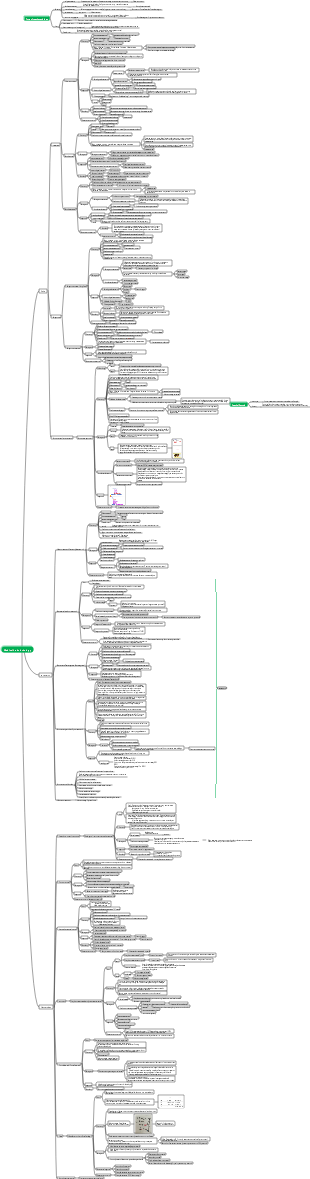
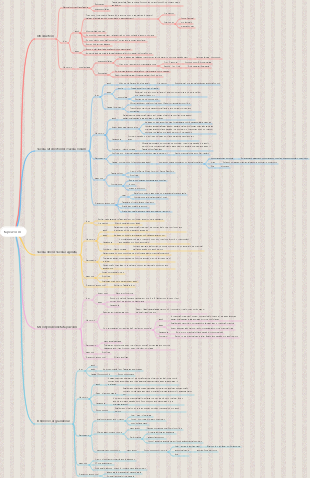
This is a mind map about medical parasite knowledge, including chapters on parasitic relationships and their evolution, parasite life history, types of parasites and hosts, and the mutual relationship between parasites and hosts. Full of useful information, welcome to use.
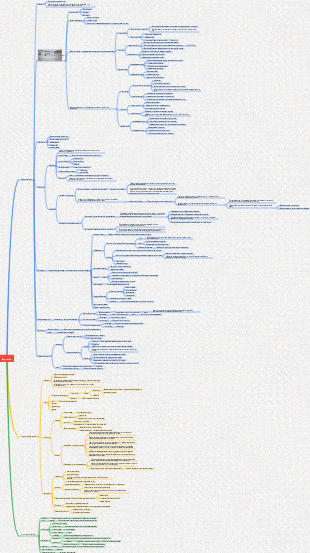
Edited at 2023-11-16 17:49:05This is a mind map about bacteria, and its main contents include: overview, morphology, types, structure, reproduction, distribution, application, and expansion. The summary is comprehensive and meticulous, suitable as review materials.

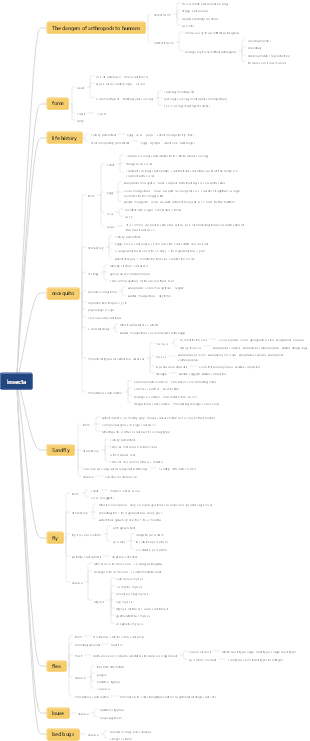
This is a mind map about plant asexual reproduction, and its main contents include: concept, spore reproduction, vegetative reproduction, tissue culture, and buds. The summary is comprehensive and meticulous, suitable as review materials.
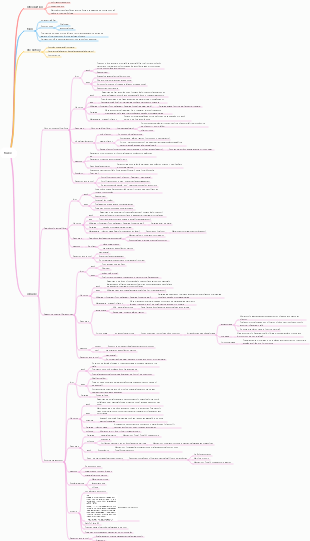
This is a mind map about the reproductive development of animals, and its main contents include: insects, frogs, birds, sexual reproduction, and asexual reproduction. The summary is comprehensive and meticulous, suitable as review materials.
This is a mind map about bacteria, and its main contents include: overview, morphology, types, structure, reproduction, distribution, application, and expansion. The summary is comprehensive and meticulous, suitable as review materials.
This is a mind map about plant asexual reproduction, and its main contents include: concept, spore reproduction, vegetative reproduction, tissue culture, and buds. The summary is comprehensive and meticulous, suitable as review materials.
This is a mind map about the reproductive development of animals, and its main contents include: insects, frogs, birds, sexual reproduction, and asexual reproduction. The summary is comprehensive and meticulous, suitable as review materials.
Summary
Parasitic relationships and their evolution
Parasitism and Parasitic Relationship
parasitic
Symbiosis/symbiosis
Mutualism
Parasite life history, types of parasites and hosts
Parasite life cycle
infection stage
type
direct type
protozoan
Entamoeba histolytica
Giardia lamblia
Trichomonas vaginalis
soil-transmitted worms
roundworms
Whipworm
hookworm
Pinworm
Indirect
Plasmodium
biogenic worms
Schistosoma
Filaria
Parasites and their types
obligate parasite
facultative parasites
ectoparasites
insect borne diseases
internal parasites
Opportunistic pathogenic parasites
Host and its type
Definitive host
Intermediate host
Insect-protecting host
Transfer host
The relationship between parasite and host
Damage caused by parasites to the host
plunder nutrients
mechanical damage
Toxicity and immune damage
Host resistance to parasites
defensive physiological response
Non-specific/specific immune response
result
The host can completely eliminate the parasite
The host can eliminate some parasites
The host cannot effectively control the parasite
Immunity to Parasitic Infections
include
innate immunity
adaptive immunity
elimination immunity
non-eliminating immunity
tapeworm immunity
accompanying immunity
immune evasion
mechanism
Isolation of anatomical parts
Plasmodium parasites living in red blood cells
Toxoplasma gondii cysts
changes in surface antigens
Antigenic variation
Molecular simulation and camouflage
Surface shedding and renewal
The worm's outer membrane is constantly shedding and renewing
Suppress host immune response
Depletion of specific B cell clones
Activate Treg cells
Schistosoma infection
insect-derived lymphocytotoxic factor
Generation of blocking antibodies
Schistosoma
hypersensitivity reaction
Type I
Antigens (dust mites, hydatid cysts, schistosomiasis) stimulate individuals to produce IgE
IgE binds to the IgE Fc receptor on the surface of mast cells and eosinophils
When the host is exposed to the same antigen again, the antigen binds to IgE that has been bound to mast cells/eosinophils, and a bridging reaction occurs.
Hypertrophy/eosinophil degranulation, release of inflammatory factors → telangiectasia, smooth muscle contraction, local inflammatory response, anaphylactic shock and death
Type II
(Kala-azar, malaria) parasite antigens adsorbed on the surface of red blood cells (target cells)
Target cell surface antigens bind to IgG and IgM
Complement activation, ADCC damages target cells
hemolysis, anemia
Type III
Parasite antigens and antibodies form immune complexes IC, which are deposited on the glomerular basement membrane/blood vessel wall → activate complement, inflammatory response with neutrophil infiltration → tissue necrosis
Schistosoma continuously releases antigens into the blood circulation
Type IV
T cell mediated
Schistosoma egg granuloma formation
Characteristics of parasitic infections
parasitic infection
parasitic disease
carrier
Features
chronic infection
invisible infection
larvae migrans
Visceral larva migrans
Cutaneous larva migrans
ectopic parasitism
Prevalence and prevention of parasitic diseases
popular basics
Source of infection
way for spreading
Transmitted by water
Entamoeba histolytica
Schistosoma cercariae
transmitted through food
spread through soil
Roundworms, whipworms, hookworms
Transmitted through air (droplets)
Pinworm
Transmitted by arthropods
Mosquitoes - malaria, filariasis
Sandflies—Kala-azar
Directly transmitted through human body
Trichomonas vaginalis
scabies mite
(route of infection)
mouth
Entamoeba histolytica, roundworms, whipworms, pinworms, Clonorchis sinensis, Cysticercus suum
skin
hookworm, schistosomiasis
vector insect
Plasmodium, filarial parasites
placenta
Toxoplasma gondii, hookworm duodenum
respiratory tract
Pinworm
blood transfusion
Plasmodium
autoinfection
Microhymenometa tapeworm
susceptible
Factors affecting popularity
natural factors
biological factors
social factors
Popular features
local
Seasonal
natural foci
Prevention and control principles
Control sources of infection
Cut off transmission routes
Protect vulnerable groups