MindMap Gallery Medical Parasite - Entamoeba histolytica
This is a mind map about the knowledge content of the medical parasite - Entamoeba histolytica. It is full of useful information, interested friends can refer to it.
Edited at 2023-11-16 17:47:19This is a mind map about bacteria, and its main contents include: overview, morphology, types, structure, reproduction, distribution, application, and expansion. The summary is comprehensive and meticulous, suitable as review materials.

This is a mind map about plant asexual reproduction, and its main contents include: concept, spore reproduction, vegetative reproduction, tissue culture, and buds. The summary is comprehensive and meticulous, suitable as review materials.
This is a mind map about the reproductive development of animals, and its main contents include: insects, frogs, birds, sexual reproduction, and asexual reproduction. The summary is comprehensive and meticulous, suitable as review materials.
This is a mind map about bacteria, and its main contents include: overview, morphology, types, structure, reproduction, distribution, application, and expansion. The summary is comprehensive and meticulous, suitable as review materials.
This is a mind map about plant asexual reproduction, and its main contents include: concept, spore reproduction, vegetative reproduction, tissue culture, and buds. The summary is comprehensive and meticulous, suitable as review materials.
This is a mind map about the reproductive development of animals, and its main contents include: insects, frogs, birds, sexual reproduction, and asexual reproduction. The summary is comprehensive and meticulous, suitable as review materials.
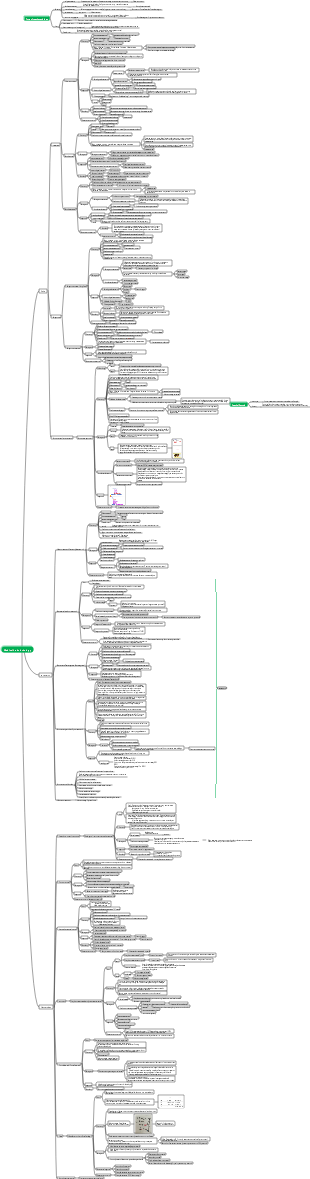
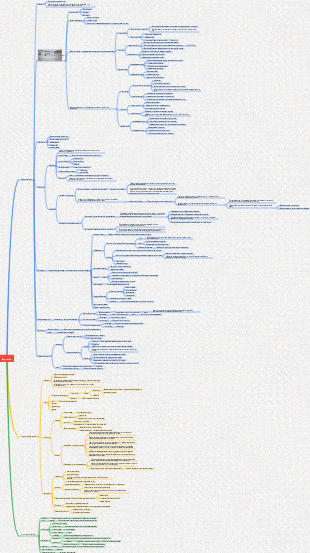
Entamoeba histolytica
protozoan
sports
flagellar movement
Trichomonas vaginalis
Giardia lamblia trophozoite
Leishmania
ciliary movement
Pseudopodial movement
Amoeba trophozoites
feeding
Penetration—Small Molecule Substances
Pinocytosis—macromolecules
Amoeba feeds on pseudopods
Phagocytosis - Protozoa with stomata or microstomes
Plasmodium, ciliates
reproduction
asexual reproduction
include
binary fission
Giardia
Ciliates
Multiple fission/split proliferation
Plasmodium intraerythrocytic and extraerythrocytic stages
budding
External budding—Plasmodium parasites inside the mosquito
Internal budding—Toxoplasma trophozoite
sexual reproduction
zygotic reproduction
Ciliates
Gametogenesis
Plasmodium in mosquito
form
trophozoites
The body shape is not fixed, the ectoplasm is transparent, the endoplasm is granular, and phagocytosis of red blood cells can be seen.
Vesicular nucleus, small nucleolus in the center, chromatin plasmid on the inner edge of the nuclear membrane
cyst
Round, with short rod-shaped pseudochromosomes in the cytoplasm
Immature cysts—glycogen vesicles
Mature cyst—4 nuclei
Vesicular nucleus, similar to the vesicular nucleus of the trophozoite but slightly smaller
life history
1 four-nucleated cyst → mouth → small intestine → excyst to form a four-nucleated posttrophozoite → 8 trophozoites (division proliferation) → settle in the colon mucosa → can invade the intestinal wall and reach the liver and brain through blood flow, or transform excreted into cysts
Source of infection
Those who continue to carry cysts
infection stage
Quad core cyst
Mode of infection
Mouth (food, water)
parasitic site
Colon, can migrate to liver, lungs, brain
Pathogenic stage
trophozoites
The destination of trophozoites
Form cysts and excrete them from the body
Invasion of intestinal mucosa → hematogenous dissemination → extraintestinal parasitism
Pathogenic
mechanism
Lectins mediate adhesion to host cells
Amebic perforin destroys target cells
Protease lyses target cells
Pathological changes
Primary tumor (amoebic enteritis/dysentery)
Intestinal mucosa bulging and congestion (colon, rectum, ileocecal area)
acute phase
Flask-like ulcer, intestinal perforation
Nausea and vomiting, localized abdominal pain, flatulence, tenesmus, bloody stools with strange odor
Chronic phase
Mucosal hyperplasia leads to amoebiasis
Secondary lesions (extraintestinal amoebiasis)
Liver (common), lung, brain abscesses, skin and reproductive system inflammation
diagnosis
stool
Normal saline smear method (commonly used in acute cases)
Iodine smear method (commonly used for chronic diseases)
Hematoxylin staining method
pathogen
Proctoscopy, puncture method (high detection rate)
Artificial culture (high detection rate of subacute and chronic)
Imaging (extraintestinal amoebic abscess)
immunity
ELISA (for emergencies)
nucleic acid
PCR (identification of insect species)
Popularity
tropical and subtropical regions
More men than women
Homosexuals, tourists, and people with immune deficiencies are at high risk
Prevention and control
basic goals
Heals invasive lesions on and off the field
Remove cysts from the intestinal lumen
treat
Amebic patients - metronidazole
Those with cysts—paromomycin, quiniodide, diclofenide
Extraintestinal amoebiasis - metronidazole, chloroquine
Traditional Chinese Medicine: Allicin and Pulsatilla as auxiliary treatment
prevention
Manure management
Protect water and food
Improve environmental sanitation and deworm
Strengthen health education