MindMap Gallery Medical parasites - tapeworms
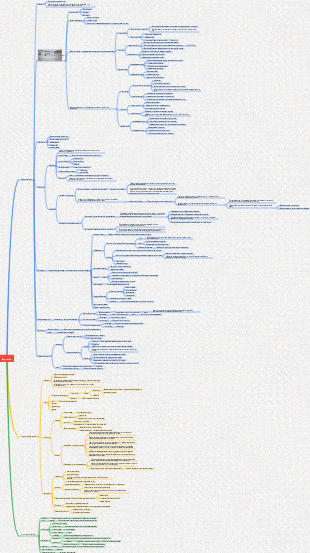
This is a mind map about the knowledge content of the medical parasite - tapeworm. It is full of useful information, interested friends can refer to it.
Edited at 2023-11-16 17:46:26This is a mind map about bacteria, and its main contents include: overview, morphology, types, structure, reproduction, distribution, application, and expansion. The summary is comprehensive and meticulous, suitable as review materials.

This is a mind map about plant asexual reproduction, and its main contents include: concept, spore reproduction, vegetative reproduction, tissue culture, and buds. The summary is comprehensive and meticulous, suitable as review materials.
This is a mind map about the reproductive development of animals, and its main contents include: insects, frogs, birds, sexual reproduction, and asexual reproduction. The summary is comprehensive and meticulous, suitable as review materials.
This is a mind map about bacteria, and its main contents include: overview, morphology, types, structure, reproduction, distribution, application, and expansion. The summary is comprehensive and meticulous, suitable as review materials.
This is a mind map about plant asexual reproduction, and its main contents include: concept, spore reproduction, vegetative reproduction, tissue culture, and buds. The summary is comprehensive and meticulous, suitable as review materials.
This is a mind map about the reproductive development of animals, and its main contents include: insects, frogs, birds, sexual reproduction, and asexual reproduction. The summary is comprehensive and meticulous, suitable as review materials.
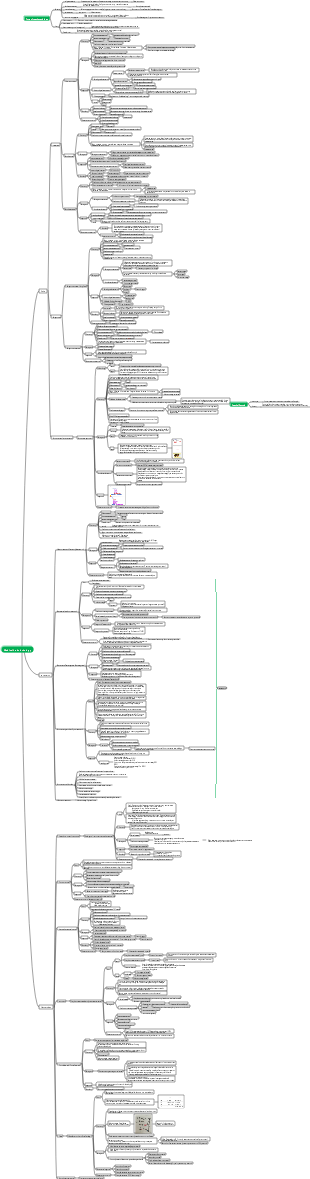
tapeworm
Introduction
Platyhelminthes Class Taenia
Roundeyes
Taenia catenifera, Taenia obese, Echinococcus granulosus, Microhymenocarpis tapeworm
pseudophyllales
form
adult
The body of the insect is flat and long, and the body is segmented (one set of male and female reproductive organs in each segment)
first section
Chain body
Young Festival
into festivals
pregnancy day
Most hermaphrodites
No mouth or digestive tract, relies entirely on body surface to absorb nutrients
No body cavity, body wall consists of cortex and subcutaneous layer
Suction cup at the head end
eggs
Round, outer layer (egg shell embryonic membrane)
Inside the egg is a mature larvae (hexapodia) with three pairs of small hooks
life history
middle stage
pseudophyllales
After the eggs are released, they must enter the water to continue development.
Hatched larvae - hookococci
Life history requires two intermediate hosts
First - Daphnia
Anchococcus→Protocercariae
Second - fish, frog
Protocercaria→Spargana
Roundeyes
An intermediate host, generally no intermediate host is needed
Eggs→Hexoncarcariae→Cysescercariae→Adult worms
Taenia cateniciformis/Taenia solium
form
adult
Milky white, flat and long like a belt
first section
Subspherical, with apical processes and small hooks
eggs
whole
The egg shell is thin and fragile
incomplete
Spherical, with a thick outer layer of embryonic membrane, brownish-yellow, with radial stripes on it
Containing six hookworms
Larvae (cysticerci)
White translucent oval cyst-like body filled with transparent cyst fluid
The scolex contains the mesenchymal layer that is inwardly turned and contracted.
life history
adult
Parasitizes the upper small intestine of humans (definitive host), and the eggs or gestational segments are excreted in the feces
Insect eggs, pregnancy period
Ingested by pigs and wild boars (intermediate hosts), hexapodia are hatched
Humans accidentally eat eggs or gestational worms (humans can also serve as intermediate hosts) and develop into cysticerci in the human body, but cannot continue to develop into adult worms → Cysticercosis
Hexapodia
Cysticerci develop in pigs (rice pork/bean pork) and parasitize muscles, brain, eyes
Cysticerci - infection stage
When a person eats pork containing cysticerci, the worms develop into adult worms in the human small intestine and begin to excrete cysticerci and eggs → Taenia solium Taeniasis
Pathogenic
Adult worms—intestinal tapeworms (infectious stage: cysticerci)
Gastrointestinal symptoms, Paiji tablets
Larvae—cysticercosis (infectious stage: eggs)
oppression, space occupation, chemical stimulation
subcutaneous and muscle
Soreness and weakness, subcutaneous nodules, pseudomuscular hypertrophy
brain
Epilepsy, increased intracranial pressure, psychiatric symptoms
Eye
blindness
diagnosis
Taenia solium
History of Pai Jie Slices, History of Eating Raw Pork
Stool test
Cysticercosis
Biopsy: subcutaneous masses and nodules
fundus
imaging, immunity
Prevention and control
treat
Betel nut-pumpkin seed method, praziquantel, mebendazole
Cysticercosis surgical removal of cysts
Take care of the toilet and the pigsty
Strengthen meat inspections
Strengthen health education and avoid eating raw pork
Taenia obese/Taenia saginata
form
Similar in appearance to Taenia solium, but longer and with more segments
first section
Slightly square, without apex
life history
adult
Parasitizes in the upper small intestine of the human (definitive host) body, and is excreted during pregnancy and eggs
eggs
Ingested by cows (intermediate host), hexapodia hatch out
Hexapodia
It circulates everywhere in the cow's body with the blood (mostly in the muscles) and develops into bovine cysticerci.
Cysticerci - infection stage
Humans eat raw beef containing bovine cysticerci, which adhere to the intestinal wall and develop into adult worms.
Pathogenic
Patients have no obvious symptoms or only have gastrointestinal symptoms
There are pregnancy spots escaping from the anus and itching at the porta of the liver.
Occasionally, it can lead to complications such as intestinal obstruction and appendicitis.
diagnosis
Ask about medical history
Stool test
Anal swab method to detect insect eggs
Prevention and control
Similar to Taenia solium
Microhymenometa tapeworm
form
Insect body
Slender, milky white
eggs
Round or oval, colorless and transparent, with 4 to 8 filaments bulging out from both ends of the embryonic membrane
Hexapodia
life history
Requires an intermediate host
Eggs → fleas (hexate larvae hatch out) → cysticerci → definitive host (human or mouse) → adult worms
No intermediate host required (self-reinfection possible)
adult
In the small intestine of mice or humans (definitive host), the eggs and shed gestational segments are excreted with the host's feces.
eggs
Swallowed by another host, hexacystic larvae hatch in the small intestine
Insect eggs can also hatch directly into hexagrams in the intestinal tract.
Hexapodia
Burrow into intestinal villi and develop into cysticercids
Cysticerci
Return to the intestinal cavity after 6 days and develop into adult worms
Pathogenic
mechanical damage
There are no symptoms when the infection is small, but nausea and vomiting, headache and irritability occur when the infection is large.
diagnosis
Stool test
Prevention and control
Kill rats and fleas
Echinococcus granulosus
form
adult
eggs
Indistinguishable from Taenia tapeworm eggs
Larvae (Echinococcus)
Echinococcus sand
life history
adult
It parasitizes the upper part of the small intestine of carnivores (definitive hosts) such as dogs and wolves, and the gestational segments and eggs are excreted in the feces.
Eggs—infectious stage
Swallowed by cattle, sheep, camels and other artiodactyls, and occasionally humans, horses, kangaroos, and primates (intermediate hosts), hexapodia hatch out
Hexapodia
It burrows into the intestinal wall, circulates through the blood to the liver, lungs and other organs, develops into Echinococcus, and can spread in the intermediate host.
Echinococcus
Swallowed by final hosts such as dogs and wolves, they develop into adult worms
Pathogenic
local compression and irritation
Liver - pain in liver area
Lungs—shortness of breath, chest pain
body surface mass
Allergic reactions and toxicity
mechanism
Caused by massive overflow of cyst fluid
Performance
Urticaria, asthma, angioedema
anaphylactic shock
Loss of appetite, anemia, weight loss, developmental disorders
secondary echinococcosis
mechanism
Echinococcus cyst rupture
Liver—enters the biliary tract
Biliary colic, high fever, chills, jaundice
abdominal cavity
acute diffuse peritonitis
lung
diagnosis
History of contact with cattle and sheep dogs
CT cyst examination
Etiological diagnosis—check for hydatid sand after surgery
Prevention and control
albendazole, praziquantel, mebendazole
Surgical removal of the capsule