MindMap Gallery Medical parasites—trematodes
This is a mind map about the knowledge content of medical parasites - flukes. It is full of useful information, interested friends can refer to it.
Edited at 2023-11-16 17:50:56This is a mind map about bacteria, and its main contents include: overview, morphology, types, structure, reproduction, distribution, application, and expansion. The summary is comprehensive and meticulous, suitable as review materials.

This is a mind map about plant asexual reproduction, and its main contents include: concept, spore reproduction, vegetative reproduction, tissue culture, and buds. The summary is comprehensive and meticulous, suitable as review materials.
This is a mind map about the reproductive development of animals, and its main contents include: insects, frogs, birds, sexual reproduction, and asexual reproduction. The summary is comprehensive and meticulous, suitable as review materials.
This is a mind map about bacteria, and its main contents include: overview, morphology, types, structure, reproduction, distribution, application, and expansion. The summary is comprehensive and meticulous, suitable as review materials.
This is a mind map about plant asexual reproduction, and its main contents include: concept, spore reproduction, vegetative reproduction, tissue culture, and buds. The summary is comprehensive and meticulous, suitable as review materials.
This is a mind map about the reproductive development of animals, and its main contents include: insects, frogs, birds, sexual reproduction, and asexual reproduction. The summary is comprehensive and meticulous, suitable as review materials.
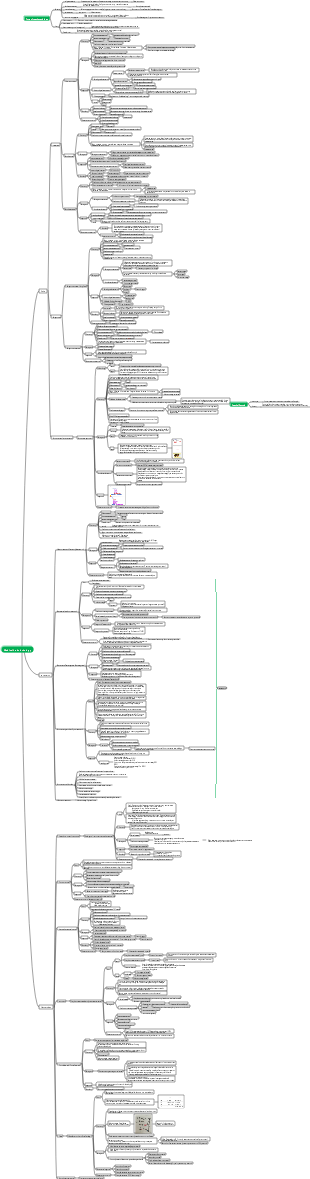
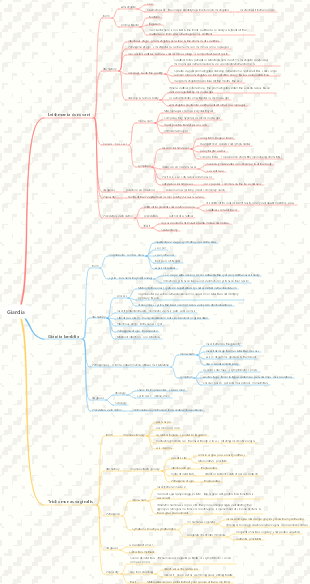
fluke
Introduction
soil-transmitted worms
biogenic worms
Platyhelminthes, class Flukes, and the flukes that parasitize the human body all belong to the order Polyzoa.
form
dorsoventrally flat
2 suction cups
Oral sucker
abdominal sucker
The intestine is divided into two left and right branches extending toward the rear end of the insect body, forming a closed blind end.
Hermaphroditic (Schistosoma japonicum is dioecious) with egg cover
life history
Complex, inseparable from water
Generational alternation (sexual and asexual alternation)
Host switching
include
Clonorchis sinensis/liver fluke
form
adult
The body is long and narrow, dorsally and ventrally flat, the front end is slightly narrow, and the rear end is blunt, shaped like a sunflower seed, without spines on the body surface, androgynous.
See overview
eggs
Shaped like sesame, light yellowish brown
One end is narrower and has an egg cover
Acromion (thickening of the egg shell around the egg cover)
Eggs containing miracidia
life history
adult
Parasitizes the liver and bile ducts of humans (definitive hosts) and cats, dogs and pigs (parasitoid hosts), and is occasionally found in the pancreatic ducts
egg
The bile is excreted in the feces and enters the water, where it is swallowed by freshwater snails (the first intermediate host) and hatches into miracidia.
Milcariae → Cycariae → Thunderlarvae → Cercariae (inside freshwater snails)
Cercariae escape from the snail and enter the water
Cercariae
When encountering freshwater fish in the water, shrimps (the second intermediate host) invade their muscles and develop into metacercariae.
Metacercaria – stage of infection
Fish and shrimp are swallowed by the definitive host and develop into adult worms in the liver and bile ducts
Pathogenic
Clonorchiasis/liver fluke
Liver damage (major)
Fibrous tissue hyperplasia → thickening of the bile duct wall → worms blocking the bile duct → poor bile flow
biliary cirrhosis
clinical manifestations
mild infection
No obvious clinical symptoms
severe infection
Acute phase - allergic reaction (not obvious in most patients)
Chronic - various symptoms of the digestive tract, hepatosplenomegaly (the patient gradually appears after several years)
Severe infection (symptoms may be more severe in children and adolescents)
Dizziness, weight loss, edema, anemia, cirrhosis, death
diagnosis
Pay attention to distinguishing it from viral hepatitis, cholecystitis, gallstones, etc.
Pay attention to asking about medical history
Pathological examination
Detection rate: duodenal bile drainage > egg collection method > modified Kato thick smear method
Popularity
Guangdong has the most (all in China except Qinghai, Ningxia, Inner Mongolia, Tibet, etc.)
Prevention and control
Controlling the source of infection—Treatment—praziquantel
Cut off transmission routes—strengthen feces management
Protect susceptible people—don’t eat undercooked fish and shrimp
Fasciolopsis/intestinal fluke
form
adult
Huge oblong shape, flat dorsoventrally, narrow front and wide back, fleshy red, rich and thick muscles
See overview
eggs
Long oval, light yellow
The largest worm egg among human parasites
There is an inconspicuous egg cover at one end
life history
adult
Parasitizes in the upper part of the small intestine of humans (definitive host) and pigs (insect-protecting host), and the eggs enter the water with the feces
egg
The miracidia hatch out and invade the snail (intermediate host)
Milcariae → Cycariae → Thunderlarvae → Cercariae (inside the snail)
Cercariae enter the water
Cercariae
develop into metacercariae in water
Metacercaria - infection stage (fear of dryness and high fever)
Devoured by final host
Water chestnut, water chestnut (medium)
Pathogenic
Fasciolopsis (adolescents are susceptible)
Mechanical injury, hypersensitivity reaction
Abdominal pain, diarrhea, intestinal obstruction
diagnosis
Stool test
saline smear method
sedimentation egg collection method
Prevention and control
praziquantel
Strengthen feces management
Do not eat water chestnuts and other aquatic fruits raw
Paragonimus westeri / Paragonimus
form
adult
Thick soybean size, red flesh
Overview
eggs
golden yellow, oval
The front end is wide and the back end is narrow, with a flat egg cover.
life history
adult
Parasitizes in the lungs of humans (definitive host) and carnivorous mammals (parasitized host) (ectopic parasitism: liver, brain, subcutaneous and muscle), and the eggs enter the water with sputum/feces
eggs
Milcariae hatch and invade freshwater snails (the first intermediate host)
Milcariae → Cycariae → Thunderlarvae → Cercariae (inside the snail)
Cercariae are ingested by river crabs and mantis crickets (second intermediate hosts) and develop into metacercariae
Metacercaria – stage of infection
When crabs and crickets are ingested by humans, the metacercariae mature into larvae in the upper part of the small intestine and begin to migrate.
Pathogenic
acute phase
Mild - general symptoms
Fever, fatigue, loss of appetite, abdominal pain and diarrhea
Severe case - systemic allergic reaction
Chronic phase
thoracopulmonary type
Cough, chest pain, rust-colored bloody sputum
Intrapulmonary pathological stage
abscess stage
Migration of parasites causes tissue destruction, bleeding, and secondary infection
The lesion is tunnel-shaped, with infiltration of blood, neutrophils, eosinophils and other inflammatory cells.
Produces granulation tissue to form the cyst wall
cyst stage
A large number of inflammatory cells infiltrate, produce granulation tissue, and form cysts on the bronchial wall
fibrous scar stage
The parasite dies or migrates to other places, and the contents in the cyst are expelled and filled with fibrous tissue.
diagnosis
sputum
Sodium hydroxide centrifugal sedimentation microscopy
stool
sedimentation egg collection method
Prevention and control
praziquantel
Do not eat raw freshwater crabs and crickets, and do not drink raw water
Schistosoma japonicum
form
adult
Dioecious, the female is located in the gynecomastia groove and mates with the male
The insect body is cylindrical and looks like a nematode
The oral and abdominal suckers are located at the front of the insect body
eggs
Oval, light yellow
There is no egg cover, and there are small comma-shaped spines on one side of the egg shell.
Contains mature miracidia, and oily drop-like miracarial secretions can be seen between the miracidia and egg cases.
Cercariae
Forked tail type
life history
adult
Parasitizes the portal-mesenteric venous system of humans (definitive hosts), buffalo and other mammals (insect-protecting hosts), and egg deposition can occur
eggs
Mature eggs are in the blood and cannot hatch in the intestines. They can only hatch under certain conditions when they enter the water with feces and hatch out miracidia.
miracidia
Invades Hubei snails (intermediate host) and reproduces asexually to produce giant polycercariae
Cercariae – infection stage
It invades through contact with human skin in water (mode of infection). It becomes a child worm when it invades and matures.
child bug
Migration: skin → lung → liver → mesenteric vein
Pathogenic
Cercariae
cercarial dermatitis
Mechanism—Type I, Type IV Hypersensitivity
child bug
pneumonia
Hot flashes, back pain, cough, loss of appetite, diarrhea
Mechanism—hypersensitivity due to mechanical damage and metabolites
adult
Endophlebitis
Mechanism—Intravascular movement using oral and abdominal suction cups Type III hypersensitivity
Eggs – the main stage of pathogenic insects
Deposited in small veins of liver and intestinal wall, forming granulomas
He Boli phenomenon
Main line cirrhosis
Mechanism—Type IV hypersensitivity reaction
diagnosis
Proctoscopy biopsy
smear method to check for eggs
miracarial hatching method
Popular area type
Water network type
lake swamp type
hill type
immunity
non-eliminating immunity
accompanying immunity
Early Th1, late Th2
The main cause of pathological damage to the host
There is an immune evasion mechanism, which is complex
Prevention and control
Snail eradication, manure management, safe water supply
Artemisinin