 Wondershare EdrawMind
MindMap Gallery 【Human Parasitology】Medical Protozoology
- 91
【Human Parasitology】Medical Protozoology
[Human Parasitology] Mind map of medical protozoology. Protozoa are single-cell eukaryotes and belong to the subkingdom of protozoa. The movement of protozoa is mainly completed by motor organelles.
Edited at 2023-10-30 10:44:25
- bacteria
This is a mind map about bacteria, and its main contents include: overview, morphology, types, structure, reproduction, distribution, application, and expansion. The summary is comprehensive and meticulous, suitable as review materials.
- Plant asexual reproduction
This is a mind map about plant asexual reproduction, and its main contents include: concept, spore reproduction, vegetative reproduction, tissue culture, and buds. The summary is comprehensive and meticulous, suitable as review materials.
- Reproductive development of animals
This is a mind map about the reproductive development of animals, and its main contents include: insects, frogs, birds, sexual reproduction, and asexual reproduction. The summary is comprehensive and meticulous, suitable as review materials.
【Human Parasitology】Medical Protozoology
- bacteria
This is a mind map about bacteria, and its main contents include: overview, morphology, types, structure, reproduction, distribution, application, and expansion. The summary is comprehensive and meticulous, suitable as review materials.
- Plant asexual reproduction
This is a mind map about plant asexual reproduction, and its main contents include: concept, spore reproduction, vegetative reproduction, tissue culture, and buds. The summary is comprehensive and meticulous, suitable as review materials.
- Reproductive development of animals
This is a mind map about the reproductive development of animals, and its main contents include: insects, frogs, birds, sexual reproduction, and asexual reproduction. The summary is comprehensive and meticulous, suitable as review materials.
- Recommended to you
- Outline
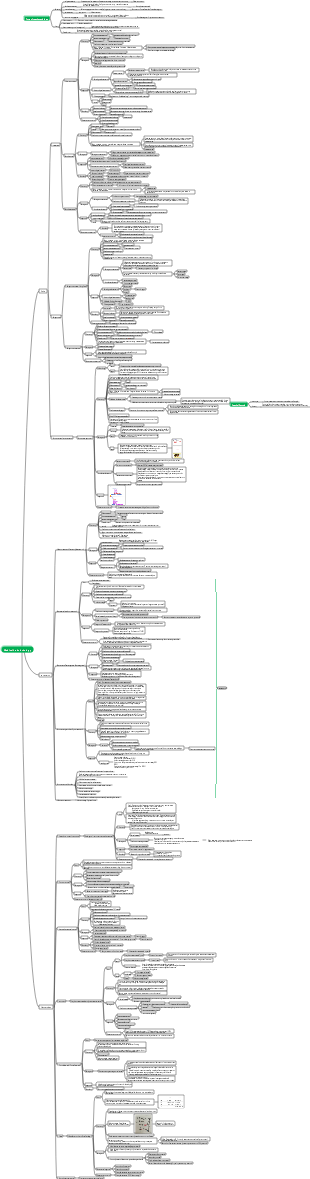
Medical protozoology
Leaf-footed insect
Entamoeba histolytica
form
trophozoite
1. The size of the trophozoite of Entamoeba histolytica is 12 to 60 rlm. It moves with the help of single-directional pseudopodia. It has a transparent ectoplasm and an endoplasm rich in granules. It has a spherical vesicular nucleus with a diameter of 4 to 7 At the same time, there is a single layer of evenly distributed and uniformly sized perinuclear chromatin granules at the edge of the thin nuclear membrane.
The nucleolus is small, 0.5 microns in size, often centered, and surrounded by fine, colorless filamentous structures. In sterile culture medium, trophozoites often have more than 2 nuclei. Trophozoites isolated from tissues of symptomatic patients often contain ingested red blood cells and sometimes white blood cells and bacteria.
cyst
The process of trophozoites forming cysts in the intestinal lumen is called encyslation
Trophozoites cannot form cysts in organs or the outside world outside the intestinal lumen. In the intestinal lumen, the trophozoites gradually shrink and stop moving, turning into a nearly spherical precyst, and then turn into a single-nucleated cyst and undergo secondary nuclear division.
There is a short rod-shaped nutrient storage structure in the cytoplasm called a chmmatoid body. The morphology of pseudochromosomes has significance in identifying insect species.
life history
Entamoeba histolytica has a simple life cycle, including an infectious cyst stage and a proliferative trophozoite stage.
Humans are suitable hosts, but monkeys, cats, dogs, rats, etc. can also be used as accidental hosts.
People often become infected by ingesting food or drinking water contaminated with cysts.
In the neutral or alkaline environment of the terminal ileum or colon, the worms in the cysts escape from the cysts with the help of their own movement and the action of intestinal enzymes.
The 4-nucleosome develops into 8 trophozoites through three cytokinesis and one nuclear division, and then ingests bacteria in the upper part of the colon and undergoes binary fission proliferation.
The trophozoites that fall off with the necrotic tissue and enter the intestinal cavity can be excreted with the feces. The trophozoites can only survive for a short time in the external environment. Even if they are swallowed by the host, they will be killed by the digestive juice when passing through the upper gastrointestinal tract.
During the process of the trophozoite moving downward in the intestinal lumen, as the intestinal contents are dehydrated and stimulated by environmental changes and other factors, a round pre-cyst can be formed, and then the cyst material can be secreted to form a cyst, and then undergo secondary nuclear division. Formation of 4-core cysts and excreted with feces
Cysts can survive in external moist environments and remain infectious for several days to 1 month, but they are prone to death in dry environments.
Pathogenic
Pathological changes
Trophozoites first adsorb to intestinal epithelial cells through lectins, and then secrete perforin and cysteine proteases to destroy the intestinal mucosal epithelial barrier and penetrate cells, and finally kill the host intestinal epithelial cells and immune cells, causing ulcers.
Entamoeba histolytica infection can cause intestinal and extraintestinal amoebiasis.
Intestinal amoebiasis mostly occurs in the cecum or appendix, and can also easily involve the sigmoid field, ascending colon, and occasionally the ileum.
Amoeboma is a proliferative response of the colon mucosa to amoeba stimulation, which is mainly tissue granuloma accompanied by chronic inflammation and fibrosis. Although only 1% to 5% of patients are accompanied by amoebiasis, differential diagnosis with tumors is required.
Entamoeba histolytica invades extraintestinal tissues and organs, causing extraintestinal amoebiasis. The pathological characteristics of extraintestinal amebiasis are sterile and liquefied necrosis, surrounded by mainly lymphocyte infiltration and rarely accompanied by neutrophils.
clinical manifestations
(1) Intestinal amoebiasis
Common sites are the cecum and ascending colon, followed by the rectum, sigmoid colon and appendix. Sometimes the entire large intestine and part of the ileum can be involved.
The clinical course can be divided into acute or chronic
Clinical symptoms in the acute phase range from mild, intermittent diarrhea to fulminant, fatal dysentery.
Typical amoebic dysentery often has diarrhea, several or dozens of times a day, and the stool is jam-colored, with a strange odor and blood and mucus. 80% of patients have localized abdominal pain, flatulence, tenesmus, anorexia, and nausea. Vomiting, etc.
Acute fulminant dysentery is a severe and fatal form of intestinal amoebiasis, more common in children
The acute type can suddenly develop into an acute fulminant type. Patients have large amounts of mucus and bloody stools, fever, hypotension, widespread abdominal pain, strong and persistent tenesmus, nausea, vomiting, and ascites. 60% of patients may develop intestinal perforation. Can develop extraintestinal amoebiasis
Chronic amebiasis manifests as intermittent diarrhea, abdominal pain, flatulence and weight loss over the long term, which can last for more than 1 year or even 5 years.
(2) Extraintestinal amoebiasis
It is amebiasis caused by trophozoites from the intestinal submucosa or muscular layer entering the veins and spreading to other organs through menstrual blood. Amebic liver abscess is the most common.
Patients are more common in young men. Abscesses are more common in the right lobe of the liver, and are mainly located on the top of the right lobe.
Liver abscess occurs in 10% of cases of intestinal amoeba. Clinical symptoms include right upper quadrant pain that can radiate to the right shoulder, fever, hepatomegaly with tenderness, chills, night sweats, anorexia and weight loss, and a small number of patients may even develop jaundice. In the early stages of liver abscess, a pink color can be seen on puncture Pus, chocolate sauce-like pus can be seen on late puncture, the pus is viscous and trophozoites can be detected.
Liver abscess can rupture the chest (10% to 20%) or abdominal cavity (2% to 7.5%). In a few cases, it can rupture into the pericardium. If the liver abscess ruptures into the pericardium, it is often fatal.
Multiple pulmonary amoebiasis often occurs in the lower lobe of the right lung. It is often caused by a liver abscess that penetrates the diaphragm and invades the chest. It mainly includes chest pain, fever, cough and chocolate sauce-like sputum.
immunity
Entamoeba histolytica can destroy the host's natural barrier and invade the intestinal wall and invade tissues with blood circulation. The anti-amoeba immune response mediated by macrophages is an important factor in the host's resistance to amoeba infection.
Macrophages play an important role in amoeba killing and antigen presentation.
In the early stages of infection, protective immunity is mainly a cell-mediated immune response, while humoral immunity only plays a supporting role.
During active infection, parasite antigens can regulate the reactivity of macrophages and T cells. Especially in the acute phase of hepatic amebiasis, the body is in a state of temporary immunosuppression, which is conducive to the survival of the parasite.
Experimental diagnosis
etiological diagnosis
saline smear method
Fecal examination remains the most effective method for diagnosing intestinal amoebiasis.
This method can detect active trophozoites in loose stools or purulent and bloody stools, often accompanied by red blood cells and a small number of white blood cells that adhere into clusters. Red blood cells ingested by the parasite can be seen in the trophoblast. Trophozoites will die quickly under the influence of urine or water, so the temperature should be maintained at 25 to 30 °C to quickly detect and prevent urine contamination.
iodine smear method
In vitro culture
Nucleic acid diagnosis
serological diagnosis
Imaging diagnosis
Differential diagnosis
Epidemic and prevention
spread and popularity
Transmission and Epidemic Entamoebiasis histolytica has a worldwide distribution, with higher infection rates in tropical and subtropical regions such as India, Indonesia, the Sahara Desert, tropical Africa, and Central and South America.
The average infection rate of the Chinese population is about 0.949%, and the number of infected people is estimated to be 10.69 million, mainly in the northwest, southwest and north China. The infection rate in Yunnan, Guizhou, Xinjiang, Gansu and other places exceeds 2%.
treat
The treatment of amoebiasis has two basic goals, one is to cure the invasive lesions inside and outside the intestines, and the other is to clear the cysts in the intestinal lumen.
Metronidazole is currently the drug of choice for the treatment of amebiasis. Metronogar is suitable for patients with acute or chronic invasive intestinal amoebiasis, and is almost 100% absorbed when taken orally.
prevention
Amebiasis is a worldwide public health problem. While treating the disease, comprehensive measures must be taken to prevent infection. Specific methods include harmless treatment of feces to kill cysts; protecting water sources and food , free from pollution; improve environmental sanitation and get rid of harmful insects; strengthen health education to improve self-protection capabilities
Giardia
Leishmania donovani
form
Amastigotes, also referred to as Leishman-Donovan bodies (I, D bodies), are parasitic in mononuclear phagocytes of humans and other mammals. The insect body is small and oval
After staining with Reiter's stain, the cytoplasm appears light blue or light red.
There is a large and obvious round nucleus inside, which is red or lavender.
The kinetoplast is located next to the nucleus. It is darkly colored, small, and rod-shaped. When magnified at a higher magnification, a rhizoplast can be seen emitting from the granular basal body at the front end of the insect body. The basal body and rhizome are difficult to distinguish under an ordinary microscope.
life history
Develops inside the sandfly
Female larvae suck blood, male larvae do not.
When a female sandfly stings a patient or infected animal host, macrophages containing amastigotes in the blood or skin are sucked into the stomach. After 24 hours, the amastigotes develop into early promastigotes.
At this time, the insect body takes on an oval shape and the flagellum begins to protrude from the body. After 48 hours, it develops into a thick and short promastigote or a fusiform promastigote. The body shape gradually changes from oval to a wide spindle or a spindle with a length exceeding 3 times the width. At this time, the flagellum also changes from short to long.
On the 3rd and 4th day, a large number of mature promastigotes appeared, their activity was significantly enhanced, and they reproduced by longitudinal binary fission. While the number increased sharply, the insects gradually moved to the forest fly's stomach, esophagus and pharynx.
One week later, a large number of infectious promastigotes accumulate in the mouth and beak. At this time, when the sandfly stings a healthy person, the promastigotes enter the human body along with the sandfly saliva.
develop in human body
When a female sandfly infected with promastigotes stings a human body and sucks blood, the promastigotes enter the subcutaneous tissue of the human body along with the saliva secreted by the sandflies.
Part of the promastigotes can be phagocytosed and eliminated by polymorphonuclear leukocytes, and part of them can be phagocytosed into human macrophages.
After the promastigote enters the macrophage, it gradually becomes round, loses the external part of its flagellum, and transforms into the amastigote stage.
At this time, worm-containing vacuoles are formed in macrophages. Amastigotes can not only survive in macrophages, but also divide and reproduce. Massive proliferation of amastigotes eventually leads to macrophage rupture.
The free amastigotes enter other macrophages and repeat the above proliferation process.
Pathogenic
Visceral leishmaniasis
fever
Swelling of the spleen, liver, and lymph nodes
anemia
Common complications
nodal visceral leishmaniasis
The main clinical manifestation is lymphadenopathy in multiple parts of the body, especially in the groin and thigh, followed by the neck, armpit and upper trochlea, and thirdly behind the ear, supraclavicle and armpit, with no obvious local tenderness or redness. Leishmania can often be detected when lymph nodes are removed and serially sectioned. The general condition of most patients is good, but a few may have low-grade fever and fatigue. The liver and spleen are rarely palpable, and eosinophils are often increased. Most patients with this disease can recover on their own.
Post-kala-azar cutaneous leishmaniasis
Many skin nodules containing Leishmania appear on the patient's face, limbs or trunk. The nodules are granulomas of varying sizes or dark papules. They are common on the face and neck, and some resemble tumor-type leprosy.
Cutaneous leishmaniasis
Cutaneous leishmaniasis is found in the Karamay region of Xinjiang, my country. It mainly includes four types of skin diseases: papules, plaques, ulcers and nodular prurigo. A few of them are pustules and impetigo-like.
immunity
Leishmania parasites and reproduces within macrophages, and its antigens can be expressed on the surface of macrophages.
The host's immune response to Leishmania belongs to cellular immunity. Its effector cells are activated macrophages, which kill amastigotes through the production of reactive oxygen species in the cells. They also cause necrosis of macrophages containing amastigotes and eliminate the parasites. , this phenomenon is obvious in cutaneous leishmaniasis.
Recent research results suggest that antibodies are also involved in the host's immune response to Leishmania.
The human body has no innate immunity to Leishmania donovani, but it can develop stable acquired immunity after recovery from Leishmania disease, which can resist reinfection by the same Leishmania parasite.
Experimental diagnosis
Pathological examination
puncture examination
smear method
The bone marrow aspiration smear method is the most commonly used.
Cultivation method
animal vaccination method
skin biopsy
immunological diagnosis
Antibody testing
Circulating Antigen Test
molecular biology methods
PCR method
Rapid test strip method
Popularity
Anthropoid
canine type
natural foci
Prevention and control
treat patients
The pentavalent zinc agent sodium zinc gluconate, the domestic preparation is Sdbiihexonas, has good efficacy.
For a small number of patients who are ineffective after repeated treatments with pentamidine, they can be treated with aromatic pentamidine such as pentamidine or stilbamidine, or used in combination with pentavalent diazepam for better results.
Kill sick dogs
Killing of Sick Dogs Sick dogs should be checked regularly, detected early, and hunted early. Hunting and killing sick dogs is the key to the prevention and control of canine leishmaniasis in endemic areas.
Prevention and Control of Communication Media
Trichomonas vaginalis
Morphology and life history
Trichomonas vaginalis has only trophozoites but no cysts. 1 axis column, slender and transparent, runs through the body of the insect and extends out of the body from the rear end. In the front 1/2 of the outside of the body, there is an undulating membrane, and its outer edge is connected to the posterior flagellum extending backward. The insect body moves forward with the help of the flagellum swing, and performs rotational movement with the fluctuation of the undulating membrane. There are deeply stained granules in the cytoplasm, which are hydrogenosomes unique to this insect.
The living body is colorless and transparent, has refractive properties, has a changeable body shape and strong mobility.
After fixation and dyeing, it is pear-shaped, with a body length of 7 to 23 microns. There is a vesicular nucleus at the front end. There are 5 trichomes arranged in a ring on the upper edge of the nucleus, from which 5 flagella are emitted: 4 anterior flagella and 1 posterior flagellum. flagellum.
Trophozoites mainly parasitize the female vagina and occasionally invade the urethra. Infected men generally live in the urethra and prostate, but can also invade the testicles, epididymis and subcutaneous tissue.
J worms reproduce by longitudinal binary fission. The trophozoite is both the reproductive, infectious and pathogenic stage. The insect is spread among humans through direct or indirect contact.
Pathogenic
The pathogenicity of Trichomonas vaginalis varies with the physiological state of the host. Under normal circumstances, the internal environment of the vagina of healthy women remains acidic (pH 3.8~4.4) due to the action of lactobacilli, which can inhibit the growth and reproduction of parasites and bacteria. This is called the self-purification effect of the vagina.
When Trichomonas parasitizes the vagina, it consumes glycogen, hinders the glycolysis of Lactobacilli, reduces the concentration of lactic acid, and changes the pH of the vagina from the original acidic to neutral or alkaline, thereby destroying the "self-purifying effect of the vagina." , allowing Trichomonas to multiply in large numbers and promote secondary bacterial infection, aggravating the inflammatory response.
When physiological changes occur in the genitourinary system, such as during pregnancy or after menstruation, the vaginal pH is close to neutral, which is conducive to the growth and reproduction of trichomonas and bacteria.
The damage caused by this parasite to vaginal epithelial cells is a contact-dependent cytopathic effect. The parasite exerts its killing effect by contacting and adhering to target cells. Experiments have shown that at least four proteins on the surface of the insect are involved in the pathogenic cell adhesion process.
Secondly, the parasite has the function of engulfing vaginal epithelial cells and is also one of its pathogenic factors.
Although many women are infected with Trichomonas vaginalis, they have no clinical symptoms or the symptoms are not obvious; some infected people have obvious symptoms and signs of vaginitis. The most common complaints of patients are vaginal itching or burning sensation and increased leucorrhea. Vaginal endoscopy shows an increase in secretions, which are gray-yellow, bubbly, smelly, and also milky white liquid secretions. When accompanied by bacterial infection, the leucorrhea appears pus-like or pink. When trichomonas invades the urethra, symptoms such as frequent urination, urgency and painful urination may occur. Infection in men can also cause symptoms such as dysuria, nocturia, prostatitis and tenderness, and epididymitis. Some scholars believe that Trichomonas vaginalis can phagocytose sperm, and the increase in secretions after infection affects sperm motility and leads to infertility.
Experimental diagnosis
Take the secretions from the posterior vaginal fornix, urine sediment or prostate secretions and conduct direct smear or stained smear microscopy. If trophozoites are detected, the diagnosis can be confirmed.
Popularity
Trichomonas vaginalis has a worldwide distribution and is also widespread in China. The infection rate varies from place to place, with the highest infection rate among women in the 16-35 age group. Patients with trichomonal vaginitis, asymptomatic carriers or male carriers are all sources of infection
Prevention and control
Asymptomatic carriers and patients should be treated promptly to reduce and control the source of infection
Both couples or sexual partners should be treated at the same time to achieve a radical cure.
The commonly used oral drug in clinical practice is metronidazole (Metronidazole).
Sporaria
Plasmodium
Our country mainly has Plasmodium vivax and Plasmodium falciparum, Plasmodium malariae is rare, and Plasmodium ovale is rare. Plasmodium knowlesi that infects forest monkeys has caused multiple malaria outbreaks in Southeast Asia, especially in Malaysia, and is therefore listed as the fifth type of malaria parasite that can infect humans.
form
The basic structure includes the nucleus, cytoplasm and membrane. In each subsequent stage of the cyclic body, there is still pigment, the final product of digestion and decomposition of hemoglobin.
After the blood film is stained with Giemsa or Reiter's stain, the nucleus appears purple-red, the cytoplasm appears sky blue to dark blue, and malaria pigment appears brown, tan, or dark brown.
Morphology of Plasmodium during development in liver cells
The sporozoites that invade the liver cells are slender in shape, about 11 microns in length and 1.0 microns in diameter. They are often bent into a C-shape or S-shape. The front end is slightly thinner, the top is flatter, the back end is blunt, and the body surface is smooth.
The epidermis consists of an outer membrane, a double inner membrane, and a layer of subepidermal microtubules.
Submembranous microtubules extend from the polar ring backward to the nucleus or terminate slightly beyond the nucleus. The weak movement of the worm may be caused by the expansion and contraction of microtubules under the membrane.
There are 3 to 4 polar rings on the top of the front end of the sporozoite. The cell has one nucleus and is elongated. There is a pair of electron-dense rod-like bodies (rhoptry), which may open to the top ring. In front or behind the nucleus, there are a large number of micronemes, which are round, oval or elongated.
The sporozoites that invade the liver cells gradually turn into a round shape and continue to grow in size. The nucleus begins to divide, but the cytoplasm of the parasite has not yet divided. At this time, the parasite enters the early schizont stage or is called the immature schizont stage.
Subsequently, the nucleus divides repeatedly, and the cytoplasm also divides accordingly. Each nucleus is surrounded by part of the cytoplasm, forming a merozoite, which is a mature schizont.
Finally, the merozoites released by the hepatocytes enter the peripheral blood, invade red blood cells, and initiate the development of intraerythrozoic Plasmodium.
Morphology of Plasmodium at various stages of development in red blood cells
trophozoite
It is the stage in which Plasmodium feeds, grows and develops in red blood cells. According to the order of development, trophozoites are divided into early and late stages.
Early trophozoites have small nuclei, little cytoplasm, and vacuoles in the middle. The bodies are mostly ring-shaped, so they are also called ring bodies.
Later, when the parasite becomes larger, the nucleus also enlarges, the cytoplasm increases, sometimes pseudopods extend, and malarial pigments begin to appear in the cytoplasm.
The red blood cells parasitized by Plasmodium vivax and Plasmodium ovale can become enlarged, deformed, and lighter in color, often with obvious red Schilffne/s dots (a cyst that extends from parasitic vacuoles to the red blood cell membrane). bubble structure)
Red blood cells parasitized by Plasmodium falciparum have thick purple-brown Maurer’s dots; red blood cells parasitized by Plasmodium malariae may have Zieman’s dots. This is called late trophozoite, also known as macrotrophozoite
Schizont
The late trophozoite matures and the nucleus begins to divide, which is called a schizont.
The nucleus divides repeatedly, and finally the cytoplasm divides. Each nucleus is surrounded by part of the cytoplasm and becomes a merozoite. The early schizont is called an immature schizont.
The late stage schizont contains a certain number of merozoites and the malaria pigment has been concentrated into agglomerates, which is called mature schizont.
gametophyte
After Plasmodium has multiplied several times, some merozoites invaded red blood cells and grew up. The nuclei enlarged without dividing anymore, and the cytoplasm increased without pseudopodia. Finally, they developed into round, oval or crescent shapes. individuals, called gametophytes
Gametophytes are divided into male and female (or large and small):
The female (large) gametocytes of Plasmodium vivax are larger, with dense cytoplasm, numerous and thick malaria pigments, and a dense nucleus that is located on one side or in the middle of the body;
The male (small) gametophyte has a smaller body, thin cytoplasm, less and smaller malarial pigments, and a loose, larger nucleoplasm located in the center of the body.
life history
develop in human body
extraerythrocytic phase
intraerythrocytic phase
The five species of malaria parasites that parasitize the human body have basically the same life cycle and require two hosts, humans and Anopheles mosquitoes. In the human body, it parasitizes in liver cells and red blood cells and undergoes schizogony. In red blood cells, in addition to schizoite proliferation, some merozoites form gametocytes and begin the initial development of sexual reproduction. In the mosquito, gamelogony is completed, followed by spore multiplication.
Developing in Anopheles mosquitoes
Nutritional metabolism
glucose metabolism
The glycogen storage of Plasmodium in the intraerythrocytic stage is very small, and glucose is the main energy source of Plasmodium in the intraerythrocytic stage. Parasitism of Plasmodium causes changes in the red blood cell membrane, which enhances the active transport of glucose through the membrane, or removes certain factors that inhibit transport, so that Plasmodium can continuously obtain glucose from the host's plasma for metabolism.
protein metabolism
The free amino acids obtained by Plasmodium are mainly from the hydrolysis products of hemoglobin in red blood cells, as well as amino acids and organic matter from the host's plasma and red blood cells.
Nucleic acid metabolism
lipid metabolism
Plasmodium has no lipid storage, nor can it synthesize fatty acids and cholesterol, and is completely dependent on the host's supply.
Pathogenic
incubation period
It refers to the time between the invasion of Plasmodium into the human body and the emergence of clinical symptoms, including the time for the development of protozoa in the outer red blood cell stage and the time required for the protozoa to proliferate to a certain number in the intraerythrocytic stage through offspring cleavage.
The length of the incubation period is closely related to the strain of protozoa that enters the human body, the number of spores and the body's immunity.
The incubation period of falciparum malaria is 7 to 27 days;
The incubation period of malaria malaria is 18 to 35 days;
The incubation period of malaria ovale is 11-16 days;
The short incubation period of vivax strains is 11 to 25 days, and the long incubation period is 6 to 12 months or longer.
Malaria attack
A typical malaria attack is characterized by three consecutive stages: chills, high fever, and fever-reducing sweating.
The attack is caused by intraerythrocytic schizophrenia. After several generations of intraerythrocytic schizophrenia, the density of protozoa in the blood reaches the fever threshold.
Since intraerythrocytic schizoid proliferation is the basis of malaria attacks, the attacks are cyclical, and this cycle is consistent with the intraerythrocytic schizoid proliferation cycle.
As the body's immunity against malaria parasites gradually increases, a large number of protozoa are eliminated and the attack can stop on its own.
Malaria resurgence and recurrence
After the initial attack of malaria has stopped, if the patient is not reinfected, a malaria attack may occur just because a small amount of remaining intraerythrocytic Plasmodium parasites in the body reproduce in large numbers under certain conditions, which is called resurgence of malaria.
Rekindling is related to the decline of host resistance and specific immunity and the antigenic variation of Plasmodium
Relapse of malaria refers to a patient with an initial onset of malaria who has eliminated the intraerythrocytic malaria parasites and has not been infected by mosquito-borne infections. After several weeks to more than a year, another malaria attack occurs, which is called relapse.
anemia
After several malaria attacks, anemia may occur, especially in falciparum malaria.
In addition to the direct destruction of red blood cells by Plasmodium, the cause of anemia is also related to the following factors
① Hypersplenism, engulfing a large number of normal red blood cells
②Immunopathological damage
③ Bone marrow hematopoietic function is inhibited
splenomegaly
In patients with the first episode, the spleen usually begins to swell 3 to 4 days after the attack. In those who do not heal for a long time or have repeated infections, the splenomegaly is very obvious and can reach below the umbilical cord. The main causes are splenic congestion and mononuclear-macrophage proliferation. With aggressive antimalarial treatment in the early stage, the disease can return to normal size. In chronic patients, due to the thickening of the splenic capsule, the high degree of tissue fibrosis and the hardening of the texture, the spleen cannot return to normal despite radical antimalarial treatment.
Dangerous malaria
gastrointestinal malaria
malaria in pregnant women
immunity
Human immunity to Plasmodium
innate resistance
innate immunity
adaptive immunity
plasmodium antigen
Humoral immunity
cellular immunity
tapeworm immunity and immune evasion
parasitic site
Antigenic variation and antigenic polymorphism
Alter host immune response
malaria vaccine
Immunity of vector Anopheles mosquitoes to Plasmodium
Experimental diagnosis
etiological diagnosis
Thick and thin blood film staining microscopy is still the most commonly used method at present, but this method has relatively high professional requirements for the microscopist.
immunological diagnosis
Circulating Antibody Testing
Circulating Antigen Test
Molecular biology technology
Popularity
Popular profile
Malaria is one of the diseases that seriously endangers human health
popular link
Source of infection
Patients and carriers with gametocytes in peripheral blood are the sources of malaria infection
Donors with intraerythrocytic Plasmodium parasites in their blood can also transmit malaria through their blood donations.
malaria vector
Anopheles mosquitoes are the vector of malaria
Susceptible groups
Except for people who are not susceptible to certain malaria parasites due to certain genetic factors and infants in high-malaria areas who can acquire certain resistance from their mothers, other groups of people are generally susceptible to human malaria parasites.
Repeated malaria infections can produce a certain protective immunity in the body. Therefore, the incidence rate in adults in malaria areas is lower than that in children. However, foreign people without immunity can often cause malaria outbreaks.
Prevention and control
prevention
Preventive measures include mosquito control and preventive medication
Currently, the only preventive drug that can kill liver-stage malaria parasites and dormant parasites is primaquine.
Since this drug has serious side effects in people with G6-PD deficiency, it is often prevented by taking long-half-life anti-erythrozoic drugs.
Preventive antimalarial drugs include chloroquine. In areas where chloroquine-resistant falciparum malaria is endemic, mefloquine can be used.
treat
According to the effect of antimalarial drugs on different parasite stages of Plasmodium, they can be divided into anti-relapse drugs that kill the extra-erythrocytic schizonts and dormants, such as primaquine; anti-clinical drugs that kill the proliferative phase of intra-erythrocytic schizonts. Seizure drugs, such as chloroquine, pyronaridine, and artemisinin.
Toxoplasma gondii
form
trophozoite
Trophozoites refer to parasites that divide and reproduce within intermediate host cells, including tachyzoites and bradyzoites.
Free tachyzoites are banana-shaped or half-moon-shaped, with one end pointed and the other blunt; one side flat and the other side swollen.
After staining with Giemsa stain, it can be seen that the cytoplasm is blue and the nucleus is purple-red, located in the center of the insect body; between the nucleus and the tip, there are light red particles, called parakaryosomes, which are parasites inside the cell. It is spindle-shaped or oval-shaped and reproduces by endo-budding method. It usually contains several to more than 20 worms. This collection of rapidly proliferating worms surrounded by the host cell membrane is called a pseudocyst (pseudocyst), which contains worms called tachyzoites
cyst
Round or oval, with a tough, elastic wall. The cyst contains several to hundreds of trophozoites. The trophozoites in the cyst are called bradyzoites and can continue to proliferate. Their shape is similar to tachyzoites, but the body is smaller and the nucleus is slightly posterior.
egg sac
Round or oval, with two layers of smooth and transparent cyst walls, which are filled with uniform small particles. The mature oocyst contains 2 sporangia, each containing 4 crescent-shaped sporozoites.
Schizont
It develops and proliferates in the villous epithelial cells of the feline small intestine. The mature schizont is oblong and contains 4 to 29 merozoites, usually 10 to 15, arranged in a fan-like shape. The merozoites are shaped like a crescent. Shape, sharp at the front and blunt at the back
gametophyte
The free merozoites of gametocytes invade other intestinal epithelial cells and develop into gametocytes, which then develop into gametocytes.
Gametophytes are divided into male and female. Female gametes are larger in size, with nuclei dyed deep red and cytoplasm dark blue; male gametophytes are smaller in size and mature into 12-32 male gametes with tapered ends.
Male and female gametes fertilize and combine to develop into zygotes, which then develop into oocysts
life history
The life history of Toxoplasma gondii is relatively complex. The whole process requires two hosts, one for asexual reproduction and one for sexual reproduction.
在猫科动物体内完成有性生殖,同时也进行无性生殖,因此猫是弓形虫的终宿主兼中间宿主
在人或其他动物体内只能完成无性生殖,为中间宿主
有性生殖只限于猫科动物小肠上皮细胞内,称肠内期发 育;无性生殖阶段可在肠外其他组织的有核细胞内进行,称肠外期发育
Development in the Definitive Host
When a cat or feline eats animal internal organs or meat tissue, it swallows the cysts or tachyzoites (in the host's pseudocyst) containing Toxoplasma gondii into the digestive tract and becomes infected.
In addition, infection can also be acquired by eating or drinking food or water contaminated with mature oocysts.
The bradyzoites in the cysts, the sporozoites in the oocysts and the tachyzoites escape from the small intestinal lumen and mainly invade the small intestinal epithelial cells in the ileum to develop and proliferate. After 3 to 7 days, the parasites in the epithelial cells will undergo fission. The merozoites proliferate to form schizonts, which release merozoites after maturity and invade new epithelial cells to form the second and third generation schizonts. After several generations of multiplication, some merozoites develop into female and male gametophytes, which continue to develop into female , male gametes.
The male and female gametes are fertilized and become zygotes, which eventually form oocysts. The oocysts break through the epithelial cells and enter the intestinal lumen, and are excreted with feces. In a suitable temperature and humidity environment, they develop into infectious mature oocysts in 2 to 4 days.
The time it takes for a cat to excrete oocysts after ingesting parasites at different stages of development is also different. Usually, it takes about 3 to 10 days to excrete oocysts after ingesting cysts, while it takes about 19 to 48 days to excrete oocysts after ingesting false cysts or oocysts. . Infected cats can excrete 10 million oocysts every day for 10 to 20 days.
Mature oocysts are an important stage of infection.
Development in the intermediate host
When oocysts in cat feces or cysts or pseudocysts in animal tissues are swallowed by intermediate hosts such as humans, cattle, sheep, pigs, etc., sporozoites, bradyzoites or tachyzoites respectively escape in their intestines. , then invades the menstrual blood or lymph of the intestinal wall, enters the cells of the mononuclear macrophage system, and spreads to various organs and tissues throughout the body, such as the brain, lymph nodes, liver, heart, lungs, tongue, muscles, etc., enters the cells and develops and proliferates , forming a false cyst.
When the tachyzoites multiply to a certain number, the cell membrane ruptures, and the tachyzoites invade new tissue cells and multiply repeatedly. The invasion of host cells by tachyzoites is an active process, including three stages: adhesion, penetration and vesicle formation.
In a body with normal immune function, after some tachyzoites invade host cells (especially brain, eye, and skeletal muscle cells), the proliferation rate of the parasite slows down and transforms into bradyzoites, which secrete cystic substances to form cysts.
Cysts can survive in the host for months, years, or longer. When the body's immune function is low or immunosuppressants are used for a long time, the cysts in the tissue can rupture and release bradyzoites. After the bradyzoites enter the bloodstream, they can invade other new tissue cells and continue to develop and proliferate into tachyzoites.
Tachyzoites and cysts are the main infection stages of transmission between intermediate hosts or between intermediate hosts and definitive hosts.
Pathogenic
Pathogenic mechanism
The pathogenic effect of Toxoplasma gondii is related to the genotype of Toxoplasma gondii, the virulence of the strain and the immune status of the host.
Toxoplasma gondii can be divided into highly virulent strains and attenuated strains based on their invasiveness, proliferation rate, cyst formation, and lethality to the host in mice.
The vast majority of mammals, humans and livestock are susceptible intermediate hosts of Toxoplasma gondii. However, the outcome after infection varies greatly depending on the genotype, virulence of the insect strain, host type and immune status.
Tachyzoites are the main pathogenic stage of acute infection with Toxoplasma gondii. They parasitize and rapidly proliferate in cells, destroying cells. After escaping, tachyzoites invade adjacent cells. Repeatedly, they cause tissue inflammatory reactions, edema, and mononuclear disease. Cells and a few multinucleated cells infiltrate.
Intracystic bradyzoites are a major stage of chronic infection. The cysts increase in size due to the proliferation of bradyzoites, squeezing the organs and causing dysfunction. The cyst can rupture, releasing bradyzoites. Most of the rare bradyzoites are destroyed by the host immune system, and some of the bradyzoites can invade new cells and form cysts.
After the host is infected with Toxoplasma gondii, it can produce effective protective immunity under normal circumstances and inhibit the proliferation of the parasite. The body generally has no obvious symptoms. Toxoplasmosis only occurs when the body is immune deficient or has low immune function.
clinical manifestations
Toxoplasma gondii infection is usually asymptomatic, but congenital infection and acquired infection in immunocompromised individuals often cause severe toxoplasmosis.
Congenital toxoplasmosis: A pregnant woman is infected with Toxoplasma gondii for the first time during pregnancy, and the parasite can be transmitted to the fetus through the placenta.
Infection within the first 3 months of pregnancy can cause miscarriage, premature birth, miscarriage or stillbirth, among which the incidence of malformations is the highest, such as anencephaly, microcephaly, spina bifida, etc. If a pregnant woman is infected in late pregnancy, most of the infected fetuses will show latent infection, and some may not show symptoms until months or even years after birth. According to research, the mortality rate of babies with symptoms or deformities at birth is 12%, and 90% of survivors have neurological developmental disorders. Typical clinical manifestations are hydrocephalus, brain calcifications, meningoencephalitis and movement disorders; The second manifestation is toxoplasmic eye disease, such as retinochoroiditis 1. In addition, it can also be accompanied by fever, rash, vomiting, diarrhea, jaundice, hepatosplenomegaly, anemia, myocarditis, epilepsy, etc.
Acquired toxoplasmosis: In individuals with normal immunity, infected individuals generally have no obvious clinical manifestations and no specific symptoms and signs.
Patients in the acute infection stage often present with low-grade fever, headache, superficial lymph node enlargement, etc., which are more common in submandibular and posterior cervical lymph nodes. Toxoplasma gondii often affects the brain and eyes, causing damage to the central nervous system, such as encephalitis, meningoencephalitis, epilepsy and mental disorders. Retinochoroiditis is the most common form of toxoplasmic eye disease, and adults present with sudden vision loss. Infants and young children can see hand injuries. Eye-catching syndrome, slow reaction to external things, strabismus, iridocyclitis, uveitis, etc. may also occur, most of which are bilateral lesions.
If patients with latent infection suffer from immunodeficiency diseases such as AIDS, or receive long-term chemotherapy or immunosuppressive treatment for malignant tumors, organ transplants, etc., the patient's immune function may be low, inducing activation of latent infection and transforming into acute or subacute infection. , resulting in severe systemic toxoplasmosis, most of which died due to concurrent toxoplasmic encephalitis
immunity
Toxoplasma gondii is an opportunistic pathogenic protozoa. The immune status of the body, especially the cellular immune status, is closely related to the development and outcome of the infection.
Sensitized T cells can produce a variety of cytokines to exert immunoregulatory effects. Toxoplasma gondii infection can induce macrophages and T lymphocytes (Thl) to produce anti-infection immune cytokines. Among them, IFNr is a cytokine that plays a leading role in anti-T. gondii immunity and can activate macrophages to produce nitric oxide to kill parasites.
After an immune-competent host is infected with Toxoplasma gondii, cellular immunity plays a major protective role.
The immune response mediated by macrophages, Thl cells, NK cells, neutrophils and dendritic cells (DC) plays a leading role.
Human infection with Toxoplasma gondii can induce the production of specific antibodies. IgM and IgA increase in the early stage of infection, and the former gradually disappears after 4 months, but there are also cases that are positive for a longer period of time; the latter disappears faster. One month after infection, IgM is gradually replaced by high-titer IgG, and remains so for a long time. The waxing and waning of IgM and IgG antibodies is called seroconversion, and the titers of IgM and IgG antibodies and the affinity of IgG are dynamically monitored. , helps to determine the time of Toxoplasma gondii infection in pregnant women and the probability of fetal involvement, and provides an important basis for clinical treatment.
It can be passed to the fetus through the placenta, so neonatal serum tests often show positive results. This antibody usually disappears 5 to 10 months after birth.
Whether in adults or newborns, antibodies play an insignificant role in immune protection against Toxoplasma gondii infection.
Experimental diagnosis
Pathological examination
smear staining
Ascites, pleural effusion, amniotic fluid, cerebrospinal fluid, bone marrow or blood from patients in the acute phase can be taken, and the sediment can be centrifuged to make a smear, or a biopsy can be used to smear, stained with Giemsa stain, and microscopically examined for Toxoplasma gondii nourishment body.
Animal inoculation isolation method or cell culture method
serology test
Since the pathogenic examination of Toxoplasma gondii is difficult and the positive rate is not high, serological examination is an important auxiliary diagnostic method that is widely used at present.
Dyeing test
Classic serological method with good specificity, sensitivity and reproducibility
principle
Live Toxoplasma tachyzoites, with the participation of activating factors, interact with the specific antibodies of the sample to destroy the surface membrane of the parasite and prevent it from being stained by methylene blue. When 60% of the worms are not colored during microscopic examination, it is considered positive. If the titer is measured, 50% of the worms are not colored as the criterion. Most of the colored insects are negative.
indirect hemagglutination test
This method has good specificity and sensitivity, is easy to operate, is suitable for epidemiological surveys, and is widely used.
indirect immunofluorescence test
Enzyme-linked immunosorbent assay
immunoenzyme staining test
modified agglutination test
molecular diagnostics
Epidemiology
Popular profile
It is distributed worldwide and widely exists in a variety of mammals, and infection in humans is also common.
popular link
Source of infection
Animals are the source of infection of this disease, and domestic cats, especially stray cats, are important sources of infection. Vertical transmission of pregnant women through the placenta also has significance as a source of infection
way for spreading
Infection can occur by ingesting undercooked meat products, eggs, milk, or food and water contaminated with oocysts containing various stages of Toxoplasma gondii
Meat processing workers and laboratory workers may be infected through the mouth, nose, eye conjunctiva or damaged skin or mucous membranes
Infections can also occur from blood transfusions or organ transplants;
Arthropods carrying oocysts also have certain transmission significance
Susceptible groups
Humans are generally susceptible to Toxoplasma gondii.
Fetuses are susceptible to transplacental infection, swelling and pain, and patients with deficient or compromised immune function suffer from toxoplasmosis due to activation of latent infection.
A person's risk of infection increases with increased exposure opportunities, but there is no gender difference.
Prevention and control
Strengthen the monitoring and isolation of livestock, poultry and suspicious animals; strengthen food hygiene management and meat food hygiene and quarantine systems
Hygiene publicity and education should be strengthened, and raw or half-cooked meat, eggs and dairy products should be avoided
Introduction to Medical Protozoa
Protozoa are single-celled eukaryotic animals belonging to the subkingdom Protozoa
form
membrane
The encapsulated insect body, also called pellicle or plasma membrane, can be seen under an electron microscope as one or more unit membrane structures. Its outer layer is formed by a combination of protein and lipid bilayers and polysaccharide molecules. The inner layer of the cell coal or glycocalyx is supported by close-fitting microtubules and microfilaments, allowing the insect body to maintain a certain shape.
The protozoal surface membrane is the interface that is in direct contact with the host and the external environment and contains components such as ligands, receptors, enzymes, and antigens. It participates in biological functions such as protozoal nutrition, excretion, movement, invasion, and evasion of host immune effects. It is of great significance to maintain the self-stability of the parasite and interact with the host.
Cytoplasm
Mainly composed of matrix, organelles and inclusions.
The matrix is uniform and transparent and contains microfilaments and microtubules composed of actin and tubulin that support the protozoan's morphology and are involved in motility. Most protozoa have endoplasm and ectoplasm.
The ectoplasm is transparent and gel-like, and has functions such as movement, feeding, nutrition, excretion and protection;
The endoplasm is sol-like, containing organelles, contents and nuclei. It is the main place for cell metabolism and nutrient storage.
There are various types of protozoan organelles, including membranous organelles, such as mitochondria, Golgi complex, lysosomes, and kinetoplasts, which are mainly involved in energy anabolism.
A variety of inclusions can sometimes be seen in the cytoplasm of protozoa, such as food bubbles, glycogen and pseudochromosomes (nutrient storage bodies), as well as parasite metabolites (such as malarial pigments). Characteristic inclusions serve as identification marks for insect species.
nucleus
Composed of nuclear membrane, nucleoplasm, nucleolus and chromatin.
The nuclear membrane is a two-layer unit membrane with micropores connecting the inside and outside of the nucleus. 3 The nucleolus is rich in RNA, and the chromatin contains protein, DNA and a small amount of RNA. Most of the parasitic protozoa have vesicular nuclei, with few and granular chromatin distributed in the nucleoplasm or the inner edge of the nuclear membrane, and containing only one nucleolus. A few ciliates have compact nuclei, which are large and irregular, with rich chromatin and often with more than one nucleolus.
life history
Including the different developmental stages of protozoa growth, development and reproduction, as well as the entire process of parasite transmission from one host to another.
Interpersonal transmission
This type of protozoa has a simple life cycle and requires only one host to complete its life cycle. It is spread among people through contact or intermediate media.
Some protozoa have only one developmental stage in their entire life cycle, that is, the trophozoite, which is usually transmitted through direct contact. For example, Trichomonas vaginalis is transmitted through sexual contact;
Some protozoa have two stages in their life history: trophozoite and cyst. The former has the functions of movement and feeding, and is the growth, development, reproduction and pathogenic stage of the protozoa. The latter is in a quiescent state and is the transmission and infection stage of the protozoa. It is generally transmitted through drinking water or food. For example, the life cycle of Entamoeba histolytica and Giardia lamblia is of this type.
Circular transmission type
In completing the life cycle and transmission process of this type of protozoa, two or more vertebrate animals are required as terminal hosts and intermediate hosts, and are transmitted between the two. For example, Toxoplasma gondii is transmitted in the terminal host (cat or cat). cats) and intermediate hosts (humans or multiple animals).
Insect-borne
To complete their life cycle, these protozoa need to develop sexually or asexually in blood-sucking insects to the infection stage, and then transmit pathogens to humans or other animals through insect vector bites and blood-sucking, such as Leishmania, Plasmodium and Trypanosoma. The life history belongs to this type.
physiological
sports
The movement of protozoa is mainly accomplished by motor organelles.
reproduction
asexual reproduction
Including binary fission, polyfission and budding reproduction.
Binary fission is when the nucleus first splits into two, then the cytoplasm divides, and finally two independent worms are formed. Flagellates divide into two longitudinally, while ciliates divide into two transversely.
Polyfission is when the cell nucleus first divides multiple times. After reaching a certain number, the cytoplasm divides again, causing one parasite to proliferate into multiple offspring at once. Polyfission in asexual reproduction is also called schizogony, such as in Plasmodium erythrocytes. phase and extraerythrocytic phase.
Budding reproduction is when the mother cell first undergoes unequal cell division to produce one or more buds, which then differentiate and develop into new individuals.
sexual reproduction
Sexual reproduction of protozoa includes conjugation and ga-metogony.
Zygous reproduction is a lower form of sexual reproduction and is only found in ciliates.
Gametogenesis is a process in which protozoa differentiate to produce male and female gametes during development, and the male and female gametes fuse together (fertilization) to form a zygote. Such as malaria parasite reproduction in mosquitoes.
The life history of some protozoa has a phenomenon of generational alternation, that is, asexual reproduction and sexual reproduction alternate between two methods. For example, Plasmodium reproduces asexually in the human body, but reproduces sexually in mosquito media.
Nutritional metabolism
Parasitic protozoa live in a nutrient-rich host environment and can generally absorb small molecule nutrients through penetration and diffusion of the surface membrane, while macromolecular substances are ingested through pinocytosis. For example, amoeba obtains nutrients through pseudopodia.
The ingested food first invaginates through the cell membrane to form food bubbles. In the cytoplasm, the food bubbles combine with lysosomes, and then the nutrients are digested, decomposed and absorbed through the action of various hydrolases.
Protozoa generally use glucose to obtain energy.
Anaerobic sugar metabolism is the main pathway of energy metabolism in protozoa.
Most protozoa carry out facultative anaerobic metabolism, especially the parasitic protozoa in the intestines. The parasitic protozoa in the blood can use an appropriate amount of oxygen to perform aerobic metabolism.
Protozoa can use various enzymes to break down the proteins they ingest into free amino acids.
Pathogenic
host resistance
non-specific factors
These include limitations of host tissue cells on parasite invasion or growth, such as resistance to Plasmodium falciparum in individuals with heterozygous or homozygous sickle cell hemoglobin.
Although nonspecific factors play an important role in host resistance, often they act in conjunction with the host's immune system.
Pathogenic characteristics
proliferation
After the protozoa that invade the human body proliferate to a certain number, they may show obvious damage or appear corresponding clinical symptoms.
Destroy host cells. For example, Plasmodium undergoes schizophrenia and multiplication within red blood cells. When the proliferating parasites reach a certain number, the red blood cells will rupture periodically, causing the patient to develop anemia symptoms.
Spreading effect: when the parasites multiply to a considerable number, they can spread to nearby or distant tissues and organs, causing damage.
toxic effects
The secretions (including various enzymes), excretions and decomposition products of dead parasites of parasitic protozoa have toxic effects on the host. The above toxic substances can damage host cells, tissues and organs through different pathways.
For example, Entamoeba histolytica trophozoites can cause dissolution and destruction of host cells through secreted enzymes, leading to intestinal wall ulcers.
opportunistic disease
Individuals with normal immune function have no obvious clinical manifestations after being infected with certain protozoa and are in a state of latent infection.
However, when the body's resistance decreases or the immune function is insufficient (such as AIDS patients, long-term immunosuppressant treatment, or patients with advanced tumors), the reproductive capacity and pathogenicity of these protozoa are significantly enhanced, causing patients to develop obvious clinical symptoms and signs. Even life-threatening.
Classification