MindMap Gallery Human Resource Management Chapter 2 Leadership Behavior
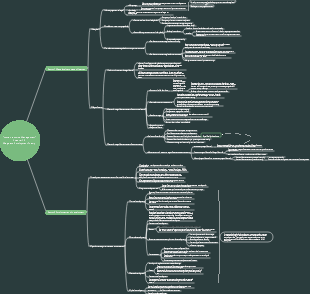
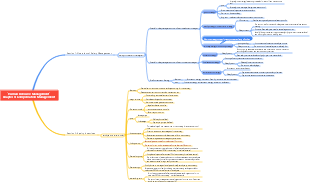
This is a mind map about Chapter 2 of "Human Resource Management": Leadership Behavior, including leadership theory, leadership decision-making, leadership style and skills, etc.
Edited at 2023-11-19 19:04:42This is a mind map about bacteria, and its main contents include: overview, morphology, types, structure, reproduction, distribution, application, and expansion. The summary is comprehensive and meticulous, suitable as review materials.

This is a mind map about plant asexual reproduction, and its main contents include: concept, spore reproduction, vegetative reproduction, tissue culture, and buds. The summary is comprehensive and meticulous, suitable as review materials.
This is a mind map about the reproductive development of animals, and its main contents include: insects, frogs, birds, sexual reproduction, and asexual reproduction. The summary is comprehensive and meticulous, suitable as review materials.
This is a mind map about bacteria, and its main contents include: overview, morphology, types, structure, reproduction, distribution, application, and expansion. The summary is comprehensive and meticulous, suitable as review materials.
This is a mind map about plant asexual reproduction, and its main contents include: concept, spore reproduction, vegetative reproduction, tissue culture, and buds. The summary is comprehensive and meticulous, suitable as review materials.
This is a mind map about the reproductive development of animals, and its main contents include: insects, frogs, birds, sexual reproduction, and asexual reproduction. The summary is comprehensive and meticulous, suitable as review materials.
"Human Resource Management" Chapter 2: Leadership Behavior
Section 1: Leadership Theory
Transactional and transformational leadership theory
transactional leadership theory
Viewpoint: American psychologist "Burns" proposed that transactional leaders rely on negative error management
personal authority
Task clarity, work standards and outputs
Focus on task completion
Employees are compliant
rewards system
Features and methods
award
Error management (proactive): Correction of deviations from standards
Error management (negative type): Intervene if not satisfied
Laissez-faire: inaction, failure to make decisions, giving up responsibility
transformational leadership theory
Perspectives: Humanities, ideal values, inspiring followers, setting a clear organizational vision, leadership style affecting employees and performance
Features and methods
charm
excitation
Intelligent stimulation
personalized care
charismatic leadership theory
concept
American psychologist "Robert House" proposed on the basis of "Burns" transformational leadership theory
Leaders who are confident and trustful of their subordinates, have high expectations for their subordinates, have an idealistic vision, and use a personalized leadership style.
View
Follower performance
Identify with leader and mission
loyalty and confidence
emulate their values and behaviors
Gain self-esteem from relationships
prompt
Followers produce performance above expectations
Strong sense of belonging
strengthen
The effectiveness of charismatic leaders is further enhanced when there is a higher level of self-awareness and self-management.
Traits
confidence
Impression management skills
social sensitivity
Empathy
Variety
Will change according to the situation
Will change according to the nature of work tasks
Not necessarily a positive hero (like Hitler)
moral characteristics
path-goal theory
The main points
Leader’s main tasks
Help subordinates achieve their goals
Provide necessary support and guidance
Ensure alignment with organizational goals
Leader behavior is accepted by subordinates
Providing employee satisfaction matters now and into the future.
The motivational effect of leadership
Performance achievement combined with satisfaction of employee needs
Provide coaching, guidance, support and rewards for job performance
leadership behavior
Directive
Personal characteristics are strong and capable, guidance is redundant
Personal characteristics: I don’t know what to do and need external guidance. I am satisfied.
Supportive
A work environment and caring support lead to high performance and satisfaction
participatory
People with a certain amount of internal control will feel satisfied if they feel involved
achievement oriented
Employees who dare to challenge goals set and demonstrate can bring satisfaction
contingency factors
envirnmental factor
work structure
formal rights system
work team etc.
Personal characteristics of subordinates
experience
ability
internal and external control
theoretical logic
If leaders can make up for employee deficiencies, satisfaction and performance will increase, If the work structure is clear, the tasks are clear, and the employees have the ability and experience to handle them, Then there is no need to waste time on coaching, otherwise it will be considered redundant.
contingency theory
Main point: Federer proposed that the level of team performance depends on
leader
situational factors
Whether they match
leadership style
Work orientation: Leaders are primarily concerned with production, things
Relationship orientation: willing to form good interpersonal relationships with colleagues
situational dimension
Leader-Subordinate Relationship
work structure
authority
Section 2: Leadership Styles and Skills
The meaning of leadership style: refers to the habitual behavioral characteristics displayed by leaders in actual leadership.
leadership skills
three skills
Technical skills
Pay attention to things
interpersonal skills
Follow people
conceptual skills
Viewpoints and thoughts to deal with
Conclusion: After employees are promoted and have leadership responsibilities, the relative proportions of leader skills at different levels are different. The higher the management level, the smaller the proportion of work technical skills, the greater the proportion of conceptual skills, and the need for interpersonal relationships.
Section 3: Leadership Decision-making
Decision-making process
Simon's decision-making process
Intellectual activities: Search the environment and determine decision-making situations
Design activities: explore, develop and analyze possible behaviors
Choose an activity: Choose a behavior in the second step
Mintzberg's decision-making process
Confirmation stage: recognize the problem or opportunity and diagnose it
Development stage: Search for existing standard procedures or solutions, or design new, tailor-made solutions.
Selection stage: determine the final plan (Judgment is made based on the experience or perception of the decision-maker, alternatives are analyzed on a logical and systematic basis, and decision-making members weigh each other.)
decision making style
two dimensions
value orientation
tasks and techniques themselves
people and society
ambiguity tolerance
Low blur tolerance
High blur tolerance
four styles
Mnemonic: Talking about things, high level of control, inclined to analyze [analytical type] Discuss things with people, have a high level of control, and tend to put forward conceptual drawings [Conceptual type] Low level of control, just guidance [guidance type] Low level of control, can only take action [behavioral type]
Different leadership behaviors are appropriate for different environmental factors and personal characteristics