MindMap Gallery Management Chapter 5 Decision-Making Mind Map
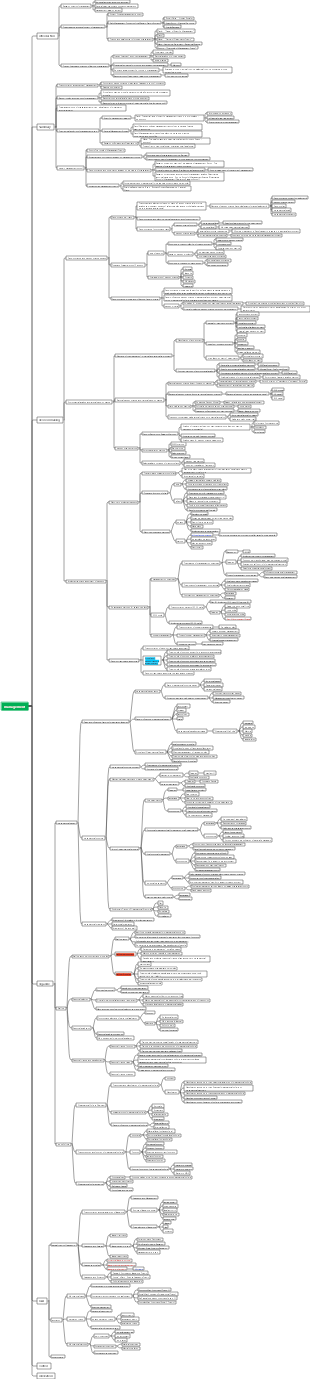
This is a mind map about decision-making in Chapter 5 of Management, including decision-making definition, principles, basis, theory, process, influencing factors, methods, etc.
Edited at 2023-11-10 21:07:51This is a mind map about bacteria, and its main contents include: overview, morphology, types, structure, reproduction, distribution, application, and expansion. The summary is comprehensive and meticulous, suitable as review materials.

This is a mind map about plant asexual reproduction, and its main contents include: concept, spore reproduction, vegetative reproduction, tissue culture, and buds. The summary is comprehensive and meticulous, suitable as review materials.
This is a mind map about the reproductive development of animals, and its main contents include: insects, frogs, birds, sexual reproduction, and asexual reproduction. The summary is comprehensive and meticulous, suitable as review materials.
This is a mind map about bacteria, and its main contents include: overview, morphology, types, structure, reproduction, distribution, application, and expansion. The summary is comprehensive and meticulous, suitable as review materials.
This is a mind map about plant asexual reproduction, and its main contents include: concept, spore reproduction, vegetative reproduction, tissue culture, and buds. The summary is comprehensive and meticulous, suitable as review materials.
This is a mind map about the reproductive development of animals, and its main contents include: insects, frogs, birds, sexual reproduction, and asexual reproduction. The summary is comprehensive and meticulous, suitable as review materials.
Management Chapter 5
i. Decision definition: The process by which managers identify and solve problems/the process by which managers take advantage of opportunities
ii. Decision principles
i. Satisfaction principle [because it is impossible to achieve the optimal standard]
iii. Decision basis
i. Appropriate amount of information [because information also has acquisition costs]
iv. decision theory
i. classical decision theory
i. Just want to get the highest benefit [Completely rational economic man]
ii. behavioral decision theory
i. Pay more attention to risks than the economy [relatively rational decision-making choices]
v. Decision-making process
i. ① Diagnose problems/identify opportunities [To obtain high-quality information and conduct careful analysis, you must know when and how to act]
ii. ②Clear goals [Clear desired results in order to choose strategies] Long-term goals: strategic decisions; Mid-term goals: tactical decisions; Short-term goals: business decisions
iii. ③Draft a plan [Multiple-angle creative plans through three collective decision-making methods]
iv. ④ Screening plans [Comprehensive evaluation and adoption of the best plan]
v. ⑤Execution plan [Reasonable allocation of resources and mobilizing employees’ enthusiasm for production]
vi. ⑥Evaluate the effect [If there are deviations, correct them in time]
vi. decision making method
i. qualitative decision making
i. collective decision making approach
i. ①Brainstorming method [brainstorming]; ②Nominal group technique [Members are not in contact with each other, state their own plans, vote, and form opinions on other plans, and submit them to managers as a reference for decision-making]; ③Delphi technique [provide information to Each expert does not need to meet. The manager collects and synthesizes the opinions of the experts and then gives feedback to the experts. If there is a big difference, a meeting will be held to discuss it. Otherwise, the manager will contact the experts separately and repeat it many times until they are satisfied]
ii. Business unit business portfolio analysis method
i. "Thin Dog" type: The market and business are both low and should be reduced or abandoned.
ii. "Toddler" type: The business is high and the market is low, so you should invest necessary funds or give up if it doesn't work.
iii. "Golden Bull" type: The market is high and business is low, so less capital should be invested.
iv. "Star" type: The market and business are high, so necessary funds should be invested
iii. Policy Guidance Matrix
i. Same analysis as "Skinny Dog, Toddler, Taurus, Star"
ii. quantitative decision making
i. Deterministic decision-making method: Have a full understanding of future market conditions and be able to calculate future results with greater confidence
i. Volume cost and profit analysis = capital preservation analysis/breakeven analysis: profit equals zero
ii. Uncertain decision-making method: the probability distribution of some variables is unclear
i. The method of making big out of small things: Prepare for the worst and choose the most profitable plan from the worst results.
ii. Get the best out of the big: Make the best plans and choose the most profitable plan from the best results
iii. Minimum maximum regret value method: Calculate the regret value of each situation, then find the maximum regret value of each plan, and finally select the plan corresponding to the minimum regret value among the maximum regret values.
iii. Risk-based decision-making method: Although not deterministic, it knows the probability distribution
i. Maximum expected return criterion: Each situation in the plan is multiplied by the corresponding probability, then added, and finally compared, and the plan corresponding to the largest value is selected.
ii. Maximum expected utility criterion: linear function
iii. Issues that need to be paid attention to when facing low-probability events
iv. Multi-stage decision problems and decision trees: start from the end and analyze step by step
vii. Factors influencing decision-making
i. envirnmental factor
i. ①Environmental stability; ②Market structure; ③The position of buyers and sellers in the market
ii. organizational factors
i. ① Organizational culture; ② The degree of informatization of the organization; ③ The organization’s response model to the environment
iii. Factors in the nature of decision-making problems
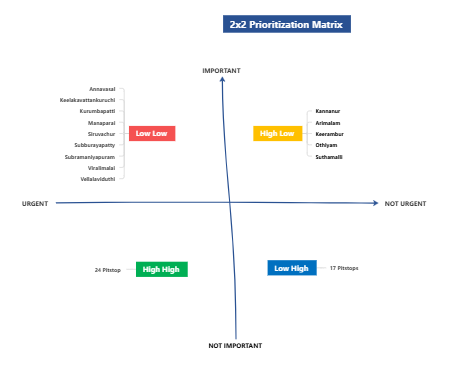
i. ①The urgency of the problem; ②The importance of the problem
iv. Factors of the decision-making body
i. ① Personal attitude towards risk; ② Personal ability; ③ Personal values; ④ Harmony of the decision-making group
Q0=F/P-Cv
S=Q*P-(F Cv*Q)
Profit = sales volume × unit price - (fixed cost variable cost)