MindMap Gallery Common elements harmful to human body
Common harmful elements to the human body, including aluminum, lead, cadmium, and mercury, introduce the harm to the human body and their related sources. I hope this mind map will be helpful to you.
Edited at 2023-07-27 14:20:36This is a mind map about bacteria, and its main contents include: overview, morphology, types, structure, reproduction, distribution, application, and expansion. The summary is comprehensive and meticulous, suitable as review materials.

This is a mind map about plant asexual reproduction, and its main contents include: concept, spore reproduction, vegetative reproduction, tissue culture, and buds. The summary is comprehensive and meticulous, suitable as review materials.
This is a mind map about the reproductive development of animals, and its main contents include: insects, frogs, birds, sexual reproduction, and asexual reproduction. The summary is comprehensive and meticulous, suitable as review materials.
This is a mind map about bacteria, and its main contents include: overview, morphology, types, structure, reproduction, distribution, application, and expansion. The summary is comprehensive and meticulous, suitable as review materials.
This is a mind map about plant asexual reproduction, and its main contents include: concept, spore reproduction, vegetative reproduction, tissue culture, and buds. The summary is comprehensive and meticulous, suitable as review materials.
This is a mind map about the reproductive development of animals, and its main contents include: insects, frogs, birds, sexual reproduction, and asexual reproduction. The summary is comprehensive and meticulous, suitable as review materials.
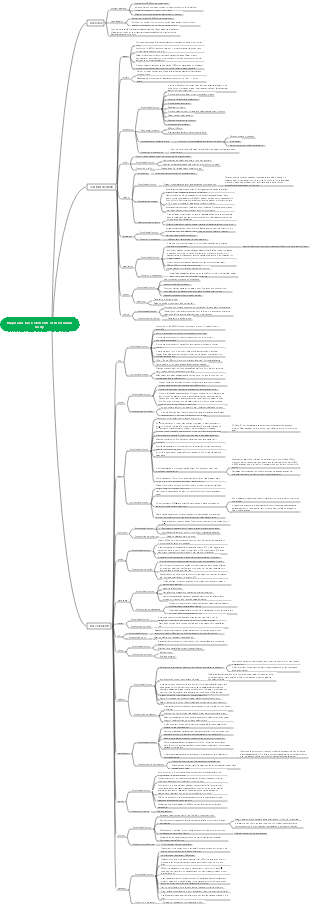
Common elements harmful to human body
aluminum
toxicity
Excessive aluminum can affect the function of brain cells, affect and interfere with people's consciousness and memory functions, and cause Alzheimer's disease.
Excessive aluminum can cause cholestatic liver disease, bone softening, hypochromic anemia, ovarian atrophy and other conditions
Aluminum enters the human body through aluminum utensils and aluminum food additives
Foods containing more aluminum
Alum purified water
Aluminum utensils and cutlery
Fried foods and other foods containing aluminum leavening agent (potassium aluminum sulfate)
Aluminum preparation stomach medicine (aluminum magnesium carbonate)
lead
toxicity
A neurotoxic heavy metal that can damage the nerves, digestive system, and hematopoietic function after entering the human body.
Soluble inorganic lead salts are all toxic. The toxicity comes from the fact that lead easily reacts with SH groups in cysteine in protein molecules to generate insoluble compounds and interrupt related metabolic pathways.
The metabolism of lead in the body is similar to that of calcium, and it is easy to accumulate in the bones.
The absorption rate of lead in children is more than 4 times higher than that of adults
Acute lead poisoning mainly manifests as gastrointestinal effects, with severe and explosive abdominal pain followed by anorexia, indigestion and constipation.
Foods containing more lead
Due to the impact of surrounding lead mining, smelting, and refining on the air and soil, local food is contaminated.
Food contamination from the use of lead-containing pesticides, lead-containing food containers and utensils, etc.
Puffed foods such as pineapples and popcorn contain high levels of lead
There is a lot of pollution around traffic areas and industrial areas.
Lead-emitting foods
Milk, kelp, garlic, onion, kiwi fruit, etc.
cadmium
toxicity
Toxicity to organisms is related to inhibition of enzyme function.
Mainly caused by ingestion of cadmium-contaminated water, food and air through the digestive tract and respiratory tract
Water supply that is acidic or has a high dissolved oxygen value can easily corrode galvanized pipes and dissolve cadmium.
The amount of cadmium in the lungs, kidneys, liver and other organs of long-term smokers is twice the normal value. The cadmium in tobacco comes from phosphate fertilizers containing cadmium.
The half-life of cadmium in the human body is 10 to 30 years
Can cause emphysema, hypertension, neuralgia, osteoporosis, fractures, endocrine disorders, etc.
Patients with "bone pain disease" that once occurred in Japan started with joint pain in the waist, hands, and feet. After a few years, they developed systemic neuralgia and bone pain. Finally, the bones softened, shrank, and naturally fractured, until they died of weakness and pain.
There are reports that male prostate patients are also related to excessive intake of cadmium.
There is no cadmium in the baby's body when he is born. As he grows older, cadmium will gradually accumulate. The human body has no balance mechanism for it, so it can accumulate in the kidneys.
It can destroy calcium in the human body, causing the victim's bones to gradually deform. It starts with pain in the waist, back, and lower limbs, and then gradually intensifies. When walking, the hips sway like a duck, and pathological fractures are prone to occur. The patient cannot sleep due to pain.
Can bind to protein molecules containing sulfhydryl groups, reduce or inhibit enzyme activity, hinder protein and fat conversion, and cause hypertension and cardiovascular disease.
It will accumulate in tissues such as the kidneys, liver, and genitals, causing kidney and nerve damage (mainly kidney damage)
Cadmium has similar properties to zinc, but it has a stronger affinity for certain kidney tissues than zinc. Therefore, it can irreversibly replace zinc, change all biochemical reactions that rely on zinc, and cause proteinuria, diabetes, edema, and cancer.
Among people who died from hypertension, the zinc-cadmium ratio was about 1.4, and some were even less than 1.0
Foods high in cadmium
Foods that are easily contaminated by cadmium include scallops, swimming crabs, cephalopod seafood (cuttlefish, squid), pig kidneys, pig livers, etc.
Food containing less zinc than normal or more cadmium can cause cadmium to accumulate in the human body.
From the perspective of preventing cadmium poisoning, you should try to choose foods with a zinc-cadmium ratio greater than 40, such as oysters, cereals, gluten, legumes, nuts, etc.
HG
toxicity
Its toxicity varies greatly depending on its chemical form
Elemental mercury is basically non-toxic when ingested through the digestive tract, while gaseous mercury is highly toxic when ingested through the respiratory tract.
Organomercury compounds are highly toxic
For example, the Minamata disease that occurred in Japan, Iraq, Pakistan and other countries is a disease caused by methylmercury that causes death.
Methylmercury toxicity is also specific. After the acute phase, there will be a latent period of several weeks to several months, and then symptoms of poisoning in the brain and nervous system will appear, which are difficult to recover from.
Methylmercury can also affect the nervous system of the fetus through the mother's body, causing the baby to suffer from cerebral polio symptoms such as mental retardation and impaired motor function.
The toxicity is mainly due to its high affinity for sulfur-containing compounds, thereby destroying the functions of enzymes and other proteins and affecting resynthesis.
Foods high in mercury
Mercury is a ubiquitous element in the environment. It mainly accumulates in the food chain in the form of methylmercury, especially in fish.
The tentative tolerable weekly intake of methylmercury is 1.6 μg/kg (body weight)