MindMap Gallery Chapter 18 Coronary Atherosclerotic Heart Disease
Internal Medicine Chapter 2 Circulatory System Diseases Coronary atherosclerotic heart disease can be divided into chronic myocardial ischemia syndrome CIS (chronic coronary artery disease CAD) and acute coronary syndrome ACS according to the onset characteristics. Let’s look at them together.
Edited at 2023-10-29 23:22:58This is a mind map about bacteria, and its main contents include: overview, morphology, types, structure, reproduction, distribution, application, and expansion. The summary is comprehensive and meticulous, suitable as review materials.

This is a mind map about plant asexual reproduction, and its main contents include: concept, spore reproduction, vegetative reproduction, tissue culture, and buds. The summary is comprehensive and meticulous, suitable as review materials.
This is a mind map about the reproductive development of animals, and its main contents include: insects, frogs, birds, sexual reproduction, and asexual reproduction. The summary is comprehensive and meticulous, suitable as review materials.
This is a mind map about bacteria, and its main contents include: overview, morphology, types, structure, reproduction, distribution, application, and expansion. The summary is comprehensive and meticulous, suitable as review materials.
This is a mind map about plant asexual reproduction, and its main contents include: concept, spore reproduction, vegetative reproduction, tissue culture, and buds. The summary is comprehensive and meticulous, suitable as review materials.
This is a mind map about the reproductive development of animals, and its main contents include: insects, frogs, birds, sexual reproduction, and asexual reproduction. The summary is comprehensive and meticulous, suitable as review materials.
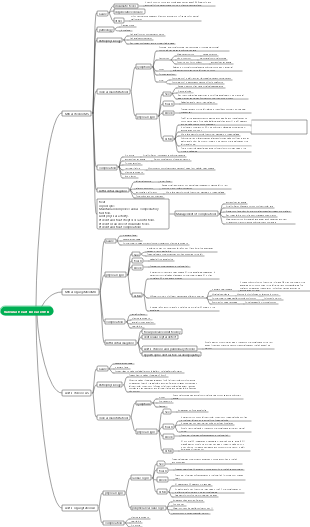
coronary atherosclerotic heart disease
Overview of coronary atherosclerotic heart disease
Cause
hypertension
metabolic factors
smoking
diabetes
Gender and age - 40, males have a higher incidence rate
Clinical classification
WHO clinical classification
Silent myocardial ischemia (occult coronary heart disease)
Angina pectoris
myocardial infarction
ischemic cardiomyopathy
sudden death
Classification according to disease characteristics
Chronic myocardial ischemia syndrome CIS (chronic coronary artery disease CAD)
stable angina
Angina pectoris with normal coronary arteries
Silent myocardial ischemia
ischemic cardiomyopathy
acute coronary syndrome ACS
Non-ST segment elevation ACS (NSTEACS)
Unstable angina pectorisUA
Non-ST segment elevation myocardial infarction (NSTEMI)
ST-segment elevation ACS (STEACS)
ST-segment elevation myocardial infarction (STEMI)
chronic myocardial ischemia syndrome
stable angina
symptom -Main clinical manifestations: episodic chest pain
Typical angina
Location - above and behind the middle part of the sternum, about the size of the palm of your hand, and can radiate to the left shoulder, the inner side of the left upper limb, to the ring finger and little finger, or the neck, throat or mandible.
Properties - oppressive, tight, suffocating, burning, dying, fear
Triggers - physical labor, emotional excitement, satiety, cold, smoking, tachycardia, shock
Duration - 3-5 minutes
Relief - sublingual nitroglycerin
atypical angina
physical signs
Increased heart rate, transient increase in blood pressure, anxious or fearful expression, sweating, S4 or S3 gallop, S2 split and alternating pulses can be heard in the apex area
Differential diagnosis
acute coronary syndrome
cardiac neurosis
intercostal neuralgia
atypical neuralgia
Bile and upper gastrointestinal tract lesions
Angina pectoris caused by other diseases
Severity Classification CCS
Level I - no restrictions on physical activity
Level II - Mild limitation, limited walking on level ground for more than 200m or climbing stairs for more than one floor
Level III - Obvious limitation, angina pectoris occurs when walking 200m on level ground or climbing one floor of stairs
Class IV - Angina pectoris caused by slight activity or rest
treat
Treatment during an attack
rest
medical treatement
Nitroglycerin
Isosorbide dinitrate
Treatment during remission
Improve symptoms and reduce ischemic attacks
Nitrate preparations
beta blockers
calcium channel blockers
trimetazidine
Drugs that improve prognosis
antiplatelet aggregation drugs
beta blockers
statins
ACEI or ARB
Interventional PCI
percutaneous transluminal coronary angioplasty PTCA
Stenting, coronary atherectomy, percutaneous laser revascularization
Silent myocardial ischemia
ischemic cardiomyopathy
acute coronary syndrome
Unstable angina and non-ST-segment elevation myocardial infarction
UA severity rating -The incidence rate of myocardial infarction is 7.3%, 10.3%, 10.8%
Grade I - Severe initial or worsening angina without rest pain
Grade II - subacute resting angina (occurred within 1 month, but no attack within 48 hours)
Grade III-acute resting angina (onset within 48 hours)
treat
Immediately relieve ischemia and prevent serious adverse consequences
ST segment elevation myocardial infarction
symptom
pain
Arrhythmia
hypotension and shock
Heart failure - left heart failure, right heart failure
Gastrointestinal symptoms - nausea, vomiting, epigastric bloating, flatulence
electrocardiogram
Wide and deep Q wave (pathological Q wave) - reflects myocardial necrosis
ST segment elevation is arched upward, reflecting myocardial damage
T wave inversion - reflects myocardial ischemia
The opposite changes appear on the leads dorsal to the myocardial infarction area, that is, the R wave is increased, the ST segment is depressed, and the T wave is upright and increased.
Differential diagnosis
Angina pectoris
Non-ST segment elevation acute coronary syndrome
aortic dissection
acute pulmonary embolism
acute abdomen
acute pericarditis
Killip classification (pump failure)
Class I - no obvious heart failure yet
Grade II - Left heart failure, pulmonary rales <50%
Grade III - Acute pulmonary edema, dry rales and large and small crackles throughout the lungs
Class IV-cardiogenic shock
treat -Restore myocardial blood supply as quickly as possible
Monitoring and general treatment
rest and care
Oxygen and monitoring
Establish intravenous access
Anti-platelet aggregation
relieve pain
reperfusion myocardium
Percutaneous coronary intervention PCI
Thrombolysis
Judgment of coronary artery recanalization
direct indicator
Coronary angiography revealed recanalization
indirect indicator
The elevated ST segment on the electrocardiogram returns to >50% within 2 hours
Chest pain basically disappears within 2 hours
Reperfusion arrhythmia occurs within 2 hours
CK-MB peak appears early (within 14 hours)
Contraindications
Recent (2-4 weeks) active visceral bleeding
Unsatisfactory control of high blood pressure
Highly suspected aortic dissection
Previous hemorrhagic stroke or ischemic stroke or cerebrovascular event within 6 months
Damage to the central nervous system, intracranial tumors or malformations
People with blood disorders, bleeding disorders or bleeding tendencies who are currently taking therapeutic doses of anticoagulants
Correct arrhythmia
Ventricular premature beats or ventricular tachycardia should be treated with lidocaine 50-100 mg intravenously.
Ventricular fibrillation using asynchronous direct current cardioversion
Bradyarrhythmia is often treated with atropine 0.5-1 mg intramuscularly or intravenously.
Second- and third-degree atrioventricular block accompanied by hemodynamic disorders should be treated with an artificial cardiac pacemaker for temporary pacing, which will be removed after the block disappears.
Supraventricular tachyarrhythmias should be treated with β-blockers and digitalis preparations
correct shock
correct heart failure
Treatment of right ventricular myocardial infarction
Expand blood volume
Adding an inotrope such as dobutamine
Installation of a temporary pacemaker