MindMap Gallery Chapter 17 Hypertension
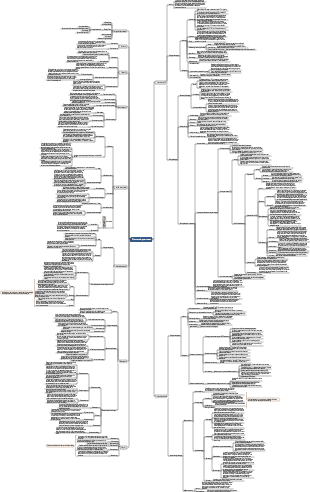
Internal Medicine Chapter 2 Circulatory System Diseases Hypertension - Increased systemic arterial pressure, blood pressure levels: normal adult arterial systolic blood pressure (SBP) <140mmHg and diastolic blood pressure (DBP) >90mmHg.
Edited at 2023-10-29 23:21:58This is a mind map about bacteria, and its main contents include: overview, morphology, types, structure, reproduction, distribution, application, and expansion. The summary is comprehensive and meticulous, suitable as review materials.

This is a mind map about plant asexual reproduction, and its main contents include: concept, spore reproduction, vegetative reproduction, tissue culture, and buds. The summary is comprehensive and meticulous, suitable as review materials.
This is a mind map about the reproductive development of animals, and its main contents include: insects, frogs, birds, sexual reproduction, and asexual reproduction. The summary is comprehensive and meticulous, suitable as review materials.
This is a mind map about bacteria, and its main contents include: overview, morphology, types, structure, reproduction, distribution, application, and expansion. The summary is comprehensive and meticulous, suitable as review materials.
This is a mind map about plant asexual reproduction, and its main contents include: concept, spore reproduction, vegetative reproduction, tissue culture, and buds. The summary is comprehensive and meticulous, suitable as review materials.
This is a mind map about the reproductive development of animals, and its main contents include: insects, frogs, birds, sexual reproduction, and asexual reproduction. The summary is comprehensive and meticulous, suitable as review materials.
High blood pressure - Increased systemic arterial pressure
Definition and Classification of Blood Pressure Levels
Normal adult arterial systolic blood pressure (SBP) <140mmHg and diastolic blood pressure (DBP) >90mmHg
Cause
genetic factors
risk factors
High sodium and low potassium diet
overweight and obesity
Smoking, drinking
social and psychological factors
sleep apnea
folate deficiency
Pathogenesis
Hyperactive sympathetic nervous system
RAAS activation
endothelial dysfunction
The earliest and most important pathological changes of vascular damage in hypertension
Insulin resistance
Independent risk factors for essential hypertension
humoral factors
pathology
arterial system
Systemic arteriolar disease, manifested by hyaline degeneration of arterioles, proliferation of smooth muscle cells in the middle layer, and thickening of the vessel wall
heart
left ventricular hypertrophy
brain
Cerebral infarction, cerebral thrombosis
kidney
kidney failure
retina
clinical manifestations
blood pressure changes
symptom
Headache, dizziness, palpitations, fatigue, fatigue, tinnitus
physical signs
Hyperactive A2 and the elderly may present metallic sound, systolic murmur in the aortic valve area or early systolic ejection sound.
complication
heart
Elevating apical beat, heart failure may occur in the late stage
brain
Cerebrovascular complications are the most common complications of hypertension
kidney
Proteinuria, uremia
fundus
progressive loss of vision
aortic dissection
Aortic dissecting aneurysm, a major vascular emergency if it ruptures
diagnosis
office blood pressure
Resting sitting brachial artery, three blood pressure measurements on different days all meet the diagnostic criteria (SBP ≥ 140 mmHg and/or DBP ≥ 90 mmHm)
Ambulatory blood pressure monitoring (ABPM)
Average SBP/DBP 24h≥130/80mmHg, daytime≥135/85mmHg, nighttime≥120/70mmHg
Home Blood Pressure Monitoring (HBPM)
Blood pressure ≥135/85mmHg
Differential diagnosis
parenchymal renal disease
History - Proteinuria, hematuria, and renal dysfunction often occur before or at the same time as hypertension.
Physical examination—anemia, edema, and abnormal urine changes, such as hematuria and cast urine
primary aldosteronism syndrome
mild to moderate hypertension
Polyuria, especially nocturia, thirst, decreased urine specific gravity, alkaline urine and proteinuria
Paroxysmal muscle weakness or paralysis, myalgia, numbness of hands and feet
Pheochromocytoma
Triad—headache, sweating, palpitations
Cushing's syndrome
renal artery stenosis
aortic coarctation
treat
treatment goals
Generally drops below 140/90
Over 65 years old, SBP <150
With kidney disease, diabetes, or stable coronary heart disease, lower blood pressure to 130/80
After stroke, blood pressure <140/90
lifestyle intervention
antihypertensive medication
Calcium channel blockers (CCB)
XX flat earth
ACE1
XXPuli
Angiotensin 2 receptor blockers (ARBs)
XX Sartan
B-blockers
XX Lore
diuretics
a receptor blockers
XX azozine
renin inhibitor