MindMap Gallery Pathology-Inflammation
Pathology - a mind map of inflammation. Inflammation is a basic pathological process that occurs when living tissues with a vascular system are stimulated by various damage factors and are dominated by defense reactions.
Edited at 2023-10-26 16:42:45This is a mind map about bacteria, and its main contents include: overview, morphology, types, structure, reproduction, distribution, application, and expansion. The summary is comprehensive and meticulous, suitable as review materials.

This is a mind map about plant asexual reproduction, and its main contents include: concept, spore reproduction, vegetative reproduction, tissue culture, and buds. The summary is comprehensive and meticulous, suitable as review materials.
This is a mind map about the reproductive development of animals, and its main contents include: insects, frogs, birds, sexual reproduction, and asexual reproduction. The summary is comprehensive and meticulous, suitable as review materials.
This is a mind map about bacteria, and its main contents include: overview, morphology, types, structure, reproduction, distribution, application, and expansion. The summary is comprehensive and meticulous, suitable as review materials.
This is a mind map about plant asexual reproduction, and its main contents include: concept, spore reproduction, vegetative reproduction, tissue culture, and buds. The summary is comprehensive and meticulous, suitable as review materials.
This is a mind map about the reproductive development of animals, and its main contents include: insects, frogs, birds, sexual reproduction, and asexual reproduction. The summary is comprehensive and meticulous, suitable as review materials.
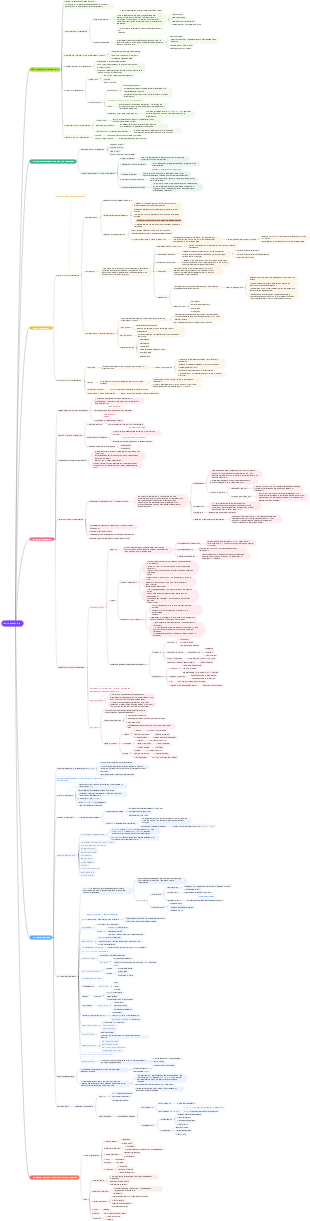
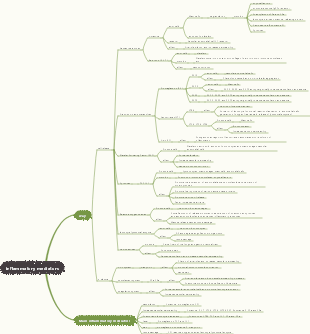
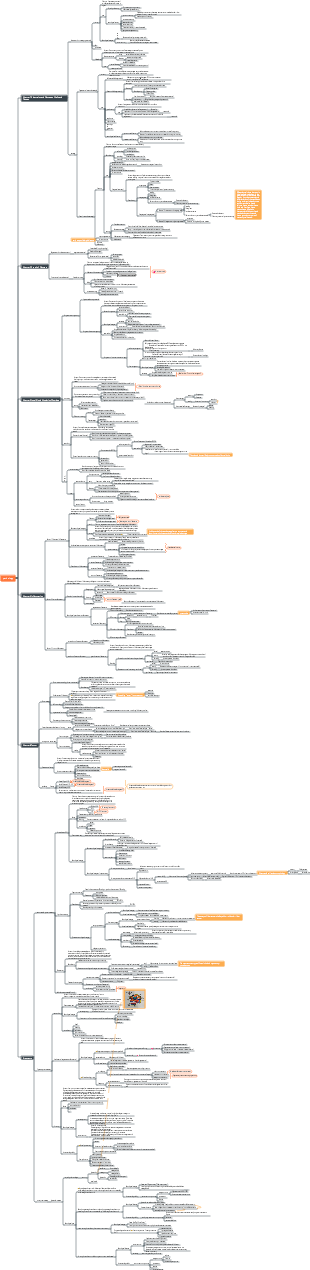
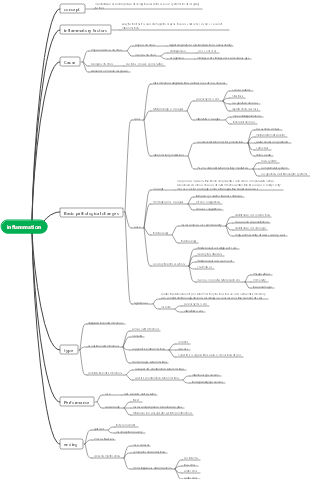
inflammation
concept
It is a basic pathological process that occurs when living tissue with a vascular system is stimulated by various damage factors and is dominated by defense responses.
Cause (inflammatory factors)
Whether an inflammatory reaction occurs or not depends on the nature and intensity of inflammatory factors and the body's response and action time.
Biological factors: the most common factors such as viruses, bacteria, rickettsiae, protozoa, fungi, spirochetes and parasites
Physical factors: high temperature, low temperature, radiation, etc.
chemical factors
Endogenous chemicals: breakdown products of dead tissue
Exogenous chemicals: strong acids and bases
Immune factors: various allergies
Basic pathological changes
Early days
spoil
Definition: degeneration and necrosis of local tissue caused by inflammation
Pathological changes
Interstitium: mucoid degeneration, fibrinoid necrosis
Parenchymal cells: edema, lipidosis, liquefaction necrosis, caseous necrosis, fat necrosis, etc.
Causes and Mechanisms
Pathogenic factors are directly used
Blood circulation disorders and immune mechanism
Indirect effects of inflammatory reaction products
Metabolic changes
local acidosis
Increased osmotic pressure in tissues
ooze
Exudation is an important marker of inflammation and plays an important defensive role in the inflammatory response.
Definition: The process by which fluid and cellular components in blood vessels in an inflammatory area enter tissue spaces, body cavities, or reach the body surface or mucosal surface through the blood vessel wall. It is the most characteristic change and plays an important local defensive role.
exudate
A general term for the fluid and cellular components exuded during inflammatory exudation.
produce
Caused by increased vascular permeability and active migration of leukocytes
significance
unfavorable
Excessive exudate - compression, obstruction
Fiber malabsorption—organization, adhesions
favorable
Dilute and neutralize toxins
Bring nutrients to white blood cells and transport metabolites away
Provides complement and antibodies
Cellulose is intertwined into a network to facilitate swallowing and repair
White blood cells phagocytose and kill pathogens and remove necrotic tissue
Lymphatic drainage stimulates cellular and humoral immunity
Late stage
hyperplasia
Definition: Under the action of inflammatory factors, parenchymal cells and interstitial cells in the inflammatory area can proliferate.
parenchymal cells
Mucosal epithelium, glands
interstitial cells
Macrophages, endothelial cells, fibroblasts
Inflammatory hyperplasia limits the spread of inflammation and repairs it
significance
Therefore, measures should be taken to control the inflammatory response under certain circumstances
positive effects
Localized elimination of damage factors
Eliminate and absorb necrotic tissue
repair damage
Potentially harmful
Degeneration and necrosis—function of tissues and organs
Large amounts of inflammatory exudate—edema, effusion
Hyperplasia - organization, adhesion and fibrosis
Acute inflammation is divided into
degenerative inflammation
Features
Mainly degeneration and necrosis, with exudation and mild hyperplasia
parts
Heart, liver, kidney, brain
Influence
Often causes dysfunction of related organs
exudative inflammation
Features
A large amount of exudate is formed, accompanied by a certain degree of deterioration, while the proliferation is relatively slight
type
serous inflammation
Features
Mainly extravasated plasma, containing a small amount of red blood cells
reason
High temperature, strong acid, strong alkali, bacterial toxins, etc.
parts
Loose tissue areas (mucosa, serosa, lungs, joint synovium and skin)
ending
A small amount
Absorbs without leaving traces or sequelae
A lot
Affect function, endanger life
fibrinoid inflammation
Features
Exudate contains large amounts of fibrin
reason
Bacterial toxins, internal and external toxins
parts
Mucous membrane, serosa, lung
ending
Solution absorption
Shedding of pseudomembrane on mucosal surface
Organized adhesions
purulent inflammation
type
abscess
definition
Refers to localized suppurative inflammation in an organ or tissue and the formation of a cavity filled with pus
Features
Lesion localization
abscess formation
tissue necrosis and liquefaction
parts
Skin, lungs, liver, kidneys, brain
clinical manifestations
thick pus
cellulitis
definition
Diffuse suppurative inflammation of loose connective tissue
Features
The lesions are diffuse
No abscess formation
Tissue necrosis is not obvious
parts
Loose connective tissue (skin, muscles, appendix, etc.)
clinical manifestations
Pus is thin and easily absorbed
ending
Less tissue necrosis and no scars left after healing
Superficial suppuration and accumulation of pus
Surface suppuration
Purulent inflammation occurring on mucosal or serosal surfaces
empyema
Pus formed from superficial suppuration that accumulates in body cavities or natural lumens
hemorrhagic inflammation
Features
Mainly due to massive RBC leakage
parts
Organs and tissues of the body
ending
Mostly serious
proliferative inflammation
The main ones are tissue cell proliferation, while the deterioration and exudation are lighter, mostly belonging to chronic inflammation. A few cases can also be acute.
chronic inflammation
nonspecific proliferative inflammation
Features
The infiltrating cells in the inflammatory focus are mainly lymphocytes, plasma cells, and monocytes.
Lesions are primarily tissue destruction caused by inflammatory cells
There is often obvious proliferation of fibrous connective tissue, blood vessels, epithelial cells, glands and parenchymal cells.
specific proliferative inflammation
Also called granulomatous inflammation (inflammatory granuloma)
infectious granuloma
foreign body granuloma
local manifestation
red
blood vessel dilation and congestion
swell
fluid oozing
hot
Fast blood flow and increased heat production
pain
distension, inflammatory mediators
disfunction
Depending on the location, nature and degree of inflammation
Pneumonia - hypoxia, difficulty breathing
Arthritis - impaired walking
Systemic manifestations
fever
exogenous pyrogen
bacterial products
endogenous pyrogen
prostaglandins
significance
harmful
Excessive fever – damage to brain function
Long-term fever - increased body wear and tear
leukocytosis
Classification
Classification based on organs where inflammation accumulates
Add “inflammation” after the diseased organ
According to the degree of inflammatory disease
mild, moderate and severe inflammation
According to the basic pathological properties of inflammation
Degenerative inflammation, exudative inflammation and proliferative inflammation
According to the duration of inflammation
acute inflammation and chronic inflammation