MindMap Gallery Chapter 2 Resource Planning and Resource Unit Price
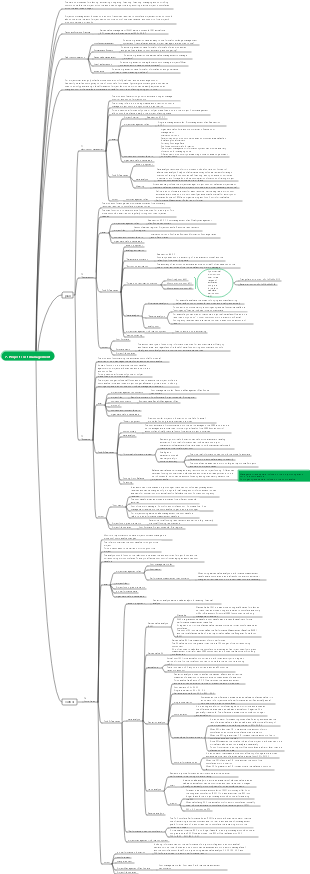
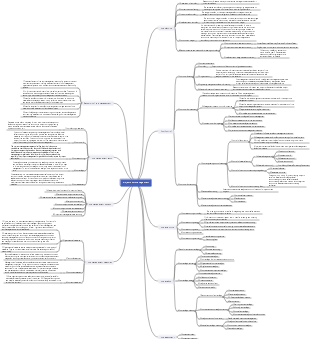
Project cost management mind map notes, Shanghai University (Engineering Management Major), what I want to write summarizes the preparation steps and methods, resource unit prices, resource types, project resource needs and characteristics, etc.
Edited at 2021-07-04 20:48:53This is a mind map about bacteria, and its main contents include: overview, morphology, types, structure, reproduction, distribution, application, and expansion. The summary is comprehensive and meticulous, suitable as review materials.

This is a mind map about plant asexual reproduction, and its main contents include: concept, spore reproduction, vegetative reproduction, tissue culture, and buds. The summary is comprehensive and meticulous, suitable as review materials.
This is a mind map about the reproductive development of animals, and its main contents include: insects, frogs, birds, sexual reproduction, and asexual reproduction. The summary is comprehensive and meticulous, suitable as review materials.
This is a mind map about bacteria, and its main contents include: overview, morphology, types, structure, reproduction, distribution, application, and expansion. The summary is comprehensive and meticulous, suitable as review materials.
This is a mind map about plant asexual reproduction, and its main contents include: concept, spore reproduction, vegetative reproduction, tissue culture, and buds. The summary is comprehensive and meticulous, suitable as review materials.
This is a mind map about the reproductive development of animals, and its main contents include: insects, frogs, birds, sexual reproduction, and asexual reproduction. The summary is comprehensive and meticulous, suitable as review materials.
Resource planning and resource unit price
Resource plan preparation steps and methods
Resource planning is to determine the types of material resources needed to complete project activities. and the demand for each resource
Resource requirements analysis
Types of resource requirements
For example, new drug development projects
Resource requirement quantity and usage time
Follow these steps to determine resource quantities
workload calculation
Determine implementation plan
Estimated staffing requirements
Estimated material requirements
Estimated equipment requirements
Determine resource usage time
Resource supply analysis
Analyze internal resources
For example, the design department analyzes the designers and various equipment it has in-house and its availability
Analyze external resources
For example, during the decision-making stage, a professional consulting firm can be hired to complete a feasibility study
Resource cost comparison and resource combination model
After determining what resources are needed and how to obtain them, it is necessary to compare the costs of using these resources
Resource allocation and planning
All tasks are allocated the required resources and all resources are fully utilized
Resource unit price
To estimate the costs of a project, you must know the unit price of each resource Such as: hourly labor rate
The composition of resource unit price
Labor unit price
Material unit price
It consists of the original price of materials, supply and marketing department handling fees, packaging fees, transportation and miscellaneous expenses, procurement and storage fees
Mechanical shift unit price
It consists of depreciation fee, overhaul fee, daily repair fee, on-board labor fee, fuel and power fee, etc.
Resource inquiry
The meaning of inquiry
Refers to the use of various channels and means to purchase the required labor, materials, and equipment Fang Min conducts systematic investigations on the price, quality, supply time, supply quantity, etc. of resources.
Inquiry channels
manufacturer
Manufacturer's agent or broker engaged in the business
Departments dealing with materials or equipment
Make an inquiry to the inquiry company
Conduct your own market research or letter inquiries
Inquiry method
Issue inquiry
Generally include content: material specifications and quality requirements; quantity of materials; material supply plan, and conditions available for material transportation methods.
The content of the equipment inquiry form is similar to that of the material inquiry form.
Inquiry analysis
After receiving the inquiry form, summarize and conduct comparative analysis
Resource unit price forecast
From inquiry to purchase, implementation may take a long time, and prices may change during this period. Therefore, certain methods must be used to predict the unit price of resources at the time of implementation.
Basis for project resource planning preparation
work breakdown structure
WBS is a product-centric “family tree” organization and defines the entire scope of the project.
The work breakdown structure is the basis for project cost estimating, budgeting and control
history information
Record the resource usage of previous similar work,
scope statement
The main deliverables in the project management process are determined, including project justification and Project Objectives
Resource library description
It is an explanation of resource stock and an important basis for resource planning preparation.
organizational policy
Reflects the attitudes and preferences of project senior management in resource use
quota
It is not only the product of scientific management, but also the basis of scientific management.
Type of quota
According to the material content and use of the quota
labor consumption quota
Material consumption quota
Mechanical shift quota
According to the quota establishment unit and execution scope
National unified quota
Competent department quota
local quota
Enterprise quota
Divided according to the majors involved
Quota for construction and installation projects
Equipment installation project quota
Water supply and drainage project quota
Highway project quota
Railway project quota
labor consumption quota
Also called labor quota
Divided by expression
time quota
Under the conditions of reasonable labor organization and reasonable use of materials, The time necessary to complete the unit's qualified products
Unit product time quota (working days) = 1/output per working day
Output quota
Under the conditions of reasonable labor organization and reasonable use of materials, A team of workers in a certain profession and technical level Or the number of qualified products completed by an individual in a unit working day
Daily output per worker = 1/unit product time quota
Material consumption quota
Refers to certain varieties and specifications of materials that must be consumed by the production unit to produce qualified products under the condition of reasonable use of materials.
Mechanical shift quota
Machinery usage quota
Divided according to form of expression
Machinery time quota
That is, under the conditions of normal technical conditions and reasonable human-machine combination, The human and machine working time required to use a certain machine to complete the unit's qualified products
Machinery time quota per unit product (working days) = 1/output per working day
Machinery output quota
That is, under the conditions of normal technical conditions and reasonable human-machine combination, The number of qualified products that should be completed per unit time using a certain machine
Daily output per worker = 1/machine time quota per unit product
Quota setting method
technical measurement method
Characterized by on-site observation and using various technical methods as means Through on-site observation of specific activities in the work process, Record various factors such as labor and machinery in detail, and organize and analyze the recording results. A method to obtain technical data and establish quotas
Specific observation methods are divided into two categories:
timing observation method
test method
realistic recording method
Working day writing method
Simple timing observation method
Material consumption observation experiment method
Actual measurement method
Test method
Suitable for quota projects with normal working conditions, heavy workload, and large economic value
statistical analysis
It is a method to determine the quota level based on the statistical data of time consumption, man-hours and materials of similar processes, combined with the application of new technologies, new equipment and new materials, and using statistical methods to organize and analyze
The method is simple, the workload is small, and it is suitable for projects with large workload and frequent quotas.
Empirical estimation method
On the basis of summarizing practical experience and referring to equipment, materials, process methods and other technical information, A method of directly estimating quotas
Advantages: simple method, small workload, timely and easy to implement
Disadvantages: lack of technical basis, greater contingency, and difficulty in balancing the quota level
Generally suitable for one-time quotas for projects with many varieties, small workload, short time, and some projects that do not appear in a long time.
analogy comparison method
It is based on the typical quota data of a certain similar product or process. After analysis and comparison, A method to derive quota levels for other similar projects or similar projects
Advantages: It has a certain technical basis, is timely, has good accuracy and balance
resource type and Characteristics of project resource requirements
Classification of resources
Classification based on accounting principles
Workforce (Human Resources)
Material
equipment
funds
Advantages: strong versatility, easy operation, easy to be accepted
Classification based on resource availability
Sustainable use of resources
consumable resources
Double restricted resources
Classification based on natural attributes of resources
exhaustible resources
Additional resources available
reusable resources
Classification according to the characteristics of the resources used by the project
no limited resources
Resources that are very expensive or not fully available during the project period
Characteristics of project resource requirements
Engineers are most in demand during the advanced development stage, and progress from low to high to low in the project life cycle.
Materials are most in demand during the detailed design and production phases, ranging from low to high to low during the project life cycle.
Non-professionals are most in demand during the conceptual design and advanced development stages, and their levels range from low to high to low in the project life cycle.