MindMap Gallery Engineering cost management 1
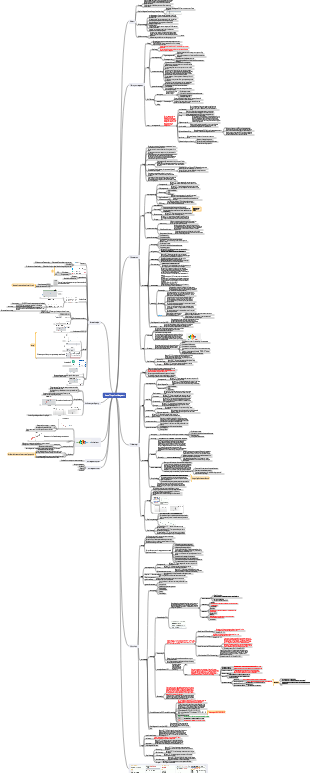
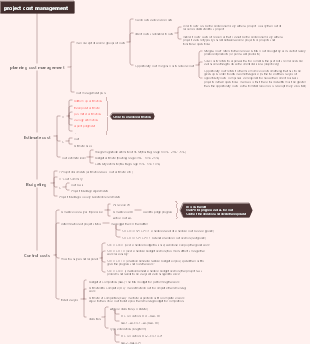
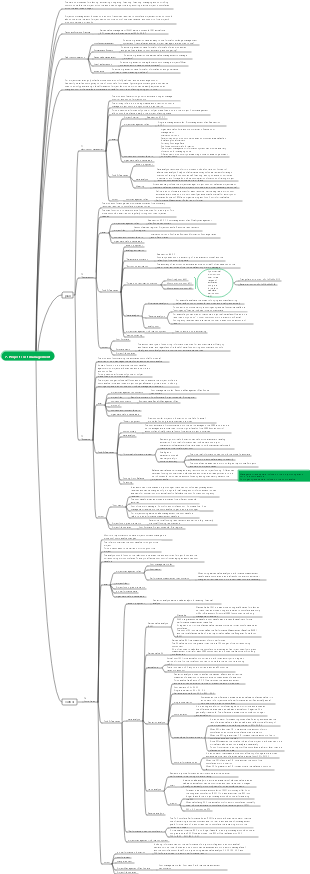
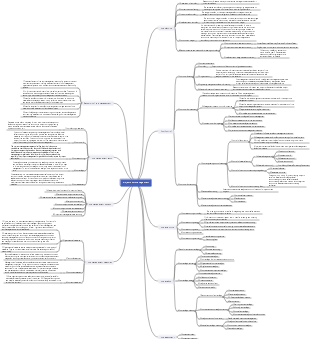
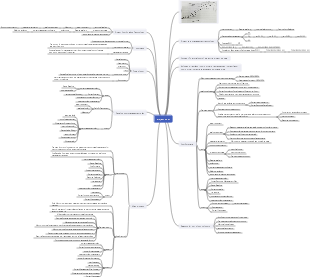
Regarding the engineering cost management 1 mind map, it includes construction bidding planning, bidding quotation procedures and strategies, bidding control price preparation, construction bid evaluation, etc.
Edited at 2023-12-28 16:19:33This article discusses the Easter eggs and homages in Zootopia 2 that you may have discovered. The main content includes: character and archetype Easter eggs, cinematic universe crossover Easter eggs, animal ecology and behavior references, symbol and metaphor Easter eggs, social satire and brand allusions, and emotional storylines and sequel foreshadowing.

[Zootopia Character Relationship Chart] The idealistic rabbit police officer Judy and the cynical fox conman Nick form a charmingly contrasting duo, rising from street hustlers to become Zootopia police officers!
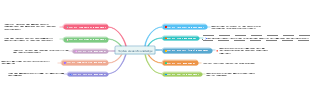
This is a mind map about Deep Analysis of Character Relationships in Zootopia 2, Main content: 1、 Multi-layer network of relationships: interweaving of main lines, branch lines, and hidden interactions, 2、 Motivation for Character Behavior: Active Promoter and Hidden Intendant, 3、 Key points of interaction: logic of conflict, collaboration, and covert support, 4、 Fun Easter eggs: metaphorical details hidden in interactions.
This article discusses the Easter eggs and homages in Zootopia 2 that you may have discovered. The main content includes: character and archetype Easter eggs, cinematic universe crossover Easter eggs, animal ecology and behavior references, symbol and metaphor Easter eggs, social satire and brand allusions, and emotional storylines and sequel foreshadowing.
[Zootopia Character Relationship Chart] The idealistic rabbit police officer Judy and the cynical fox conman Nick form a charmingly contrasting duo, rising from street hustlers to become Zootopia police officers!
This is a mind map about Deep Analysis of Character Relationships in Zootopia 2, Main content: 1、 Multi-layer network of relationships: interweaving of main lines, branch lines, and hidden interactions, 2、 Motivation for Character Behavior: Active Promoter and Hidden Intendant, 3、 Key points of interaction: logic of conflict, collaboration, and covert support, 4、 Fun Easter eggs: metaphorical details hidden in interactions.
Project cost management at the bidding (contracting) stage of construction projects
5.1 Construction bidding planning
5.1.1 Overview
1. Concept: The so-called bidding means that the bidder announces or invites bidders in writing to bid in accordance with the published bidding conditions in order to select the best among them before purchasing a large amount of materials, contracting a project or carrying out a purposeful business activity. trading behavior
2. Construction project bidding scope
(1) In order to determine the projects that must be tendered, standardize bidding activities, improve work efficiency, reduce corporate costs, and prevent corruption
(2) Projects that use state-owned capital investment or state financing in whole or in part
(3) Projects using loans and aid funds from international organizations or foreign governments
(4) Public utilities and other projects related to social public interests and public safety
(5) Survey, design, construction, supervision and procurement of important equipment and materials related to project construction
5.1.2 Categories and forms of bidding
1. Types of bidding for construction projects
(1) Classification according to engineering construction procedures (preliminary consultation and bidding for construction projects, engineering exploration and design bidding, material and equipment procurement bidding, and construction bidding)
(2) According to the scope of project contracting (project general contracting bidding, project phased bidding, design and construction bidding, project subcontracting bidding and special project contracting bidding
(3) Classification by industry or professional category (civil engineering bidding, survey and design bidding, material and equipment procurement bidding, installation project bidding, building decoration and decoration bidding, production technology transfer bidding, consulting services and construction supervision bidding)
(4) Classification according to whether the project has foreign-related factors (domestic project bidding and international project bidding)
2. Methods of bidding for construction projects
(1) Public bidding (also known as competitive bidding) is a bidding announcement issued by the bidding unit through newspapers, magazines, the Internet and other media. Any legal person who is interested in the bidding project and meets the bidding conditions can submit it to the bidding unit within the specified time. The stipulated certification documents will be reviewed by the bidding unit, and after approval, the bidding documents will be purchased and the bid will be submitted)
Advantages: fair, reasonable price, improved quality, reduced favoritism and fraud, expanded supply scope
Disadvantages: high procurement costs, cumbersome procedures, possible collusive bidding, and unreasonable low prices quoted by bidders
(2) Invitation bidding (also called one-stage selective bidding or limited competitive bidding, in which the tenderer selects some qualified units to issue bidding invitations based on the information it has accumulated or based on the information provided by authoritative consulting agencies)
Advantages: save time and cost, be relatively fair, reduce favoritism and fraud, and prevent collusive bidding.
Disadvantages: Because there are few competitors, the quotations obtained by the tenderer may not be very ideal. Because the purchaser does not know enough about the supply market, some competitive suppliers or contractors may be missed.
3. Two-stage bidding
(1) Concept: It is a bidding method that combines international competitive bidding and international selective bidding.
(2) The first stage: The bidder does not provide technical suggestions for quotations in accordance with the requirements of the bidding announcement or bidding invitation. The tenderer determines the technical standards and requirements based on the technical suggestions submitted by the bidder and prepares the bidding documents.
(3) Second stage: The tenderer provides bidding documents to the bidders who submitted technical suggestions in the first stage, and the bidders submit bidding documents including the final technical plan and bid quotation in accordance with the requirements of the bidding documents.
5.1.3 Bidding procedures
1. Determine the scope of bidding: it can be divided into bidding for all work at each stage of the entire construction process, called general contracting bidding for engineering construction or overall bidding for the whole process; or bidding for a certain stage; and bidding for a certain project in a certain stage. Tender
2. Project construction application: The construction unit or its agency must submit a construction report to the local construction administrative department or its authorized agency after the project feasibility study report or other project approval documents are approved.
3. Bidding filing: The tenderer shall apply for bidding filing with the construction administrative department 5 days before issuing the bidding announcement or bidding invitation. If the construction administrative department has no objection within 5 days from the date of receipt of the filing materials, the tendering party may issue the bidding notice. Bidding announcement or bidding invitation; those who do not meet the bidding conditions shall be ordered to stop handling bidding matters.
4. Select the bidding method and issue a bidding announcement: After the bidding is filed, a bidding announcement or bidding invitation can be issued according to the bidding method.
5. Preparation of pre-qualification documents: refers to the fact that before or at the beginning of the bidding process, the tenderer conducts a qualification review on the qualifications, performance, reputation, technology, funds and other aspects of the potential bidders who apply to participate in the bidding (qualified system, limited quantity system)
6. Preparation of bidding documents: Construction project bidding documents are the expression of intention of the construction project bidding unit to explain its bidding conditions and specific requirements. It is the collective name for the written expression form of the bidding unit to determine, modify and explain relevant bidding matters.
7. Sale of bidding documents: sale of bidding documents, clarification or modification of bidding documents
8. Site survey and pre-bid meeting: The purpose is to enable the bidder to understand the project site and surrounding environment, so as to obtain the information deemed necessary by the bidding unit.
5.2 Bidding and quotation procedures and strategies
5.2.1 Determination of construction contract and contract price
1. Types of construction contracts for construction projects
lump sum contract (fixed, adjustable)
Unit price contract (fixed, adjustable)
Cost plus remuneration contract (cost plus fixed percentage, cost plus fixed amount, cost plus fixed reward and penalty, maximum cost plus fixed maximum remuneration)
2. Selection of construction contract types for eye-catching construction projects
Project size and duration
Project competition
Project complexity
The degree of clarity of individual items of the project
Length of project preparation time
3. The current types of construction contract texts for construction projects in my country
General Terms: These are concluded in accordance with the provisions of laws, administrative regulations and the needs of construction projects, and are generally used for subcontracting project terms.
Special clauses: These are clauses that the contractor and subcontractor reach an agreement through negotiation in accordance with the provisions of laws and administrative regulations and in combination with the actual conditions of the specific project. They are the concretization, supplement or modification of the general clauses.
4. Determination of construction contract price
Construction contract prices and adjustments
Project advance payment
Project payment
Confirm the change price
Procedures and responsibilities for project payment
Other costs involved in construction
Completion settlement
Quality warranty deposit
5.2.2 Overview
1. Construction project bidding concepts and procedures
Refers to economic activities in which bidders with qualified qualifications and abilities fill in a bid document within a specified period, submit a quotation, and wait for the opening of the bid to determine whether they can win the bid after preliminary research and estimation according to the bidding conditions.
(2) Construction project bidding procedures (investigation and research, collection of information, comprehensive evaluation method, registration for bidding, pre-qualification, obtaining bidding documents, studying bidding documents, raising questions, formulating construction plans, calculating bid quotations, and confirming Bidding strategy, preparation of bid documents, submission of bid documents)
2. Preparation of bid quotations
(1) Basis for bidding quotation
Construction drawings, bill of quantities, contract conditions, relevant laws and regulations, construction organization design, construction specifications and construction instructions, prices and freight charges of engineering materials and equipment, labor wage standards, local price levels
(2) Factors affecting bidding quotations
5.2.3 Procedures and methods for preparing bidding documents
1. Steps for preparing bids and quotations
(1) Familiar with bidding documents, investigation and on-site inspection
(2) Develop bidding strategies based on project characteristics
(3) Calculate the actual project quantity of the bidding project
(4) Prepare construction organization design
(5) Calculate direct costs of distribution projects
(6) Share project costs and prepare unit price analysis tables
(7) Calculate the basic bid price
(8) Conduct win analysis and profit and loss analysis
(9) Propose alternative bidding and quotation plans
(10) Prepare a reasonable quotation to win the bid
2. How to prepare bid quotations
Method: According to the project budget method and bill of quantities pricing method, the bill of quantities is the main method
(1) Prepare according to the project budget method (which is a popular practice in domestic bidding)
(2) Quotation of bill of quantities (composed of partial project fees, measure project fees, other project fees, regulatory fees and taxes
5.2.4 Determine bidding and quotation strategies
1. Determine bidding and quotation strategies
(1) The quotation can be high (poor construction conditions, high professional technology requirements, small projects with low total price, special projects, projects where the owner has urgent professional requirements for the construction period, few bidding opponents, projects with unsatisfactory payment conditions)
(2) The quotation should be low (the construction conditions are good, the company is currently eager to enter a certain market, the labor service may be short-term with conditions, there are many bidding opponents, and the payment conditions for non-urgent projects are good)
The purpose of the unbalanced quotation method (also called the front, middle and back request method) is to collect money early and charge more
Advantages: It helps to carefully check and coordinate the sharing of engineering bills. The total price is relatively stable and will not be too high.
Disadvantages: It is difficult to grasp the reasonable range of high unit price and low unit price. If the unit price is too low, it will cause losses to the contractor due to the increase in the amount of work being executed. If the unit price is too high, the contractor will lose more than the gain because the tenderer requires a lower price.
(3) Quotation of daily labor unit price (it is necessary to analyze the number of daily labor that the owner may use after restarting work, and then determine the quotation policy
(4) Optional items (not chosen arbitrarily by the contractor, but only the owner has the right to choose)
(5) Quotation of tentative project quantities
The owner stipulates the sub-items of the tentative project quantity and the tentative total price
The owner lists the number of projects with tentative quantities of work
Only a fixed total amount for tentative works
(6) Multi-plan quotation method (the scope of the project is unclear, the terms are unclear or unfair, or the technical specifications are too demanding
(7) Add suggested solutions (must be relatively mature and have good operability)
(8) Adoption of subcontractor quotations (select one of the contractors with good reputation, strength and reasonable quotation to sign the agreement)
(9) No profit calculation
5.3 Preparation of bidding control price
5.3.1 Overview: The bidding control price refers to the maximum project cost set by the bidder for the bidding project based on the relevant pricing basis and methods issued by the national or provincial and industry construction authorities and calculated based on the design and construction drawings.
1. Principles for the preparation of bidding control prices (my country's investment budget review and approval system for state-owned capital investment projects is implemented for investment control. In principle, projects invested by state-owned funds cannot exceed the approved investment budget. The bidding control price is the price that the tenderer determines when bidding for the project. The highest price that can be accepted from bidders).
2. Function
(1) The tenderer effectively controls project investment and prevents investment risks caused by vicious bidding.
(2) Enhance the transparency of the bidding process and facilitate normal bid evaluation
(3) It is helpful to guide bidders to bid and quote, and avoid disorderly competition when bidders have no bids and low bids.
(4) The bidding control price reflects the social average level and provides a reference for the bidder to judge whether the minimum bid price is lower than the cost.
(5) It can provide a calculation basis for determining the unit price of new projects due to engineering changes.
(6) As a reference for bid evaluation to avoid major deviations
3. Basis for preparation
(1) "Construction Engineering Bill of Quantities Pricing Specifications"
(2) Pricing quotas and pricing methods issued by the national or provincial or industry construction authorities
(3) Construction project design documents and related information
(4) Bill of quantities and related requirements in the bidding documents
(5) Standards, specifications and technical data related to construction projects
(6) Project cost information released by the project cost management agency; if the project cost information is not released, refer to the market price
(7) Other relevant information
4. Preparation process
(1) Preparation work
(2) Collect and prepare information
(3) Comprehensive explanation
(4) Attachments
(5) Relevant forms
5.3.2 Preparation content of bidding control price
1. Prepare the bidding control price based on the bill of quantities valuation method
(1) The sub-item project fee shall be calculated based on the characteristics description and relevant requirements of the sub-item project bill of quantities in the bidding documents, and the comprehensive unit price shall be determined in accordance with regulations for calculation.
(2) The cost of the measure items shall be determined according to the list of measure items provided in the bidding document. The measure items shall be calculated in the form of comprehensive unit price for each sub-project.
(3) Other project fees should be calculated according to the following provisions
Temporary amount (10%--15% of the project fee for each item)
Temporary valuation (tentative valuation of materials, temporary valuation of professional projects)
Daily labor (the unit price of labor and the unit price of construction machinery shifts shall be calculated based on the unit price announced by the provincial and industry construction authorities or authorized project cost management agencies)
General contracting service fee
2. Prepare bidding control price using fixed quotation method
(1) According to the project quantity calculation rules specified in the regional unit price valuation table, calculate the project quantity for each item
(2) Apply the corresponding unit valuation table sub-item price to the project quantity
(3) Collect fees according to the fee quota
(4) The price differences of the above-mentioned expenses shall be adjusted according to the local market price adjustment documents at that time.
5.5 Construction bid evaluation
5.5.1 Overview: Bid evaluation is conducted independently and confidentially by an expert bid evaluation committee or consulting unit organized by the bidding unit.
1. Definition: The process of reviewing, comparing, analyzing and evaluating the bid documents submitted by bidders to determine the winning candidates or directly determine the winning bidder.
2. Function: (1) It is an important document for the tenderer to clarify the purpose of the tender and reflect its will on how to select the winning bidder. (2) It is the most important basis for the bid evaluation committee to carry out the bid evaluation work and guides the bid evaluation committee on how to evaluate the bid. The programmatic document (3) is an important document that guides bidders to determine bidding strategies and prepare bidding documents scientifically and rationally.
5.2.2 Bid evaluation procedure
1. Bid opening (time, location, rules for attending the bid opening meeting, relevant documents)
2. Bid evaluation (principles, confidentiality and independence are the core links, committee formation and procedures)
3. Determine the bid (determine the winning candidate, issue the bid winning notice and conclude the contract)
5.5.3 Bid evaluation method
1. The reviewed lowest bid price (meaning, scope of application, bid evaluation requirements)
2. Comprehensive evaluation method (the commonly used method is the percentage method)
3. Other bid evaluation methods
5.4 Preparation and pricing of bill of quantities for bidding projects
5.4.1 Principles and specifications for preparation of bill of quantities
1. Concept and connotation of bill of quantities
It is a detailed list of the names and corresponding quantities of the sub-projects, measure projects, other projects, fee projects and tax projects of the construction project.
Priced Bill of Quantities - Tender Document
Bidding bill of quantities - bidding documents
2. Basis for preparation of bill of quantities
(1) This code and the national metrology code for related projects
(2) Pricing quotas and methods issued by national or provincial or industry construction authorities
(3) Construction project design documents and related information
(4) Standards, specifications and technical data related to construction projects
(5) Proposed bidding documents
(6) Construction site conditions, geological survey and hydrological data, project characteristics and conventional construction plans
(7) Other relevant information
3. Contents of preparation of bill of quantities
(1) Contents of preparation of bill of quantities
Sub-projects
Measure items
other projects
Provisional amount
tentative valuation
day labor
General contracting service fee
Fees
social Security fee
housing fund
Engineering sewage charges
taxes
VAT
Urban maintenance and construction tax
Education fee surcharge
Local education surcharges
5.4.2 Bill of Quantities Valuation
1.The significance of bill of quantities
(1) The bill of quantities is in the form of a comprehensive unit price. The comprehensive unit price includes project direct costs, indirect costs, management fees, risk fees, profits, various fees stipulated by the state, etc.
(2) The quotation for the bill of quantities requires the bidding unit to quote according to the market conditions and its own strength, which requires the bidder to pay attention to the analysis of the unit price of the project.
(3) The bill of quantities has the legal nature of contract and is essentially the pricing model of a unit price contract. Once the unit price after winning the bid is confirmed by the contract, it cannot be adjusted at the time of completion and settlement, that is, the quantity changes and the price remains unchanged.
(4) The quotation of the bill of quantities reflects the physical consumption and related costs of the project in detail, so it is easy to combine the specific conditions of the construction project and change the static pricing model based on the budget quota into a dynamic pricing model that takes various factors into account in the unit price. model
(5) The quotation of the bill of quantities is conducive to the bidding process and avoids irregularities such as blind price reduction, fraud and secret operations during the bidding process.
(6) The quotation of the bill of quantities is conducive to the implementation and control of the project. The project composition and unit price composition of the quotation must meet the project implementation requirements. The quotation of the bill of quantities increases the reliability of the quotation and is conducive to the allocation of project funds and the final determination of the project cost.
(7) The quotation of the bill of quantities is conducive to strengthening the management of engineering contracts, clarifying the responsibilities of both parties, and achieving reasonable sharing of risks.
(8) The quotation of bill of quantities will promote the reform and development of pricing basis, encourage enterprises to prepare their own enterprise quotas, and improve their engineering technology level and operation and management capabilities.
2.Characteristics of bill of quantities pricing
(1) Pricing rules (specify unified pricing methods, pricing rules, and bill of quantity item setting rules)
(2) Effectively control consumption (the government issues unified guidance standards for average social consumption)
(3) Completely liberalize prices (comprehensively liberalize prices of work, materials, machines, profits, and management fees in project consumption quotas)
(4) Form the price (formulate basic standards to measure the rationality of the bid quotation, and ultimately the bidder with a reasonable low price "not lower than the cost" will win the bid)
3. The difference between bill of quantities pricing and fixed-rate pricing
(1) Prices are expressed in different forms (fixed pricing is between national pricing and national guidance prices, and the bill of quantities reflects the market price)
(2) The construction cost structure is different
The unit project cost composition is different (determined by the bidder according to the requirements of the bidding documents, construction site conditions, and construction plans to reflect cost competition based on the construction plan)
The unit price composition of distributed projects is different (the use of comprehensive unit price more intuitively reflects the actual price of each priced item, which facilitates project payment, project cost adjustment and project settlement)
(3) Unit projects are divided into different categories (mainly based on construction processes, with single content. The division principle is based on different parts of the project, different materials, different processes, different construction machinery, different construction methods and material specifications and models, and the division is very detailed)
(4) The entities preparing the project quantities are different (in the fixed-rate pricing method: the project quantities are calculated separately by the bidder and the bidder according to the drawing; in the list pricing method: the project quantities are calculated uniformly by the tenderer or entrusted to the relevant project cost consulting qualification unit for unified calculation calculate)
(5) Different pricing bases (the most fundamental difference is that the only basis for pricing based on quotas is the various quotas designated by the country, provinces, and relevant professional departments, which are instructive in nature; while the main basis for bill of quantities pricing is the "List Pricing Specifications" ".
(6) Construction measure consumption is included in different positions (fixed pricing does not distinguish between construction physical consumption and construction measure consumption, and they are generally placed together; while bill of quantities pricing separates construction measures and engineering entity items and lists them separately)
(7) The calculation rules for project quantities are different (the fixed-rate pricing model is measured based on the actual amount of distributed sub-projects, while the list pricing model is measured based on the net quantity of sub-project physical projects)
(8) The contract price adjustment methods are different (the contract adjustment methods formed by the fixed-rate pricing method include change of visa, quota explanation, and policy adjustment; while the unit price of the bill of quantities pricing method is generally relatively fixed)