MindMap Gallery line in landline
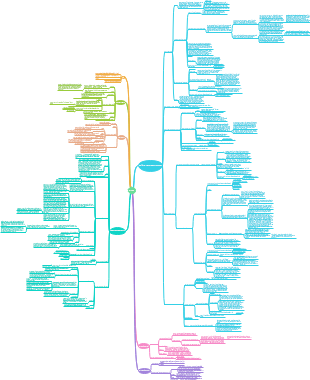
This is a mind map about the line in landline telecommunications, exploring the various components and functionalities involved in traditional telephone systems. The mind map covers essential elements such as the physical wiring, signal transmission, and connection types, including analog and digital lines.
Edited at 2024-06-06 18:50:58This is a mind map about the line in landline telecommunications, exploring the various components and functionalities involved in traditional telephone systems. The mind map covers essential elements such as the physical wiring, signal transmission, and connection types, including analog and digital lines.

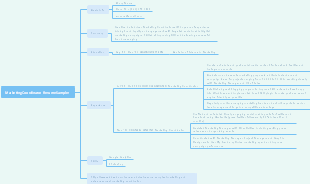
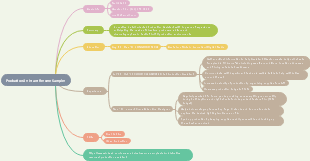
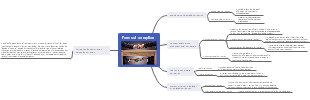
This mind map elaborately expounds on elements such as advantages, limitations, and types of lines, highlighting their characteristics and interrelations. The advantages section emphasizes benefits brought about by specific traits; the limitations discuss constraints and their impact on operations; the line types depict the properties and suitable contexts for different lines. Each topic is explained from multiple angles aiming at a comprehensive understanding of these design elements in practical use and function.
This is a mind map about the line in landline telecommunications, exploring the various components and functionalities involved in traditional telephone systems. The mind map covers essential elements such as the physical wiring, signal transmission, and connection types, including analog and digital lines.
This mind map elaborately expounds on elements such as advantages, limitations, and types of lines, highlighting their characteristics and interrelations. The advantages section emphasizes benefits brought about by specific traits; the limitations discuss constraints and their impact on operations; the line types depict the properties and suitable contexts for different lines. Each topic is explained from multiple angles aiming at a comprehensive understanding of these design elements in practical use and function.
line in landline
Definition and purpose
A line in a landline refers to a physical connection that carries voice or data signals over a telecommunications network.
It allows users to make calls or access the internet through a fixed-line telephone or DSL modem.
Types of lines
Analogue line
Uses analogue signals to transmit voice or data.
Limited in terms of speed and data capacity compared to digital lines.
Digital line
Transmits voice or data in the form of discrete binary digits.
Offers higher speed and more efficient communication than analogue lines.
Components and infrastructure
Telephone exchange
Central switching system that connects multiple landline users.
Routes calls to the intended recipient.
Local loop
Physical connection between the telephone exchange and the user's premises.
Consists of copper or fiber optic cables.
Distribution frames
Panels where the local loop connections terminate.
Organizes and manages the various lines.
Subscriber line interface
Connects the landline device to the distribution frame.
Transmits and receives signals between the user and the telephone exchange.
Advantages
Reliability and stability
Landline connections are less prone to signal interference or outages.
Offers consistent voice quality for calls.
Security
Landlines are less susceptible to hacking or data breaches compared to wireless connections.
Provides a more private communication channel.
Broadband access
Many landline connections also offer broadband internet access.
Enables faster internet speeds and more reliable connectivity.
Limitations
Lack of mobility
Landline connections are fixed to specific locations.
Users cannot use the line outside of their premises.
Equipment dependency
Requires a landline device (telephone or modem) to access the service.
Additional equipment may be needed for features like voicemail or call waiting.
Limited features
Landline services may offer fewer features than mobile or internet-based communication options.
Features such as video calling or instant messaging are not typically available.
Future outlook
The popularity of landline connections has declined with the rise of mobile phones and internet-based communication platforms.
However, landlines still serve as a reliable communication option for certain purposes, such as businesses or areas with poor mobile coverage.
Emerging technologies like Voice over Internet Protocol (VoIP) are transforming landline services by utilizing internet connections for voice calls.
Topic
linux
line in landline
Definition and purpose
A line in a landline refers to a physical connection that carries voice or data signals over a telecommunications network.
It allows users to make calls or access the internet through a fixed-line telephone or DSL modem.
Types of lines
Analogue line
Uses analogue signals to transmit voice or data.
Limited in terms of speed and data capacity compared to digital lines.
Digital line
Transmits voice or data in the form of discrete binary digits.
Offers higher speed and more efficient communication than analogue lines.
Components and infrastructure
Telephone exchange
Central switching system that connects multiple landline users.
Routes calls to the intended recipient.
Local loop
Physical connection between the telephone exchange and the user's premises.
Consists of copper or fiber optic cables.
Distribution frames
Panels where the local loop connections terminate.
Organizes and manages the various lines.
Subscriber line interface
Connects the landline device to the distribution frame.
Transmits and receives signals between the user and the telephone exchange.
Advantages
Reliability and stability
Landline connections are less prone to signal interference or outages.
Offers consistent voice quality for calls.
Security
Landlines are less susceptible to hacking or data breaches compared to wireless connections.
Provides a more private communication channel.
Broadband access
Many landline connections also offer broadband internet access.
Enables faster internet speeds and more reliable connectivity.
Limitations
Lack of mobility
Landline connections are fixed to specific locations.
Users cannot use the line outside of their premises.
Equipment dependency
Requires a landline device (telephone or modem) to access the service.
Additional equipment may be needed for features like voicemail or call waiting.
Limited features
Landline services may offer fewer features than mobile or internet-based communication options.
Features such as video calling or instant messaging are not typically available.
Future outlook
The popularity of landline connections has declined with the rise of mobile phones and internet-based communication platforms.
However, landlines still serve as a reliable communication option for certain purposes, such as businesses or areas with poor mobile coverage.
Emerging technologies like Voice over Internet Protocol (VoIP) are transforming landline services by utilizing internet connections for voice calls.
Sub Topic
linux